Best Wholesale Matcha for Cafes in Houston: Grade, Cost & Supplier Guide

For a Houston cafe, the matcha that earns its place on the menu is a latte / premium culinary grade, chosen to stay vivid and taste forward through milk, ice and a humid Gulf-Coast summer — not a prized ceremonial tea whose delicacy disappears the moment it meets dairy. Houston drinks its matcha iced, blended and layered into boba far more than it sips it plain, so the deciding factor is never the word on the tin but matching the grade to the drinks you actually sell, then buying that powder against a written specification, a per-lot certificate of analysis and a sample you have poured in your own drinks before you commit to volume. This guide walks a Houston buyer through the grade to match each drink, the measurable spec of a bar-ready matcha, hot and iced formulation for humid service, a supplier-neutral way to find your real cost per cup, how Houston’s climate and event calendar should shape your ordering, the import and FSVP reality when you buy direct through the Port of Houston, a vetting checklist for any supplier, and how JMEX engineers matcha for cafe and OEM accounts.
For Companies Seeking Matcha Powder
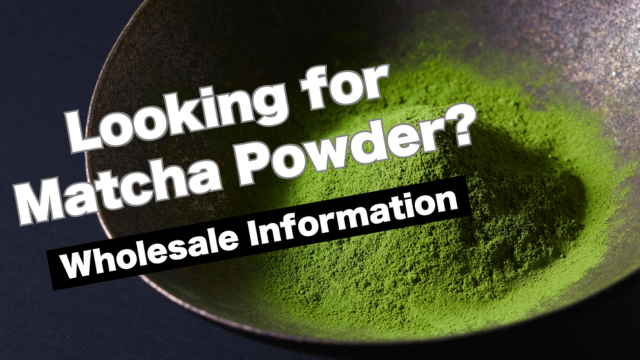
We source matcha from Japan’s premier production regions including Kyoto Uji, Kagoshima, Fukuoka, and Shizuoka, offering comprehensive grade ranges from organic JAS-certified ceremonial grade to processing-grade matcha.
Common Challenges:
- “We have projects but cannot secure stable matcha supply…”
- “We want to incorporate matcha into new café menu items!”
If you face these concerns, consult with Matcha Times. Feel free to contact us for initial inquiries.
\Read Also/
Key Takeaways
- For most of a Houston bar’s volume — iced, blended and boba builds — a latte / premium culinary grade is the right workhorse: assertive enough to read through milk and ice and bold in color where guests see it.
- Match the powder to the format: a hot latte, an iced oat-milk latte, a matcha boba and a plain whisked bowl each reward a deliberate grade choice instead of one default tin for everything.
- Read cost per cup off a live quote at your volume, never a blog headline — divide your real quoted price per kg by 1,000 and multiply by grams per cup.
- Houston’s heat and humidity is part of the spec: moisture clumps and ages matcha fast, so buy to short turnover, store sealed and cold, and demand bold, stable color.
- Buy against a written spec — color, particle size, flavor, freshness and residue testing — confirm it with a sample and a per-lot COA, and run a trial before scaling to monthly supply.
Researched and reviewed by the Matcha Times Editorial Team, operated by the Japan Matcha Export Organization (JMEX). Last reviewed: 2026-10-20. See our Editorial Policy and Sources & Methodology. Found an error? Tell us.
\Read More/
Which matcha should a Houston cafe use for lattes and boba?
The direct answer: use a latte / premium culinary grade for nearly everything a Houston cafe pours. Ceremonial grade is built to be whisked with hot water and tasted alone, and the soft sweetness and umami that justify its price are exactly what milk, syrup and ice wash out — so spending ceremonial money on a latte or a boba buys a refinement no guest ever notices. A good latte grade is shade-grown, later-picked and stone-milled to keep a saturated green and to push a clean, grassy note to the front even under oat milk, brown-sugar syrup and a cup of pearls. Keep a small line of real ceremonial tea only if you plan to sell a straight whisked bowl as its own premium item. Remember too that “ceremonial” and “latte grade” have no legal definition, so judge the powder in the cup, not the marketing.
| Drink on a Houston menu | Grade to use | Why it works here |
|---|---|---|
| Iced matcha latte (incl. oat milk) | Latte / premium culinary | Houston’s top-selling format; bold color and flavor survive ice and cold milk in the heat |
| Matcha boba / milk tea | Latte / premium culinary | Must read through tapioca, sweetener and plant milk in a tall iced cup |
| Matcha with cold foam | Latte / premium culinary | Needs a strong base that stays present under a sweet, aerated top |
| Hot matcha latte | Latte / premium culinary | Consistent and bright through steamed dairy or plant milk in cooler months |
| Baking, soft-serve and desserts | Culinary | Color and flavor hold up to heat and mixing at recipe scale |
| Straight whisked bowl (premium item) | Ceremonial | Served without milk, so delicacy, sweetness and texture are tasted directly |
The cafe spec: color, particle size, flavor and testing
Two powders can both be labeled “latte grade” and behave nothing alike once a bar gets busy. Grade a wholesale matcha on attributes you can measure and verify against a sample and a certificate of analysis (COA), not on brochure adjectives. These lines decide whether a drink looks right in a photo and tastes right through a long Saturday rush.
| Attribute | What to check | Why it matters on a Houston bar |
|---|---|---|
| Color | Vivid, fresh green — never olive, khaki or dull | Color is what sells an iced matcha on social media and signals shade-growing and freshness |
| Particle size | Finely stone-milled powder that disperses without clumping | Cleaner pours, less sediment and faster throughput — and clumping gets worse in humid air |
| Flavor | Clean and grassy with controlled bitterness, not harsh | A latte grade should stay forward but pleasant through milk and sweet boba builds |
| Freshness / crop year | Recent harvest; stored sealed and refrigerated | Matcha oxidizes quickly, and Houston heat and moisture accelerate fading and dulling |
| Residue & safety testing | Pesticide (MRL) and heavy-metal data on the COA | Documented food-safety due diligence for a US foodservice buyer |
| Batch consistency | Blended to a target spec across lots | Your house recipe should not need re-dialing with every delivery |
Formulating matcha drinks for Houston service
With the grade and spec settled, consistency is what protects the drink. The goal is a latte or boba that looks and tastes the same whether it leaves the pass at a 7am Energy Corridor rush or a packed afternoon in Montrose. Write the recipe down and train the whole bar to it — and account for the humidity before it reaches the cup.
Hot matcha latte
Sift first — and in Houston that sift matters more, because ambient moisture makes stored matcha cake and clump. Loosen the powder into a smooth shot with a little hot — not boiling — water before the milk, since water that is too hot scorches the tea and drags bitterness forward. A whisk, a frother or a standardized shot routine all work; the step you cannot skip is dispersing the powder fully so no grit settles at the bottom. Most bars land on a couple of grams for a standard size and scale up for larger cups, then fine-tune the exact dose to their chosen powder and price.
Iced lattes, cold foam and boba
Iced and boba service is where a Houston cafe makes its money, and it is the harshest test a matcha faces: ice dilutes while cold and sweetener flatten both flavor and color. That is the single strongest argument for a bold latte grade over a delicate ceremonial one. Batch a matcha concentrate under controlled measurement so every iced drink starts from the same base, and prove the powder against the plant milks you actually pour and against a sweetened boba build, since oat milk and brown-sugar syrup behave very differently from plain dairy and some matchas turn muddy in them. Where cold foam sits on top, confirm the base still reads clearly beneath that sweet layer.
Locking the house recipe
Treat the build like a spec sheet: fixed grams of matcha, fixed water volume and temperature, fixed milk, sweetener and ice. Document it, and re-taste whenever a new bag is opened, so a fresh crop lot, a humid week or a new hire never quietly shifts the drink your regulars return for.
What a cup of matcha actually costs
Matcha looks expensive by the kilo, but the figure that governs your menu is cost per cup, and it is small next to what you charge. Use this supplier-neutral formula and drop in your own quoted number rather than a headline figure from a blog or a supplier storefront:
Matcha cost per cup = (wholesale price per kg ÷ 1,000) × grams per cup.
That leaves two levers worth your attention: your negotiated price per kg and your grams per cup. A bolder latte grade often lets you dose a touch lighter for the same impact, while a cheap, flat powder gets over-dosed to compensate and erases the saving. Because matcha is usually a single-digit share of a latte’s or boba’s menu price, grinding the price per kg down at the cost of color and flavor is a poor trade for a Houston cafe — a brighter, better-tasting drink defends your price far better than a few cents off the ingredient.
- Price per kg — request a current quote at the exact tier you will buy; prices move with the crop and with volume, so never set a menu off last season’s number.
- Grams per cup — fix it by taste with your chosen matcha, then hold it; this is the lever you control most directly.
- What quality does to price — a vivid, bold matcha earns a higher menu price with less waste; a dull, cheap one does the opposite.
- Freshness over bulk — order to a few weeks of turnover so stock stays fresh instead of fading in a warm, humid store.
The Houston factor: humidity, storage and event demand
Houston reshapes the problem in ways a generic guide ignores. The climate pushes your menu hard toward iced, blended and boba drinks for most of the year, which raises the premium on a matcha that keeps a bright, stable color under ice. More specific to the Gulf Coast, it is not only the heat but the humidity: moist air makes matcha absorb water, clump in the tin and oxidize faster, so it dulls and turns bitter sooner here than in a dry climate.
- Storage: keep sealed, opaque, cold and — critically in Houston — away from humid air; bring only the working amount up to room temperature, and let a chilled tin warm before opening so condensation does not form inside it.
- Turnover: size each order so a bag is used within weeks of opening rather than slowly caking in a humid back-of-house; smaller, more frequent deliveries beat one large pallet that fades.
- Seasonality: Houston’s calendar spikes around the Houston Livestock Show and Rodeo in late winter and the city’s heavy energy-industry convention schedule, when a popular matcha drink can outrun a normal week of stock in a day — plan inventory and lead time so a hero item never sells out mid-event.
- Menu mix: Houston’s cafe scene is unusually diverse, with a dense boba and Asian-cafe cluster around Bellaire and Chinatown, so favor a grade that stays assertive under sweetener and dilution over a delicate one that needs a quiet cup to shine.
Importing matcha into Houston: tariff and FDA basics
A Houston buyer has a geographic advantage and two practical routes: order from a US-based distributor that has already imported, or — once volume justifies it — bring product in direct from a Japanese exporter through the Port of Houston, one of the country’s largest, for a keener price and tighter traceability. If you import, the compliance picture is workable but real, and it attaches to the importer of record — a Houston address does not change that — so understand it before signing. Houston is well served by Port of Houston sea freight and Bush/Hobby air cargo for the freight leg.
- Tariff: matcha is classified as tea under HS/HTS heading 0902, and green tea enters the United States duty-free at the MFN base rate; confirm the exact current line and any separate country-level measures with the USITC HTS or a licensed customs broker before you quote a landed cost.
- Food facility: facilities handling the product generally must be registered with the FDA, under FDA food-facility registration.
- Prior Notice: each imported food shipment needs Prior Notice filed with the FDA before it arrives.
- FSVP: as importer you are generally responsible for the Foreign Supplier Verification Program (FSVP), verifying your Japanese supplier meets US food-safety standards.
- Documents: expect a per-lot COA, pesticide and heavy-metal results, a certificate of origin and the usual commercial paperwork — a capable exporter supplies these, not only at the border.
A domestic distributor absorbs most of this and shortens lead time at a higher per-kg price. Importing direct through the port can lower cost and sharpen traceability, but it puts the FSVP and Prior Notice duties on you or a partner and adds a longer lead time — usually a few weeks for stock product and noticeably more around a fresh harvest or a custom blend. Build your order cadence around that, and never let a hero drink run to empty.
How to vet a matcha supplier for your Houston cafe
Instead of ranking brands, hold every supplier — a Houston or Texas distributor, or a Japan-direct exporter — to the same verifiable bar. The criteria below predict whether a matcha will look good, taste good and stay consistent on your bar, and whether the paperwork survives an audit. Ask for answers in writing, not adjectives.
| Criterion | What to verify with any supplier |
|---|---|
| Color & freshness | Bright green on a current-crop sample; crop year stated; cold, sealed storage |
| Flavor through milk, ice and sweetener | Taste the exact grade in a hot latte, an iced latte and a sweetened boba build with your own milk |
| Particle size & dispersion | Finely stone-milled powder that mixes cleanly with minimal clumping |
| Per-lot COA & testing | Pesticide (MRL) and heavy-metal results from an accredited lab for the lot you receive |
| Batch consistency | Blended to a target spec so your recipe holds across repeat orders |
| MOQ & price tiers | A realistic starting quantity plus clear breaks as monthly volume grows |
| Lead time & supply stability | Honest lead times and proven ability to scale from a trial to steady supply |
| Origin & documentation | A named Japanese region, certificate of origin and import documents that match |
The fastest way to pressure-test a partner is to request a sample and its per-lot COA together, pour it in your real drinks in Houston conditions, and place a small trial order before committing to recurring volume. The suppliers who answer color, testing, origin and consistency questions precisely are the ones worth scaling with.
Sources & Methodology
This guide combines US import and food-safety sources with Japanese tea-trade context and standard cafe practice; each source below notes what it supports, its date and its scope. No price, dose or lead-time figure is presented as a fixed fact: wholesale cost is given as a formula to apply to your own current quote, serving sizes are described as common practice to dial in, and every tariff or compliance point is flagged for confirmation with the named authority or a customs broker.
- USITC Harmonized Tariff Schedule (HTS) — classification of tea under heading 0902 and the duty-free MFN base rate for green tea imported into the US — accessed 2026 US tariff classification
- US FDA — Foreign Supplier Verification Program (FSVP) — importer responsibility to verify a foreign supplier meets US food-safety standards — accessed 2026 US food import compliance
- US FDA — Prior Notice of Imported Foods — advance-notice requirement for imported food shipments — accessed 2026 US food import compliance
- US FDA — Registration of Food Facilities — facility registration requirement for firms handling food for the US market — accessed 2026 US food facility registration
- Japan MAFF / Ministry of Finance — tea export statistics — Japanese green-tea export context (green-tea TOTAL, not matcha-only) for sourcing background — 2024 Japan green tea exports
Why Buyers Choose JMEX (Japan Matcha Export Organization)

One supplier that meets these criteria at a high level is JMEX (Japan Matcha Export Organization), a wholesale and export partner dedicated to bringing Japanese matcha overseas. It designs origin selection, quality assurance, export documentation, and logistics as one continuous flow, built for export from the start.
With a track record of exports to 43 countries, JMEX designs matcha for cafe and OEM buyers from the export side: selecting origin and crop, tuning a latte-grade blend for the color, particle size and flavor that hold through milk, ice and sweetener, supplying a per-lot COA with pesticide and heavy-metal testing, a certificate of origin and full export documentation, organic (JAS) and Halal certification support where a buyer needs it, and holding one consistent specification across repeat orders so a Houston cafe’s house recipe stays stable from a first trial up to steady monthly supply.
Frequently Asked Questions
Common questions from Houston cafe owners and buyers choosing a wholesale matcha — from grade and cost to storing it in Gulf-Coast humidity and importing direct through the Port of Houston.
What grade of matcha should a Houston cafe use for lattes?
A latte or premium culinary grade is the right choice. It is picked and milled to hold a bright green and push a bold, clean flavor through milk, ice and sweetener, which ceremonial grade cannot do once it is diluted. Keep ceremonial only if you sell a plain whisked bowl as a separate premium item; under milk or in a boba build its subtle character is lost, so the higher price buys nothing the guest tastes.
How do I calculate matcha cost per cup?
Use: matcha cost per cup = (wholesale price per kg divided by 1,000) times grams per cup. The only inputs are your current negotiated price per kg and your dose, so get a live quote at the volume you will actually order and set the dose by taste. Because matcha is usually a single-digit percentage of a latte’s or boba’s menu price, color and flavor move your profit more than a few cents off the kilo.
What MOQ should a Houston cafe start with?
Begin with a sample, then a small trial quantity you can turn over within a few weeks so it stays fresh, and move to regular monthly volume once the menu and dose are settled. Ask each supplier for their minimum order quantity and price breaks at higher tiers; larger units usually lower the per-kg cost, but only buy what you can use before it fades — which, in Houston’s humidity, happens faster.
Is matcha duty-free to import into the United States?
Matcha is classified as tea under HS/HTS heading 0902, and green tea enters the United States duty-free at the MFN base rate. Confirm the exact current tariff line, and any separate country-level trade measures, with the USITC HTS or a licensed customs broker before you quote a landed cost, because those measures can change independently of the product duty.
Do I need FDA registration or FSVP to import matcha into Texas?
If you buy from a US distributor that already imported the matcha, they generally hold the import obligations. If you import directly through the Port of Houston, the picture includes FDA food-facility registration, Prior Notice for each shipment and the Foreign Supplier Verification Program, under which you verify your Japanese supplier meets US food-safety standards. The Texas location does not remove these federal duties; confirm your specifics with the FDA or a customs broker.
How should I store matcha in Houston’s humidity?
Keep it sealed, opaque and refrigerated, and bring only the working amount up to room temperature for service — letting a chilled tin warm before opening so moisture does not condense inside. Houston humidity and heat accelerate clumping and oxidation, so matcha dulls and turns bitter faster here than in a dry climate. Order to a few weeks of turnover rather than stockpiling, so each bag is used while its color and flavor are still at their best.
Learn More About Global Matcha Trends at Matcha Times

Matcha Times is a specialist media platform covering the global matcha market — sourcing and wholesale, supply and pricing, trade and regulations, production and origins, and the companies shaping the industry.
From market analysis and price trends to café case studies and interviews with tea farmers, we help buyers, importers, distributors, and manufacturers stay ahead of where matcha is heading. Explore more and put the global matcha market to work for your business.
Conclusion
Sourcing matcha for a Houston cafe comes down to a handful of clear calls: run your milk and boba drinks on a bold latte / premium culinary grade, judge it on color, particle size, flavor and testing rather than the label, lock separate house recipes for hot and iced service, and read your real cost per cup off a current quote instead of a headline price. Respect the Gulf-Coast humidity with cold, sealed storage and turnover-sized orders, and plan inventory around the Rodeo and the city’s convention calendar so a hero drink never sells out. If you import direct through the Port of Houston, own the FDA and FSVP obligations and build orders around lead time. Whichever route you take, buy on a written spec with a sample and a per-lot COA, and trial before you scale. JMEX supports cafe and OEM buyers across exactly these export-side steps, from grade design to documentation.
Looking for wholesale or OEM matcha samples? Contact us — we will recommend the optimal origin and grade based on your application and target markets.
Related Articles