Understanding Matcha Grades and Pricing: How to Identify Quality and Choose Wisely
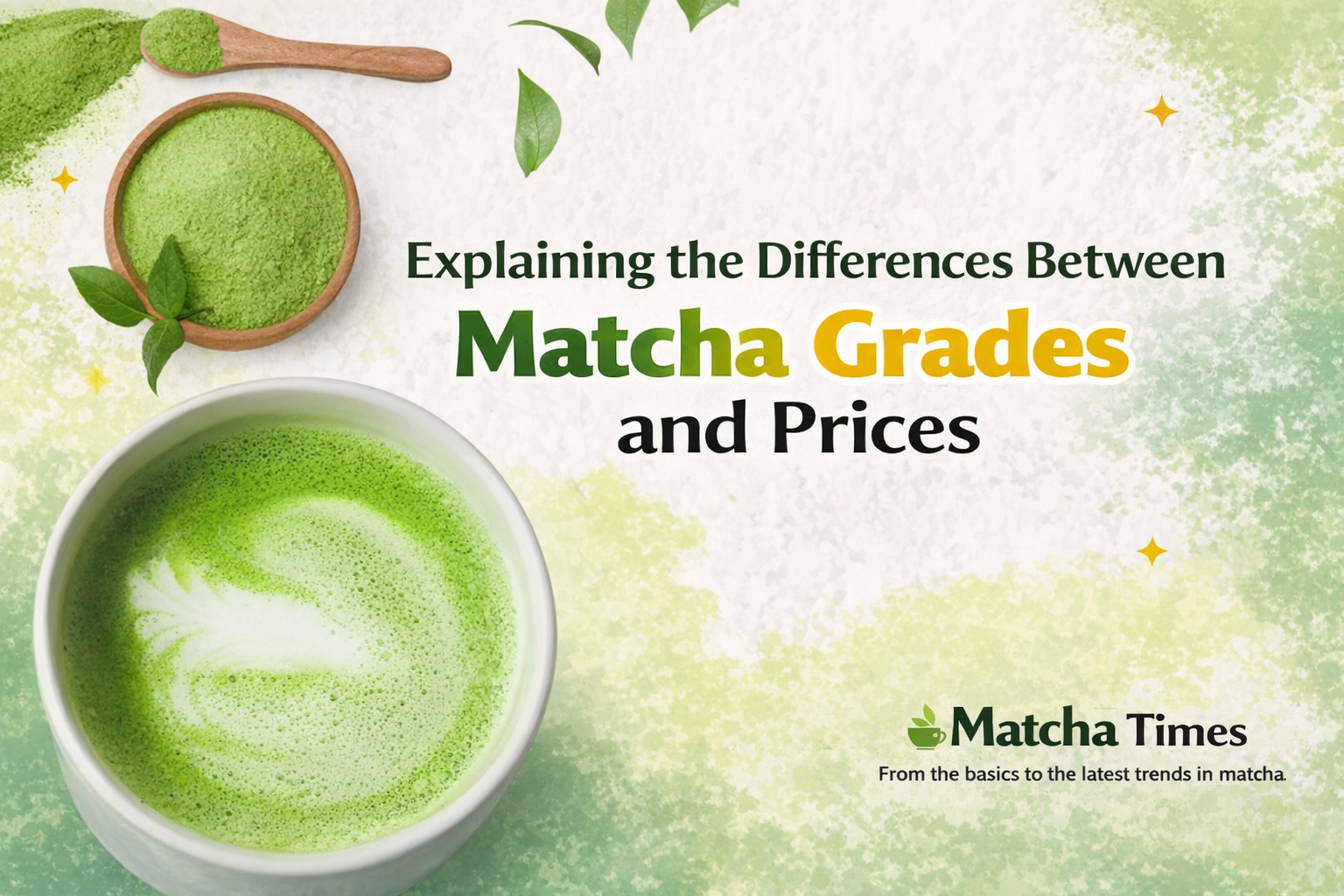
When selecting matcha, have you ever felt confused by price differences? Many wonder, “Why is this so expensive?” or “Which should I choose?” This article clearly explains matcha grade and price differences, carefully introducing optimal selection methods according to intended use.
This article reveals:
- Why matcha pricing varies and production process differences
- Grade-specific characteristics and identification methods
- Recommended grades by purpose (tea ceremony, lattes, daily use)
- Beginner-friendly selection tips and price range guidelines
\For Companies Seeking Matcha Powder/
We source matcha from Japan’s premier production regions including Kyoto Uji, Kagoshima, Fukuoka, and Shizuoka, offering comprehensive grade ranges from organic JAS-certified ceremonial grade to processing-grade matcha.
Common Challenges:
- “We have projects but cannot secure stable matcha supply…”
- “We want to incorporate matcha into new café menu items!”
If you face these concerns, consult with Matcha Times. Feel free to contact us for initial inquiries.
Why Do Matcha Prices Vary So Dramatically?
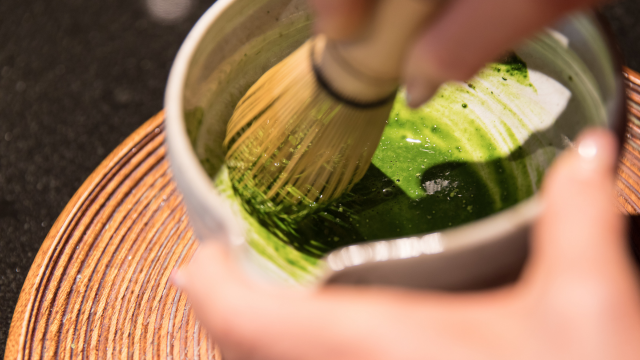
Matcha prices range from several hundred yen to several thousand yen per 100g. This stems not merely from brand or distribution differences but primarily from production process differences = quality differences.
Matcha quality is significantly influenced by “covering methods,” “harvesting methods,” and “grinding methods.”
Covering Method Differences
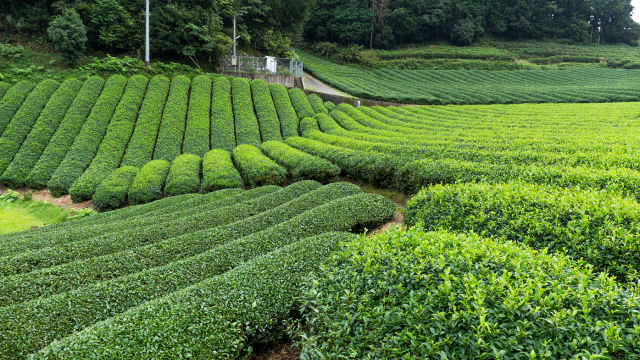
Tencha (matcha raw material) is cultivated through “covered cultivation,” growing new buds shielded from sunlight for a certain period. This method retains abundant L-theanine (sweetness and umami component), improving aroma and color.
- Tana-gake coverage: Method building supports and shelves covered with shade cloth. Shading rate: 95-98%. High quality, higher cost.
- Jika-gake coverage: Simplified method placing shade cloth directly on tea plants. Shading rate: approximately 85%. Suitable for mass production with controlled costs, though quality tends to be inferior to tana-gake.
Harvesting Method Differences
- Hand-picking: Method carefully picking only new buds by hand. Quality is very high, but harvest quantity is limited to 1-3kg per hour. Natural-form tea gardens enable stronger fertilization and shading, allowing superior tea leaf cultivation.
- Machine harvesting: Harvesting from pruned tea bushes using clipper-like machines. While old leaves and stems may mix in, production efficiency is very high, suitable for mass production.
Grinding Method Differences
- Stone mill grinding: Traditional method excelling in aroma and mouthfeel. Can grind approximately 30-50g per hour, with minimal quality degradation from heat.
- Grinding machines (mills): Enable mass production with controlled costs. However, heat application may reduce flavor, requiring appropriate selection by purpose.
Standards for Identifying Matcha Grades
While matcha lacks official grading systems, general grade classifications exist based on tea leaf cultivation and processing.
※”First harvest” refers to new buds picked first each year, considered highest quality.
Selecting Matcha Grade by Purpose
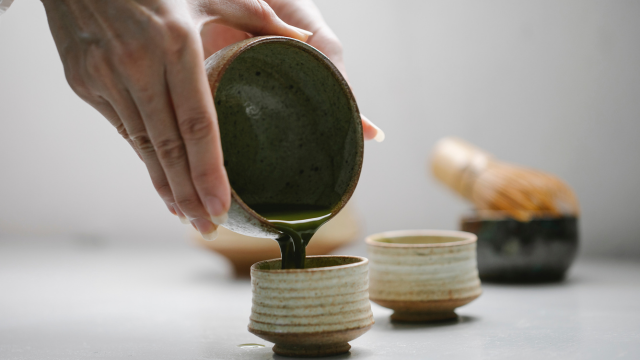
For Tea Ceremony Use
- Koicha (thick tea): Grade A matcha from true-covering cultivation, hand-picked, stone-ground is optimal.
- Usucha (thin tea): Grades B-C sufficiently enjoyable. Aroma and umami balance proves important.
For Matcha Lattes and Sweets
- When seeking bitterness and astringency: Grade D is suitable. Matcha flavor stands out in lattes and confectionery.
- Premium matcha use not recommended: Mellow, delicate flavors easily overwhelmed by milk and sugar, cost-inefficient.
Recommended Price Range for Beginners
- Approximately ¥1,000-1,500 for 30g serves as a guideline.
- This price range centers on stone-ground first harvest, offering balanced usability for drinking and processing.
- Comparing varieties helps find personally preferred flavors.
Further Differences by Variety, Origin, and Production Background
Flavor Differences by Variety
Tea leaf varieties used for matcha create individuality in flavor and aroma. Particularly superior varieties like “Okumidori,” “Asahi,” and “Samidori” excel in umami, aroma, and color. Currently, most matcha blends multiple varieties, achieving balanced taste.
Origin Characteristics and Misconceptions
While Kyoto Uji and Aichi Nishio are famous production areas, origin ≠ quality guarantee. Particularly Uji matcha, though a renowned brand, varies greatly in quality depending on grade and processing methods. Kyoto Prefecture origin alone doesn’t guarantee high quality; therefore, judging by actual content = tea leaf conditions proves appropriate.
Blending Technique Differences by Manufacturer
Matcha quality depends not only on “raw materials themselves” but also on “manufacturing techniques and blending expertise.” Even at identical price points, used materials and production processes can create significant taste and aroma differences. Some manufacturers control operating and advertising costs, allocating more budget to superior raw materials; therefore, selecting trustworthy tea shops constitutes an important judgment criterion.
Drawing Lines Between Drinking and Processing Matcha
No clear official standards exist distinguishing “drinking matcha” from “processing matcha”; each manufacturer classifies using proprietary criteria. Products judged unsuitable for drinking due to strong bitterness or astringency tend to be designated for processing, though matcha sold as processing-grade by one company may be offered as drinking-grade by another.
Furthermore, products like “coloring processing matcha” with performance adjusted for food applications, “paste-form matcha with enhanced stirring properties,” and “matcha with added oils preventing discoloration” exist, though these differ from pure matcha and may contain additives.
Matcha Grade Differences Visible in Taste, Color, and Aroma
| Comparison Item | Premium Matcha | Processing / Low-Price Matcha |
|---|---|---|
| Taste | Strong sweetness and rich umami, very low bitterness | Strong bitterness and astringency, limited umami |
| Color | Vivid, deep green | Yellow-green to slightly dull green |
| Aroma | Rich ooika (sweet, shaded-tea aroma) | Weaker aroma, little to no ooika |
※Because matcha is vulnerable to light, moisture, and oxidation, store opened packages sealed in cool, dark places; when refrigerating, return to room temperature before opening to prevent condensation. Guidelines recommend consumption within 6 months unopened, 1-2 months after opening.
Discover Global Matcha Trends with Matcha Times

For those wanting to explore the frontlines of matcha business expanding overseas more deeply. “Matcha Times” delivers the “now” of the matcha boom occurring worldwide—centered on America, Europe, and Asia—based on primary information.
- Market data analysis by country (market size, growth rates, consumption trends)
- Success stories from local brands and cafés
- Original interviews with producers, tea masters, and buyers
- Latest sustainability, export, and regulatory information surrounding matcha
Beyond mere news, we develop analysis delving into “stories behind numbers” and “voices of people moving culture.” We explore from on-the-ground perspectives how Japanese matcha is evaluated globally and how it’s evolving.
A specialized media for business professionals, producers, café owners, brand managers—“those seriously wanting to understand matcha markets.”
Understanding how global matcha moves represents the first step toward seizing next business opportunities. Let’s expand your matcha story together from here.
Summary
Matcha pricing and grade differences are determined by accumulated effort and quality in cultivation methods, harvesting methods, and processing techniques.
Selecting grades appropriate for respective purposes—koicha, usucha, sweets, lattes—proves key to maximizing deliciousness.
Beginners should start with mid-price range matcha, enjoying the pleasure of finding personally suitable matcha through comparison and varied applications.
Related analysis
For related analysis, see:
→ Kagoshima Matcha Wholesale: Supply, Color, Pricing & B2B Applications