The History of Matcha: A Millennium of Japanese Tea Culture Heritage
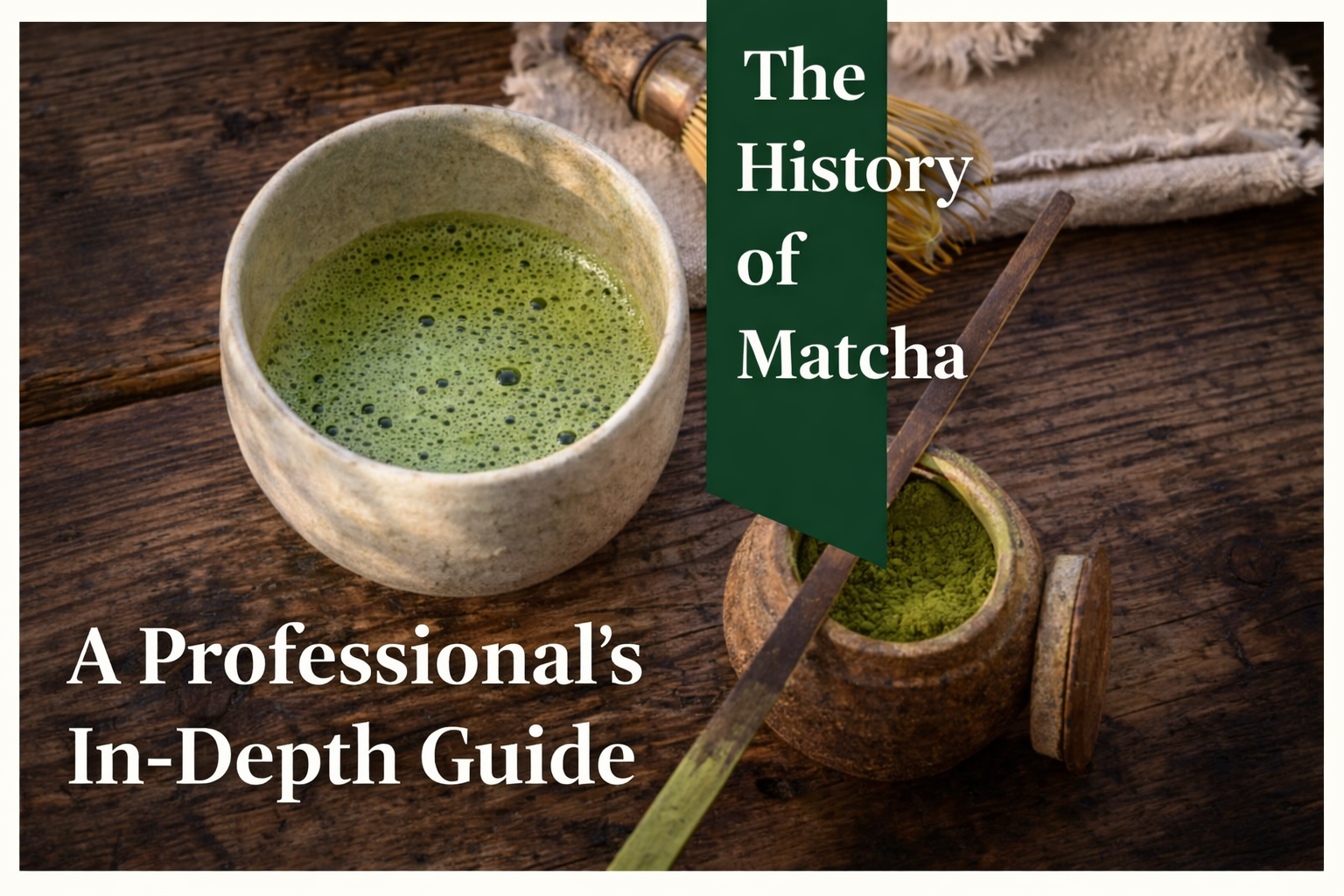
\For Companies Seeking Matcha Powder/
We source matcha from Japan’s premier production regions including Kyoto Uji, Kagoshima, Fukuoka, and Shizuoka, offering comprehensive grade ranges from organic JAS-certified ceremonial grade to processing-grade matcha.
Common Challenges:
- “We have projects but cannot secure stable matcha supply…”
- “We want to incorporate matcha into new café menu items!”
If you face these concerns, consult with Matcha Times. Feel free to contact us for initial inquiries.
The Origins of Green Tea Culture and Matcha’s Source
Tracing matcha’s roots leads back to ancient China. Though commonly perceived as Japanese in origin, matcha culture originally emerged during China’s Tang and Song dynasties, arriving in Japan during the early Heian period.
Tea Origins Extend to China’s Shennong Era
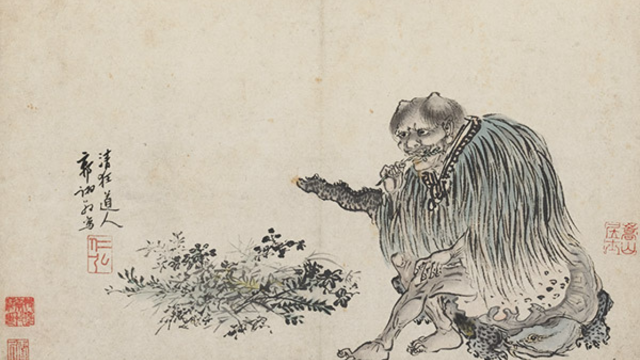
Image source: Shen Yun Performing Arts
Chinese records from approximately 2700 BCE document legendary Emperor Shennong using tea medicinally. Tea established itself as a luxury beverage around 59 BCE. Japan’s first tea introduction occurred in the 9th century, brought by Saichō and Kūkai.
Priest Eisai’s Foundation of “Matcha Methods”
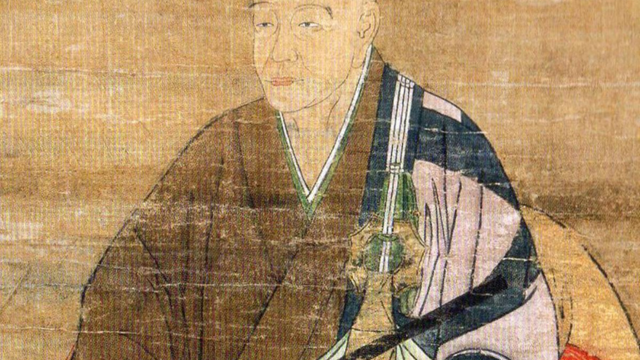
Image source: BUSHOO! JAPAN (https://bushoojapan.com/jphistory/temple/2023/04/19/98232)
During early Kamakura period, Rinzai Zen sect founder Eisai brought tea seeds from Song China, authoring Kissa Yōjōki (Drinking Tea for Health). This document recorded matcha’s benefits and production methods, becoming the foundation of Japanese tea-drinking culture.
The Rise of Uji Tea and Establishment of Tea-Drinking Culture
Matcha’s establishment as rooted Japanese culture involved numerous turning points. Kyoto’s Uji region deserves particular mention.
Kyoto Uji’s Development into Renowned Production Area

Priest Myōe inherited matcha culture from Eisai, initiating cultivation in Toganoo and Uji. During Muromachi period, Uji tea’s reputation flourished under Ashikaga Yoshimitsu’s patronage, spreading nationwide.
Tea-Drinking Customs Popularized Among Warriors
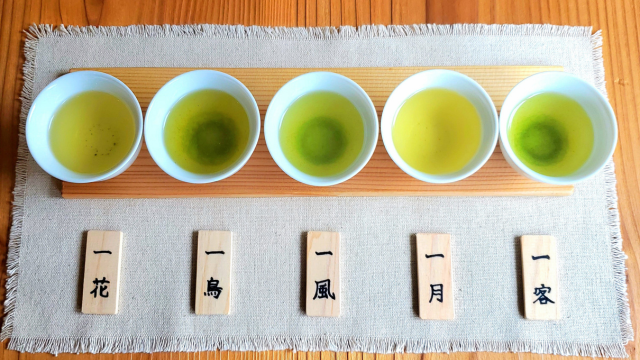
Image source: Chachabiyori (https://chachabiyori0913.com/info/6063467)
Throughout Muromachi and Sengoku periods, warriors popularized tea games like “tōcha” (tea competitions) and “kiki-cha” (tea tasting). Tea established status as tools for education and social interaction.
Sen no Rikyū and Tea Ceremony Establishment Bringing Cultural Elevation
Matcha culture’s elevation to art form owes greatly to Sen no Rikyū’s achievements during Azuchi-Momoyama period.
Completion of Wabi-Cha and Development as Spiritual Culture
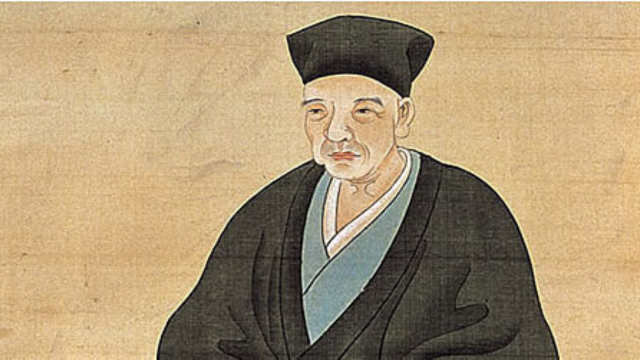
Image source: Sakai City (https://www.city.sakai.lg.jp/kanko/sakai/keisho/senjintachi/sennorikyu.html)
Sen no Rikyū, departing from lavish tea gatherings, established “wabi-cha”—enjoying tea in simple, serene spaces. Subsequently, matcha became a spiritual cultivation symbol, continuing through numerous tea ceremony schools today.
Technological Innovation Bringing Modern Matcha Culture
From Edo through Showa periods, matcha production underwent major transformations, deeply rooting itself in common people’s lives.
Nagatani Sōen’s Innovation: “Uji Production Method”
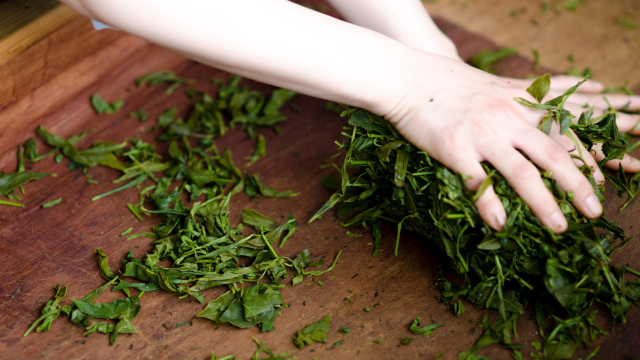
Image source: Yamamasa Koyamaen (https://www.yamamasa-koyamaen.co.jp/enjoy/2019/post-12/)
During mid-Edo period, Uji tea merchant Nagatani Sōen perfected the “Uji method”—steaming, rolling, and drying tea leaves. This technique created vibrant green tea, establishing matcha as premium tea.
Kyūsu Teapots and Mechanization Bringing Home Tea Culture
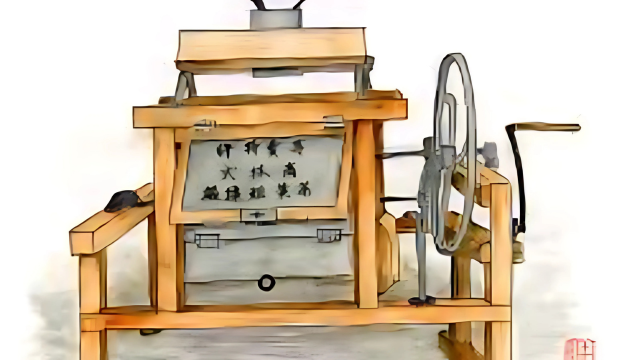
Image source: JATAFF (https://www.jataff.or.jp/senjin3/24.html)
Taishō through Showa periods saw tea production machinery introduction, enabling mass production. Convenient kyūsu teapot preparation allowed general households to enjoy matcha and sencha daily.
Matcha Boom Spreading Globally and Diverse Enjoyment Methods
Entering the 21st century, matcha attracts global market attention, entering new phases as Japanese culture representation.
Post-2010 MATCHA Boom
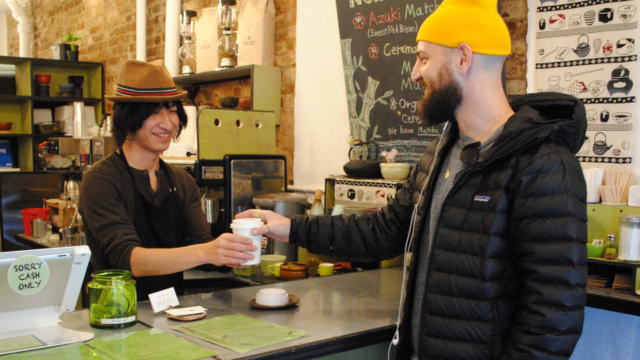
Image source: Mainichi Shimbun (https://www.jataff.or.jp/senjin3/24.html)
From around 2010, “MATCHA” hit health-conscious demographics, centered in North America and Europe. Starbucks matcha lattes and matcha sweets popularity symbolize this phenomenon.
New Forms of Matcha
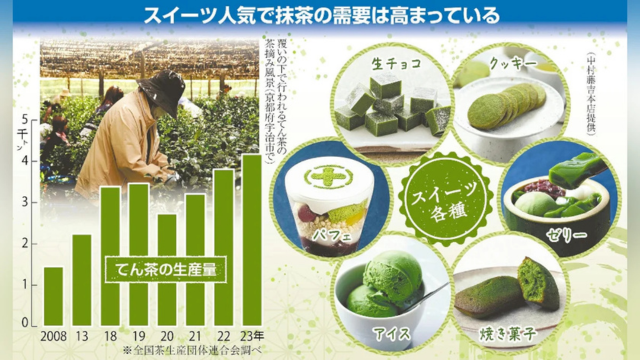
Image source: Yomiuri Shimbun Online (https://www.yomiuri.co.jp/national/20250414-OYT1T50146/#google_vignette)
Matcha now extends beyond beverages to:
- Sweets (matcha ice cream, cakes, cookies)
- Cuisine (matcha salt, tempura coating)
- Beauty and health products (matcha supplements, matcha cosmetics)
Diversely developed, its value is recognized worldwide.
Discover Global Matcha Trends with Matcha Times

For those wanting to explore the frontlines of matcha business expanding overseas more deeply, “Matcha Times” delivers the “now” of the matcha boom occurring worldwide—centered on America, Europe, and Asia—based on primary information.
- Market data analysis by country (market size, growth rates, consumption trends)
- Success stories from local brands and cafés
- Original interviews with producers, tea masters, and buyers
- Latest sustainability, export, and regulatory information surrounding matcha
Beyond mere news, we develop analysis delving into “stories behind numbers” and “voices of people moving culture.” We explore from on-the-ground perspectives how Japanese matcha is evaluated globally and how it’s evolving.
A specialized media for business professionals, producers, café owners, brand managers—“those seriously wanting to understand matcha markets.”
Understanding how global matcha moves represents the first step toward seizing next business opportunities. Let’s expand your matcha story together from here.
Summary | Understanding Millennium History Makes Matcha More Delicious
Matcha evolved from Heian period medicinal tea through Muromachi warrior refinement and wabi-cha culture to become globally beloved Japanese traditional food culture and national pride.
One cup of matcha contains a thousand-year story of technique, spirit, and innovation.
Related analysis
For related analysis, see:
→ Turkey’s Matcha Awakening: How Green Tea Is Complementing Çay Culture
→ Dubai’s Matcha Revolution: Luxury, Wellness, and Japanese Culture
→ [2026 Latest Edition] What Is Urasenke? Complete Guide to History, International