Professional Guide to Matcha Grades: Understanding Quality Ranks and Selection Mastery

Have you felt confused seeing “matcha” products at supermarkets or online stores, with varying prices and names? Actually, matcha possesses grades with significantly different quality, flavor, and applications depending on raw materials and production processes.
This article comprehensively explains matcha grade fundamentals through selection points and recommended ranks by purpose—koicha, usucha, lattes—in beginner-friendly terms.
To encounter a truly delicious cup, let’s master matcha selection techniques.
\For Companies Seeking Matcha Powder/
We source matcha from Japan’s premier production regions including Kyoto Uji, Kagoshima, Fukuoka, and Shizuoka, offering comprehensive grade ranges from organic JAS-certified ceremonial grade to processing-grade matcha.
Common Challenges:
- “We have projects but cannot secure stable matcha supply…”
- “We want to incorporate matcha into new café menu items!”
If you face these concerns, consult with Matcha Times. Feel free to contact us for initial inquiries.
Relationship Between Rank and Taste Characteristics
Matcha Color and Flavor
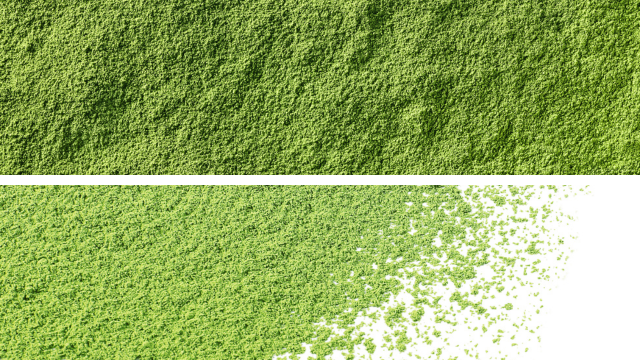
Distinguishing matcha grades requires understanding color, taste, and aroma differences.
- Premium matcha: Vibrant deep green, rich sweetness and umami, minimal bitterness
- Lower-price matcha: Dull green to yellow-green, strong astringency and bitterness with crisp flavor profile
This stems from raw material cultivation methods, harvesting techniques, and grinding processes. Particularly matcha using “tana-gake coverage,” “hand-picking,” and “stone-grinding” requires time and effort, delivering exceptionally rich taste and color.
Selecting Matcha According to Purpose
Choosing Matcha for Tea Ceremony
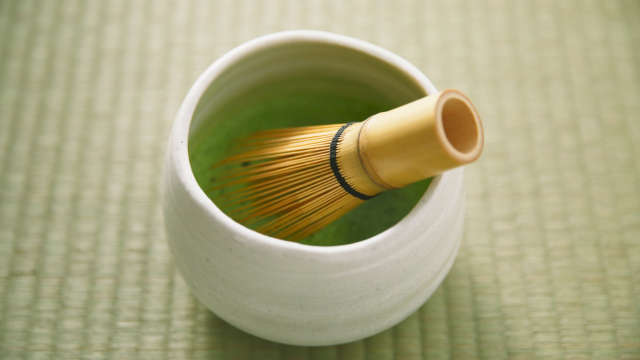
Tea ceremony favors high-quality matcha with harmonized aroma and umami. Particularly for koicha, premium-grade matcha using stone-ground, hand-picked first harvest is standard. Price guideline: ¥2,000+ for 30g.
Differences Between Koicha and Usucha
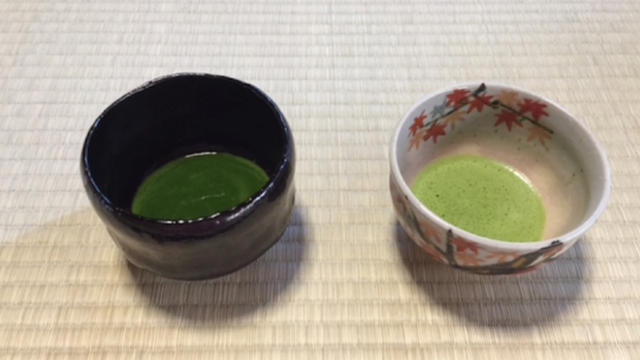
Image source: Tea Ceremony Experience Koto (https://jpn.teaceremony-kyoto.com/2015/12/406#google_vignette)
- Koicha (thick tea): Low water content, thick consistency. Strong sweetness and richness; premium grades recommended.
- Usucha (thin tea): Easy to whisk, smooth mouthfeel. Mid to upper grades suitable.
Recommended Matcha Rank for Beginners
First-time drinkers benefit from “approximately ¥1,000-1,500 for 30g” matcha offering good balance. This price range enables enjoying matcha’s inherent umami and aroma while representing safe choices.
Which Grade for Matcha Lattes?
Matcha lattes and sweets suit mid to lower grades with intentional bitterness. When combined with milk and sugar, matcha flavor stands out more readily.
Quality and Price Balance
Grades Determined by Production Processes
Matcha quality significantly divides across these processes:
| Process | Premium Grade | Standard Grade |
|---|---|---|
| Shading Method | Shelf-style shading (tana shading) | Direct covering |
| Harvesting Method | Hand-picked | Machine-harvested |
| Grinding Method | Stone-milled | Mechanical grinder |
These combinations create price differences even within “matcha” categories. Particularly “hand-picked × tana-gake × stone-ground” matcha represents supreme grades prioritizing taste and quality over production efficiency.
Distinguishing Premium from Standard Products
- Premium matcha: Koicha, gift items, special tea gatherings
- Mid-grade matcha: Usucha, home use, daily tea
- Processing matcha: Lattes, confectionery, ice cream, etc.
Selecting optimal grades for each purpose enables balancing cost performance and satisfaction.
Matcha Selected for Religious Ceremonies and Special Occasions
“Daifuku-cha” Consumed for New Year Celebrations
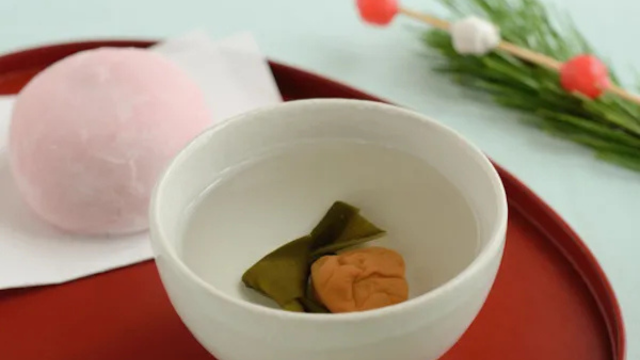
Image source: HALMEK (https://halmek.co.jp/favorite/c/hobby/5777)
Daifuku-cha, auspicious matcha consumed at New Year’s centered in Kyoto, employs fragrant, mellow premium products. It also represents special matcha connected with tea ceremony culture.
What Matcha Is Used at Ise Grand Shrine’s “Kagura Festival”?
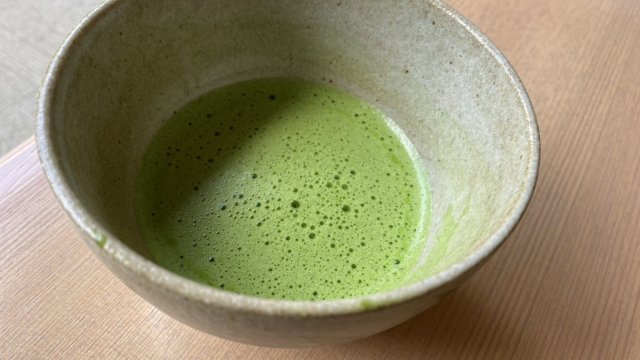
Image source: Marukyu Koyamaen (https://www.marukyu-koyamaen.co.jp/information/post-35856/)
Ise Grand Shrine’s spring and autumn Kagura festivals offer prestigious matcha expressing gratitude to ancestors and nature’s blessings. Such ceremonial matcha requires supreme quality, using specially selected brands.
Discover Global Matcha Trends with Matcha Times

For those wanting to explore the frontlines of matcha business expanding overseas more deeply, “Matcha Times” delivers the “now” of the matcha boom occurring worldwide—centered on America, Europe, and Asia—based on primary information.
- Market data analysis by country (market size, growth rates, consumption trends)
- Success stories from local brands and cafés
- Original interviews with producers, tea masters, and buyers
- Latest sustainability, export, and regulatory information surrounding matcha
Beyond mere news, we develop analysis delving into “stories behind numbers” and “voices of people moving culture.” We explore from on-the-ground perspectives how Japanese matcha is evaluated globally and how it’s evolving.
A specialized media for business professionals, producers, café owners, brand managers—“those seriously wanting to understand matcha markets.”
Understanding how global matcha moves represents the first step toward seizing next business opportunities. Let’s expand your matcha story together from here.
Summary | Understanding Matcha Grades to Find Your Perfect Cup
Matcha price and quality differences are determined by production processes, raw materials, and applications. Expensive matcha isn’t necessarily best; selecting grades appropriate for intended purposes proves essential.
- Premium grades for tea ceremony use
- Mid to lower grades with bitterness for matcha lattes and sweets
- Beginners recommended to start with mid-price range
Choosing matcha matching personal preferences and usage expands enjoyable matcha life.