[2026 Latest Edition] What Is Urasenke? Complete Guide to History, International Activities, and Educational Outreach

\For Companies Seeking Matcha Powder/

We source matcha from Japan’s premier production regions including Kyoto Uji, Kagoshima, Fukuoka, and Shizuoka, offering comprehensive grade ranges from organic JAS-certified ceremonial grade to processing-grade matcha.
Common Challenges:
- “We have projects but cannot secure stable matcha supply…”
- “We want to incorporate matcha into new café menu items!”
If you face these concerns, consult with Matcha Times. Feel free to contact us for initial inquiries.
Origins and History of Urasenke | Tea Ceremony Lineage Beginning with Sen no Rikyū
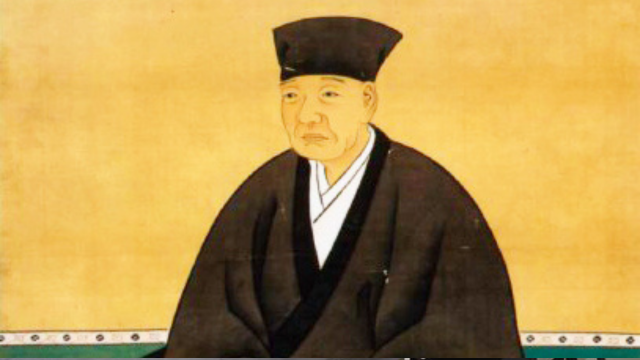
Image source: Kobijutsu Masuken (https://masuken.jp/column/chadougu/)
Sen no Rikyū and Establishment of Wabi-cha
Sen no Rikyū (1522-1591) was a tea master active from late Muromachi through Azuchi-Momoyama periods, known as the great perfector of Japanese tea ceremony. He distinguished himself from previous ornate tea gatherings centered on Chinese imports, establishing “wabi-cha”—emphasizing simplicity and spirituality. Through this, tea ceremony evolved from warrior and aristocratic refinement into spiritual culture shared by commoners and religious practitioners.
Genpaku Sōtan and Division of San-Senke (Three Sen Houses)
Sen Sōtan (Genpaku Sōtan), Sen no Rikyū’s grandson, built the Sen family foundation. He passed the main house to his third son, Kōshin Sōsa, while establishing a retirement residence to the north. This building later became “Konnichian.”
Urasenke’s Beginning and “Konnichian” Origins
The Urasenke name derives from Sōtan’s retirement residence positioning behind (ura) Omotesenke. “Konnichian” as a hermitage name originates from the Zen phrase “懈怠比丘不期明日” (ketai no biku myōnichi wo kisezu), embodying the spirit “treasure today’s encounters.” This represents tea ceremony’s ichigo ichie (once-in-a-lifetime encounter) philosophy, continuing as Urasenke’s core ideology today.
Successive Iemoto Lineage and Achievements
Urasenke iemoto have inherited the name “Sōshitsu” through 16 generations to present. Successive iemoto evolved tea ceremony forms according to each era’s social context. For example, late Edo period 11th iemoto Gengensai conceived “ryūrei-shiki” (table-and-chair style), adapting to modern lifestyles. The 13th iemoto Ennōsai introduced “kakufuku-date” (individual servings) avoiding koicha sharing, addressing hygienic concerns.
Urasenke Headquarters | Kyoto’s Konnichian and Tea Room Culture
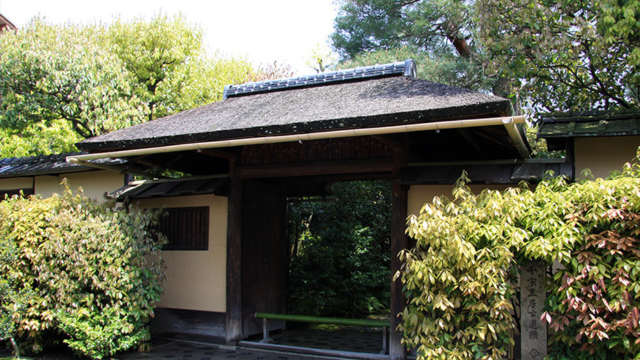
Image source: Kyoto Tourism Information Marutake Ebisu (https://www.marutake-ebisu.com/stone-monument/konnichian.html)
Overview of Konnichian in Kyoto’s Kamigyo Ward
Urasenke headquarters is located in Kyoto’s Kamigyo Ward, Ogawa-dori Teranochi-sagaru. This grounds contains tea rooms used by successive iemoto, training facilities, and the tea ceremony museum, where visitors can touch tea ceremony’s essence within tranquility. Konnichian transcends mere building status, holding significance as spiritual cultivation space—a symbol of Japanese culture itself.
Naming and Meaning of “Konnichian” Tea Room
“Konnichian” derives from Sen Sōtan’s words to Daitokuji priest Seigan Sōi, embodying the thought “treasure today.” This proves synonymous with “ichigo ichie,” symbolizing Urasenke’s teaching of valuing human encounters through tea ceremony.
Embodying Sukiya Architecture and Spiritual Culture
Urasenke’s tea room complex, including Konnichian, comprises sukiya-zukuri architectural style—the pinnacle of Japanese architecture. Natural materials like bamboo, earthen walls, and cedar planks are employed, avoiding excessive decoration while creating tranquility and spiritual spaciousness. These structures spatially embody wabi-cha spirit itself.
Urasenke’s International Activities and Cultural Diplomacy Expansion

Image source: MELETY (https://melety.com/archives/21172)
Tea Ceremony Network Spanning 30+ Global Cities
Through the Urasenke International Affairs Department, Urasenke actively disseminates culture worldwide. As of 2025, branches exist in approximately 30 cities including New York, Los Angeles, Paris, Taipei, Bangkok, developing activities partnering with local educational institutions and cultural facilities.
Major Initiatives
- Tea ceremony lectures at overseas universities and cooperation with Japanese cultural events
- Tea room donation projects (examples: international conference facilities, university campuses)
- Tea ceremony presentations at UN headquarters and embassies
Additionally, Western regions reevaluate tea ceremony’s “mindfulness” value, with “tranquility, etiquette, and mental centering” attracting attention among business and educational sectors.
Urasenke’s Educational Activities and School Tea Ceremony Promotion | Cultural Inheritance to Next Generations
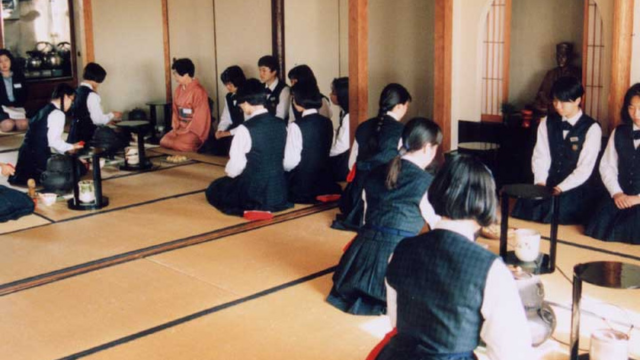
Image source: Urasenke (https://www.urasenke.or.jp/textc/gakucha/)
Tea Ceremony Promotion Through School Partnerships
To transmit tea ceremony to Japan’s next generation, Urasenke actively partners with educational institutions—elementary, middle, high schools, and universities—emphasizing “school tea ceremony” promotion. Currently, over 1 million children and students nationwide annually encounter tea ceremony, earning high evaluation as educational programming fostering etiquette manners and Japanese cultural understanding.
Educational Tea Ceremony Beginning in Girls’ Schools
This activity’s origins lie in Meiji-era 12th iemoto Jikisō Sōshitsu’s pioneering tea ceremony instruction at girls’ schools. Through this initiative, tea ceremony permeated society as women’s education and refinement, becoming introduced to numerous educational settings.
Tankokai’s Support System Spreading Nationwide
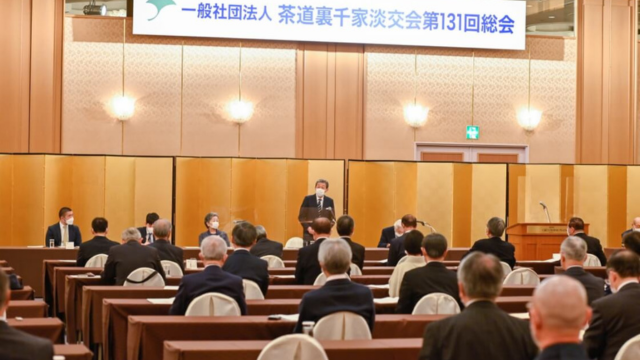
Image source: Urasenke (https://www.urasenke.or.jp/textc/tan/)
Supporting these promotion activities is “Tankokai,” a public interest incorporated association with 165 branches nationwide. Tankokai plays important roles expanding tea ceremony culture’s base through tea gatherings, workshops, and social service activities regionally.
Urasenke’s Temae and Etiquette Characteristics | Ryūrei-shiki and Flexible Procedures
Flexibility Through Diverse Temae Styles
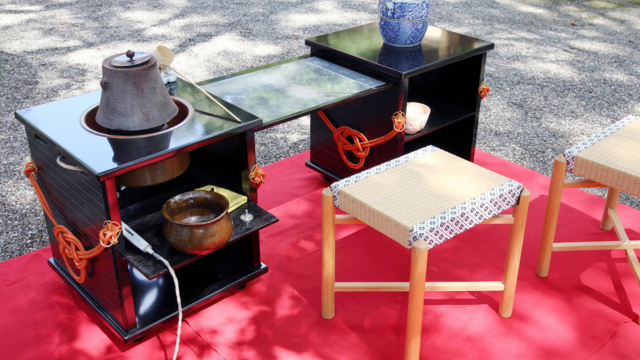
Image source: KABUKI-SHOW (https://kabuki-show.com/archives/82)
Urasenke temae (procedures) possess flexible and practical characteristics compared to Omotesenke and others. Representative temae formats include “chabako-date” (tea box preparation), “bon-ryaku-temae” (simplified tray preparation), and “ryūrei-shiki” (table-and-chair style). Particularly ryūrei-shiki attracts attention as etiquette adaptable to modern society, being implementable in Western-style spaces using chairs and tables.
Guest Hospitality Procedures and Foaming Aesthetics
Temae procedures themselves also feature distinctiveness. For example, when whisking usucha (thin tea), thorough foaming draws out mellow flavor, considered important procedure embodying “hospitality spirit” toward guests.
Urasenke’s Permission Certificate System and Qualification Structure | Step-by-Step Tea Ceremony Curriculum
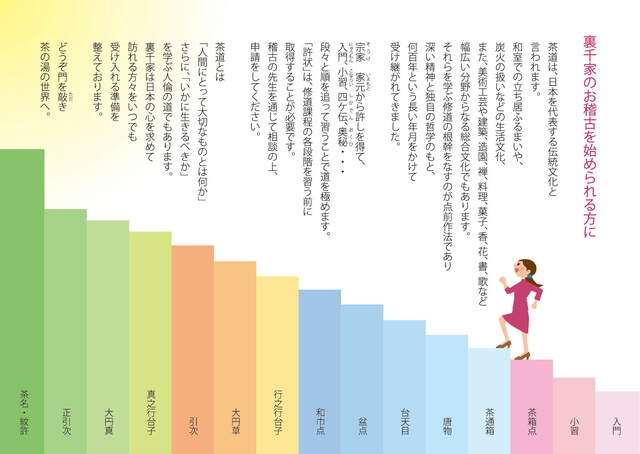
Image source: Urasenke (https://www.urasenke.or.jp/home/textb/shiru/culic/)
Permission Certificate Mechanism and Acquisition Process
Urasenke establishes “kyojō” (permission certificate) system—step-by-step certification according to tea ceremony learning progress. Beginning from introductory level, sequentially mastering curricula including shōshū, chabako-date, chatsūbako, karamono, and daidenmoku enables deepening technique and spirituality.
Social Recognition as Tea Ceremony Qualification
This system establishes qualification categories—beginner, intermediate, advanced, instructor, associate professor—featuring clarified completion stages. This enables learners to progress continuously while feeling achievement, also obtaining social recognition as “tea ceremony qualifications” recordable on résumés.
Note that permission certificate application fees vary by instructing teacher and region, requiring confirmation upon enrollment.
Urasenke’s Contemporary Initiatives | Fusion of Digital and SDGs

Tea Ceremony Evolution Utilizing Digital Technology
Urasenke serves simultaneously as traditional culture inheritor and innovator continuously seeking connections with modern society. Actively developing digital technology fusion including YouTube temae video distribution, online course implementation, and VR technology-utilizing tea room experience content provision.
Furthermore, English content creation and overseas tea ceremony explanatory materials are prepared, emphasizing international dissemination power strengthening. Attracting interest from young overseas demographics, tea ceremony begins recognition as “global spiritual culture transcending Japanese culture.”
Connecting “Wa-Kei-Sei-Jaku” with SDGs
16th iemoto Sen Sōshitsu reinterprets “wa-kei-sei-jaku” principles from SDGs (Sustainable Development Goals) perspectives, advocating tea ceremony as embodying values including natural harmony, spiritual well-being, and coexistence with diversity. Urasenke’s contemporary initiatives extend beyond mere tradition reproduction, establishing presence as “culture necessary for future society.”
For Those Wanting to Touch Matcha’s Profound World More Deeply

Matcha specialty media “Matcha Times” continuously publishes matcha selection guidance, latest café information, interview articles, and more!
Summary | Urasenke Transmitting “Tradition Living in Modern Times”
Urasenke has evolved tea ceremony forms according to each era’s social context and cultural needs while inheriting Sen no Rikyū’s spirit. The serene spatial beauty symbolized by Konnichian and “ichigo ichie” philosophy continue holding significant meaning as spiritual refuge for contemporary people, transcending mere traditional performing arts.
Additionally, Urasenke actively addresses contemporary challenges including education, international exchange, and digital technology. Through school tea ceremony promotion, tea ceremony presentations worldwide, and dissemination methods like YouTube and VR tea rooms, it transmits traditional culture’s universal values domestically and internationally.
Furthermore, student organizations like “Urasenke Tea Ceremony Research Associations” centered on university students spread nationwide, with next generations establishing environments for proactive learning and dissemination. They grow as cultural inheritance practitioners while partnering with Tankokai youth divisions and regional instructors.
Urasenke continues translating “wa-kei-sei-jaku” principles contemporarily. Its stance of preserving tradition while responding to change offers hints for how we should inherit culture toward the future. Truly symbolizing “tea ceremony living in modern times.”