[2026 Latest Edition] What Is Omotesenke? Complete Portrait of the Iemoto Inheriting Tea Ceremony Tradition
Omotesenke, as one of the San-Senke (Three Sen Houses) tracing ancestry to Sen no Rikyū, has inherited tea ceremony tradition and spirit for centuries as an iemoto school. This article comprehensively explains Omotesenke from history through philosophy, etiquette, to current activities. Delivered in substantial structure for those interested in tea ceremony and wishing to deeply understand Japanese culture.
\For Companies Seeking Matcha Powder/

We source matcha from Japan’s premier production regions including Kyoto Uji, Kagoshima, Fukuoka, and Shizuoka, offering comprehensive grade ranges from organic JAS-certified ceremonial grade to processing-grade matcha.
Common Challenges:
- “We have projects but cannot secure stable matcha supply…”
- “We want to incorporate matcha into new café menu items!”
If you face these concerns, consult with Matcha Times. Feel free to contact us for initial inquiries.
Omotesenke’s Origins and Historical Background
From Sen no Rikyū to San-Senke Division
Sen no Rikyū (1522-1591) is the most important figure in Japanese tea ceremony history, perfecting tea ceremony as “wabi-cha.” After Rikyū’s death, inheritance passed to legitimate son Sen Shōan, then to Sōtan. Sōtan’s three sons each established the San-Senke, birthing Omotesenke, Urasenke, and Mushakōjisenke.
Omotesenke represents the “Fushin’an” lineage inherited by Sōtan’s eldest son Kōshin Sōsa, also called the Senke main lineage.
Source: Omotesenke Official Site – About Fushin’an
Omotesenke’s Philosophy and Principles | Heart Penetrating “Wabi”
“Wabi-Sabi” Aesthetics and Spirituality
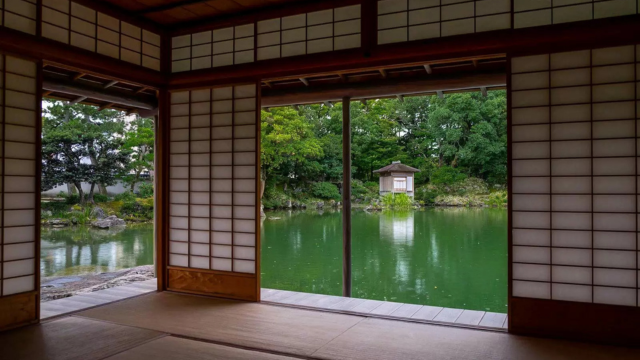
What Omotesenke values most is “wabi” spirit. This philosophy discovers beauty in simple, serene spaces and procedures, eliminating ornamentation—directly connecting to Sen no Rikyū’s ideology. Symbolized, for example, by avoiding excessive tool decoration and treasuring natural material textures.
Learning Culture Emphasizing Master-Disciple Relationships
Omotesenke heavily emphasizes the “iemoto system”—inheriting teachings directly connected to the iemoto. Disciples deepen learning over years, even decades. Through these master-disciple relationships, not merely tea ceremony forms but spirituality itself is transmitted.
Source: Kumakura Isao, Tea Ceremony: Omotesenke’s History and Culture (Tankosha, 2009)
Omotesenke’s Temae and Etiquette | How Does It Differ from Other Schools?
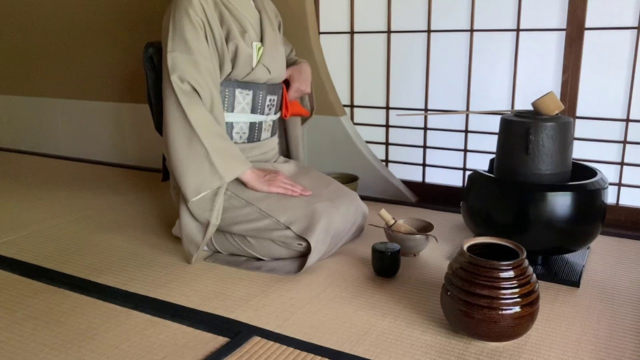
Procedures Emphasizing Formality
Omotesenke temae (procedures) are said to be more formal and rigorous compared to Urasenke. For example, clear rules exist regarding angles and timing in tea bowl handling and fukusa (silk cloth) manipulation.
Distinctive Tools Used
Tools used in temae also preserve traditional “shin-gyō-sō” (formal-semi-formal-informal) classifications in Omotesenke, changing tools according to compositions honoring main guests (shōkyaku). Furthermore, tools crafted by Sōsa himself are transmitted as iemoto utensils, their utilization constituting significant appeal.
Source: Tea Ceremony Cultural Certification Official Text, Tankosha, 2022
Omotesenke’s Representative Tea Rooms and Architectural Beauty
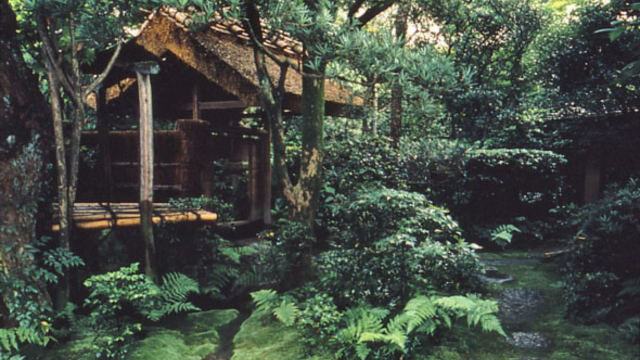
Fushin’an
The tea room symbolizing Omotesenke is Fushin’an in Kyoto’s Kamigyo Ward. This hermitage where Sōtan spent his later years has been continuously inherited by successive Omotesenke iemoto. The tea room transmits architectural styles from Sen no Rikyū’s era—including “nijiri-guchi” (crawl-through entrance), “ro” (sunken hearth), and sliding doors—existing as culturally significant heritage.
Jimyōsai and New Architecture
Recently, 14th iemoto Jimyōsai Sōshō has designed and preserved tea rooms fusing tradition with modern architecture. This represents attempts to transmit spirit contemporarily without fixating on formality.
Source: Omotesenke Official “Tea Rooms and Architecture”
Educational Activities and International Exchange Expansion
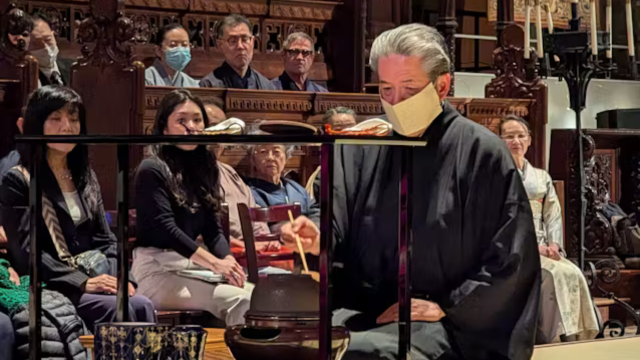
Introducing Tea Ceremony to School Education
Omotesenke actively supports introducing tea ceremony clubs and courses to high schools and universities nationwide, aiming for tea ceremony popularization. Through “Omotesenke Tea Ceremony Classrooms” and “Omotesenke Dōmonkai” activities, wabi spirit is transmitted even to younger generations.
Overseas Branches and Global Dissemination
Omotesenke branches exist in America, Europe, and throughout Asia, bearing responsibility for Japanese cultural dissemination through international tea gatherings and cultural events. Particularly in Paris and New York, collaborative tea gatherings with museums occur regularly.
Source: Agency for Cultural Affairs, “Japan’s Intangible Cultural Heritage and Tea Ceremony’s International Development,” 2023 Report
Omotesenke’s Contemporary Activities and Prospects

Utilizing SNS and Online Tea Ceremony
Post-pandemic, Omotesenke has attempted remote tea gatherings and streaming courses using Zoom. Instagram and YouTube distribute temae videos and tea utensil introductions, attracting renewed attention among youth.
14th Iemoto Jimyōsai Sōshō’s Initiatives
Current Omotesenke iemoto, 14th-generation Jimyōsai Sōshō, maintains the conviction of “evolving while preserving tradition.” Efforts include modern architecture fusion projects, international cultural diplomacy activities, and partnerships with disability support—emphasizing social activities.
Source: Jimyōsai Sōshō Interview, Tankō Times (June 2022 issue)
Comparison with Other Senke | Differences from Urasenke and Mushakōjisenke
| Item | Omotesenke | Urasenke | Mushakōjisenke |
|---|---|---|---|
| Founder | Kōshin Sōsa (Senchū Sōsa) | Sen Sōshitsu (Sensō) | Sen Sōshu (Ichō Sōshu) |
| Tea Room Name | Fushin-an | Konichi-an | Kankyū-an |
| Style Characteristics (Temae) | Strict; emphasizes formality and tradition | Flexible; emphasizes accessibility and wider adoption | Balanced; emphasizes practicality |
| Outreach / Promotion | Centered around the iemoto system | Nationwide expansion through the Tankōkai | Small-scale but steady and consistent |
Omotesenke: “Main Lineage” Preserving Formality and Spirituality
Omotesenke was founded by Kōshin Sōsa, Sen no Rikyū’s great-grandson, inheriting Fushin’an from Sōtan. The tea room symbolizing Omotesenke, Fushin’an in Kyoto, is considered an entity faithfully preserving Sen no Rikyū’s “wabi” spirit to modern times.
Temae procedures and etiquette are extremely rigorous and ceremonial, requiring deep learning of tea ceremony spirituality. Disciple cultivation emphasizes systems directly connected to the iemoto, strictly maintaining traditional forms in certification and training processes. Omotesenke is also called “tea ceremony’s main lineage,” continuing to preserve tea ceremony principles and formality.
Urasenke: International School Combining Flexibility and Popularization Power
Urasenke was founded by Sensō Sōshitsu, Sōtan’s grandson, with headquarters at Konnichian adjacent to Omotesenke. While sharing common origins with Omotesenke, Urasenke developed as a school incorporating more flexible and practical temae.
Particularly from the 20th century onward, popularization activities through “Tankōkai” by 15th iemoto Hōunsai and 16th Zabōsai spread nationwide and overseas, now known as the school with most members. Actively introducing overseas branches and universities, continuously seeking tea ceremony approaches harmonizing with modern society.
Mushakōjisenke: Practical Tea Ceremony Valuing Moderation
Mushakōjisenke was founded by Ichiō Sōshu, Sōtan’s third son, with headquarters still at Kankyū-an on Kyoto’s Mushakōji Street. Though smaller scale than the other two Senke, it features moderate stance balancing scholarship and spirituality.
Temae balances practicality with aesthetic sensibility, aiming to naturally apply tea ceremony in daily life. Popularization activities are steady, influencing not only general classes but also cultural figures and researchers, with its stance of quietly, deeply inheriting tea ceremony earning evaluation.
Source: Introduction to Comparing San-Senke, Kyoto Tea Ceremony Cultural Center, 2021
What Role Will Omotesenke Bear in the Future?

Omotesenke is not merely an organization transmitting forms and ceremonies but a cultural entity conveying “Japanese spirituality” to the world, considered increasingly important going forward. Tea ceremony’s essential messages—sustainable society, coexistence with others, introspection’s value—hold universal significance even in global society.
Discover Global Matcha Trends with Matcha Times

For those wanting to explore the frontlines of matcha business expanding overseas more deeply, “Matcha Times” delivers the “now” of the matcha boom occurring worldwide—centered on America, Europe, and Asia—based on primary information.
- Market data analysis by country (market size, growth rates, consumption trends)
- Success stories from local brands and cafés
- Original interviews with producers, tea masters, and buyers
- Latest sustainability, export, and regulatory information surrounding matcha
Beyond mere news, we develop analysis delving into “stories behind numbers” and “voices of people moving culture.” We explore from on-the-ground perspectives how Japanese matcha is evaluated globally and how it’s evolving.
A specialized media for business professionals, producers, café owners, brand managers—“those seriously wanting to understand matcha markets.”
Understanding how global matcha moves represents the first step toward seizing next business opportunities. Let’s expand your matcha story together from here.
Summary | What Engaging with Omotesenke Provides
- Experience tea ceremony’s main lineage spirituality
- Contemporary frontlines of Japanese culture where tradition and innovation intersect
- Reconfirmation of Japanese identity
Please visit Fushin’an, attend Omotesenke-sponsored tea gatherings or classes, and savor its profundity through all five senses.
References and Sources
- Omotesenke Official Site: https://www.omotesenke.jp/
- Kumakura Isao, Tea Ceremony: Omotesenke’s History and Culture, Tankosha
- Tea Ceremony Cultural Certification Official Text, Tankosha
- Agency for Cultural Affairs, “Japan’s Intangible Cultural Heritage and Tea Ceremony’s International Development” (2023)
- Jimyōsai Sōshō Interview, Tankō Times
- Kyoto Tea Ceremony Cultural Center, Introduction to Comparing San-Senke