Matcha Production Region Map: Discovering Japan’s Premier Growing Areas and Their Distinctive Characteristics
Though we speak simply of “matcha,” its taste, aroma, and color vary surprisingly by production region. This article explains matcha production areas and their characteristics while highlighting respective differences.
\For Companies Seeking Matcha Powder/

We source matcha from Japan’s premier production regions including Kyoto Uji, Kagoshima, Fukuoka, and Shizuoka, offering comprehensive grade ranges from organic JAS-certified ceremonial grade to processing-grade matcha.
Common Challenges:
- “We have projects but cannot secure stable matcha supply…”
- “We want to incorporate matcha into new café menu items!”
If you face these concerns, consult with Matcha Times. Feel free to contact us for initial inquiries.
What Are Japan’s Major Matcha Production Regions?
Definition and Overview of Matcha Cultivated in Japan
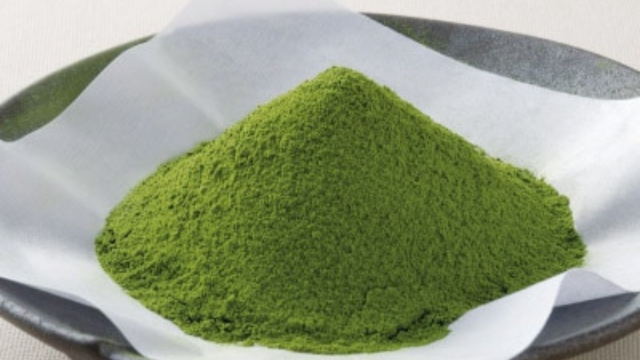
Matcha is tencha (shade-grown tea leaves) ground with stone mills into powder form, handled through different production methods and applications than sencha or gyokuro. Regions producing high-quality matcha within Japan are limited, most satisfying the following conditions:
Significant Annual Temperature Fluctuation
Tencha, matcha’s raw material, is harvested from late spring through early summer. Regions with temperature fluctuation during this period achieve the following effects:
- Nutrients accumulate through daytime photosynthesis; nighttime respiration suppression preserves nutrition
- Tea leaf cells grow slowly, accumulating abundant umami components (L-theanine) and sweetness
In other words, large day-night temperature differences facilitate “richly flavored tea leaves.”
Reference: NARO Tea Research Station, “Environmental Factors and Tea Leaf Quality” https://www.naro.go.jp/
Adjustable Sunlight Duration
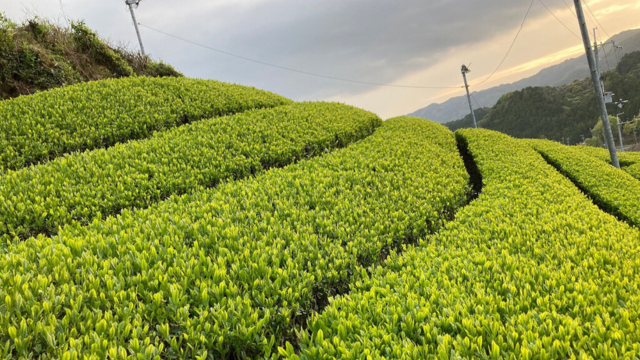
Matcha is cultivated through the special method called “kabusecha (covered cultivation).” Covering with black shade approximately 20 days before harvest blocks sunlight, causing these changes:
- Prevents L-theanine (umami component) conversion to catechins (bitter component)
- Chlorophyll increases, producing deeper green color
- Creates “mellow, sweet matcha” with suppressed astringency and bitterness
Therefore, flat lands or gentle hillsides enabling easy shading material installation and management are considered optimal.
Source: Kyoto Prefectural University, “Theanine Preservation Effect Through Covered Cultivation” https://www.kpu.ac.jp/
Well-Drained Soil
Tea plants are somewhat vulnerable to humidity; excessive moisture causes root rot and disease. Therefore:
- Well-drained slopes and sandy loam geology are ideal
- Balanced underground moisture allows healthy root spreading, enabling thorough nutrient absorption
Furthermore, mineral content in soil (particularly potassium and magnesium) affects tea leaf aroma and taste, with cultivation region geology sometimes manifesting in flavor.
Source: Agriculture, Forestry and Fisheries Research Council, “Tea Garden Soil Management and Quality Improvement” https://www.affrc.maff.go.jp/
Representative Matcha Production Regions and Characteristics
Uji (Kyoto Prefecture) | Matcha’s Synonym, Crystal of Tradition and Technique
Characteristics: Sweetness and richness, historical tea culture
Uji is Japan’s most famous matcha production area. As one of Japan’s oldest tea cultivation sites, cultivation and production method history continues from Kamakura period. Tencha production thrives, with hand-picking, hand-rolling, and stone-grinding traditional techniques still inherited today.
Exquisite Sweetness and Umami Balance
Uji matcha contains abundant L-theanine (umami) and amino acids while moderating appropriate astringency. This results from Uji’s climate (soil, morning mist, temperature fluctuation) and long-established covered cultivation techniques. Quality matcha delivers mellow sweetness spreading instantly in the mouth, deep richness lingering on the tongue.
Additionally, stone-ground micro-particle matcha powder provides smooth texture on the tongue, with superior foaming quality (fine foam texture) also demonstrating Uji matcha’s quality excellence.
Abundant High-Grade Matcha for Tea Ceremony
Uji concentrates centuries-old tea wholesalers and tea producers like “Kanbayashi Shunsho Honten,” “Marukyu Koyamaen,” and “Yamamasa Koyamaen,” many supplying premium matcha favored by tea ceremony schools (Omotesenke, Urasenke, etc.).
These products, selected for tea ceremony temae use, require strict quality standards including:
- Aroma elevation (fire aroma and green note balance)
- Foaming ease (stone-ground particle precision)
- Color intensity (chlorophyll content)
Consequently, Uji-produced matcha receives extremely high evaluation from gift recipients and tea ceremony enthusiasts, synonymous with ceremonial grade.
“Uji Shichi-Meien” and Abundant Tourist Attractions
Uji contains numerous tourist spots tracing Japanese tea roots.
Most representative is “Uji Shichi-Meien” (Uji Seven Famous Gardens)—superior tea garden historical sites reportedly selected by Shogun Ashikaga Yoshimitsu during Muromachi period. These include “Okunyama,” “Tahara,” and “Ujigawabata” gardens, with matcha bearing these names still circulating.
Additionally, the city spreading around Ujigawa River contains:
- World Heritage “Byōdō-in Phoenix Hall”
- Established matcha café “Tsūen”
- “Uji City Tale of Genji Museum” and “Uji Tea Ceremony Hall Takumi-no-Yakata” for learning tea culture
—famous sites enabling deep matcha and Japanese culture experiences are scattered throughout. Tourist appeal attracts many matcha fans domestically and internationally.
[Source] Uji Tea Region Development Council https://ujicha.kyoto
Nishio (Aichi Prefecture) | Japan’s Largest Production Volume, Capable Matcha Kingdom
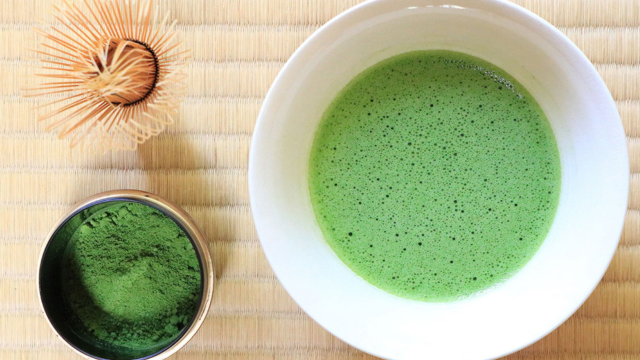
Characteristics: Vivid coloring and rich aroma
Nishio City, Aichi Prefecture, boasts Japan’s largest tencha production volume—a capable matcha production area. As a major base for high-quality matcha alongside Kyoto Uji, it enjoys strong trust from tea industry professionals and food manufacturers, supporting nationwide demand.
Nation’s Leading Tencha Production Area
Nishio City’s climate and soil prove extremely suitable for matcha cultivation. As of 2023, it reportedly comprises approximately 30-35% of Japan’s tencha production (※Ministry of Agriculture, Forestry and Fisheries Tea Industry Statistics).
This region cultivates matcha varieties including Samidori, Yabukita, and Okumidori, boasting stable quality and harvest volume. Particularly, early introduction of tencha-specific covered cultivation techniques and geographical conditions enabling efficient black covering installation across extensive plains contribute to high productivity.
Vivid Green and Rich Aroma
Nishio matcha’s first notable characteristic is vivid green color and gorgeous aroma. Abundant chlorophyll generated through covered cultivation produces beautiful coloring, which stands out when powdered through stone-grinding—especially prominent in matcha sweets and lattes.
Additionally, excellence in firing process (finishing drying) techniques—processing technology extracting rich fragrance while suppressing bitterness—constitutes another factor elevating Nishio production evaluation.
Actually, as matcha sought by food processors for being “visually beautiful” and “sustainably flavorful,” it gathers extremely high demand.
Strong Partnerships with Confectionery and Beverage Industries
Nishio City hosts numerous matcha processors and wholesalers handling OEM responses, with transactions with major confectionery and beverage manufacturers very active. For example, Nishio-produced matcha is broadly used for applications including:
- Matcha chocolate, langue de chat, ice cream
- Convenience store sweets and smoothies
- Beverage powder for matcha frappuccinos and lattes
Additionally, Nishio City has acquired regional collective trademark “Nishio’s Matcha” (※Registration No. 5056525), strengthening brand strategy with production area designation. This enhances product labeling backing and distribution reliability, establishing systems enabling smooth domestic and international export/development.
[Source] Nishio City Tourism Association https://nishiokanko.com/
Kagoshima (Minamikyushu City, Shibushi City) | Southern Rising Star, Functionally Superior Matcha

Characteristics: High polyphenol content and competitive pricing
Kagoshima Prefecture, known as Japan’s 4th largest tea leaf production area after Shizuoka, Kyoto, and Mie, increasingly establishes presence as emerging tencha and matcha production area recently. Particularly southern regions like Minamikyushu City and Shibushi City develop internationally competitive matcha production utilizing warm climate and large-scale mechanized agriculture.
Abundant Organic JAS and International Certification Products
Kagoshima Prefecture has actively introduced organic farming methods since the 1990s, currently ranking top nationally for “Organic JAS Certification” certified farms.
Furthermore, to accommodate Western markets:
- EU Organic Certification
- USDA Organic (USA)
- Canada Organic Regime (COR)
Systems adapting to multiple international standards for matcha export are established, accelerating exports to high-organic-food-demand North America and Europe.
Minimal Bitterness, Refreshing Taste
Kagoshima matcha features moderate bitterness and astringency with refreshing flavor. Reasons include:
- Abundant sunlight optimally cultivates leaf thickness and theanine concentration
- Appropriately adjusted covered cultivation periods suppress bitter component (catechin) generation
- Firing processing (finishing drying) technical advancement extracting aroma and sweetness
This produces clean taste without impurities suitable for beverages like lattes and smoothies, earning support from many processing manufacturers.
Additionally, warm climate enabling twice-annual harvesting with second harvest onwards maintaining good quality, cost-performance excellence is also evaluated for food processing applications.
Health-Oriented and Export-Oriented Products as Main Force
Kagoshima matcha possesses strengths in export-oriented strategy exceeding domestic sales. Particularly in health-conscious America, Canada, and EU, Japanese “organic matcha = functional health food” is evaluated, with adoption progressing in products including:
- Matcha powder sold at overseas organic supermarkets
- Functional drinks like protein-containing matcha lattes
- Applications to vegan and gluten-free products
Additionally, analysis results showing stably high nutritional component quantities including polyphenols, catechins, and theanine earn high evaluation from food companies as “functional materials.”
[Source] Kagoshima Prefecture Tea Industry Council https://www.kagoshima-cha.or.jp/
Yame (Fukuoka Prefecture) | Premium Route Emphasizing Umami Appeal
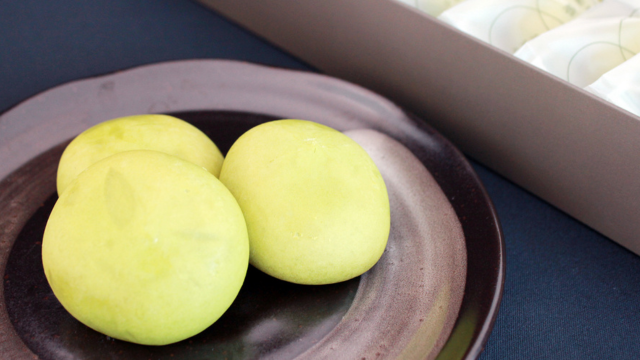
Characteristics: Profound flavor applying gyokuro techniques
The southern Fukuoka region centered on Yame City is a premium tea production area known for “Yame Traditional Hon-Gyokuro.” Recently, matcha applying these techniques is also produced, featuring abundant umami component theanine.
Harmonized Umami and Aroma Taste
Yame matcha is characterized foremost by profound umami depth and elegant aroma balance. This results from applying long-term covered cultivation similar to gyokuro, suppressing umami component (L-theanine) degradation while reducing bitter component (catechins).
Additionally, mountainous cool climate slows tea leaf growth, creating richly flavored tea leaves with thoroughly accumulated nutrients. Finishing processing employs somewhat shallow firing, extracting matcha’s inherent green notes, sweetness, and aromatic components as mainstream methodology.
Gyokuro and Sencha Producers Entering Matcha
Yame originally developed as a “Yame-cha (sencha)” and “Traditional Hon-Gyokuro” production area. Particularly gyokuro requires extremely careful production techniques including hand-picking, shelf cultivation, and long-term covering. Producers possessing these techniques recently advanced into matcha tencha production.
Entry background includes:
- Product diversification from gyokuro market contraction
- Domestic and international matcha demand expansion (particularly health and export markets)
- Leveraging cultivation know-how as the same “covered tea”
Consequently, quality-uncompromising careful, richly flavored matcha is supplied from Yame, with market position rapidly ascending.
Popular for Gifts and High-Price Products
Yame matcha, with its premium feel and high flavor completion, suits gift product and premium matcha development.
Specifically:
- Wooden box and paulownia box luxury matcha gifts
- “Yame matcha” brand usage by matcha specialty shops and Japanese confectionery stores
- Exports as ceremonial-grade matcha for overseas markets
These advance, establishing firm positioning as “matcha production area selected by taste”—distinct from “Uji, Nishio, Kagoshima.”
Particularly, Yame City, Hirokawa Town, and Hoshino Village enable farmers and tea merchants to collaborate on small-volume high-quality lots and individual blend responses among other differentiation possibilities, making it optimal for demographics seeking luxurious tea experiences.
[Source] Yame Tea Industry Cooperative https://www.yamecha.or.jp/
Shizuoka (Kawane, Makinohara, etc.) | Diversification Progressing from Mass Production to Organic Matcha
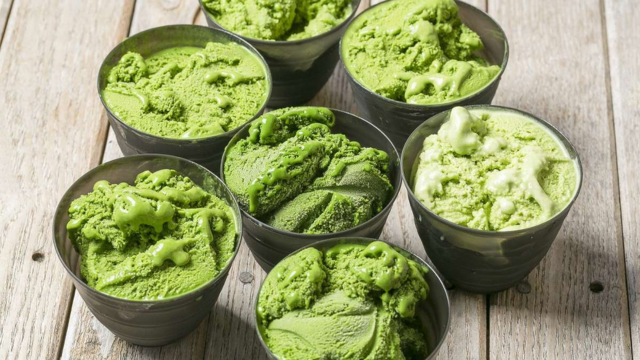
Characteristics: Diverse soils and elevation differences establishing broad product lines
Though Shizuoka Prefecture constantly competes for top national sencha production volume, recently organic matcha and export-oriented matcha development is accelerating. Regions possess distinct characteristics—from high-elevation Kawane Honchō to large-scale tea gardens on Makinohara Plateau.
Organic JAS and EU Organic Compliance
Particularly centered on Kawane Honchō, Shimada City, Kikugawa City, and Makinohara City, numerous organic JAS certified matcha farms and factories exist in Shizuoka Prefecture. Beyond that, operators corresponding to EU Organic standards and USDA Organic for overseas export perspectives are also increasing, with systems accommodating global demand being established.
Shizuoka Prefecture has long advanced prefectural policies actively promoting environmentally friendly farming methods and reduced pesticide guidance, broadening organic cultivation base as a characteristic.
Cultivation Utilizing Elevation and Temperature Differences
Shizuoka spreads north-south widely, with mountainous tea gardens existing from flatlands to elevations exceeding 300-600m, thus assembling ideal environmental conditions for tea trees. Particularly in Kawane Honchō and Honkawane districts:
- Large day-night temperature differences concentrate theanine and amino acids in leaves
- Morning mist arising from valley streams protects leaves, creating natural covering effects
- Slope locations with good drainage allow healthy root development
These geographical advantages suit high-quality matcha production utilizing natural forces, with good compatibility with organic farming methods. Recently, mountainous organic matcha branding is advancing.
Abundant Products for European and American Markets
Shizuoka Prefecture’s matcha industry has clearly shifted toward B2B export orientation recently, with product lineups including:
- Organic matcha powder (EU/USDA compliant)
- Stick-type instant matcha
- Processing raw materials for smoothies and green tea
- OEM response (roasting temperature, particle adjustment) products
Particularly in Europe and America, matcha incorporated into tea culture as “healthy choices” is evaluated, with Shizuoka-produced matcha highly assessed as “reliable, trustworthy supply source.”
Furthermore, Japan-EU Economic Partnership Agreement (EPA) influence eliminating export tariffs to EU regions also provides tailwinds, with Shizuoka Prefecture operators advancing into luxury food markets in Paris, London, and Berlin.
[Source] Shizuoka Prefecture Tea Industry Council https://www.o-cha.net/
Discover Global Matcha Trends with Matcha Times

For those wanting to explore the frontlines of matcha business expanding overseas more deeply, “Matcha Times” delivers the “now” of the matcha boom occurring worldwide—centered on America, Europe, and Asia—based on primary information.
- Market data analysis by country (market size, growth rates, consumption trends)
- Success stories from local brands and cafés
- Original interviews with producers, tea masters, and buyers
- Latest sustainability, export, and regulatory information surrounding matcha
Beyond mere news, we develop analysis delving into “stories behind numbers” and “voices of people moving culture.” We explore from on-the-ground perspectives how Japanese matcha is evaluated globally and how it’s evolving.
A specialized media for business professionals, producers, café owners, brand managers—“those seriously wanting to understand matcha markets.”
Understanding how global matcha moves represents the first step toward seizing next business opportunities. Let’s expand your matcha story together from here.
Summary | Choose the Matcha Production Region Matching Your Needs
Taste, aroma, color, and production methods differ by matcha production region. For emphasizing tradition, choose Uji; for functionality and cost-performance, choose Kagoshima; for balanced approaches, Nishio or Shizuoka are recommended. When purchasing, selecting products clearly indicating production area, grade, and production methods is the shortcut to encountering satisfying cups.
Related analysis
For related analysis, see:
→ Japanese Matcha vs Chinese Matcha: Origin, Production, Price & Buyer Risk