Can Matcha Help with Depression? Latest Research and Expert Insights Explained
Meta Description: Discover what science says about matcha and depression. Learn about L-theanine, catechins, and expert views on matcha’s role in stress reduction and mood support—plus important cautions.
For Companies Seeking Matcha Powder
We source matcha from Japan’s premier production regions including Kyoto Uji, Kagoshima, Fukuoka, and Shizuoka, offering comprehensive grade ranges from organic JAS-certified ceremonial grade to processing-grade matcha.
Common Challenges:
- “We have projects but cannot secure stable matcha supply…”
- “We want to incorporate matcha into new café menu items!”
If you face these concerns, consult with Matcha Times. Feel free to contact us for initial inquiries.
Can Matcha Help with Depression? What Research and Experts Actually Say
“Can drinking matcha cure depression?” This question appears increasingly on social media and blogs. The bottom line: matcha is not a treatment for depression. However, recent research suggests that compounds in matcha—including L-theanine, catechins, and caffeine—may contribute to stress reduction and mood improvement.
This article examines research findings, including studies from Kumamoto University, and expert perspectives on how matcha may affect mental health. We’ll also introduce practical ways to incorporate matcha into daily life as self-care, along with important cautions. This guide is for anyone interested in using matcha to support emotional wellbeing.
Key Takeaways
- Matcha is not a cure for depression: Professional diagnosis and evidence-based treatment remain essential
- Research shows potential for stress and mood support: L-theanine, catechins, and caffeine may contribute to wellbeing
- Complementary role only: Matcha may support quality of life when used alongside proper medical treatment
- Morning matcha can help establish routine: Incorporating matcha into morning rituals may support circadian rhythm
- Moderation matters: 2-3 cups daily recommended; excessive caffeine can worsen anxiety
- Holistic approach required: Matcha works best as part of balanced lifestyle with adequate sleep, nutrition, and exercise
The Relationship Between Matcha and Depression
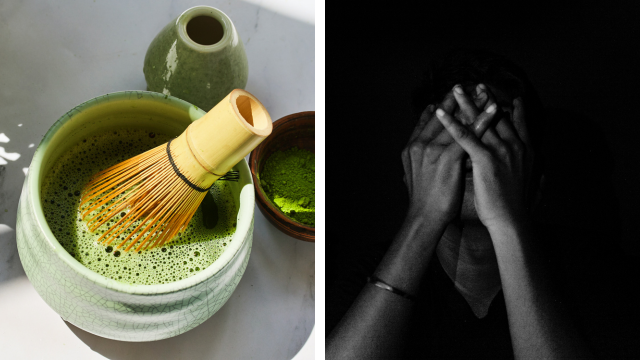
You may encounter claims on social media and blogs suggesting that “drinking matcha cures depression.” From a scientific perspective, matcha is not a “treatment” for depression. The foundation of depression treatment consists of accurate diagnosis by a psychiatrist and appropriate interventions including medication and cognitive-behavioral therapy. Consulting with specialists and receiving proper treatment must be the top priority.
That said, matcha is not meaningless. Recent research indicates that components in matcha—including L-theanine, catechins, and caffeine—may contribute to stress reduction and mood stabilization. In animal studies by Associate Professor Yuki Kurauchi and colleagues at Kumamoto University, mice exposed to social stress and given matcha showed activation of dopamine neural circuits in the brain and reduction in depression-like behaviors.
This suggests that while matcha is not an alternative to treatment, it may serve as self-care that supports mood improvement and stress management. Practices like morning matcha routines or tea ceremony experiences can help establish life rhythm and create calming moments.
Key Points to Remember
- Matcha alone cannot cure depression
- Scientific research suggests potential contributions to stress reduction and mood improvement
- When used alongside medical treatment, may help improve quality of life (QOL)
Matcha’s Bioactive Compounds and Mental Health Effects

Because matcha is consumed as whole powdered tea leaves, you intake amino acids, caffeine, polyphenols, and vitamins all at once—a major distinguishing feature. These components interact synergistically, potentially influencing the brain and nervous system in multiple ways that support mental health.
L-Theanine | Relaxation and Stress Reduction
L-theanine is the amino acid responsible for matcha’s distinctive umami flavor. It increases alpha brain waves and activates the parasympathetic nervous system, creating a relaxed state. Clinical research confirms that L-theanine intake can reduce anxiety and stress hormone (cortisol) levels. Studies also report improvements in sleep quality and next-day mood and concentration.
How L-Theanine Works:
- Alpha wave increase → Promotes feelings of calm and security
- Stress hormone reduction → Alleviates irritability and tension
- Sleep quality improvement → Supports fatigue recovery
Caffeine | Enhanced Focus and Important Cautions
The caffeine in matcha is absorbed more gradually compared to coffee, supporting sustained concentration rather than sudden alertness. When consumed with L-theanine (as naturally occurs in matcha), it can create balanced, focused calm—a state sometimes called “calm focus.”
However, excessive caffeine intake carries risks including insomnia, increased anxiety, and heart palpitations. Limit consumption to 2-3 cups daily (approximately 120-180mg caffeine total). Avoid consumption late in the day to prevent sleep disruption.
Catechins and Polyphenols | Antioxidant Effects and Brain Fatigue Reduction
Catechins are polyphenols abundant in tea with powerful antioxidant properties. Chronic stress increases reactive oxygen species that burden brain nerve cells, but catechins help neutralize these harmful compounds.
Kumamoto University research also showed that matcha consumption activated brain reward systems including the prefrontal cortex and nucleus accumbens, suggesting potential for enhanced motivation and pleasure response. This may help counter the “loss of motivation” associated with stress.
Benefits of Incorporating Matcha into Daily Life
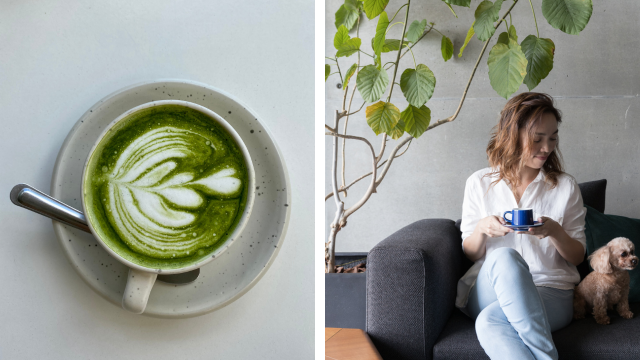
Matcha requires no special preparation like supplements and can be easily integrated into daily routines as accessible self-care. Here are specific ways to incorporate matcha for mental health support.
Morning Matcha Routine to Reset Circadian Rhythm
Mornings are often when mood dips most significantly. Having a cup of matcha with breakfast combines light exposure and caffeine’s alertness effects, helping regulate circadian rhythm. Additionally, L-theanine’s relaxing effects calm the mind, enabling you to start the day with composure. Making matcha part of your morning routine can create a positive start to each day.
Practical Morning Matcha Ideas:
- Whisk matcha after breakfast
- Replace coffee with matcha latte
- Keep stick-type matcha packets for easy preparation
Matcha Lattes and Sweets for Enjoyable Relaxation
Matcha’s taste and aroma themselves promote calmness. Enjoying matcha lattes or matcha sweets during break times or between work tasks can provide mindfulness-like effects. When you want something sweet but prefer to minimize guilt, choosing low-sugar matcha lattes or protein-enriched matcha drinks creates gentle rest periods for body and mind.
Tea Ceremony for Mindfulness Practice
In tea ceremony, the sequential movements of whisking matcha with a chasen (bamboo whisk) and the quiet atmosphere of the tea room regulate breathing and focus attention on the present moment. Associate Professor Kurauchi notes that “the act of preparing matcha itself may positively influence mental state,” gaining attention as stress management for daily life.
Ways to Experience Tea Ceremony Mindfulness:
- Participate in tea ceremony classes or casual tea gatherings
- Simply whisking tea with a chasen and tea bowl at home works
- Using all five senses to prepare tea becomes a mindfulness experience
Important Cautions | “Matcha Alone Can Cure” Is Dangerous

While matcha can be a reliable ally supporting mental health, the belief that “drinking matcha cures depression” is a misconception. Depression is a condition involving brain function and hormonal balance that absolutely requires medical diagnosis and appropriate treatment. Understanding that matcha as self-care serves only a supplementary role is essential.
Always Seek Professional Diagnosis
If prolonged low mood, significantly disrupted appetite or sleep, or impairment in work or studies continues, consult psychiatry or psychosomatic medicine promptly. Early appropriate treatment facilitates recovery. Matcha, when used alongside treatment, can support improved daily quality of life (QOL).
Watch for Excessive Caffeine Intake
One cup of matcha contains approximately 30mg of caffeine. While less than coffee, overconsumption can lead to insomnia, palpitations, and worsened anxiety. Avoid evening and bedtime consumption, limiting intake to 2-3 cups daily. Those sensitive to caffeine may benefit from restricting consumption to morning hours only.
Balanced Lifestyle Is the Foundation
To maximize matcha’s benefits, establishing basic lifestyle habits including proper diet, sleep, and exercise is fundamental. Matcha’s effects won’t fully manifest if accompanied by poor eating habits or sleep deprivation. A lifestyle with rhythm—incorporating matcha in the morning and resting well at night—supports both physical and mental health.
Critical Reminders
- Matcha is “supplementary self-care,” not “treatment”
- Seek specialist diagnosis when symptoms persist
- Limit to 2-3 cups daily; moderate caffeine intake
- Incorporate as part of regular lifestyle habits
Looking for premium matcha for your café, wellness program, or food production? We can help you source authentic Japanese matcha appropriate for beverages, menu development, or health-focused products. Contact us to discuss your requirements.
Practical Checklist for Using Matcha for Mental Wellbeing
Use this checklist when incorporating matcha as self-care:
- Consult healthcare providers: Never use matcha as replacement for professional depression treatment
- Start with morning consumption: Establish routine by drinking 1 cup after breakfast
- Monitor caffeine sensitivity: Observe how your body responds and adjust timing/amount
- Choose quality matcha: Premium grades contain higher concentrations of beneficial compounds
- Avoid evening consumption: Prevent sleep disruption by limiting to morning/early afternoon
- Practice mindful preparation: Use the ritual of whisking matcha as meditation opportunity
- Track mood patterns: Notice whether matcha consumption correlates with better or worse feelings
- Maintain balanced diet: Don’t rely on matcha alone; ensure overall nutritional adequacy
- Prioritize sleep quality: Adequate rest enhances any potential benefits from matcha
- Combine with other healthy practices: Exercise, social connection, and stress management all matter
Frequently Asked Questions
Can matcha actually help with depression symptoms?
Matcha cannot cure clinical depression, but research suggests its compounds—particularly L-theanine and antioxidants—may support stress reduction and mood stability for some individuals. The Kumamoto University study showed matcha activated dopamine pathways in stressed mice, reducing depression-like behaviors. However, these are preliminary findings from animal studies. For humans with clinical depression, matcha should only be used as complementary self-care alongside proper medical treatment, never as a replacement for therapy or prescribed medication.
How much matcha should I drink for mental health benefits?
Research suggests 2-3 cups daily provides beneficial compounds without excessive caffeine. Each cup of matcha contains approximately 30mg caffeine and 20-40mg L-theanine. This amount provides potential stress-reduction benefits while minimizing risks of caffeine-related anxiety or sleep disruption. Consume primarily in morning and early afternoon, avoiding late-day intake. Individual sensitivity varies—some people benefit from just 1 cup daily, while others tolerate 3 cups well. Start with one morning cup and adjust based on your response.
What’s the difference between matcha and green tea for mental health?
Matcha is consumed as whole powdered tea leaves, providing higher concentrations of L-theanine, catechins, and other compounds compared to steeped green tea where you discard the leaves. This means matcha delivers more bioactive components per serving. The caffeine-L-theanine ratio in matcha may also create more balanced effects—alertness with calmness—compared to coffee or regular green tea. However, both matcha and quality green tea offer antioxidants and potential stress-reduction benefits; matcha simply provides them in more concentrated form.
Can matcha worsen anxiety or make depression worse?
For some individuals, matcha’s caffeine content may increase anxiety symptoms, particularly in those with anxiety disorders or high caffeine sensitivity. Caffeine can trigger jitters, restlessness, and worry in susceptible people. Additionally, consuming matcha too late in the day can disrupt sleep, which significantly worsens depression. If you have anxiety or find caffeine problematic, start with very small amounts (half a cup) in the morning only, or consult your healthcare provider about whether matcha is appropriate for you. Never use matcha if it increases anxiety or interferes with prescribed treatments.
Should I stop my antidepressant medication and use matcha instead?
Absolutely not. Never discontinue prescribed antidepressant medication without consulting your prescribing physician. Matcha is not a replacement for evidence-based depression treatments. Stopping antidepressants suddenly can cause serious withdrawal symptoms and depression relapse. If you’re interested in incorporating matcha while taking medication, discuss it with your doctor to ensure no interactions exist. Matcha may complement professional treatment by supporting overall wellness, but it cannot substitute for psychiatric care and medication when medically necessary.
What type of matcha is best for mental health benefits?
Ceremonial-grade or premium-grade matcha contains the highest concentrations of L-theanine and beneficial compounds because it’s made from the youngest, shade-grown leaves harvested in spring. These grades provide more of the amino acids associated with relaxation and stress reduction. Culinary-grade matcha, made from later harvests, contains less L-theanine and more catechins (which create bitterness). For mental health support through drinking, choose ceremonial or premium grade. However, even culinary-grade matcha provides some benefits and may be practical for daily use due to lower cost. Quality matters, but consistency of consumption matters more than perfection.
How long does it take to notice mental health benefits from matcha?
Individual responses vary significantly. Some people report feeling calmer and more focused within 30-60 minutes of consuming matcha—likely due to L-theanine’s acute effects on brain activity. However, longer-term mood benefits from regular consumption may take weeks to become noticeable, similar to other lifestyle interventions like exercise. Don’t expect immediate dramatic changes in depression symptoms. If you’re using matcha as complementary self-care, give it at least 2-4 weeks of consistent daily consumption before evaluating whether it helps. Remember that any benefits will be subtle and supportive rather than transformative.
Are there any medication interactions I should know about?
Matcha may interact with certain medications. The vitamin K content can interfere with blood thinners like warfarin. Caffeine can interact with some psychiatric medications, including certain antidepressants and anxiety medications, potentially increasing side effects. Matcha may also affect how the body metabolizes some drugs. Always inform your healthcare providers about all supplements and dietary practices, including matcha consumption. If you take any medications regularly, consult your doctor or pharmacist before incorporating significant amounts of matcha into your routine to ensure safety and avoid interactions.
Learn More About Global Matcha Trends at Matcha Times

UK-spreading matcha booms result from overlapping health consciousness, Japanese culture popularity, and lifestyle transformations. However, matcha’s appeal and potential still lie ahead. Knowing latest trends across countries and Japanese tea region initiatives reveals matcha’s deeper dimensions.
Matcha Times broadly publishes from matcha market analysis to cafe situations and farmer interviews. Won’t you also take this opportunity to deeply explore matcha’s world? The more you know matcha, the more surely its charm will draw you in.
Conclusion | Use Matcha as a “Treatment Support Tool”
Matcha is not a cure for depression itself, but the synergistic effects of L-theanine, caffeine, and catechins may support mood stability and stress reduction. Incorporating approximately 1-3 cups daily, particularly in the morning, can help regulate circadian rhythm and create a positive start to each day.
What matters most is not using matcha as a replacement for treatment, but rather incorporating it as part of self-care while continuing medical diagnosis and counseling. By adopting it as a sustainable habit you can maintain without strain, matcha can contribute to improving your daily quality of life.
The key is positioning matcha as complementary support alongside professional care, not as a primary intervention. When used appropriately with realistic expectations, matcha can be a valuable component of holistic approaches to mental wellbeing.
Source Premium Matcha for Wellness and Health Applications
Whether you’re developing a wellness café concept, creating health-focused menu items, formulating functional beverages, or seeking to incorporate authentic Japanese matcha into health and wellness products, we can help you source the appropriate quality for your specific applications.
We offer matcha from renowned regions across Japan including Uji (Kyoto), Kagoshima, Fukuoka, and Shizuoka, with grades ranging from organic JAS-certified ceremonial grade to culinary grades suitable for food production.
Request samples or get a quote today:
When contacting us, please provide:
- Intended use: Wellness beverages, café menu development, health-focused products, functional foods, etc.
- Monthly usage volume: Estimated quantity needed
- Preferred grade: Ceremonial grade for premium wellness drinks, or culinary grade for health foods
- Packaging preferences: Retail packages, food service containers, or bulk for manufacturing
- Delivery country/region: For shipping and regulatory compliance
- Required documentation: Organic certification, pesticide testing, heavy metal analysis, nutritional analysis, etc.
- Special requirements: L-theanine content specifications, specific flavor profiles, price targets, or other considerations