
Japan’s Matcha Supply Crisis: What’s Really Happening Behind the Global Boom

As matcha gains worldwide attention, Japan confronts a serious “matcha supply shortage” problem. From Kyoto’s established tea houses to national café chains, stock-outs and sales restrictions occur continuously, making “authentic matcha” increasingly difficult to obtain. Behind this situation lie complex factors including explosive overseas demand, aging tea farmers, and production inefficiencies.
This comprehensive guide examines the reasons behind matcha supply shortages from multiple perspectives, covering China’s emerging matcha industry, future response strategies, and balanced approaches involving other Japanese teas.
We provide insights for reconsidering matcha’s essential value and future selection methods.
Meta Description
Japan faces severe matcha shortages despite record export demand. Learn about production bottlenecks, aging farmers, China’s rising competition, and how the global matcha boom is reshaping Japan’s tea industry and supply chains.
Key Takeaways
- Global matcha exports reached record highs with 8,798 tons in 2024, over half being matcha, creating ¥36.4 billion in export value while domestic Japanese supply suffers
- Production bottlenecks stem from labor-intensive processes—shade cultivation, hand-picking, stone-grinding produces only 30g per hour, equivalent to 5-6 lattes
- Established Japanese brands including century-old shops in Saitama and Tokyo now impose sales restrictions and reject new orders due to insufficient supply
- China’s Guizhou Province emerges as a major competitor with annual production exceeding 1,000 tons, exporting to Japan and partnering with global brands like Starbucks
- Structural challenges including aging farmers, limited grinding facilities, and lack of successors prevent rapid production expansion despite surging demand
\For Companies Seeking Matcha Powder/

We source matcha from Japan’s premier production regions including Kyoto Uji, Kagoshima, Fukuoka, and Shizuoka, offering comprehensive grade ranges from organic JAS-certified ceremonial grade to processing-grade matcha.
Common Challenges:
- “We have projects but cannot secure stable matcha supply…”
- “We want to incorporate matcha into new café menu items!”
If you face these concerns, consult with Matcha Times. Feel free to contact us for initial inquiries.
How the Global Matcha Boom Impacts Japan

Matcha has become a global superfood, attracting overwhelming attention across America, Europe, and Asia. As matcha expands into lattes, sweets, and even skincare products, its popularity accelerates exponentially.
“MATCHA” is establishing itself as a symbol of health, beauty, and culture within global lifestyles.
Why Is the World Passionate About Matcha?
- Health consciousness: Rich in antioxidant components like catechins and theanine, popular as a superfood
- Social media appeal: Vibrant green color spreads across Instagram and TikTok
- Japanese cultural attraction: Interest in Japanese cuisine and tea ceremony extends to matcha
- Lifestyle compatibility: High affinity with meditation and mindfulness, becoming a “daily ritual”
Particularly in America, the matcha bar “KETTLE TEA” opened in Hollywood became an SNS sensation, with 21 of 25 matcha varieties sold out daily—a true “matcha rush” in progress.
In Los Angeles, voices emerge saying “I can’t buy the matcha I want.”
Exports Hit Record Highs, But Domestic Japan Runs “Empty”?
According to the Ministry of Agriculture, Forestry and Fisheries, 2024 green tea export volume reached 8,798 tons, with over half being matcha—an exceptional situation. Matcha export value broke through ¥36.4 billion, setting a new record.
- Kagoshima Prefecture matcha manufacturer “Henta Tea” converted 80% of production to tencha (matcha raw material), exporting directly to the US and EU
- Preparing for potential US tariff increases (up to 24%), they expanded channels to 12 countries including France and Germany
However, behind this global boom’s “light,” serious supply shortages occur within Japan.
Matcha Scarcity Spreads Nationwide Across Japan
- Kyoto establishments “Marukyu Koyamaen” and “Ippodo Tea” implement consecutive sales restrictions and price revisions
- Established shops in Saitama’s Sayama City officially announce “must refuse orders”
- Tokyo’s Tsukiji shop Jugetsudo restricts large-volume purchases suspected of resale purposes
Within Japan, “matcha panic buying” by visiting tourists and influencers pressures inventory, with prices rising 2-3 times between traders in some cases.
Why Can’t Supply Keep Up?
- Matcha involves hand-picking, shade cultivation, and stone-grinding—extremely low production efficiency
- Limited specialized grinding facility infrastructure creates processing bottlenecks from tencha to matcha
- Aging farming population and lack of successors make expansion difficult
Additionally, JPN Yen depreciation makes exports more profitable, advancing movements prioritizing overseas over domestic supply.
How Far Will the Matcha Boom Spread?
- Influencer “Andy Ella” with 600,000 YouTube subscribers launched a matcha brand selling over 130,000 cans in just six months
- Overseas, demographics wanting to “whisk matcha at home” and “know authentic taste” expand
The global matcha market grows to multi-billion dollar scale. This trend appears likely to continue.
Why Matcha Supply Is Difficult: Production Reality
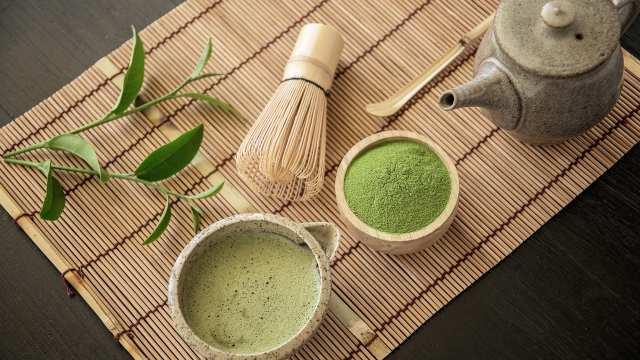
Matcha attracts worldwide popularity through its appealing taste and functionality, but compared to other teas, production efficiency is overwhelmingly poor, making short-term production increases difficult.
From Cultivation to Processing: Concentrated Effort and Technique
The raw material for matcha, “tencha,” reaches completion only through the following processes:
- Shade cultivation (covered cultivation): Tea leaves are shaded with black covers for four weeks before harvest. Suppressing photosynthesis draws out sweetness and umami
- Hand-picked harvest: Manual work remains central to maintain quality. Heavily dependent on elderly farmer labor
- Steaming, drying, leaf sorting: Traditional processes requiring effort and expertise
- Stone-mill grinding: Grinding slowly while avoiding frictional heat produces only approximately 30g per hour—enough for just 5-6 matcha lattes
Given this background, establishing mass production systems sufficient to meet demand cannot happen quickly.
Grinding Facility Shortages Also Create Bottlenecks
Even if tencha production succeeds, specialized grinding facilities are necessary to produce matcha. The mainstream method uses high-performance cooling-equipped metal mills for high-speed grinding, but such grinding factories remain limited nationwide, with new facility construction requiring substantial costs.
- Many production areas face situations where “tencha can be produced but cannot be processed into matcha”
- Only some companies maintain powder processing systems for export
Consequently, orders flood limited grinding capacity, creating “waiting list” situations for processing.
Aging Population and Personnel Shortages Become Structural Issues
Additionally, structural problems of aging farmers and lack of successors are serious.
Matcha production is not merely agricultural work but also cultural and technical inheritance.
Beyond equipment investment, personnel cultivation also requires long periods.
Matcha Is Not “Industrial Product” but “Handcraft Crystal”
Matcha production exists in a realm that cannot be discussed through efficiency or speed alone. Therefore, rapid booms cannot follow “produce and sell” logic—the reality is that steady technical inheritance and facility development cannot keep pace.
As worldwide demand continues expanding, how to balance quality with production systems will determine the survival of Japan’s matcha industry.
Sales Restrictions Occur Even at Famous Japanese Matcha Brands

With accelerating matcha boom, even domestic famous brands must impose “sales restrictions.” High-quality domestic matcha increasingly becomes a “desired but unavailable” product.
Reservation Stops and Inventory Restrictions Occur Consecutively
Saitama’s Sayama City’s 15th-generation established tea farmer Masahiro Okutomi posted “matcha new order acceptance suspension” notices on the official website. Production cannot keep pace with demand, forcing order restrictions.
Additionally, Tokyo’s Tsukiji established tea shop “Jugetsudo” implements the following responses:
“While we don’t strictly set purchase restrictions, we may refuse large-volume sales to customers suspected of resale purposes”
— Store Manager Shigeto Nishikida
Such restrictions serve to “maintain quality” and “ensure fair supply” measures preventing inventory depletion through large purchases and resale damage.
※Source: ARAB NEWS JAPAN
Article title: “Global matcha boom dries up Japan’s tea farmers”
Publication date: June 27, 2025
URL: https://arab.news/myy4a
Overseas Demand Forms the Background
Behind restrictions lies rapid shifting toward overseas markets.
For example, French influencer Andy Ella’s launched matcha brand uses Mie Prefecture matcha, selling over 130,000 cans in just six months. Demand continues growing currently.
Furthermore, at “Kettle Tea” in Los Angeles, America, 21 of 25 matcha varieties are sold out. Founder Zach Mangan states “there’s no more matcha to source“—”depletion” becomes reality even locally.
Matcha Becomes “Selected Luxury Ingredient”
Matcha, once a luxury item, is now redefined as a superfood, with pricing and supply initiative shifting toward global markets.
Scarcity drives price increases, making domestic matcha assume premium product characteristics.
What’s Next? Impact on Consumers
If such situations continue, the following impacts are concerns:
- Matcha product price increases
- Increased foreign-origin blends in consumer products
- Reduced menu offerings at restaurants
Japanese domestic matcha fans may need to adopt “buy while available” behaviors.
China’s Matcha Industry Rapidly Growing: Movements Aiming to Become “Second Uji”
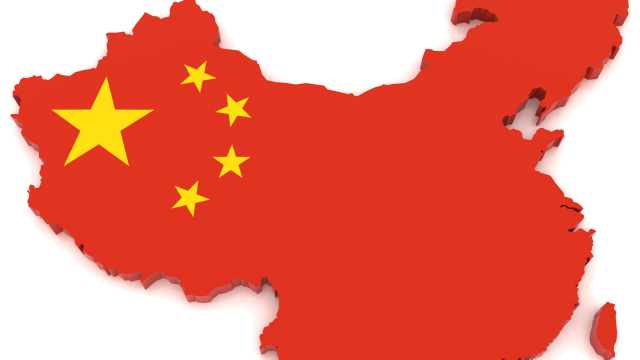
Responding to Japan’s supply difficulties, China’s Guizhou Province, Tongren City emerges as a global matcha production area.
What Are Guizhou Province’s Matcha Production Advantages?
- High-altitude, humid climate grows high-quality tea leaves
- World’s largest-scale matcha factory operates (annual production exceeding 1,000 tons)
- In 2025, commenced matcha exports to Japan, partnering with Starbucks and Haidilao Hot Pot
Chinese matcha may circulate as a substitute for Japanese matcha, making maintaining Japanese brand competitiveness a challenge.
US Concerns About “Fake Matcha”: Importance of Quality Assurance
In the American market, alongside matcha demand expansion, operators selling “green tea powder as matcha” also appear.
Distribution with ambiguous quality standards raises concerns about consumer confusion and brand value damage.
Therefore, conveying authentic matcha’s aroma, taste, and cultivation background is crucial.
Does Matcha Shortage Bring Turning Point for “Other Japanese Tea Boom”?
Communicating the appeal of Japanese tea overall—including sencha, hojicha, and Japanese black tea beyond just matcha—can enable demand distribution.
Japanese Tea Examples Attracting Attention as Supply Shortage Countermeasures:
- Hojicha: Low caffeine content, popular among women
- Japanese black tea: High compatibility with overseas black tea culture
- Sencha: Traditional yet convenient tea bag products performing well
Connecting matcha popularity to “expanded interest in Japanese tea overall” will be key to sustainable supply strategies.
Explore Tea Culture with Matcha Times

At Matcha Times, we introduce matcha-centered content covering Japanese tea’s appeal, latest trends, and sustainable drinking methods.
Why not take your first step toward knowing “authentic matcha” right here, right now?
Conclusion: What We Can Do to Protect Matcha’s Future
Currently, matcha represents “Japan’s treasure that the world watches,” but its production and distribution now stand at a crossroads.
・Global matcha boom causes Japan to face serious domestic supply shortages
・Production depends on time, technique, and personnel—cannot increase immediately
・Rising overseas forces including China are emerging
・Communicating Japanese tea’s overall appeal and distributing demand represents an important move