Matcha Expiration Guide: How Long Does Matcha Last and Can You Use Expired Matcha?
Matcha powder is a traditional Japanese ingredient widely used in cooking, confections, and beverages. But have you ever opened your cupboard after a while and wondered, “Is this expired matcha still safe to use?“
This article provides detailed guidance on shelf life indicators, quality assessment methods, proper storage techniques, and creative repurposing ideas for matcha powder.
To help you make the most of your matcha without waste, we’ll share insights on “how long it stays drinkable” and “how to make the best use of it.”
Key Takeaways
- Unopened matcha typically lasts 6-12 months; opened matcha should be consumed within 2 weeks to 1 month
- Quality assessment relies on four key indicators: color, aroma, appearance, and taste
- Proper storage (airtight container + cool/dark place or freezer) significantly extends freshness
- Expired matcha can be repurposed for deodorizing, cleaning, bathing, or baking
- Best-by dates indicate peak quality period, not necessarily safety expiration
- Prevention of moisture exposure is critical when removing matcha from cold storage
\For Companies Seeking Matcha Powder/
We source matcha from Japan’s premier production regions including Kyoto Uji, Kagoshima, Fukuoka, and Shizuoka, offering comprehensive grade ranges from organic JAS-certified ceremonial grade to processing-grade matcha.
Common Challenges:
- “We have projects but cannot secure stable matcha supply…”
- “We want to incorporate matcha into new café menu items!”
If you face these concerns, consult with Matcha Times. Feel free to contact us for initial inquiries.
Matcha Shelf Life: Generally 1 Year for Unopened Packages
The shelf life of matcha is typically 6 months to 1 year when unopened, and ideally should be consumed within 2 weeks to 1 month after opening.
Different Lifespans for Unopened vs. Opened Matcha
- Unopened packages: When stored away from direct sunlight, high temperatures, and humidity, quality is generally maintained for 6 to 12 months.
- Opened packages: Exposure to air and moisture accelerates deterioration, so consumption within 2 weeks at room temperature is recommended.
Many matcha manufacturers (such as Gion Tsujiri, Nishio matcha producers, and Morihan) follow similar shelf life guidelines.
How Long Can You Use Expired Matcha?
4 Assessment Points
Just because matcha has passed its best-by date doesn’t mean it’s immediately unusable.
Evaluate using these 4 checkpoint criteria:
1. Color | Is It Vibrant Green or Faded/Discolored?
- Good condition: Eye-catching vibrant green
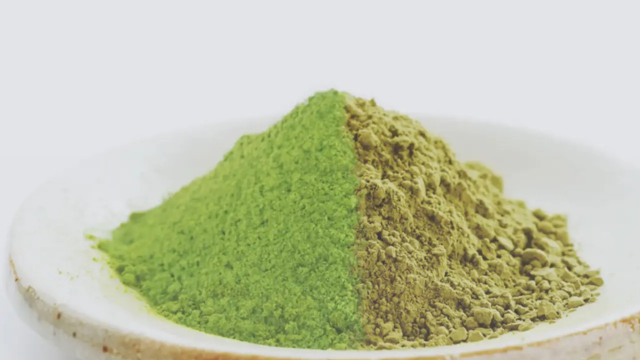
- Deteriorated: Whitish, dried-out color or reddish-brown discoloration
2. Aroma | Does It Retain Fresh Grassy Notes?
- Good condition: Refreshing scent reminiscent of fresh vegetation
- Deteriorated: Moldy, musty, or damp odors
3. Appearance | Any Mold, Insects, or Clumping?
- Good condition: Powder flows smoothly
- Deteriorated: Visible mold, insect contamination, or moisture-induced clumping
4. Taste | Any Off-Flavors When Sampled?
- Good condition: Balanced combination of umami, astringency, and sweetness
- Deteriorated: Dusty sensation, moldy taste, or chemical-like harshness
If you notice any abnormality, avoid consumption.
Proper Storage Methods to Preserve Matcha Flavor
Matcha is an extremely delicate ingredient. Implementing the following storage practices will help preserve its flavor for longer periods.
Storage Guidelines
- Avoid high temperatures, humidity, light, and oxidation
- Double-seal by placing matcha bag inside an airtight container
- Refrigerate or freeze after opening
- Return to room temperature before opening (prevents condensation)
Storage Location Recommendations
Especially during summer months, freezer storage is recommended even for unopened packages.
Ways to Use Expired Matcha | Options Before Discarding
When you’re hesitant to drink it but reluctant to throw it away, take advantage of matcha’s deodorizing, cleaning, and wellness properties.
Matcha Repurposing Ideas
- Use in matcha desserts or matcha lattes
Matcha with diminished flavor can still be deliciously repurposed in baked goods or lattes. - Refrigerator or shoe cabinet deodorizer
Simply place in a small jar or tea bag. Catechin’s deodorizing properties will refresh the space. - Tatami mat or floor cleaning
Wiping with matcha water utilizes catechin’s antibacterial and deodorizing properties. - Bath additive as a natural bath salt alternative
Catechin offers antibacterial and relaxation benefits (※be cautious of potential staining).
Differences Between Deteriorated and Fresh Matcha
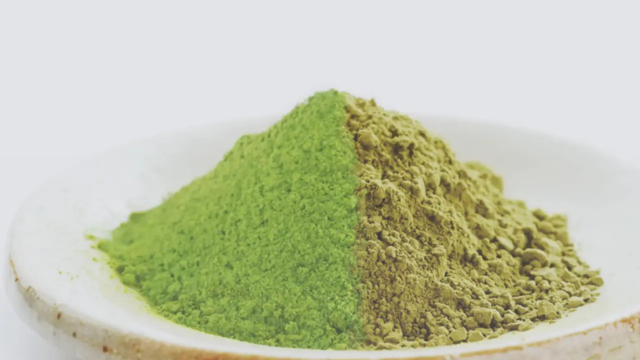
Image source:orderie (https://orderie.jp/component/e/e-Co002/)
As shown, differences between fresh and deteriorated matcha are unmistakable across appearance, aroma, and taste.
Always verify both quality and safety before making your decision.
Matcha May Be Usable Beyond Best-By Date with Proper Assessment
Best-by dates indicate the “period for optimal taste,” not necessarily “safety expiration dates.”
This means matcha may still be usable somewhat past the date if stored properly.
However, prioritizing safety means:
- Avoid use if appearance, aroma, or taste shows abnormalities
- Consume opened packages promptly
- Even before the best-by date, poor storage conditions can make matcha unsuitable for drinking
When deciding “a little past the date should be fine,” exercise careful judgment at your own discretion.
Make Your Tea Life More Comfortable with “Matcha Times”

Matcha Times offers not only guidance on storage methods and quality assessment but also abundant knowledge and practical applications for incorporating tea into daily life!
Why not start approaching matcha more “wisely and deliciously” from today?
Summary | Freshness Is Key! Storage and Assessment Determine Matcha Quality
Matcha shelf life is approximately 6 months to 1 year unopened, within 1 month after opening. While properly stored matcha may remain usable somewhat past the best-by date, avoid consumption if any of the four indicators (color, aroma, appearance, taste) shows abnormality.
Implementing proper storage methods (airtight + cool/dark place or freezer) allows you to enjoy matcha’s flavor for longer periods. Even when matcha becomes unsuitable for drinking, it can be repurposed for deodorizing, cleaning, and other applications—use it completely without waste.