
The Reality Behind Matcha Farming: Struggling Tea Farmers Amid the Global Boom
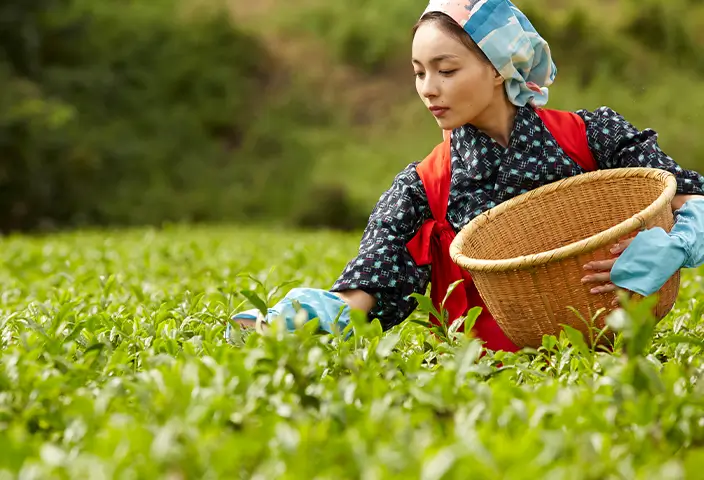
The Dark Side of the Matcha Boom: Japanese Tea Farmers Face Harsh Realities
While matcha’s global popularity is now common knowledge, Japanese tea farmers confront harsh realities behind the scenes. Despite export values reaching record highs, farmers grapple with challenges like “wanting to produce but unable to” and “unstable income.”
This article focuses on matcha farming frontlines, examining the gap between surging demand and collapsing supply systems.
Key Takeaways
- Export-income disconnect: 2024 green tea exports reached ¥36.4 billion (25% year-over-year increase), yet many farmers earn barely ¥50,000 monthly with businesses operating in perpetual deficit
- Production bottlenecks intensify: New tea plants require minimum 5 years until harvest, shade cultivation and hand-picking are labor-intensive, and limited tencha processing facilities cannot scale quickly
- Climate change devastates yields: 2023-2024 heat waves and droughts caused 20-50% harvest reductions in major production areas, with tea plants dying mid-growth in Aichi and Kyoto
- Profit structure favors intermediaries: While premium Uji tencha prices hit ¥8,000+/kg (170% year-over-year), farmers receive only fractions after distributors, processors, and branded tea merchants extract majority profits
- Emerging alternatives show promise: Organic JAS certification, direct-to-consumer models, farm-tourism experiences, and carbon credit programs offer new revenue streams, though structural challenges remain formidable
\For Companies Seeking Matcha Powder/

We source matcha from Japan’s premier production regions including Kyoto Uji, Kagoshima, Fukuoka, and Shizuoka, offering comprehensive grade ranges from organic JAS-certified ceremonial grade to processing-grade matcha.
Common Challenges:
- “We have projects but cannot secure stable matcha supply…”
- “We want to incorporate matcha into new café menu items!”
If you face these concerns, consult with Matcha Times. Feel free to contact us for initial inquiries.
Surging Overseas Demand, Leaves Japanese Tea Farmers Behind
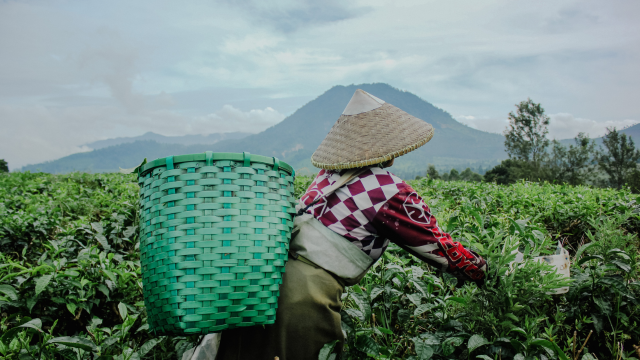
Why Is Matcha Popularity Rising Globally?
Matcha demand surges rapidly worldwide.
What was once a traditional Japanese beverage now gains spotlight as a “superfood” riding global health booms and visual-emphasis trends.
Four reasons explain the popularity.
First, rising health consciousness.
Matcha contains abundant catechins with antioxidant properties, vitamins, and concentration-enhancing caffeine, attracting attention for beauty and immune strengthening. Also popular as coffee alternative, matching needs for “caffeine stimulation but stomach-gentle beverages.”
Next, matcha latte and sweets trend formation.
Centered on millennials and Gen Z, matcha beverages and confections gain popularity, becoming standard menu items at overseas major cafe chains including Starbucks. Particularly, vibrant green coloring creates “Instagram appeal,” providing exceptional SNS viral potential.
Additionally, overseas influencers broadcasting matcha-based health methods, diets, and beauty recipes further expands demand. Instagram posts tagged #matcha exceed 10 million, making matcha a global cultural icon.
Furthermore, yen depreciation strengthening export competitiveness provides tailwinds. Japan’s 2024 green tea export value reached ¥36.4 billion, 25% year-over-year increase, with matcha representing the majority. From overseas perspectives, high-quality Japanese matcha remains relatively affordable, with rapidly increasing needs from commercial to individual consumption.
Production Cannot Keep Pace, Farmer Burdens Reach Limits
While global matcha demand expands, Japanese farmers face supply limits.
Despite boom benefits, actual production sites continue “wanting to produce but unable to” conditions. The primary reason: production systems cannot physically or structurally catch up with surging demand.
First, increasing production requires new tea field development, but matcha tea plants require minimum 5 years until harvest. During this period, costs advance without income, preventing many farmers from increasing production.
Furthermore, matcha raw material tencha involves extremely labor-intensive cultivation and processing. Tea fields require light-blocking covers, demanding hand-picking and precise management. Post-harvest requires drying and grinding at limited specialized tencha facilities. All these processes require time, manpower, and equipment, exceeding what individual farmers can handle alone.
Additionally, climate change damage intensifies seriously. Through 2023-2024, major Japanese tea production areas suffered significant heat wave and drought impacts, with tea plant shoots failing to grow adequately and dying mid-growth. In Aichi and Kyoto prefectures, some farmers report harvest volumes declining 20-50% versus previous years.
Furthermore, tea fields concentrated in mountainous areas resist mechanization, mostly requiring manual work. Most workers are elderly, with successor shortages. Voices spread among farmers saying “insufficient manpower” and “physical strength unsustainable,” with production capacity itself threatening further contraction.
“Matcha Is Profitable” — An Illusion? Tea Farmers’ Raw Voices

Unstable Income, Stagnant Wages
“Matcha boom enriches farmers”—commonly assumed, but reality is opposite.
Sueyoshi Tea Workshop representative Takefumi Mataki states in his note:
“Seven years after launching my tea company, still operating with carried-forward deficits. My monthly salary barely reaches ¥50,000. If this continues another three years unsuccessfully, I’ve decided to quit tea industry.”
These words represent many tea farmers’ common “voiceless voices.” While matcha market prices rise, farmer income does not increase. Because procurement prices don’t match retail prices.
Additionally, in exports and domestic sales, profits concentrate in distribution, retail, and brand sides, with farmers rewarded only at raw material prices. Despite enormous labor creating high-quality matcha, actual profits received remain extremely minimal. Subtracting expenses and labor costs, break-even or loss cases are not uncommon.
“Matcha Farming = Promising” Reality Crumbling
Matcha farming once represented aspirational occupations: “working in nature,” “engaging with culture.” However, this image now diverges from reality.
Several serious factors provide background:
- Steep-slope fields preventing machinery use make heavy labor unavoidable
- Recent heat waves and droughts make tea plants disease-prone and growth-difficult
- Aging advances, tea gardens without successors increase nationwide
- Low sales make even financial institution loans difficult
Particularly, tea plants requiring years to cultivate with invisible immediate results prevents young generation entry. While SNS and media glamorize matcha, fields swirl with desperate concerns: “physical limits reached” and “no next generation.”
Premium Matcha Sells Like Hotcakes, Yet Farmers Receive No Benefits?

Branded Tea Merchants and Retailers Obtain “Majority Profits” Structure
Matcha from famous production areas including Kyoto Uji trades at unprecedented high prices.
For instance, spring 2024 Uji tea markets saw tencha, matcha’s raw material, record all-time-high prices exceeding ¥8,000/kg (170% year-over-year increase). This reflects matcha popularity and global shortages, but these prices don’t directly become farmer income.
Actually, farmers receive only portions of prices, with intermediaries (wholesalers, processors), branded tea merchants, and retailers taking majority profits.
Particularly in geographically indicated (GI) and established brand-emphasized markets like “Uji Matcha” and “Nishio Matcha,” farmers launching brand sales independently faces difficulties. Agricultural cooperative and market-routed sales dominate, inevitably keeping farmers in “raw material provider” positions.
Why Don’t Profits Reach Farmers? Three Reasons
- Low price formation transparency: Despite high market prices, profits accumulate through distribution, processing, and blending stages, rarely reflecting to farmers
- High direct sales barriers: Even when farmers attempt retail, branding, sales channels, and financial capacity create high difficulty
- Brand-emphasizing consumer psychology: Consumers strongly seek “established names,” making unknown farmer brands less attractive
Connecting Farmer Efforts: Challenges Without Losing Hope

A small but growing ray of hope
While “matcha farming = unrewarded” conditions persist, future-oriented challenges begin across regions.
While many farmers face harsh realities, movements to independently develop sales channels and construct new revenue models through regional cooperation gradually spread. One example: acquiring organic JAS certification.
This certification system for pesticide-free and chemical-fertilizer-free cultivation contributes to export expansion into organic-oriented European and North American countries. Certification raises added value, facilitating overseas buyer trust as “safe, high-quality Japanese matcha.”
Additionally, local company partnerships developing proprietary matcha products activate. Matcha chocolates, craft drinks, and regional limited sweets advance “farmer-name-forward” product development, drawing attention to previously market-buried small-scale producers.
Furthermore, “experiential sales” combining tea ceremony and tourism experiences receive re-evaluation leveraging inbound demand. For instance, providing tourists with farm-grown matcha and connecting direct purchases through tea-picking and hand-rolling experiences matters not only for revenue but also for deepening “farmer-consumer relationships.”
Additionally, attention gathers on carbon credit utilization as new income sources. Movements spread toward agricultural management diversification by “visualizing” tea field CO₂ absorption capacity as environmental value and providing environmental-conscious business value to corporations.
Examples: Challengers Creating Sustainable Models
TeaRoom (Tokyo × Shizuoka)
Venture company launched by young Urasenke-origin manager, succeeding Shizuoka Honzan-area Japanese tea factory. Constructing sustainable business models with farmers through organic cultivation and tea ceremony culture-linked marketing.
Shizuoka Organic Matcha
Acquiring organic JAS certification, directly selling to overseas buyers. “Three-way benefit” mechanisms where farmers × export traders × processors share profits attract attention.
Common across these: farmers not remaining mere “raw material providers” but actively engaging through distribution and branding. This enables not only profitability improvement but also increasing farmers regaining pride in cultivation and work.
Protecting Matcha Farmers’ Future Requires Consumer Understanding

Keys to supporting matcha’s future lie with consumers—”us.”
Currently, people worldwide enjoying matcha praise its rich flavors and cultural value. However, we must not forget farmer existence daily protecting tea fields while battling climate change, harsh labor, and aging.
Many farmers maintain quality commitment and accumulate careful work. Yet currently, distribution structure and price imbalances make livelihoods unsustainable in many cases. Changing these structures requires indispensable consumer choices and understanding.
Three Things We Can Do
- Choose trustworthy domestic, farm-direct products over cheap “fake matcha” → Rather than seeking only affordability, purchasing behaviors with quality and producer respect
- Support and share farmer and production area activities on SNS → Small actions like follows, shares, and likes encourage farmers
- Visit tea field regions and experience local matcha → Real consumption connecting culture and agricultural sites through tea-picking and tea ceremony experiences
Deeper Understanding Through Matcha Times

Matcha Times carefully conveys not only matcha’s appeal but also production site challenges, changes, and future challenges. Knowing the reality behind “delicious” should connect to deeper matcha experiences.
Summary: Know Matcha Farmer Realities, Act to Connect Futures
Currently, Japanese matcha farmers face harsh choices behind the boom. While premium matcha attracts attention, farmers are squeezed between prices and production costs. Additionally, climate change and aging accelerate, endangering successor futures.
Our consumer choices determine tea industry futures.