Matcha vs. Sencha vs. Gyokuro: Complete Professional Comparison of Cultivation, Production, and Flavor Profiles
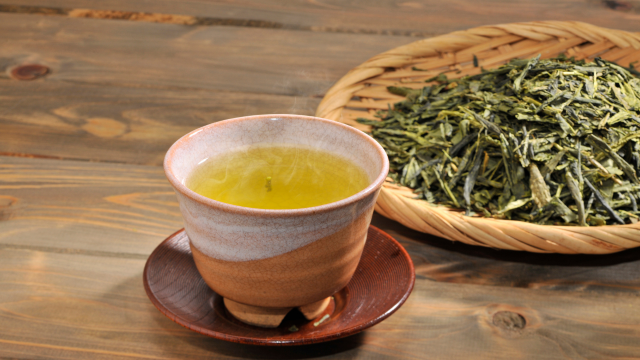
Japanese green teas—matcha, sencha, and gyokuro—emerge from the same tea plant yet possess completely distinct personalities shaped by cultivation methods and processing techniques. This article, from a matcha specialty media perspective, carefully explains each difference, comprehensively introducing flavor profiles, health benefits, and optimal consumption scenarios.
This article reveals:
- Basic differences between matcha, sencha, and gyokuro (cultivation, production, taste, aroma)
- Functional components and consumption method characteristics of each green tea type
- How to select the best green tea by scenario
- Expert-verified comparative information and practical application tips
\For Companies Seeking Matcha Powder/

We source matcha from Japan’s premier production regions including Kyoto Uji, Kagoshima, Fukuoka, and Shizuoka, offering comprehensive grade ranges from organic JAS-certified ceremonial grade to processing-grade matcha.
Common Challenges:
- “We have projects but cannot secure stable matcha supply…”
- “We want to incorporate matcha into new café menu items!”
If you face these concerns, consult with Matcha Times. Feel free to contact us for initial inquiries.
How Are Green Teas Classified? Understanding the Three Basic Types
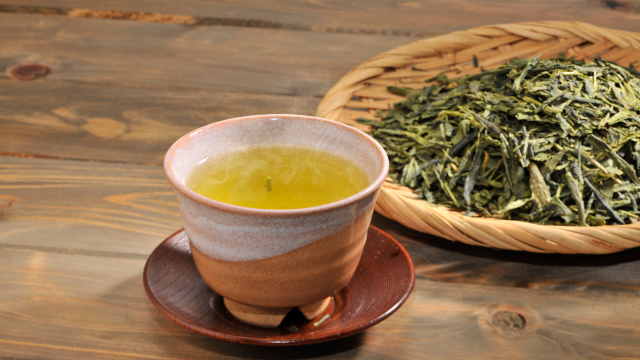
Among Japanese teas, particularly popular “matcha, sencha, and gyokuro” are all classified as green tea. However, each possesses clear differences in cultivation methods, manufacturing processes, and flavor profiles.
This chapter first introduces green tea’s basic structure and classification in accessible terms.
All Green Teas Are Non-Fermented Teas from “Camellia sinensis”
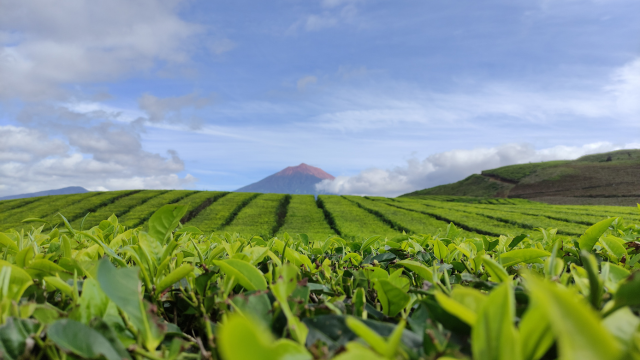
Japanese green teas are produced from Camellia sinensis, the same plant. Immediately after picking, steam heating stops oxidation enzyme activity, preventing oxidation (fermentation), thereby preserving the tea leaves’ vibrant green color and refreshing flavor.
Representative green teas include:
- Sencha: Mainstream variety comprising approximately 70% of Japanese tea. Well-balanced astringency and umami
- Gyokuro: Premium tea with concentrated sweetness and umami achieved by shading from sunlight. Distinctive covered fragrance characteristic
- Matcha: Powdered green tea consumed whole. Widely used in tea ceremony, confectionery, and beverage applications
- Bancha, Genmaicha, Hojicha: Differences in production timing and processing methods; all classified as green tea
Cultivation Method Differences | Sunlight Management Directly Affects Flavor
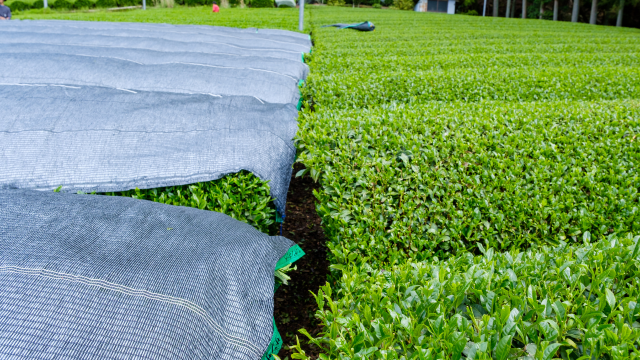
Green tea flavor differences largely stem from “sunlight management” during cultivation. Particularly matcha and gyokuro are grown using techniques called “covered cultivation.”
Covered Cultivation: Traditional Technique Enhancing Umami
Covered cultivation involves covering the entire tea field 20-30 days before harvest to block direct sunlight. This produces the following effects:
- L-theanine (amino acid) is retained, intensifying umami
- Transformation to catechins (astringency components) is suppressed, accentuating mellowness
- Unique “covered fragrance (green notes)” forms from shading
Tencha (for matcha production) and gyokuro are grown using this method. Conversely, sencha grows in open-field cultivation absorbing abundant sunlight, resulting in characteristic refreshing astringency.
Production Method Differences | Rolling vs. Non-Rolling vs. Grinding
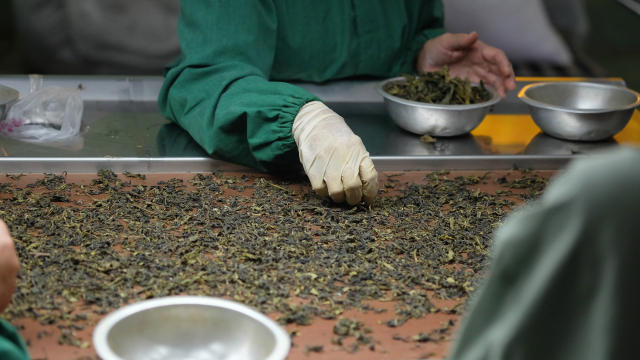
Post-harvest manufacturing processes also determine taste and nutritional value. Here we organize processing differences for matcha, sencha, and gyokuro.
Steaming→Rolling→Drying vs. Steaming→Drying→Grinding
- Sencha and Gyokuro: Picked tea leaves are steamed, rolled to shape, then dried (rolling production method). “Infusion-type” green tea where leaves are extracted for drinking.
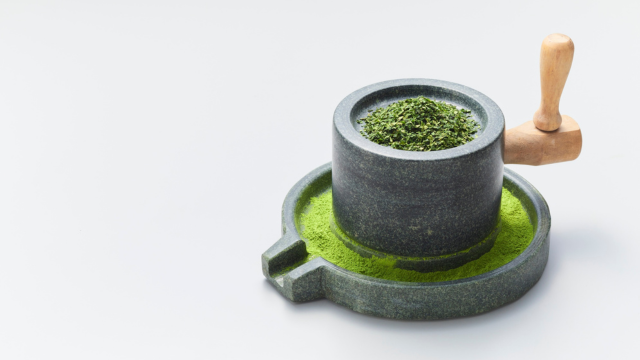
- Matcha: Tencha-specific tea leaves are steamed then “dried without rolling,” subsequently ground into fine powder using stone mills or air-current grinding machines. “Whole-leaf consumption type” green tea where leaves are consumed directly.
Because matcha undergoes no rolling, cell walls remain largely intact, and powdering enables consumption of dietary fiber and chlorophyll.
Taste and Aroma Differences | Individuality Created by Production and Cultivation
Matcha, sencha, and gyokuro each possess distinctive flavors. Summarized below:
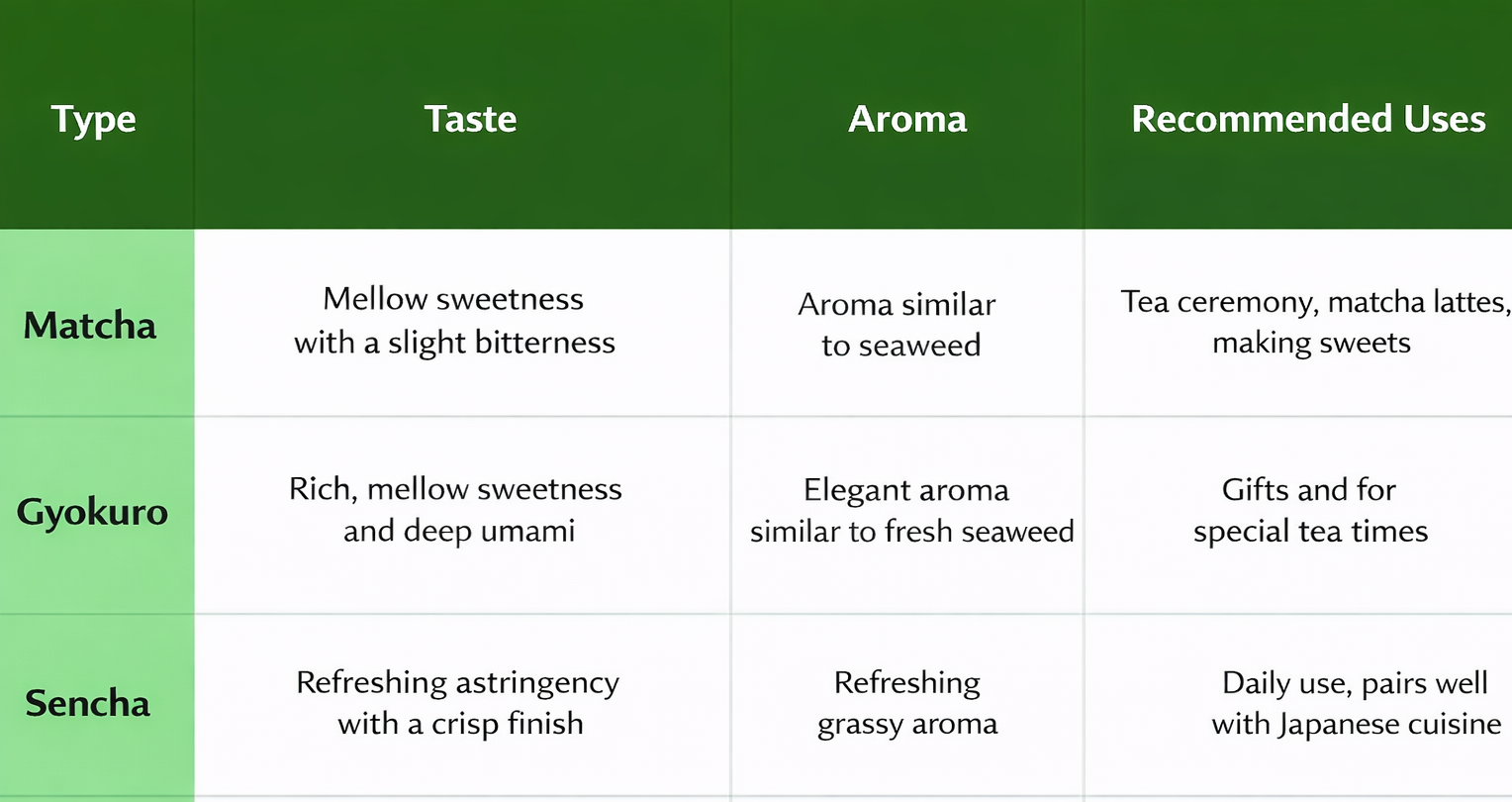
Water temperature adjustment also proves important. Gyokuro at approximately 50°C, sencha at 70-80°C, and matcha prepared around 80°C enhances flavor.
Health Component and Consumption Method Differences
Green teas commonly contain functional components including catechins, L-theanine, Vitamin C, saponins, and chlorophyll, but consumption methods create intake quantity differences.
Matcha: Incorporating Complete Nutrients
- Dissolving powder for consumption enables intake of dietary fiber, chlorophyll, and fat-soluble vitamins
- EGCG (epigallocatechin gallate) intake quantity tends to increase
Gyokuro: Rich in Relaxation Components
- High L-theanine content from shading offers expected relaxation effects and concentration maintenance
- Umami thoroughly emerges even with low-temperature extraction
Sencha: Well-Balanced Antioxidant Components
- Abundant catechins and Vitamin C; possibilities for antioxidant action and lifestyle disease prevention are researched
- Easy to consume alongside meals
※None are nutritional supplements; effects center on daily consumption habits.
For Those Wanting to Explore Tea’s Appeal More Deeply

Matcha specialty media “Matcha Times” comprehensively publishes everything from matcha fundamentals to professional production explanations, authentic café information nationwide, and latest industry trends.
Why not deepen your exploration of the matcha world beloved domestically and internationally?
Summary | Know the Differences, Choose More Deliciously
Matcha, sencha, and gyokuro possess differences seemingly impossible from originating in the same tea leaves. Understanding each characteristic—cultivation, production methods, taste, aroma, and health effects—enables richer tea life enjoyment.
- Matcha: Whole-leaf consumption type. Rich flavor and high nutritional value
- Gyokuro: Luxurious sweetness and aroma. For special moments
- Sencha: Crisp and refreshing. Optimal for daily health habits
Select the optimal cup according to season, mood, and scenario.