[2026 Latest Edition] What Is Mushakōjisenke? Understanding the “Quiet Lineage” Among San-Senke
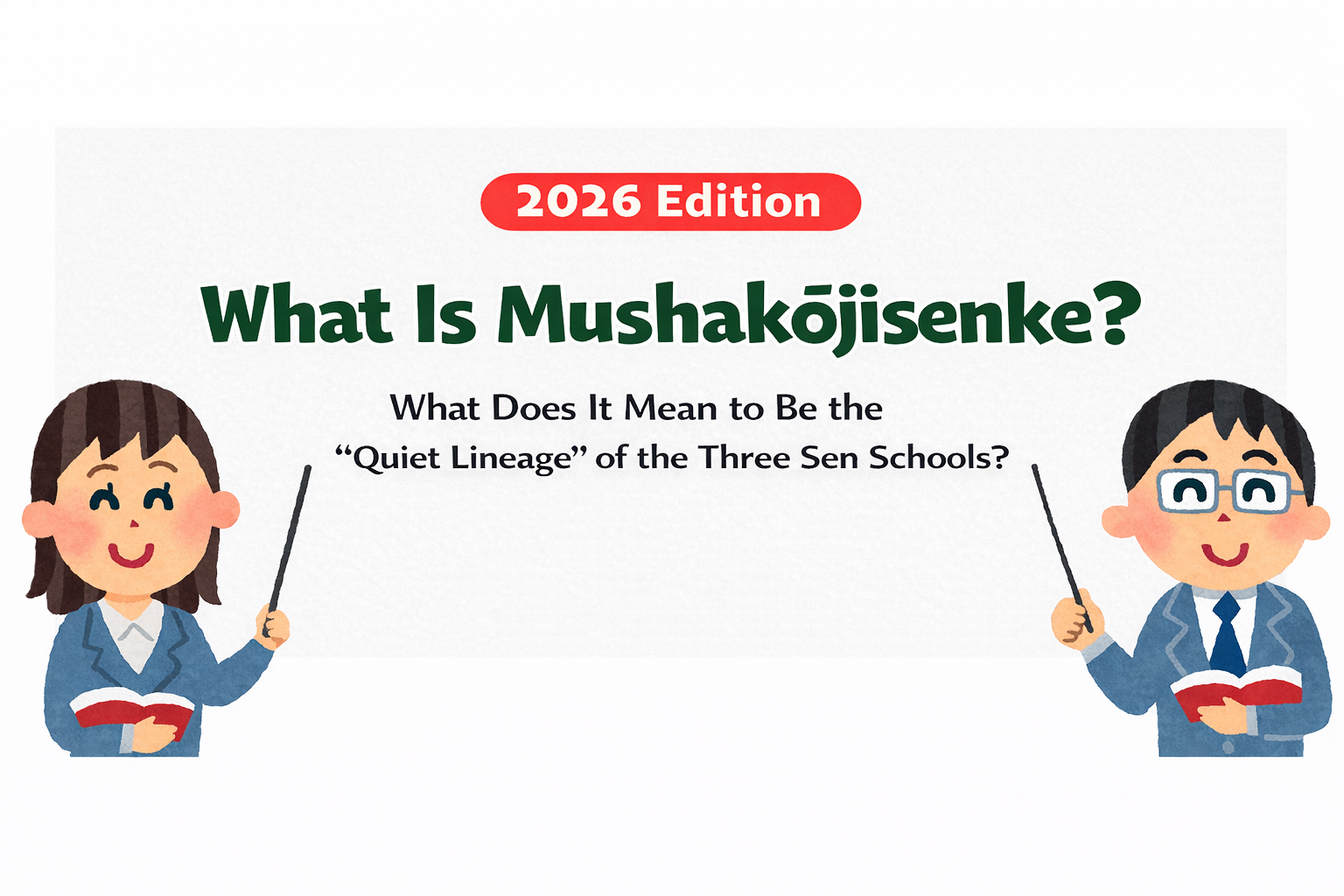
\For Companies Seeking Matcha Powder/

We source matcha from Japan’s premier production regions including Kyoto Uji, Kagoshima, Fukuoka, and Shizuoka, offering comprehensive grade ranges from organic JAS-certified ceremonial grade to processing-grade matcha.
Common Challenges:
- “We have projects but cannot secure stable matcha supply…”
- “We want to incorporate matcha into new café menu items!”
If you face these concerns, consult with Matcha Times. Feel free to contact us for initial inquiries.
What Are San-Senke in Tea Ceremony?
“San-Senke” refers to three iemoto schools inheriting Sen no Rikyū’s tea ceremony. Omotesenke, Urasenke, and Mushakōjisenke correspond, each headquartered in Kyoto. These San-Senke were established from Edo period onward, continuing to represent Japan’s tea ceremony world in contemporary times.
- Omotesenke: Founded by Sen no Rikyū’s great-grandson Kōshin Sōsa
- Urasenke: Founded by Sensō Sōshitsu
- Mushakōjisenke: Founded by Ichiō Sōshu
This article explains in detail the generally less-known “Mushakōjisenke”—its history, principles, activities, and temae characteristics.
Mushakōjisenke’s Origins and History
Establishment by Ichiō Sōshu
Mushakōjisenke was founded by Ichiō Sōshu, third son of Sen Sōtan (Sen no Rikyū’s grandson). Born as Sōtan’s third son, Sōshu studied tea ceremony like his brothers. In the 1670s, he established residence on Kyoto’s Mushakōji Street, giving rise to the name “Mushakōjisenke.”
Initially, activities remained somewhat modest compared to the other two Senke, but from Meiji period onward, renewed attention emerged.
Successive Iemoto Lineage
Mushakōjisenke iemoto have inherited the title “Sōshu” through generations. Currently, 15th-generation Sen Sōoku serves as iemoto. He actively seeks new tea ceremony approaches for modern times, engaging in cultural dissemination domestically and internationally.
Mushakōjisenke’s Tea Room and Utensils
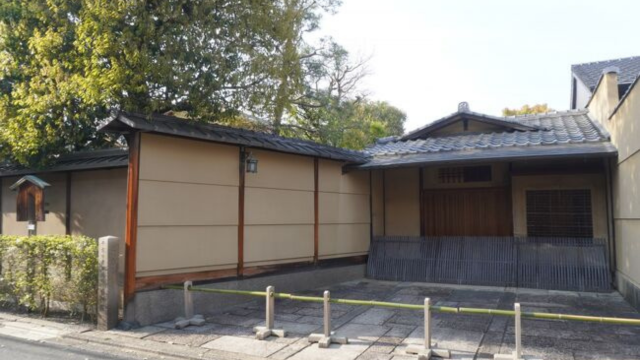
Kankyū-an: Spiritual Center
Mushakōjisenke’s tea room “Kankyū-an” is located in Kyoto’s Kamigyo Ward, possessing the most compact and tranquil presence among San-Senke. Compared to Omotesenke’s “Fushin’an” and Urasenke’s “Konnichian,” Kankyū-an is known as a tea room embodying “simplicity,” “purity,” and “serenity.”
- Location: Mushakōji Street, Kamigyo Ward, Kyoto City
- Public Access: Generally closed (opened for special tea gatherings and events)
While tea room scale and decoration remain relatively modest, the space reveals meticulous consideration in utensil usage and room arrangement.
Temae (Procedure) Characteristics and Principles
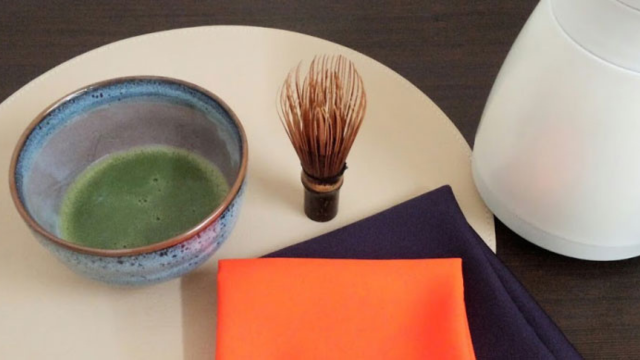
School Emphasizing Moderation and Practicality
Mushakōjisenke temae, contrasted with Omotesenke’s “formality severity” and Urasenke’s “flexibility and accessibility,” features “moderate and practical etiquette.”
- Subdued, quiet movements
- Emphasizing “heart” over procedures
- Conscious connection with daily life
Temae favoring “not excessively constrained by rules, yet not disorderly, harmonizing practicality with spirituality” is preferred.
Mushakōjisenke’s Educational and Promotion Activities
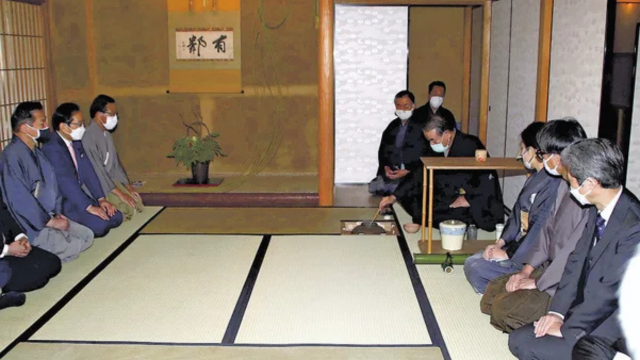
Modest Yet Steady Promotion
While Urasenke develops nationwide educational activities through “Tankōkai,” Mushakōjisenke emphasizes deep instruction and practice within limited scope.
- Select tea ceremony classes and study groups
- Modest school tea ceremony and corporate partnerships
- Individual overseas development (examples: tea gatherings in Paris and New York)
The principle of valuing internal depth over superficial scale reflects in activity policies.
Current Iemoto Sen Sōoku’s Contemporary Challenges
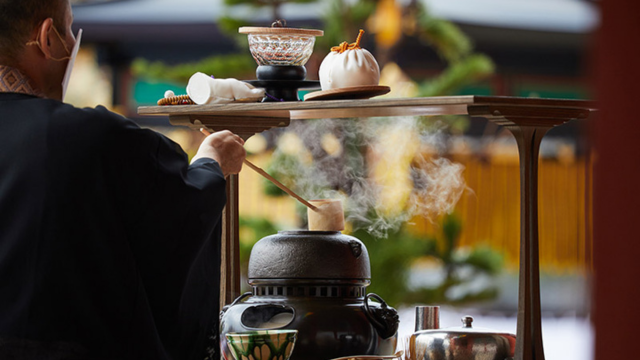
15th iemoto Sen Sōoku transcends tradition preservation, developing activities beyond conventional frameworks including collaborations with art, fashion, and contemporary architecture.
- 2017: Venice Biennale participation
- Tea room design collaboration with contemporary architects
- Tea ceremony lectures and demonstrations overseas
Sōoku emphasizes “not preserving forms but ‘activating the spirit behind forms’ in contemporary contexts,” advocating “living tea ceremony.”
Mushakōjisenke’s Future Potential

Appeal of Selective Excellence
Though name recognition may lag behind Omotesenke and Urasenke, Mushakōjisenke represents an ideal school for “those wanting deep learning” or “those wishing to contemplate tea ceremony through personal sensibility.”
- Careful instruction according to individual mastery levels
- Affinity with art and philosophy
- Spiritual growth in quiet environments
Future connections with global trends will likely further elevate Mushakōjisenke’s value.
For Those Wanting to Touch Matcha’s Profound World More Deeply

For those wanting to explore the frontlines of matcha business expanding overseas more deeply, “Matcha Times” delivers the “now” of the matcha boom occurring worldwide—centered on America, Europe, and Asia—based on primary information.
- Market data analysis by country (market size, growth rates, consumption trends)
- Success stories from local brands and cafés
- Original interviews with producers, tea masters, and buyers
- Latest sustainability, export, and regulatory information surrounding matcha
Beyond mere news, we develop analysis delving into “stories behind numbers” and “voices of people moving culture.” We explore from on-the-ground perspectives how Japanese matcha is evaluated globally and how it’s evolving.
A specialized media for business professionals, producers, café owners, brand managers—“those seriously wanting to understand matcha markets.”
Understanding how global matcha moves represents the first step toward seizing next business opportunities. Let’s expand your matcha story together from here.
Summary | Mushakōjisenke: Tea Ceremony Continuously Questioning “Essence”
Mushakōjisenke distinguishes itself from showiness and mass appeal, confronting “tea’s essence,” “spirituality,” and “practicality.” Through successive iemoto’s quiet innovation and current Sen Sōoku’s new challenges, its presence steadily evolves.
For those wanting deep tea ceremony engagement or seeking time for self-confrontation, Mushakōjisenke’s teachings offer significant inspiration.
[References and Sources]
- Mushakōjisenke: Official Website (https://kankyuuan.jp/)
- Tea Ceremony San-Senke Encyclopedia (Tankosha, 2020)
- Sen Sōoku Official SNS and Lecture Records
- Venice Biennale Japan Pavilion Exhibition Materials (2017)