Did Matcha Come from China? Origins and Development History of Japanese Matcha Culture
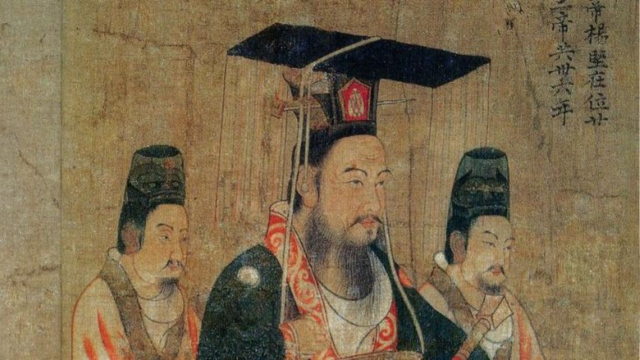
While matcha is cherished as Japanese traditional culture, did you know its roots lie in China? This article comprehensively explains from matcha’s origins through transmission to Japan and cultural development via tea ceremony. Let’s unravel the long historical flow connecting to today’s matcha boom.
\For Companies Seeking Matcha Powder/
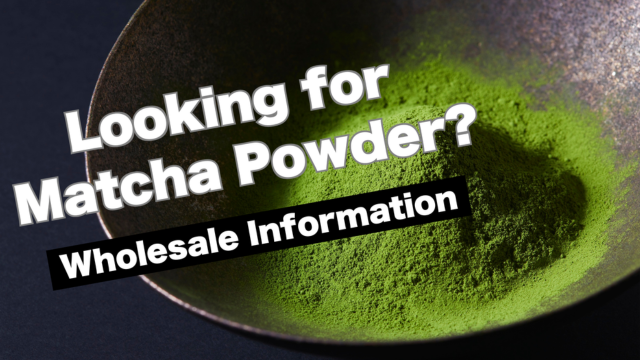
We source matcha from Japan’s premier production regions including Kyoto Uji, Kagoshima, Fukuoka, and Shizuoka, offering comprehensive grade ranges from organic JAS-certified ceremonial grade to processing-grade matcha.
Common Challenges:
- “We have projects but cannot secure stable matcha supply…”
- “We want to incorporate matcha into new café menu items!”
If you face these concerns, consult with Matcha Times. Feel free to contact us for initial inquiries.
Matcha’s Origins | Diancha Culture Beginning in China’s Tang Dynasty
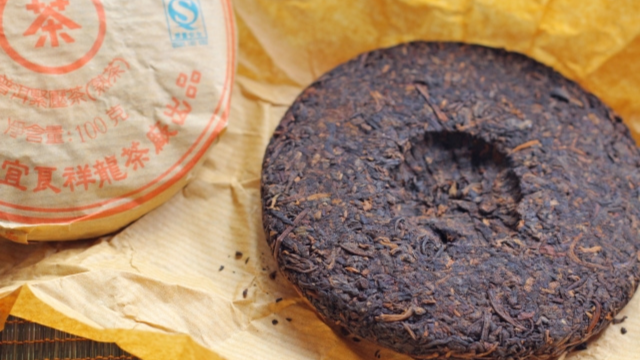
Matcha’s prototype “diancha” (whisked tea) traces back to China’s Tang Dynasty (618-907). The style of pulverizing “dancha” (tea cakes) and whisking with hot water was standard. Dancha was solid tea used in Tang-Song Dynasty China—steamed tea leaves compressed, dried, powdered, and whisked with water for consumption. This production method transmitted to Japan, eventually becoming the foundation for tea ceremony and matcha culture.
This diancha method reached its zenith during Song Dynasty (960-1279), spreading among imperial courts and literati. Techniques whisking powdered tea in white porcelain bowls with chasen bamboo whisks represent today’s matcha prototype.
Source: Tea Culture and History | Japan Tea Central Public Interest Incorporated Association
Transmission to Japan | Tea Lineage Inherited from Saichō and Kūkai to Eisai
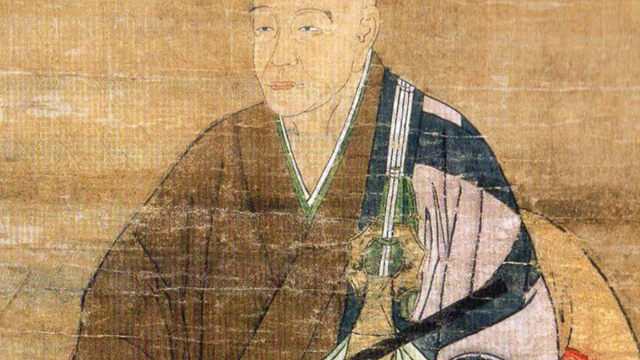
Tea transmission from China to Japan occurred in early Heian period (9th century). Saichō and Kūkai, who traveled to Tang China, reportedly brought back tea seeds and drinking culture.
However, establishing authentic matcha culture foundations was Kamakura period monk Eisai (1141-1215). After returning from Song China in 1191, he authored “Kissa Yōjōki” (Drinking Tea for Health), recording “Tea is the elixir medicine for nurturing life.” From this time, medicinal tea spread alongside Zen Buddhism.
Source: Kissa Yōjōki | National Diet Library Digital Collection
Birth of Tea Ceremony and Matcha Refinement | Muromachi Through Azuchi-Momoyama Periods
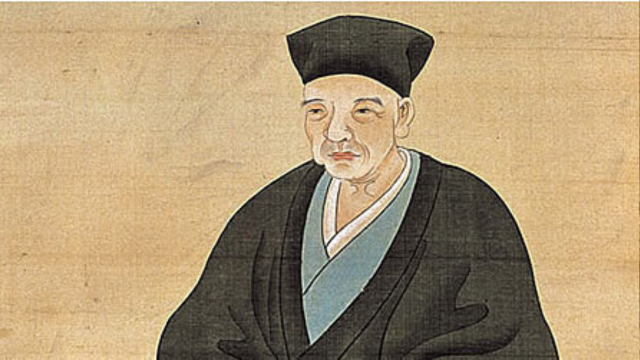
Japan’s unique matcha culture developed from Muromachi through Azuchi-Momoyama periods. During Ashikaga Yoshimitsu and Yoshimasa’s eras, artistic value of tea utensils and implements as “Chinese imports” was emphasized, with tea gathering culture becoming established.
Receiving this flow, Sen no Rikyū (1522-1591) elevated previously magnificent tea ceremony into simple, highly spiritual “wabi-cha.” Using four-and-a-half-mat rustic tea rooms as stage, he respected ichigo ichie (once-in-a-lifetime encounter) through tea gatherings, emphasizing wa-kei-sei-jaku (harmony, respect, purity, tranquility) spiritual aesthetics while building unique beauty. Seeking necessary minimum simplicity in tea utensils and arrangements, Rikyū’s philosophy honoring “beauty of insufficiency” elevated matcha from mere beverage to philosophical culture, establishing Japan’s unique tea ceremony culture foundations.
These continue as Japan’s unique tea ceremony culture to present day.
Source: Sen no Rikyū’s Tea Ceremony Philosophy | Tea Ceremony Culture Association
Matcha Culture from Edo Through Meiji Periods | Tea World Expanding Among Commoners
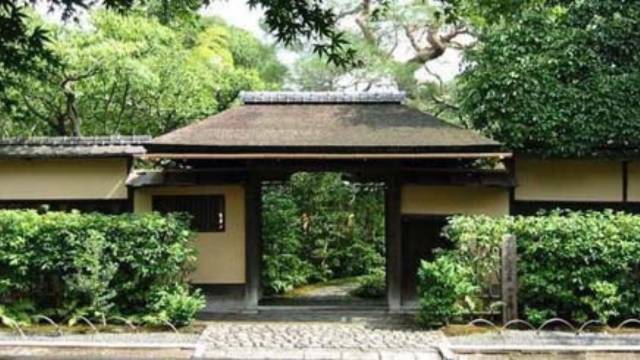
Entering Edo period, tea ceremony established itself as warrior class refinement, with forms and etiquette further refined. During this time, inheriting Sen no Rikyū’s lineage, the “San-Senke” (Three Sen Houses)—Omotesenke, Urasenke, Mushakōjisenke—were organized, with each iemoto cultivating disciples, spreading tea ceremony spirit and techniques nationwide. Tea ceremony transcended mere hobby, establishing status as cultural refinement combining formality and education.
Meanwhile, among commoners, while more accessible sencha and bancha spread, customs remained of using matcha for special occasions including annual events, festivals, and weddings, broadening tea culture’s base.
However, following Meiji Restoration, Western culture influx and warrior class dissolution caused tea ceremony’s temporary decline. Nevertheless, through Japanese culture reevaluation flows beginning from late Meiji, introduction to girls’ education, and imperial cultural protection influences, tea ceremony was reconsidered, achieving revival as modern education and artistic way. Thus, matcha and tea ceremony built cultural foundations continuing to present.
Source: Early Modern to Modern Japanese Tea History | Oi Ocha Museum
Contemporary Matcha Culture and Global Boom | Why Is Matcha Attracting Attention Now?
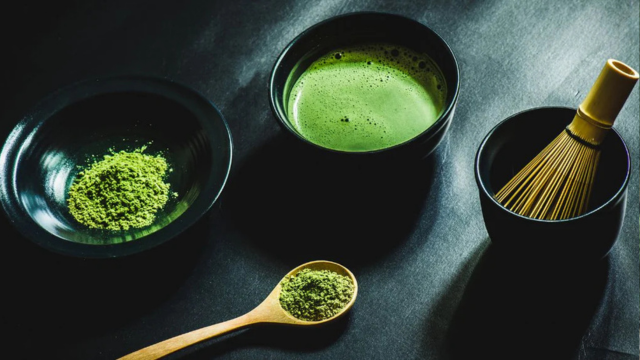
Entering the 21st century, matcha has sparked global boom centered on North America, Europe, and Southeast Asia beyond Japan domestically. So why is matcha attracting such attention now? Reasons broadly divide into three:
Health Consciousness and High Nutritional Value
First attracting attention is matcha being superfood with extremely high nutritional value. Matcha abundantly contains catechins, theanine, vitamins A, C, E, dietary fiber, and minerals. Particularly, from the characteristic of consuming whole tea leaves, strong antioxidant effects with expected benefits for beauty and immune enhancement exist. In the West, popularity rises as “MATCHA” for healthy drink and protein smoothie ingredients, strongly supported by organic-oriented and vegetarian demographics.
Visually Appealing in SNS Era
Another factor is matcha’s visual beauty. Vivid green color instantly brightens latte, sweets, and parfait visuals, treasured as photogenic material on Instagram, TikTok, and other SNS. This visual appeal power became the trigger for recognizing “matcha = stylish and cool presence” even among younger generations, with matcha menus introduced at cafés and bakeries worldwide.
Interest in Tea Ceremony Experiences and Japanese Lifestyle
Furthermore recently, amid rising interest in Japanese culture itself, matcha and tea ceremony are accepted as “lifestyle with spirituality”—also a major characteristic. Particularly in tourist areas, foreign travelers increasingly visit seeking tea ceremony experiences, bearing part of inbound demand. Additionally, with high affinity to meditation, mindfulness, and slow food contexts, matcha’s role as “beverage for centering the heart” is being redefined.
Thus, matcha culture nurtured in Japan is now reevaluated as “symbol of global Japanese culture.”
Source: MATCHA Boom International Development | JETRO MAFF Report
Discover Global Matcha Trends with Matcha Times

For those wanting to explore the frontlines of matcha business expanding overseas more deeply, “Matcha Times” delivers the “now” of the matcha boom occurring worldwide—centered on America, Europe, and Asia—based on primary information.
- Market data analysis by country (market size, growth rates, consumption trends)
- Success stories from local brands and cafés
- Original interviews with producers, tea masters, and buyers
- Latest sustainability, export, and regulatory information surrounding matcha
Beyond mere news, we develop analysis delving into “stories behind numbers” and “voices of people moving culture.” We explore from on-the-ground perspectives how Japanese matcha is evaluated globally and how it’s evolving.
A specialized media for business professionals, producers, café owners, brand managers—“those seriously wanting to understand matcha markets.”
Understanding how global matcha moves represents the first step toward seizing next business opportunities. Let’s expand your matcha story together from here.
Summary | Knowing Matcha’s Roots Makes Japanese Culture More Fascinating
Matcha is cultural beverage born in China, deepened and refined in Japan. Developing alongside Zen Buddhism and tea ceremony, it eventually elevated into existence embodying Japanese spiritual culture.
And now, matcha attracts attention worldwide again. Resonating with contemporary values—health, beauty, spirituality—it breathes into our lives in new forms.
Why not whisk matcha once and contemplate its thousand-year history?
References and Sources List
Ministry of Agriculture, Forestry and Fisheries/JETRO, “Matcha Exports and Overseas Boom”
https://www.jetro.go.jp/ext_images/jfile/report/07002141/food_export.pdf
Japan Tea Central Public Interest Incorporated Association, “Tea Culture and History”
https://www.nihon-cha.or.jp/
National Diet Library, “Kissa Yōjōki (Eisai)”
https://dl.ndl.go.jp/info:ndljp/pid/991143
Tea Ceremony Culture Association, “Sen no Rikyū and Wabi-cha”
https://www.chanoyubunka.or.jp/
Itoen, “Japanese Tea History and Culture”
https://www.itoen.jp/museum/