Matcha Nutritional Value Comprehensive Comparison: How It Differs from Coffee, Black Tea, and Hojicha
While matcha attracts attention as a superfood beverage, how does it differ nutritionally from coffee, black tea, and hojicha? This article compares each beverage from perspectives including caffeine, antioxidant components, vitamins, and minerals, accurately explaining healthy matcha consumption methods.
This article reveals:
- Nutritional value differences between matcha and coffee, black tea, hojicha
- Components contained in matcha and health effects
- Caffeine consumption precautions and appropriate drinking methods
\For Companies Seeking Matcha Powder/
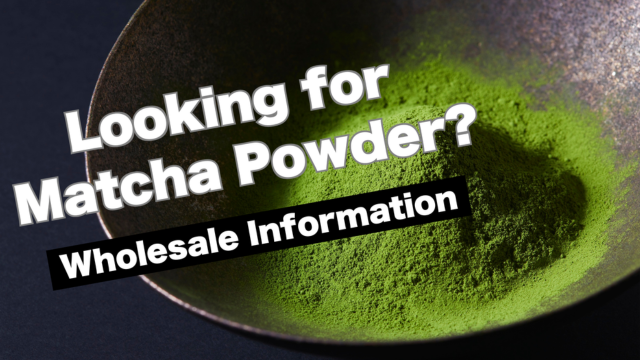
We source matcha from Japan’s premier production regions including Kyoto Uji, Kagoshima, Fukuoka, and Shizuoka, offering comprehensive grade ranges from organic JAS-certified ceremonial grade to processing-grade matcha.
Common Challenges:
- “We have projects but cannot secure stable matcha supply…”
- “We want to incorporate matcha into new café menu items!”
If you face these concerns, consult with Matcha Times. Feel free to contact us for initial inquiries.
Caffeine Content Comparison | Is Matcha Surprisingly High?
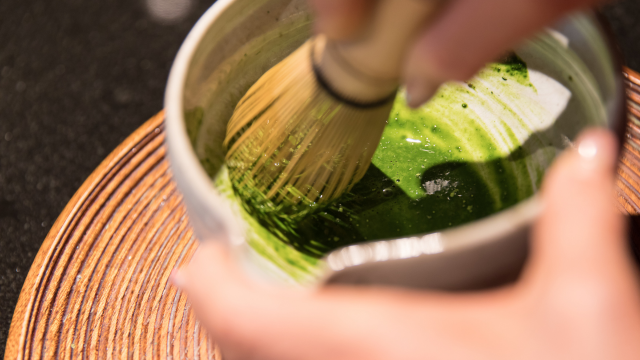
Because matcha involves consuming tea leaves directly, caffeine content tends to be slightly higher compared to other beverages.
Caffeine Amounts by Beverage (Per Serving Guidelines)
- Matcha (2g): Approximately 60-70mg
- Coffee (150ml): Approximately 80-100mg (varies by extraction method)
- Black tea (150ml): Approximately 30-50mg
- Hojicha (150ml): Approximately 20-30mg
Matcha exceeds black tea and hojicha, ranking second to coffee in caffeine content. Particularly thick matcha (koicha) can exceed 100mg.
Caffeine Characteristics and Precautions
- While offering concentration and awakening effects, excessive intake may cause insomnia and palpitations.
- Adult safe intake ceiling is approximately 400mg daily; pregnant women are recommended 200mg or less daily (EFSA/WHO standards).
- Avoid consumption late afternoon or on empty stomach.
Matcha’s synergy with L-theanine characteristically provides gentler, more sustained awakening effects than coffee.
Nutritional Components in Matcha and Their Effects
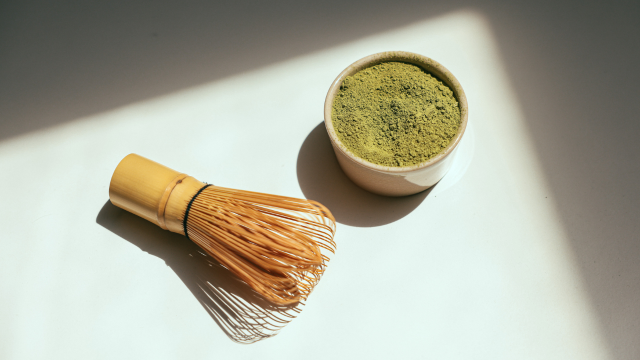
Because matcha involves consuming powdered tea leaves, it contains richer nutrition than regular sencha or black tea.
Matcha’s Primary Nutritional Components and Functions
| Component | Main Benefits |
|---|---|
| Catechins (EGCG) | Powerful antioxidant effects, helps prevent lifestyle-related diseases, promotes fat burning |
| L-Theanine | Promotes relaxation, supports sustained focus, reduces stress |
| Dietary Fiber | Improves gut health, supports regular digestion |
| Vitamin E | Antioxidant effects, helps prevent aging |
| Beta-Carotene | Boosts immunity, protects skin and mucous membranes |
| Caffeine | Increases alertness, boosts metabolism |
Many of these nutrients are insoluble, obtainable only through whole-leaf consumption in matcha. Particularly dietary fiber and beta-carotene are hardly obtainable from extraction-method sencha or black tea.
Nutritional Comparison Between Matcha and Other Beverages
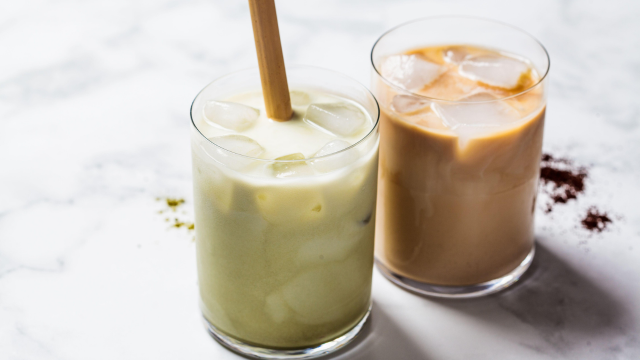
Let’s compare components and effects contained in each beverage.
Beverage Comparison Table (※Indicators represent general trends)
| Beverage | Key Characteristics | Antioxidant Compounds | Caffeine Level | Dietary Fiber | Consumption Method |
|---|---|---|---|---|---|
| Matcha | Extremely nutrient-dense; you consume the whole tea leaf | ◎ (EGCG) | Moderately high | ◎ | Drink the powdered leaf |
| Sencha | Brisk astringency and freshness; brewed green tea | ◯ (EGCG) | Moderate | × | Infusion (brewed) |
| Hojicha | Roasty aroma; lower caffeine | △ (catechins altered by roasting) | Low | × | Infusion (brewed) |
| Black Tea | Distinct aroma and flavor from oxidation | △ (theaflavins) | Moderate | × | Infusion (brewed) |
| Coffee | Strong stimulating effect; rich aroma | △ (chlorogenic acids) | High | × | Brewed extraction |
Effective Matcha Consumption Methods and Timing
Maximizing matcha’s benefits requires adjustments according to consumption timing and physical condition.
Recommended Consumption Timing
| Time of Day | Recommendation | Reason |
|---|---|---|
| Morning to Late Morning | Recommended | Helps you wake up and feel alert thanks to its stimulating effect |
| Around 2–3 PM | Recommended | Boosts focus without significantly affecting nighttime sleep |
| Evening / Night | Generally not recommended | Best avoided due to caffeine’s potential impact on sleep |
Consumption Amount Guidelines
- Healthy adults: Up to 2-3 cups daily (approximately 4-6g matcha)
- Pregnant/nursing individuals: Within 1-2 cups daily guideline, consume after medical consultation
- Children: Keep minimal due to high caffeine sensitivity
Additionally, post-meal consumption is ideal as empty-stomach consumption may irritate the stomach.
Discover More Ways to Enjoy Matcha

抹茶専門メディア「抹茶タイムズ」では、抹茶の効能、レシピ、カフェ紹介、業界インタビューなど幅広い情報を発信中です。
Summary | Matcha as “Drinkable Nutrition”—Use According to Purpose
Compared to coffee and black tea, matcha attracts attention as a nutrient-rich, body-gentle beverage. Particularly with expected wide-ranging health effects including antioxidant action, gut environment improvement, and concentration enhancement, it truly qualifies as “drinkable nutrition.”
However, attention to caffeine intake amounts and consumption timing proves necessary. Enjoying comfortably and healthily according to personal constitution and lifestyle is essential.