Matcha in Indonesia: Cafe Culture & Health Trends Driving Growth
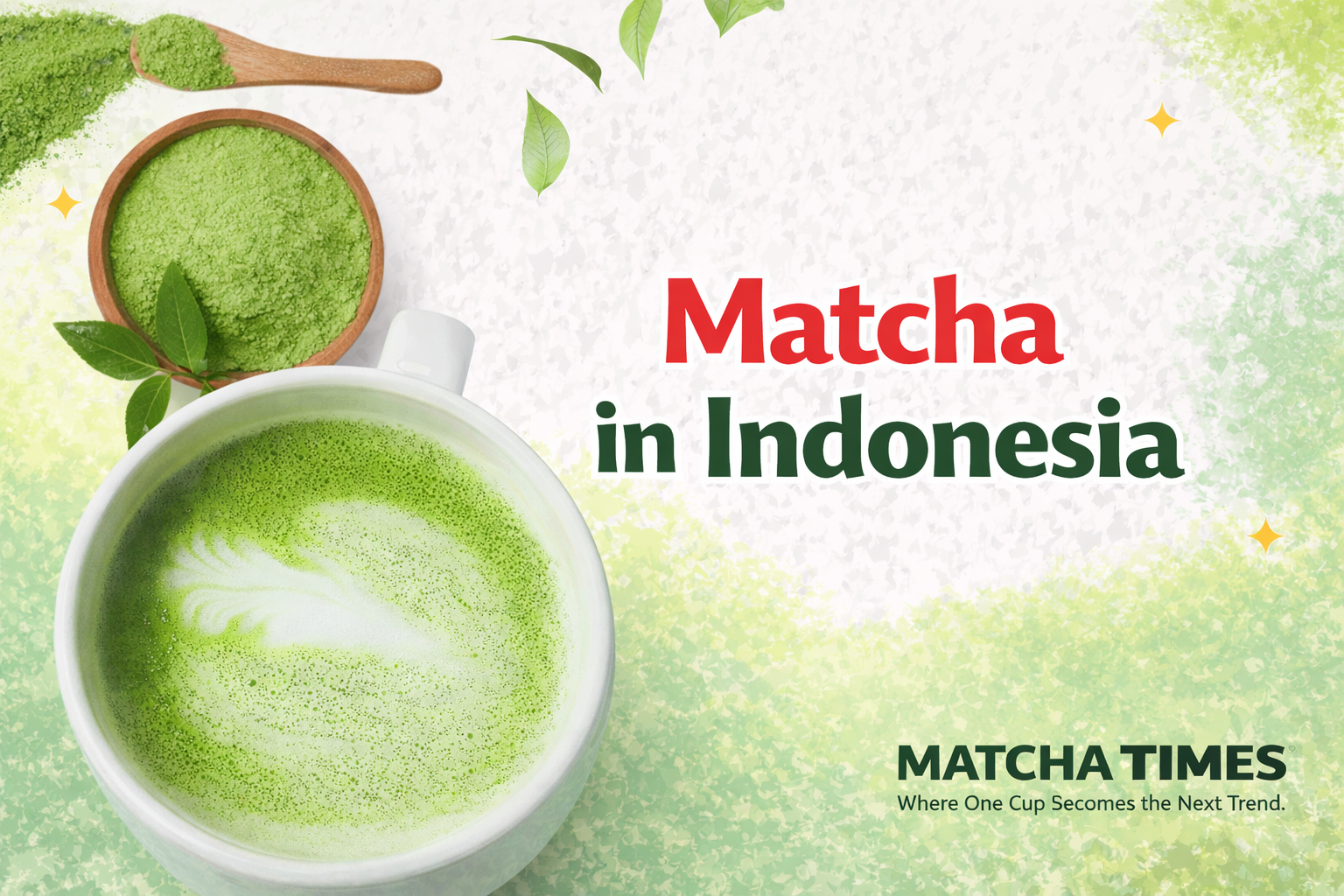
Indonesia, Southeast Asia’s most populous nation, is experiencing rapid expansion in youth culture and cafe society, with matcha gaining notable traction.
This article examines the background of matcha’s local popularity, market characteristics, quality challenges, and strategic opportunities for Japanese matcha brands seeking to enter this dynamic and growing market.
Key Takeaways
- Indonesia’s matcha market is expanding rapidly driven by vibrant cafe culture in Jakarta and Bali, particularly among youth demographics
- Matcha lattes dominate consumption as trendy, Instagram-worthy beverages combining health appeal with social media sharing culture
- Health consciousness and SNS influence are primary drivers, with matcha positioned as a beauty and detox beverage
- Market polarization exists between low-cost local “matcha-flavored” products and premium authentic Japanese matcha
- Key opportunities include premium positioning, halal certification for religious trust, and experiential content integration
- Indonesian market represents significant Southeast Asian growth potential with unique cultural and religious considerations
\Recommended Article/
\For Companies Seeking Matcha Powder/
We source matcha from Japan’s premier production regions including Kyoto Uji, Kagoshima, Fukuoka, and Shizuoka, offering comprehensive grade ranges from organic JAS-certified ceremonial grade to processing-grade matcha.
Common Challenges:
- “We have projects but cannot secure stable matcha supply…”
- “We want to incorporate matcha into new café menu items!”
If you face these concerns, consult with Matcha Times. Feel free to contact us for initial inquiries.
Matcha Popularity Spreading Alongside Cafe Culture

In Indonesia, cafe culture is expanding rapidly, particularly in urban centers like Jakarta and Bali. Recent years have seen not only specialty coffee shops but trendy cafes and dessert establishments opening consecutively, becoming indispensable to youth lifestyles. Within this context, matcha as a “stylish and healthy beverage” is gaining attention and steadily increasing in orders. Even in Jakarta, known as a coffee city, establishments offering matcha menus are proliferating, with matcha becoming a familiar everyday choice.
“Matcha Latte” Supported by Youth Demographics
Particularly popular in Indonesia is the matcha latte. The creamy, sweetened combination with milk appeals to those who find bitter coffee challenging, perfectly matching youth preferences. Additionally, the vibrant green color displayed in glasses serves as an “Instagram-worthy drink,” easily shared on Instagram and TikTok, with social media virality further accelerating popularity.
Furthermore, major cafe chains including Starbucks Indonesia regularly launch seasonal limited-edition matcha drinks, with youth visiting to try new products each time, establishing matcha consumption as a “trend experience” phenomenon.のも特徴です。
Compatibility Between Bali Tourism and Matcha Desserts
In the tourist destination of Bali, matcha-based desserts receive high appreciation from tourists and affluent consumers. For example, resort hotel lounges and upscale cafes feature matcha pancakes, matcha tiramisu, and matcha ice cream as popular items offering “special experiences evoking Japanese authenticity.”
Moreover, Bali attracts many foreign tourists, concentrating demographics with strong health consciousness and interest in foreign cultures. Matcha desserts combining “Japanese tradition” with “resort experience” radiate strong appeal as part of the tourism experience itself. Matcha penetrates the tourism market not only by creating the “healing, extraordinary atmosphere” characteristic of resort destinations but also as an element adding exotic appeal.
Health Consciousness and SNS Driving Demand

Behind Indonesia’s matcha popularity lie health consciousness and digital generation SNS utilization as major factors. While coffee and sugar-laden drinks traditionally dominated, recent years have seen increases in youth and middle-class consumers conscious of beauty and health. Matcha aligns with this lifestyle, being embraced as a “stylish drink that promotes beauty through consumption.”
Furthermore, in an era where SNS directly drives consumption behavior, matcha’s vibrant green color and distinctive Japanese dessert visuals resonate strongly with Indonesian youth as highly shareable content.
Matcha = Antioxidant and Detox Image
Matcha contains abundant beneficial components including catechins and theanine, with expectations for antioxidant effects, relaxation benefits, and fat absorption inhibition. Indonesian consumers respond sensitively to keywords like “detox,” “beauty,” and “anti-aging,” positioning matcha beyond mere preference items as part of self-care routines.
Some Jakarta cafe owners report “increasing cases of customers aged 40+ choosing matcha for health reasons.” This demonstrates matcha’s acceptance across broad age ranges, indicating establishment of its position as a health beverage.
Influencers Introducing Matcha Cafes
SNS influencers play essential roles in matcha’s popularity expansion. Instagram and TikTok feature numerous viral posts showcasing stylishly photographed matcha lattes and matcha desserts. Seasonal limited-edition matcha drinks launched by Starbucks Indonesia consistently trend on social media, generating explosive popularity among youth as “Instagram-worthy beverages.”
Additionally, locally popular “SHIROKUMA CAFE” serves desserts using imported Japanese matcha, with influencer introductions serving as catalysts accelerating the boom. This dual appeal of “health + SNS-worthiness” sustainably drives matcha demand growth in Indonesia.
Local Market Characteristics and Challenges

While matcha popularity steadily expands in Indonesia, several challenges exist beneath this growth. Particularly “price polarization” and “quality perception gaps” represent unavoidable considerations for Japanese matcha brands entering the market.
Rise of Low-Price Matcha from Local Brands
Local chain stores and brands offer numerous affordable “matcha-flavored” products for casual enjoyment. For example, shopping mall and street drink stands commonly serve sweet lattes combining matcha powder with sugar and flavorings. These affordably priced products remain accessible to youth, playing roles in spreading “casual matcha experiences,” though quality differs significantly from authentic matcha.
This situation tends to generate fixed consumer perceptions of “matcha = sweet green drink,” creating challenges where the delicate umami and aroma characteristic of Japanese matcha remain inadequately understood.
Quality Inconsistency and Consumer Education Necessity
Conversely, select cafes in Jakarta and Bali offer products using high-quality Japanese matcha from regions like Uji and Kagoshima. Such matcha delivers the complete trinity of color, aroma, and umami, receiving high appreciation from local affluent consumers and tourists. However, high pricing prevents penetration among general consumers.
This polarization results in formation of extreme consumer images: “matcha = expensive and unaffordable” or “cheap sweet drink.” For Japanese brands to establish firm market positions, providing education and experiences to communicate “authentic matcha” value becomes essential. Initiatives deepening consumer understanding through tasting events, cafe matcha whisking experiences, and SNS educational content are required.
Business Opportunities for Japanese Matcha Brands
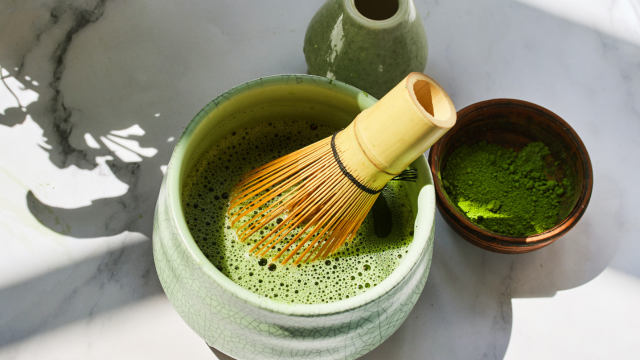
Despite challenges, the Indonesian market retains significant potential for Japanese matcha brands. Leveraging strengths in “quality,” “culture,” and “experience” enables differentiation from local brands and low-price products.
Premium High-Quality Matcha Messaging
Urban centers like Jakarta and Surabaya contain definite populations of affluent and health-conscious consumers. These demographics maintain “authenticity orientation,” prioritizing quality over price. Japanese matcha brands can penetrate this segment.
Particularly, prominently featuring regional brands like “Uji matcha,” “Nishio matcha,” and “Kagoshima matcha” enables establishment of premium market positioning. Clarifying characteristics by region (umami, aroma, color) communicates “brand stories” to Indonesian consumers, acquiring authenticity-oriented fans.
Trust Building Through Halal Certification
In Indonesia where approximately 90% are Muslim, halal certification carries extreme importance. Regardless of quality, market expansion proves difficult without religious assurance.
Therefore, providing halal certification for Japanese matcha simultaneously elevates religious confidence and brand credibility. Moreover, halal-certified matcha extends beyond Indonesia domestically to deployment in Islamic markets including Malaysia and the Middle East, connecting to long-term export strategies.
Integration with Tourism and Experiential Content
Matcha represents not merely “drinking” but merchandise whose value increases through “experiencing.” In tourist destination Bali, matcha workshops and tea ceremony experiences creating value-added content incorporating Japanese culture show success potential.
For example:
Such programs generate experiences beyond “eating and drinking,” becoming unforgettable memories for tourists. Particularly in urban tourism in Bali and Jakarta, fusion with cafe culture leverages strengths as “experiential content” easily shared via SNS.活かせます。
Check Latest Matcha Trends at Matcha Times

Beyond Indonesia, matcha markets are rapidly expanding across Southeast Asia, Europe, and North America. However, growth speeds and backgrounds differ by country, making accurate information gathering the first step toward success.
“Matcha Times” covers broad themes including latest market analysis, overseas cafe trends, brand success cases, and health research news. This serves as a valuable information source not only for those involved in matcha business but also for matcha enthusiasts and those interested in Japanese culture.
We regularly publish primary information and in-depth reports unavailable elsewhere.
For those wanting to learn more about matcha, understand global developments, or gain business insights—this is the media to check.
Summary: Indonesia as a Key Southeast Asian Matcha Growth Market
Indonesia’s matcha popularity represents not merely temporary boom but a phenomenon taking root in lifestyle and culture. Youth cafe culture, health and beauty interests, and SNS’s powerful viral capacity combine to drive expectations for continued sustainable market growth.
However, polarization progresses locally between low-price “imitation matcha” and authentic Japanese matcha, highlighting challenges including quality inconsistency and recognition gaps. How to navigate this determines success or failure for Japanese brands.
Particularly for Japanese brands, three elements become keys to success:
- High-Quality Cultural Value Messaging
- Clearly featuring regional brands like Uji and Nishio to capture premium segments.
- Halal Certification Acquisition
- Providing religious assurance, enabling market expansion across broad consumer demographics and entire Islamic markets.
- Tourism and Experiential Content Integration
- Elevating matcha beyond “drinking” into “experiencing,” connecting with tourism and cultural experiences.
Combining these elements enables Japanese matcha brands to establish firm positioning in Indonesia.
Also recommended