Matcha in Russia: Emerging Market Driven by Health Trends & Japanese Culture
While Russia has traditionally been a strong tea-drinking nation, matcha is now emerging as a popular health beverage, particularly among urban youth drawn to wellness trends and Japanese culture. Though still in its early growth stage, the Russian matcha market presents unique opportunities for authentic Japanese brands.
This article examines the factors driving matcha’s popularity in Russia, current market conditions, quality challenges, and strategic opportunities for Japanese matcha businesses looking to enter this developing market.
Key Takeaways
- Russia’s matcha market is expanding rapidly among health-conscious urban consumers, especially in Moscow and Saint Petersburg
- The convergence of wellness trends, Japanese cultural popularity, and vibrant cafe culture is driving matcha adoption as a lifestyle beverage
- Market challenges include import dependency, high pricing, and proliferation of low-quality imitation products
- Japanese matcha commands premium brand value with strong consumer trust in quality and authenticity
- Strategic opportunities exist for Japanese brands through quality positioning, health and beauty messaging, and cultural experience marketing
- Russia represents a blue ocean market with significant growth potential for authentic matcha brands
\Recommended Article/
\For Companies Seeking Matcha Powder/

We source matcha from Japan’s premier production regions including Kyoto Uji, Kagoshima, Fukuoka, and Shizuoka, offering comprehensive grade ranges from organic JAS-certified ceremonial grade to processing-grade matcha.
Common Challenges:
- “We have projects but cannot secure stable matcha supply…”
- “We want to incorporate matcha into new café menu items!”
If you face these concerns, consult with Matcha Times. Feel free to contact us for initial inquiries.
Background of Matcha’s Rising Popularity in Russia
While Russia has maintained a strong black tea culture for generations, matcha is now emerging as a new trend. Particularly among young urbanites, the convergence of rising health consciousness and the Japanese culture boom means matcha is being embraced not merely as a beverage, but as part of a lifestyle and means of self-expression. Three major factors underpin this trend.
Growing Health Consciousness and Matcha’s Appeal
Obesity and lifestyle-related diseases represent serious social challenges in Russia, leading to increased health awareness among the population. Within this context, matcha—rich in catechins, theanine, and vitamins—is gaining recognition as a “naturally derived, effective health beverage.” Tasting events held in Moscow and Saint Petersburg saw many participants offering positive feedback such as “the flavor is refreshing and seems good for the body” and “I want to drink this daily.” Women in particular express expectations for beauty and detox benefits, perceiving matcha as a “beauty-enhancing green powder.”
Influence of Japanese Culture and Washoku Boom
Since the 1990s, anime and manga have permeated Russian youth culture, extending interest to Japanese food and matcha. Moscow’s “J’PAN” cafe serves matcha desserts alongside Japanese street foods like taiyaki and takoyaki, offering local youth an authentic “Japanese experience.” Restaurants have introduced unique menu items such as matcha blini and matcha-sauced salmon, attempting innovative fusion of “Japanese tradition × Russian food culture.” Matcha transcends its role as mere beverage, becoming accepted as a “symbol of the Japanese experience.”
Youth Demographics and Expanding Urban Cafe Culture
While Russians traditionally enjoy tea and coffee at home, urban cafe utilization rates are exceptionally high, with over 97% visiting cafes at least weekly according to surveys. Cafes have become established not just as dining venues but as spaces for social connection and social media content creation, making matcha beverages an attractive choice for young consumers. Colorful matcha drinks in pink and blue are particularly popular as “Instagram-worthy menu items,” with social media sharing on platforms like Instagram and VK (Russian social network) providing additional momentum. Against this backdrop, matcha is spreading as a new lifestyle beverage combining trend appeal with health consciousness.
Current State and Challenges of Russia’s Matcha Market

Russia’s matcha market remains a developing niche market in its early stages. While foodservice and retail establishments handling matcha are gradually increasing, centered in Moscow and Saint Petersburg, import dependency and high pricing along with quality inconsistency are hindering wider adoption. Here we examine the specific current conditions and challenges.
Menu Development in Cafes and Restaurants
Urban cafes and restaurants are expanding offerings of matcha lattes and matcha desserts. Moscow’s “J’PAN” cafe features over 15 varieties of matcha drinks and incorporates matcha into traditional Russian confections like blini and syrniki, attracting popularity especially among youth. Unique dishes such as matcha-sauced salmon and matcha hummus have also emerged, demonstrating new culinary fusion of “Japanese matcha × Russian cuisine.”
However, challenges exist. Many establishments serve inexpensive Chinese-origin or substitute powders as “matcha,” creating situations where consumers cannot distinguish authentic from imitation products. This risks spreading misconceptions that “matcha = powdery and bitter,” making differentiation urgent for establishments handling genuine Japanese matcha.
Matcha Product Circulation in Supermarkets and E-Commerce
Some supermarkets, imported food stores, and e-commerce sites sell matcha powder and matcha confections. Driven particularly by rising health consciousness, matcha demand through e-commerce is gradually expanding, with increasing numbers of Russian consumers purchasing through online shops.
However, pricing remains high, positioning matcha as a “special product” for general consumers. Additionally, limited product lineups and insufficient recipe suggestions for affordable daily-use products represent significant barriers to wider adoption.
Import Dependency and Pricing Issues
Nearly 100% of matcha circulating in Russia consists of imported products, typically sourced through direct import from Japan or intermediary channels. However, customs clearance procedures are complex, with frequent cases requiring additional documentation submission and incurring long-term storage costs. These logistics costs are added to retail prices, resulting in concentration in high-price segments.
ん。そのため、流通コストが販売価格に上乗せされ、結果的に高価格帯の商品に偏ってしまうのです。
This structure means matcha in the Russian market tends to be treated as a “luxury item for the affluent,” failing to connect with everyday consumption. Accelerating market penetration requires logistics efficiency improvements, pricing adjustments, and establishment of stable local supply systems.定供給体制が不可欠です。
Business Opportunities for Japanese Matcha Brands
While Russia’s market remains small in scale, it continues growing steadily. Though challenges exist around import dependency and high pricing, this conversely indicates a “blue ocean where authentic Japanese matcha has not yet fully penetrated.” Here we examine specific strategies Japanese brands should pursue.
Approaching Quality-Conscious and Authenticity-Seeking Segments
In Russia, the brand image of “Japanese-made = high quality” remains firmly established. Particularly among affluent consumers and those with strong cultural interests, regional brands such as Uji, Nishio, and Kagoshima hold strong appeal. Some Moscow cafes differentiate themselves by explicitly stating “Uji matcha used,” achieving selection even at higher price points than competitors.
Moreover, precisely because imitation products circulate, emphasizing origin certification and quality assurance becomes key to gaining consumer trust. Simply clarifying “genuine Japanese origin” through labels and packaging generates consumer confidence and purchase intent.
Differentiation Through Health and Beauty Messaging
Particularly among women aged 20-30 in Russia, demographics conscious of beauty and health are rapidly expanding. Catechin’s antioxidant properties and theanine’s relaxation effects represent messaging points matching local needs. Furthermore, promoting specific benefits like “diet support” and “skin care” positions matcha not merely as a preference item but as a “functional beverage.”
Social media compatibility is excellent. Collaborating with influencers and beauty bloggers to share authentic experiences like “skin condition improved after drinking matcha for one week” can stimulate purchase intent especially among young women. Branding as “Japanese green for beauty and health” proves effective.
Integration with Japanese Cultural Experience Content
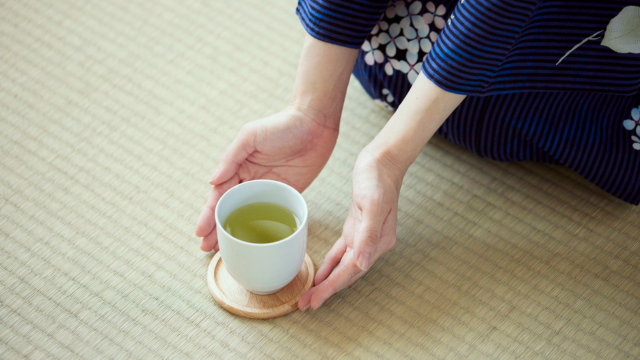
Matcha can be leveraged not merely as a beverage but as an “entry point to experiencing Japanese culture itself.” Russian consumers readily value new experiences, making tea ceremony experiences and matcha workshops excellent opportunities to capture interest.
For example, hosting matcha whisking experience events at cafes or food festivals featuring matcha and wagashi pairings can build brand value beyond simple product sales. Additionally, establishing “matcha booths” through collaboration with anime or Japanese film events creates synergy combining pop culture with traditional culture.
This shift in perspective from “drinking” to “experiencing” will become key to successfully developing Japanese brands in the Russian market.
Explore Global Matcha Trends with Matcha Times

Beyond Russia, “Matcha Times” delivers the latest developments in matcha markets expanding worldwide, along with knowledge useful for health, beauty, and business. More than a simple news site, we function as a specialized media platform disseminating matcha’s appeal from cultural, economic, and lifestyle perspectives, providing readers with new insights and value.
If this article sparked interest in “learning more about overseas market cases” or “diving deeper into matcha’s health benefits,” please visit Matcha Times. Through content connecting Japanese tradition with global trends, you can stay ahead in understanding matcha’s future.
Summary: Russia’s Matcha Market as an Emerging Blue Ocean
Russia’s matcha market, while existing within a nation where black tea culture remains deeply rooted, is expanding steadily driven by health consciousness, the Japanese culture boom, and cafe culture growth. Though market scale remains limited with challenges around import dependency, high pricing, and imitation product circulation, this simultaneously represents significant potential for “authentic Japanese matcha” to take root.
Particularly, rising health and beauty consciousness among affluent and young female demographics represents a tailwind for Japanese brands. Furthermore, by connecting with cultural experiences through cafes and events, matcha has potential to be embraced beyond mere beverage as a symbol of lifestyle and self-expression.
Particularly, rising health and beauty consciousness among affluent and young female demographics represents a tailwind for Japanese brands. Furthermore, by connecting with cultural experiences through cafes and events, matcha has potential to be embraced beyond mere beverage as a symbol of lifestyle and self-expression.
How far matcha will penetrate and become rooted in Russian daily life—pioneering that future depends precisely on the challenge of Japanese brands delivering authenticity.
Also recommended