
Canada’s Matcha Market: Wellness Appeal, Multicultural Integration & Growth Potential

In Canada recently, matcha gains attention against backgrounds of rising health consciousness and expanding cafe culture. Centered in Toronto and Vancouver, matcha lattes and desserts have become popular, with matcha powder now readily available at supermarkets and online shops. However, challenges including differences between Japanese and Chinese origin matcha and high-quality matcha supply shortages also lurk behind.
This article clearly explains Canada’s matcha market current state, popular products, challenges, and future outlook, delivering latest information to those interested in matcha business and overseas trends.
Key Takeaways
- Canada’s matcha market rapidly expands driven by converging health consciousness, cafe culture, and multicultural society acceptance
- Popular products span matcha lattes with plant-based milk options, desserts (cakes, donuts, ice cream), and home-use organic powder
- Distribution channels include local cafes (Toronto, Vancouver), Asian supermarkets (T&T), and brands like Matchaful and DAVIDsTEA
- Key challenges include high-quality supply shortages, premium pricing (6-8 CAD per latte), and consumer understanding gaps between authentic and powdered alternatives
- Market exhibits strong organic certification demand reflecting Canadian environmental consciousness and sustainability values
- Future growth opportunities exist through wellness lifestyle integration, cultural experience events, and D2C online models
\Recommended Article/
\For Companies Seeking Matcha Powder/

We source matcha from Japan’s premier production regions including Kyoto Uji, Kagoshima, Fukuoka, and Shizuoka, offering comprehensive grade ranges from organic JAS-certified ceremonial grade to processing-grade matcha.
Common Challenges:
- “We have projects but cannot secure stable matcha supply…”
- “We want to incorporate matcha into new café menu items!”
If you face these concerns, consult with Matcha Times. Feel free to contact us for initial inquiries.
Background of Matcha’s Growing Popularity in Canada
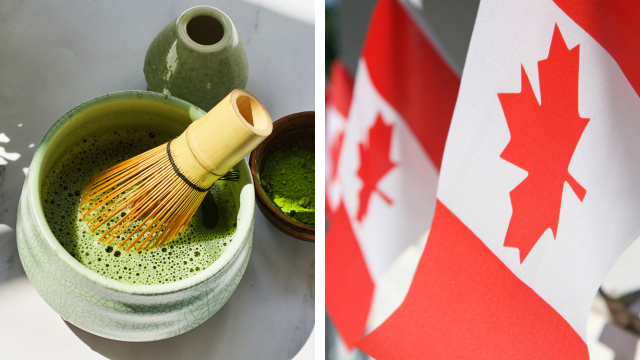
In Canada over recent years, matcha popularity has rapidly expanded. Originally a nation where tea and coffee culture took root, influenced by rising health consciousness and multicultural society, Japanese traditional beverage matcha attracts attention as “the next wellness drink.” Particularly in urban centers like Toronto and Vancouver, business professionals commuting with matcha lattes in hand and youth enjoying matcha smoothies after fitness are no longer unusual sights.
Health Consciousness and Superfood Demand
Canada demonstrates extremely high demand for organic and natural foods, with matcha establishing itself as a “superfood” alongside chia seeds, quinoa, and acai. Matcha richly contains catechins, theanine, and antioxidant components, with expectations for immune support, anti-aging, and stress reduction effects, frequently featured in health magazines and wellness media.
Additionally, demographics practicing lifestyles including yoga, Pilates, and mindfulness characteristically accept “drinking matcha itself as part of self-care.” Indeed, Toronto’s wellness cafes provide vegan-compatible menus combining “matcha × almond milk” and “matcha × oat milk” with plant-based milks, gathering support across broad demographics.
Cafe Culture and Multinational Food Culture Affinity
Canada maintains extremely strong cafe culture with soil accepting new beverages. Originally, chains like Starbucks and Tim Hortons took root in daily life, with “matcha” penetrating as “choices beyond coffee.” Particularly “matcha lattes” and “matcha frappuccinos” significantly propel youth popularity through vibrant green colors appealing to SNS sharing.
Furthermore, as an immigrant nation, Canada concentrates Asian communities including Japanese, Chinese, and Korean in urban areas. Consequently, Asian food culture acceptance proves rapid, with matcha spreading naturally like sushi and ramen. In Vancouver, dessert cafes centering on matcha have opened, with matcha tiramisu and matcha soft serve ice cream beloved by locals and tourists.
Thus, through combining three backgrounds—”health consciousness,” “cafe culture,” and “multicultural society”—Canada’s matcha popularity transforms not into temporary boom but lifestyle-rooted habits.
Popular Matcha Products and Menus in Canada
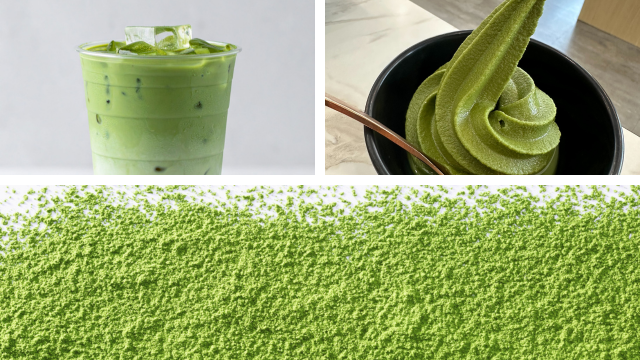
In Canada, matcha is enjoyed not merely as traditional beverage but in broad forms spanning beverages, desserts, and home-use powder. Particularly “matcha lattes” enjoy high popularity centered on youth and women, now becoming indispensable standard cafe menus across urban areas.
Matcha Lattes and Frappe-Style Drinks
Beyond major chains including Starbucks, Toronto and Vancouver local cafes have also standardized matcha lattes and iced blends. Combinations of vibrant green colors with milk creaminess demonstrate strong visual impact, “Instagram-worthy” and easily spreading via SNS, further propelling youth popularity.
Recently, plant-based arrangements like “matcha × oat milk” and “matcha × almond milk,” plus “Canadian-style matcha lattes” adding maple syrup incorporating local culture have emerged. Such diverse arrangements gain acceptance even among vegan and dairy allergy demographics, becoming factors broadening matcha’s base.
Matcha Desserts (Cakes, Donuts, Ice Cream)
Matcha desserts also rapidly increase presence in Canada. Toronto’s popular bakeries feature matcha cheesecake and matcha croissants as signature products, with donut chains occasionally selling limited-edition “matcha donuts.”
Additionally, summer sees matcha ice cream and matcha parfaits gaining popularity, with Vancouver’s Asian cafes generating queues for matcha soft serve ice cream. Furthermore, holiday seasons see products tied to seasonal events like “matcha Christmas cookies” and “matcha brownies,” establishing matcha as year-round enjoyable flavors.
Retail Store and Supermarket Matcha Powder Sales
Beyond foodservice alone, home-use matcha powder also shows spreading in Canada. Urban supermarkets and organic shops sell Japanese matcha and American matcha brand products, supporting home cafe demand.
Particularly popular are “organic certified” matcha, with simply displaying “Organic Matcha” on labels elevating trust, prompting active purchases from health-conscious consumers. At home, uses expand to matcha lattes, smoothies, and further pancake and cookie making, broadening recipe scope. YouTube and Instagram feature numerous “Homemade Matcha Latte in Canada” video posts, revealing lifestyles enjoying matcha at home are beginning establishment.
Matcha Brands and Sales Channels in Canada’s Market
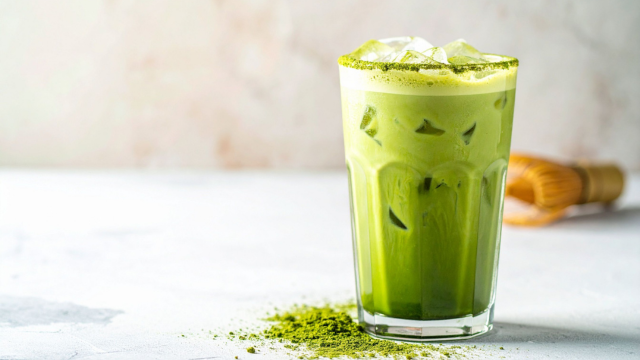
Matcha’s popularization in Canada involves not only sales channels like cafes and retail stores but significant roles played by diverse brand presence. Examining characteristics by city and distribution network differences clearly reveals how matcha culture spreads across Canada.
Local Cafes (Toronto and Vancouver Centered)
In Toronto and Vancouver urban areas, local cafes serve as important venues supporting matcha popularity. Cafe menus standardize “matcha lattes” and “matcha smoothies,” with unique presentations using matcha in latte art also visible.
Particularly Vancouver, with large Asian populations, demonstrates high affinity for Japanese tea culture. Here, specialty cafes centering on matcha emerge, providing desserts reminiscent of Japan including matcha tiramisu and matcha parfaits. Popular among tourists too, these spread via SNS and word-of-mouth as “places experiencing authentic matcha in Canada.”
Expanding Sales at Japanese and Asian Supermarkets
Supporting demographics enjoying matcha at home are Japanese and Asian supermarkets. Representative is “T&T Supermarket” deploying across Canada. Here, abundant Japanese matcha powder and matcha confections line shelves, playing roles cultivating not only Japanese residents but “Canadian consumer habits of using matcha at home.”
Additionally, Korean and Chinese supermarkets also sell matcha-related products, addressing broad needs including cake-use matcha powder and instant matcha lattes. This expands consumption scenes from “drinking matcha outside” toward “enjoying matcha at home.”
Overseas Brand Entry (Matchaful, DAVIDsTEA, etc.)
In Canada’s market, domestic and international brands also actively add matcha to product lineups. American-origin “Matchaful” sells organic-certified matcha, expanding support through brand strategies linking with sustainable lifestyles.
Furthermore, Canada-headquartered “DAVIDsTEA” is known as the nation’s largest tea brand, selling matcha powder and flavored matcha. Emphasizing package design and gift demand, they propose styles enjoying matcha as daily life components.
Thus, through three distribution networks—local cafes, Asian supermarkets, and overseas brands—mutually complementing each other, Canada’s matcha market continues steady growth.
Challenges in Canada’s Matcha Market

While continuing growth, Canada’s matcha market faces several challenges. Although consumer interest rises, improvements are demanded across aspects including price, quality, and certification system responses.
High-Quality Matcha Supply Shortages and Premium Pricing
Authentic Japanese matcha circulating in Canada readily becomes expensive, susceptible to import cost and exchange rate influences. Matcha lattes at cafes cost approximately 6-8 Canadian dollars (roughly 700-900 yen) per cup, often feeling premium compared to coffee.
This price differential directly impacts consumer purchasing behaviors. Rather than everyday enjoyment, tendencies exist positioning matcha as “slight reward drinks,” becoming factors slowing market expansion pace. Consequently, some consumers flow toward cheaper Chinese or Southeast Asian matcha, with quality-cost balance becoming challenges.
Consumer Understanding Gaps Between Chinese and Japanese Origin
Among Canada’s general consumers, many recognize “matcha = green tea powder,” with insufficient understanding of differences between traditional stone-ground matcha and crushed tea leaf powder. Consequently, treatment as “all the same green powder” exists, creating situations where authentic Japanese matcha value fails to communicate.
Resolving such misunderstandings requires brands and retailers to actively disseminate information, with educational approaches communicating production region stories and manufacturing method differences proving essential. Particularly enlightenment at consumer touchpoints including online sales page explanations, package descriptions, and cafe menu notations is demanded.
Certification and Organic Demand Responses
Canadian consumers heavily emphasize third-party assurance labels like “organic certification” and “fair trade certification.” This reflects not merely health consciousness but strong interests in environmental protection and sustainability.
Consequently, Japanese matcha exports face tendencies avoiding products without organic certification. Additionally, increasing cases demand supply chain transparency, requiring clear indication of “which farms cultivated matcha and how.”」を明確に示す必要があります。
Addressing these challenges requires Japanese producers and brands to correspond with international standards, strengthening mechanisms winning trust in global markets as essentials.
Future Outlook: How Canada’s Market Will Expand

Matcha represents not temporary trends but categories anticipating continued growth. Canada’s matcha market has already achieved certain penetration against backgrounds of health consciousness and cafe culture, yet future potential exists for further diverse directional expansion.
Establishment as “Wellness Drink”
In Canada, matcha already gains recognition as “coffee alternatives” or “relaxation-effect teas.” Increasing numbers drink matcha as morning cups or incorporate matcha lattes during remote work for enhanced concentration.
Particularly noteworthy is affinity with wellness and mindfulness. Events like “drinking matcha to settle minds” are implemented at yoga and meditation studios, with matcha evolving from mere beverage toward “existence supporting lifestyles.” Future possibilities exist for new product category births including fusion with supplements and protein powders.
Collaborations with Japanese Tea Regions and Experiential Events
Keys to Canadian market expansion lie not merely in product provision but experiential approaches communicating cultural backgrounds. Popup events and matcha workshops collaborating with Japanese tea regions prove effective as venues delivering “authentic matcha culture” to Canadians.
For example, through tea ceremony experiences and matcha whisking experiences, sharing stories of “why matcha is special” transforms recognition from mere health beverages toward “high-value-added products with cultural value.” Furthermore, connecting with tourism demand could link to Japan-Canada exchange and inbound tourism expansion.
Online Direct Sales and D2C Model Potential
Canadian consumers prove extremely active in online purchases, with Amazon and major e-commerce site matcha purchases becoming common. Japanese brands directly entering here and selling through D2C (Direct to Consumer) models potentially deliver “fresh authentic matcha” to consumers.
Furthermore, D2C strengths extend beyond mere product sales. Through package design and brand storytelling, communicating backgrounds like “which tea gardens grew matcha” and “how stone-ground” enables building long-term consumer relationships. Subscription model and regular purchase introductions also represent promising strategies for Canadian markets.
Learn More About Latest Matcha Trends at “Matcha Times”

Canada’s matcha market retains significant growth potential, anticipating continued development against backgrounds of health consciousness and cafe culture. For those wanting to know such overseas trends and domestic market changes early, matcha specialty media “Matcha Times” is recommended.
👉 Check global matcha trends and business cases here!
Summary: Canada’s Matcha Market with Ample Growth Potential
As examined through Canada’s matcha situation, matcha popularity has rapidly risen over recent years.
Background factors include:
- Rising health consciousness and superfood demand
- Cafe culture and multicultural society affinity
- Diverse product deployment centered on lattes and desserts
Matcha establishes itself not as mere boom but as new lifestyle-rooted categories.
Meanwhile, challenges emerged including Japanese matcha supply shortages and premium pricing, quality understanding gaps, and organic certification responses. Overcoming these with Japanese brands leveraging storytelling and quality, significant potential still spreads across Canadian markets.
Future keys to market expansion will likely include “wellness drink establishment,” “experiential events communicating Japanese tea culture,” and “online direct sales and D2C models.”
Also recommeded