New Zealand’s Matcha Boom: Quality × Experience Market with Health & Sustainability Synergy
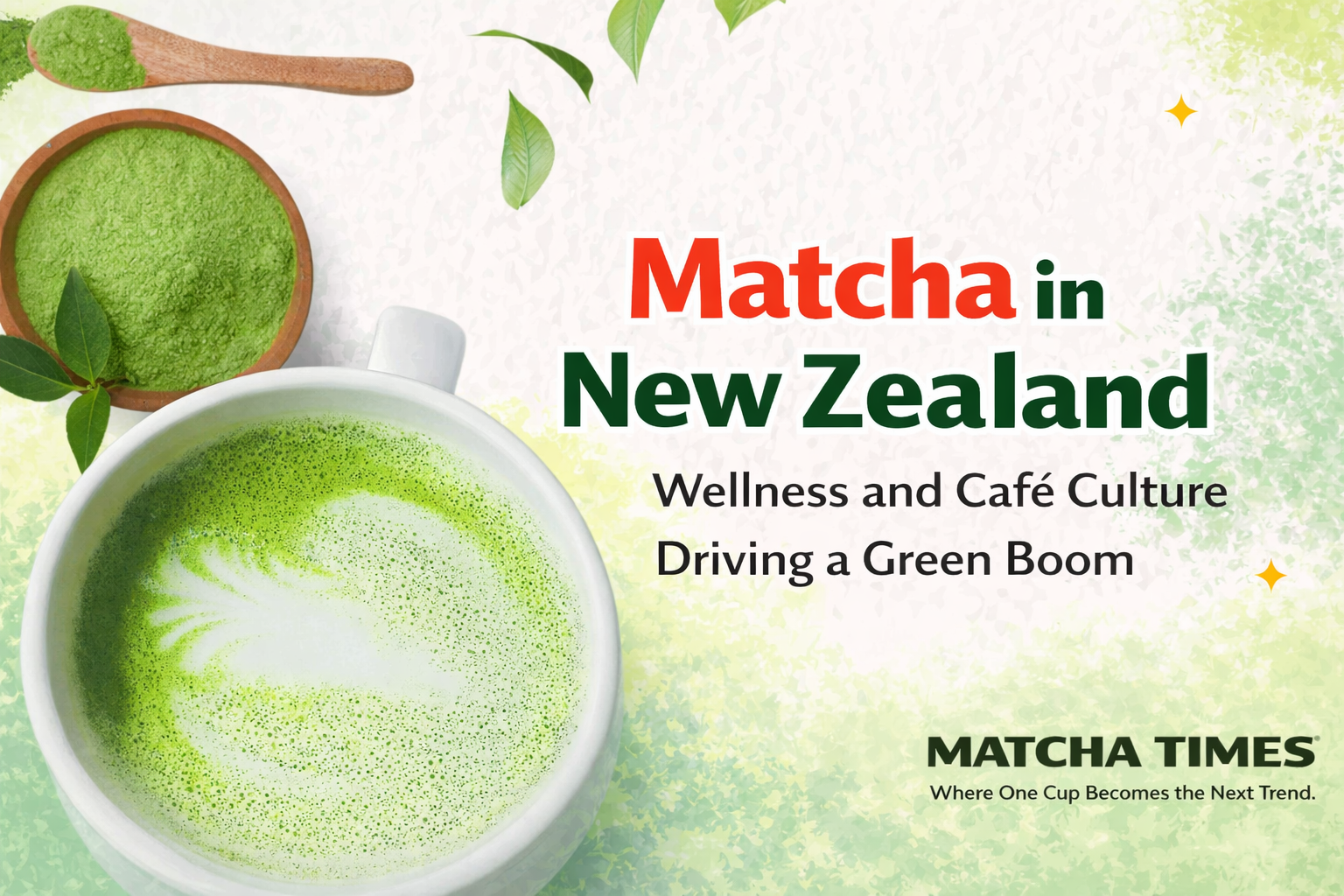
New Zealand (NZ) sees genuine “matcha boom” acceleration in recent years. Rising health consciousness, diverse milk culture, Asian food popularization, and maturing coffee culture overlap, with matcha lattes and matcha desserts increasingly establishing as everyday cafe menu staples. Particularly in Wellington and Auckland, authentic cafes using chasen and shops handling organic matcha increase.
Healthy and sustainable lifestyles perfectly fit matcha, representing noteworthy markets expecting continued sustainable growth.
Key Takeaways
- New Zealand’s matcha boom driven by overlapping health consciousness, sustainability awareness, and diverse milk culture positioning matcha as “coffee alternative drinks”
- Wellington and Auckland lead with authentic chasen-whisking cafes and organic-focused shops demonstrating quality consciousness
- Oat milk proves particularly compatible with matcha through richness, sweetness, and foaming properties gaining overwhelming barista support
- Distribution expands through major supermarkets (Countdown, New World), health stores, and e-commerce with organic certification, origin transparency, and producer stories highly valued
- B2B opportunities remain large as cafe and bakery supply remains unstable, with pricing ranging $70-250/kg depending on grade
- Japanese matcha holds “high quality = Japanese origin” recognition with strong differentiation through “Japanese Matcha,” “Premium,” “Ceremonial Grade,” “Organic” positioning
- Experiential promotions (tastings, workshops, cafe collaborations) prove most effective in mature cafe culture markets
\Also recommended/
\For Companies Seeking Matcha Powder/
We source matcha from Japan’s premier production regions including Kyoto Uji, Kagoshima, Fukuoka, and Shizuoka, offering comprehensive grade ranges from organic JAS-certified ceremonial grade to processing-grade matcha.
Common Challenges:
- “We have projects but cannot secure stable matcha supply…”
- “We want to incorporate matcha into new café menu items!”
If you face these concerns, consult with Matcha Times. Feel free to contact us for initial inquiries.
Background of Matcha Acceptance in New Zealand

New Zealand’s matcha acceptance reasons involve three overlapping factors: health consciousness, sustainability awareness, and milk culture. Particularly urban areas see establishment as “coffee alternative drinks.”
Wellness & Natural Orientation and Matcha Functionality
Wellness & Natural Orientation and Matcha Functionality
- Lower caffeine versus coffee
- Antioxidant effects (catechin)
- Relaxing component theanine
- Plant-based compatibility
BBC also reported “matcha market reaching $2.9 billion by 2028,” with global trend waves also influencing NZ. Particularly among female demographics, voices frequently note “drinking matcha because caffeine spikes prove uncomfortable.”
Sustainability Values and Traceability
NZ consumer emphasis points include:
- Organic certification (JAS/EU/USDA)
- Origin transparency (Uji, Nishio, Kagoshima, etc.)
- Producer storytelling
Strong wine culture NZ demonstrates high consciousness “tasting origins,” preferring matcha origin name appeals.
Milk Culture Compatibility (Oat, Almond)
NZ offers abundant milk variety types, with oat milk proving particularly matcha-compatible.
- Rich body, sweetness, and foaming quality
- Overwhelming barista support
- High plant-based demographic compatibility
Diverse milk culture powerfully drives matcha latte popularization.
NZ Matcha Market Trends and Consumption Patterns

NZ sees rapidly increasing matcha demand across three sectors: cafes, desserts, and retail.
Matcha Drinks (Lattes, Frappes, Cold Brew)
NZ matcha drinks demonstrate richer variety than even Japan.
- Oat milk matcha lattes
- Matcha cold brew
- Matcha × strawberry
- Matcha × mango
- Matcha × chocolate
Furthermore, many establishments carefully whisk using chasen, with increasing quality-conscious demographics proving conspicuous.
Bakery and Dessert Expansion
NZ bakery culture demonstrates excellent matcha dessert compatibility.
- Matcha croissants
- Matcha cookies
- Matcha tiramisu
- Matcha cheesecake
- Matcha muffins
“Instagram-worthy green color” and “excellent sweetness compatibility” suit local preferences.
Retail and E-Commerce Purchase Behaviors
Supermarkets and health stores also advance matcha shelf space.
- Organic preferred
- Latte-use and ceremonial-use differentiation penetrating
- E-commerce emphasizes review-focused comparative purchasing
Japanese-owner matcha brands like The Matcha Club prove popular, with cleaner, more traceable products demonstrating better sales trends.
Popular Cafe and Brand Examples (Local & Japanese)
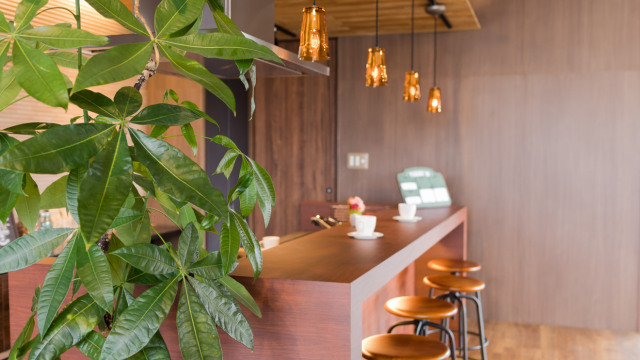
Mature cafe culture NZ sees annually improving matcha menu quality.
Local Cafe Matcha Menu Optimization
- Authentic chasen-whisking styles
- Origin information notation
- Healthy lines without syrups
- Many establishments recommending oat milk
Strong coffee culture NZ reflects barista quality consciousness in matcha as well.
Japanese/Asian Brand Pop-Ups
Japanese and Asian barista presence elevates markets.
- Spreading “authentic matcha” tastes
- Tea utensil (chasen, tea bowl) popularization
- Rapidly rising ceremonial interests
Japanese matcha receives support as “quality symbols.”
Collaboration & Seasonal Limited Releases
NZ particularly favors seasonal limited products.
- Matcha × cherry blossom (spring)
- Matcha × chocolate (winter)
- Matcha × mango (summer)
Limited menus also tend readily connecting to SNS diffusion.
New Zealand Retail and E-Commerce Matcha Expansion

Supermarket/Health Store Shelf Space
Major supermarkets including Countdown and New World also expand matcha shelving.
- Organic matcha as best sellers
- Increasing gift set demand
- Deployment in superfood sections
Health store and natural food store handling also rapidly increases.
E-Commerce Comparative Purchase Behaviors
E-commerce particularly emphasizes following items:
- Reviews (taste, color, foaming)
- Origin explanations
- Price and volume balance
- Certification presence
Particularly tourism-heavy cities see rising popularity.
Business Opportunities for Japanese Matcha Brands
NZ markets still demonstrate few supply-side competitors, with extremely large entry room remaining.
- Matcha Tea Set
- Matcha dessert bundle sales
- Mini-size matcha gifts
Particularly tourism-heavy cities see rising popularity.
Business Opportunities for Japanese Matcha Brands
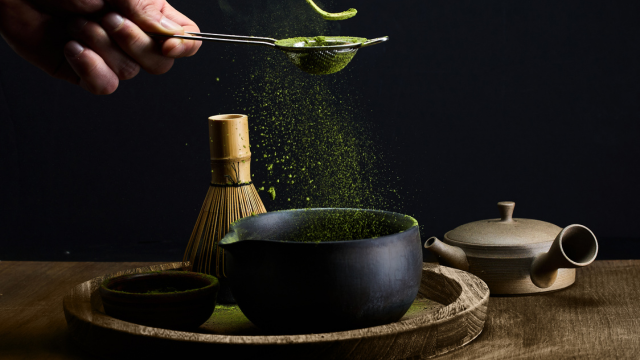
NZ markets still demonstrate few supply-side competitors, with extremely large entry room remaining.
Premium/Organic Appeals
NZ ranks among world’s leading organic consuming nations, with following proving powerful weapons:
- JAS Organic
- USDA Organic
- EU Organic
- Pesticide standard transparency
“High quality = Japanese origin” recognition widely penetrates.
Plant-Based Compatible Product Design
Product design matching milk culture proves important.
- Colors and aromas appearing beautifully with oat milk
- Latte-grade proposals
- Low-caffeine needs
Matcha optimized to local preferences demonstrates strong competitiveness.
Cafe/Bakery B2B
NZ B2B matcha supply remains unstable, presenting large opportunities.
- Latte-use matcha (500g-1kg)
- Visually vibrant matcha for bakeries
- Ceremonial grade premium lines
Experiential Promotions
Strong cafe culture NZ sees “experiential” promotions proving most effective.
- Tasting events
- Matcha workshops
- Cafe collaboration events
Product understanding deepens, directly connecting to repeat rate improvements.
Quality, Regulations & Logistics Practical Points

Quality Standards and Labeling Basics
NZ exports require following:
- Ingredient names (Matcha)
- Country of origin (Product of Japan)
- Best-before dates
- Storage methods
- Allergen cautions (optional)
English labeling proves mandatory.
Lot/Best-Before/Storage
Matcha exports require thorough:
- Light protection
- Low-temperature storage
- Moisture prevention
- 12-18 month best-before dates desirable
Rapidly degrading products require particularly important storage design.
Shipping, Customs & Clearance Practical Considerations
- HS Code: 0902 (tea categories)
- NZ demonstrates relatively low tariff rates
- Quarantine relatively smooth
- Thorough damage-prevention packaging critical
Matcha’s lightweight, high-value-added nature suits export product categories.
Price Ranges and Persona Design (B2C/B2B)
B2C (Health-Conscious & Gift Demographics)
- Ceremonial: $30-60/50g
- Gift sets: $80-150
Popular among health demographics, yoga/Pilates practitioners, and millennial women.
B2B (Cafes/Bakeries)
- Latte-use: $70-120/kg
- Ceremonial: $150-250/kg
Many cafes demonstrate high quality understanding, emphasizing color, aroma, and foaming over pricing.
Price Range Mapping
Low price range: Chinese green tea powder
Mid price range: Japanese latte-use matcha
High price range: Organic, ceremonial grade
Promotion Strategies (SNS & Experience)
Instagram/TikTok Operation Framework
NZ users strongly respond to “naturally lit beautiful matcha.
- Oat matcha latte videos
- Whisking process ASMR
- Before/After color comparisons
- Cafe collaboration videos
Visual appeals prove extremely effective.
Recipe/Menu Joint Development
Local cafes demonstrate excellent compatibility with “joint development menus.”
- Matcha × mango
- Matcha × chocolate
- Matcha scones
- Matcha cookies
Recipe development matching local tastes becomes SNS diffusion starting points.
Store and Event Linkages
- Tasting events
- Matcha workshops
- Limited menu weeks
- Market vendor participation
Mature cafe culture NZ sees live experiences directly connecting to purchases.
For Those Seeking Matcha Powder
Matcha business begins from “correct selection.” Artem proposes optimal powdered matcha matching purposes and price ranges spanning cafes, desserts, e-commerce brands, retail, and personal uses.
According to applications, we address broad needs including:
- Commercial-grade for matcha lattes and desserts
- Small-volume packaging for gifts and retail brands
- Ingredient proposals for OEM and original brand development
“Want to know which matcha proves optimal” or “First want consultations”—please feel free to contact us with such inquiries.
Summary: NZ Represents “Quality × Experience” Victory Matcha Market
New Zealand represents world-leading “easily establishing matcha markets” combining three factors: health consciousness, sustainability, and cafe culture. Centered on urban areas, authentic matcha lattes spread with continuing expansion across desserts, retail, and e-commerce.
For Japanese matcha, excellent opportunities exist emphasizing strengths including:
- High quality
- Organic
- Origin storytelling
- Plant milk compatibility
NZ still demonstrates limited suppliers, with now representing optimal entry timing.
Also recommended