Virginia Matcha Market 2026: Cafe Growth, Consumer Trends & B2B Opportunities
The Virginia matcha market is a small but fast-growing regional opportunity for B2B buyers: matcha has moved from a niche café order to a mainstream everyday drink across Northern Virginia, Richmond, and Hampton Roads, pulled along by an affluent, health-conscious population and one of the fastest-growing specialty-coffee regions in the country. The practical takeaway for importers, café groups, and product makers is direct: matcha imported into the United States generally enters duty-free under Harmonized Tariff Schedule heading 0902, so the real decision is not tariffs but choosing the right origin, grade, and supply partner for the channel you serve.
For Companies Seeking Matcha Powder
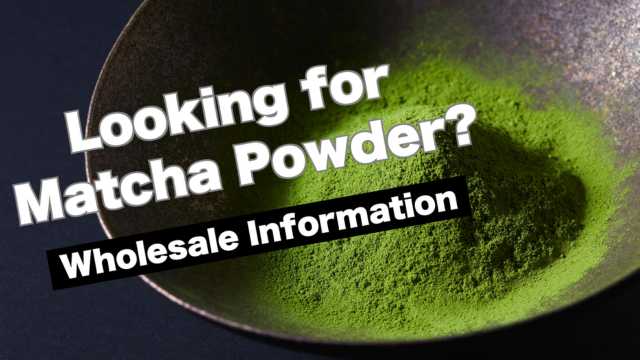
We source matcha from Japan’s premier production regions including Kyoto Uji, Kagoshima, Fukuoka, and Shizuoka, offering comprehensive grade ranges from organic JAS-certified ceremonial grade to processing-grade matcha.
Common Challenges:
- “We have projects but cannot secure stable matcha supply…”
- “We want to incorporate matcha into new café menu items!”
If you face these concerns, consult with Matcha Times. Feel free to contact us for initial inquiries.
\Read Also/

Key takeaways for Virginia matcha buyers
A short answer-first summary before the detail below:
- Demand is driven by Virginia’s large DC-metro and university population and above-average incomes, not by any local production.
- For cafés, the working grade is premium culinary matcha; ceremonial grade is a menu accent, not the volume line.
- Plain non-flavored green tea and matcha are duty-free at the MFN base rate under HTS 0902 (USITC); any 2025 country-level reciprocal measure is separate and time-varying.
- The scarce input is consistent supply from a reliable Japanese exporter — origin, grade consistency, and documentation, not tariffs.
\Read More/
How big is the Virginia matcha market?
There is no official, matcha-only market figure for a single US state, and any provider that quotes one is estimating. What can be stated from primary data is the demand base. Virginia is home to roughly 8.6 million residents and a median household income near $93,170 (U.S. Census Bureau QuickFacts, 2024), well above the national median — a classic profile for premium tea consumption.
For the category as a whole, commercial researchers put the global matcha market in the mid-single-digit billions of dollars with double-digit annual growth — for example The Business Research Company reports the global matcha market at roughly US$4.6 billion in 2026. Treat every such figure as a provider estimate, not a government number: estimates vary widely by provider and by how each defines “matcha,” and none is an official statistic. What matters for a Virginia buyer is not the global headline but the state’s own consumption channels, covered next.
Why matcha demand is rising in Virginia
Three structural forces explain the growth, and each one points a buyer toward a different channel.
First, demographics. Northern Virginia’s share of the Washington, DC metro is one of the wealthiest, most educated, and most internationally exposed populations in the US — exactly the demographic that adopted matcha early. Add major universities (Virginia Tech, UVA, George Mason, VCU) and a large military and federal workforce, and you have a broad, repeat-purchase customer base.
Second, café infrastructure. The US specialty-coffee market was estimated at about US$47.8 billion in 2024 and the Southeast is projected to be its fastest-growing region (Grand View Research estimate). As independent cafés and regional chains expand across Virginia, matcha has become a standard second pillar next to espresso, because it captures the non-coffee and afternoon occasions an espresso menu misses.
Third, the wellness and functional-beverage shift. Matcha pairs caffeine with L-theanine for a calmer, sustained lift, and it photographs well — a combination that keeps it central to wellness and social-media-driven demand. That health framing is what pulls matcha out of the café and onto retail shelves as ready-to-drink cans, protein blends, and baking ingredients.
Where matcha sells in Virginia, and the consumer trends shaping it
Demand is concentrated in three clusters. The Northern Virginia / DC metro (Arlington, Alexandria, Fairfax, Loudoun) is the deepest and most premium; Richmond anchors a fast-growing independent-café scene; and Hampton Roads (Norfolk, Virginia Beach) adds a tourism-and-military base. Japanese-style matcha cafés and specialty coffee shops already operate across these markets, so the category is proven, not speculative.
On the consumer side, four trends directly affect what a buyer should stock:
- Dairy-free lattes: oat, almond, and coconut milk are now the default pairing, which rewards a matcha that keeps colour and body in plant milk.
- Flavoured matcha: pistachio, strawberry, mango, and vanilla matcha drinks drive trial among younger customers and reward a clean, adaptable base grade.
- Ready-to-drink formats: cans and bottles extend matcha beyond the café and open grocery and convenience channels.
- Provenance and transparency: buyers who can explain origin, grade, and third-party testing win the wellness-minded customer.
Note the scope discipline competitors skip: several national “wholesale” pages sell China-sourced powder without clear origin labelling. For a Virginia audience that increasingly asks where its matcha comes from, verifiable Japanese origin is itself a selling point.
B2B opportunities in Virginia by buyer segment
The clearest way to read the opportunity is by segment, because each one needs a different grade, volume, and level of documentation. The table below maps the main Virginia channels to the matcha specification that fits — a framework you can use to brief any supplier.
| Buyer segment | Virginia opportunity | Typical grade & need |
|---|---|---|
| Importer / distributor | Supply the state’s café and grocery accounts from one Japanese source | Mixed grades; priority on consistent lots, COA, and reliable lead time |
| Café group / multi-store | Standardise a matcha-latte program across locations | Premium culinary (latte) grade; colour and flavour consistency batch-to-batch |
| RTD & functional brands | Canned lattes, wellness shots, protein blends | Culinary grade with stable colour and dispersion; microbiological specs |
| Bakery & food manufacturing | Matcha desserts, ice cream, confectionery | Heat- and colour-stable culinary grade; particle-size consistency |
| Grocery & private label | Retail matcha tins and sachets under a store brand | Grade-to-price tiering; OEM/private-label packaging and labelling support |
The pattern is consistent: outside the small ceremonial-grade niche, Virginia’s volume sits in premium-culinary and culinary grades, and the buyers who win are the ones who lock a dependable origin and grade rather than chase the lowest headline price.
Sourcing from Japan: grades, duty, and import basics
Because Virginia has no meaningful domestic matcha production, the market is an import market. Three things decide whether a sourcing program works: grade fit, duty treatment, and compliance.
Match the grade to the application
Grade is the single biggest lever on cost and quality fit. A simple map:
| Grade | Best use | What to expect |
|---|---|---|
| Ceremonial | Straight matcha, tasting menus, premium hot service | Highest cost; a menu accent, not the volume line |
| Premium culinary | Signature café lattes, RTD hero products | Vivid colour and smooth flavour in milk; the café workhorse |
| Culinary | Baking, desserts, blends, flavoured drinks | Robust colour and value at scale; particle/colour consistency matters |
Understand the duty treatment
Plain, non-flavored green tea and matcha classified under HTS heading 0902 enter the United States duty-free at the MFN base rate (USITC Harmonized Tariff Schedule). A separate point of frequent confusion: a 2025 US country-level “reciprocal” measure was applied and then adjusted for tea; any such surcharge is separate and time-varying and is not the matcha product duty. Confirm the current status for your entry with a licensed customs broker or CBP before you quote a landed cost.
For context on trade scale, US tea imports from Japan were roughly US$110 million in 2024 (UN Comtrade), and Japan’s total green-tea exports — all forms, not matcha-only — reached about ¥36.4 billion / 8,798 tonnes in 2024 (Japan Ministry of Finance Trade Statistics). Powdered tea such as matcha made up a majority of that volume, but the figure is a green-tea total, so never read it as a matcha-only number.
Cover the compliance basics
Imported matcha is a food, so US buyers work under FDA food rules, including Foreign Supplier Verification Program obligations (FDA FSVP). In practice that means asking every supplier for a certificate of analysis (COA), residue/heavy-metal testing appropriate to your market, and correct labelling. A capable Japanese exporter prepares this documentation on the export side so shipments clear cleanly.
Supplier selection checklist for Virginia buyers
Use these criteria to evaluate any matcha supplier — including JMEX — on the same neutral basis. They are chosen for an import-and-scale buyer serving Virginia, not a fixed template.
| Criterion | What to verify with any supplier |
|---|---|
| Origin & traceability | Named Japanese growing region and cultivar; documented, not just “Japanese” |
| Grade consistency | Colour and flavour hold batch-to-batch; request samples across production dates |
| Documentation | COA, residue/heavy-metal testing, and organic/JAS certs where relevant |
| Volume flexibility | A path from a trial lot to steady monthly supply as your accounts grow |
| Lead time & continuity | Realistic lead times and a plan for seasonal supply tightness |
| Export-side handling | Customs paperwork and FSVP-relevant records prepared before shipment |
| Pricing transparency | Quotes by grade, volume, and destination with a clear trade condition (FOB/CIF) |
One market caveat worth pricing in: Japanese matcha has faced periodic supply tightness as global demand outran the tencha harvest, so continuity of supply — not just unit price — belongs at the top of your checklist.
Sources & Methodology
Each source below states what it supports, its date, and its scope. This article contains no proprietary company data: every figure is either an external primary or official source or a clearly attributed commercial provider estimate (labelled as such, because such estimates vary by provider and market definition). Last reviewed as of 2026-09-23.
- U.S. Census Bureau QuickFacts (Virginia) — Virginia population and median household income — 2024 US government primary data
- USITC Harmonized Tariff Schedule of the United States — HTS 0902 duty-free MFN base rate for green tea/matcha — 2026 US government tariff schedule
- Japan Ministry of Finance Trade Statistics (Japan Customs) — Japan green-tea export value/volume (all forms, not matcha-only) — 2024 Japan government primary data
- UN Comtrade — US tea imports from Japan — 2024 International trade database
- Grand View Research — US specialty coffee market — US specialty-coffee market size and regional growth — 2024 Commercial provider estimate (varies by definition)
- The Business Research Company — matcha market report — Global matcha market size estimate — 2026 Commercial provider estimate (varies by definition)
Researched and reviewed by the Matcha Times Editorial Team, operated by the Japan Matcha Export Organization (JMEX). Last reviewed: 2026-09-23. See our Editorial Policy and Sources & Methodology. Found an error? Tell us.
Why Buyers Choose JMEX (Japan Matcha Export Organization)

For a Virginia buyer scaling matcha across cafés, RTD lines, and retail, JMEX is a Japan-based export partner that handles origin, grade, and documentation on the export side.
JMEX applies this expertise in practice: it matches cultivar, processing, and grade to your use and, backed by an export track record across 43 countries, pairs the technical fit with the export documentation buyers need.
Frequently Asked Questions
Short, direct answers to the questions Virginia matcha buyers ask most.
Is matcha popular in Virginia?
Yes. Matcha is widely available across Northern Virginia, Richmond, and Hampton Roads in specialty coffee shops, Japanese-style matcha cafés, and grocery retail, supported by the state’s affluent, health-conscious, and university-heavy population.
Where can a Virginia café buy matcha wholesale?
Cafés typically buy from a specialist matcha importer or exporter rather than a retail shop, to get bulk pricing, consistent grade, and a certificate of analysis. Sourcing directly from a Japanese exporter adds origin clarity that many national wholesale pages do not provide.
What grade of matcha do Virginia cafés use for lattes?
Most use a premium culinary grade designed to hold colour and flavour in milk. Ceremonial grade is usually reserved for straight matcha or a premium menu accent, not the everyday latte line, because its cost does not survive a milk-based drink.
Is there an import duty on matcha coming into the US?
Plain non-flavored green tea and matcha under HTS 0902 are duty-free at the MFN base rate per the USITC tariff schedule. Any 2025 country-level reciprocal surcharge is separate and time-varying, so confirm the current treatment with a customs broker or CBP before quoting a landed cost.
How much matcha does a buyer need to order to start?
There is no single industry minimum; it depends on the supplier. A capable exporter offers a path from a small trial lot up to steady monthly supply, so a Virginia buyer can validate a grade with a sample before committing to volume. Ask each supplier for its specific terms rather than assuming a number.
Learn More About Global Matcha Trends at Matcha Times

Matcha Times is a specialist media platform covering the global matcha market — sourcing and wholesale, supply and pricing, trade and regulations, production and origins, and the companies shaping the industry.
From market analysis and price trends to café case studies and interviews with tea farmers, we help buyers, importers, distributors, and manufacturers stay ahead of where matcha is heading. Explore more and put the global matcha market to work for your business.
Conclusion
When origin, grade, and export conditions align, matcha becomes a stable revenue source. Start by defining your requirements and confirming quality with a sample.
Looking for wholesale or OEM matcha samples? Contact us — we will recommend the optimal origin and grade based on your application and target markets.
Related Articles