Digital Transformation in Tea Gardens:How Technology Is Revolutionizing Traditional Tea Cultivation
A digital wave is sweeping through tea garden fields. Drones visualize growth conditions from above, sensors monitor soil and moisture in real-time—tasks that once relied on intuition and experience are now becoming “visible” through data and AI.
This article introduces the latest tea garden DX (Digital Transformation) case studies and clearly explains how drones and IoT sensors help with harvest timing decisions and quality management. Essential reading for tea farmers and businesses looking to “address labor shortages,” “eliminate quality variations,” or “establish stable supply systems for export markets.”
Key Takeaways
- Labor shortage and aging crisis demands digital solutions: Japan’s tea industry faces critical workforce challenges requiring technology intervention
- Drones enable precise growth monitoring: Multispectral imaging reveals fertilizer distribution, disease signs, and optimal harvest timing
- IoT sensors optimize cultivation conditions: Real-time soil moisture, temperature, and nutrient monitoring maximizes umami compounds
- AI-powered harvest prediction: Data-driven forecasting concentrates labor resources at optimal picking windows
- Traceability strengthens export competitiveness: Cloud-based data management meets OEM and international market requirements
- Investment returns achievable in 2-3 years: Government subsidies and efficiency gains enable practical ROI for most operations
- Smart tea gardens becoming industry standard: Digital transformation is not a trend but the future baseline for competitive tea production
\Recomended Article/
→ Global Matcha Market Analysis 2026: Market Size, Growth Trends, and Business Opportunities
\For Companies Seeking Matcha Powder/

We source matcha from Japan’s premier production regions including Kyoto Uji, Kagoshima, Fukuoka, and Shizuoka, offering comprehensive grade ranges from organic JAS-certified ceremonial grade to processing-grade matcha.
Common Challenges:
- “We have projects but cannot secure stable matcha supply…”
- “We want to incorporate matcha into new café menu items!”
If you face these concerns, consult with Matcha Times. Feel free to contact us for initial inquiries.
Why Tea Gardens Need DX Now

Japan’s tea industry faces a dual crisis of aging and successor shortages. The average age of core agricultural workers exceeds 67 years, and the number of tea farms decreases annually. While cultivation area per farm is expanding, labor shortages prevent adequate management, leading to increased harvest losses and quality deterioration.
Furthermore, unstable harvest timing due to climate change has become serious. Spring temperature extremes and frost damage cause first-flush sprouting to occur earlier or later than usual, disrupting labor allocation plans and increasing risks of missing optimal picking windows and quality decline.
For OEM contracts and export markets, off-specification or highly variable raw materials are unacceptable, making “stable quality and stable supply” more important than ever.
The key to solving these challenges is Digital Transformation (DX):
- Visualize growth conditions with drones and detect fertilizer irregularities and disease signs early through vegetation indices (NDVI)
- Monitor soil moisture and temperature-humidity in real-time with IoT sensors, automatically controlling shading and irrigation timing
- AI analysis for harvest timing determination, concentrating labor resources effectively
Combining these mechanisms creates “smart tea gardens” that efficiently produce high-quality tea with limited manpower.
The Ministry of Agriculture, Forestry and Fisheries promotes data-driven agriculture through the “Midori Strategy,” and prefectures are accelerating drone introduction subsidies, sensor installation support, and smart agriculture training. With strengthened regional cooperation like “Tea Industry DX Promotion Councils” from 2025 onward, now is the optimal time for implementation.
Drone-Based Growth Visualization
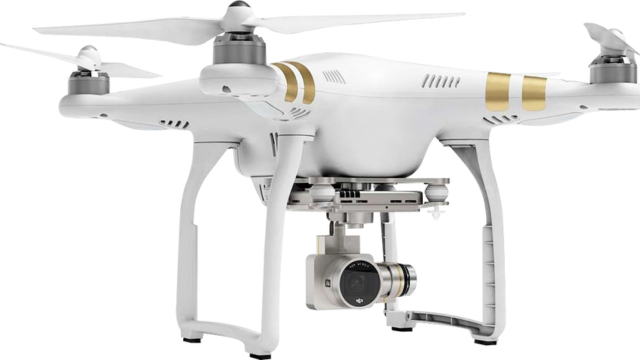
Drones are among the most readily demonstrable DX technologies for tea gardens. Scanning tea gardens from above “visualizes” growth conditions across wide areas in short time frames—previously difficult with traditional methods. Growth irregularities and disease signs easily missed during foot inspections become detectable as data.
Multispectral Cameras for Leaf Color and Disease Detection
Multispectral cameras mounted on drones capture light wavelengths invisible to the naked eye for analysis:
- NDVI (Normalized Difference Vegetation Index) quantifies leaf color and growth status numerically
- Early detection of growth irregularities and stress from excess or insufficient fertilizer
- AI extraction of early disease and pest outbreak signs
This enables pinpoint application of pesticides and fertilizer only where needed, reducing input costs while lowering environmental impact. Demonstration cases show fertilizer reductions of 10-15% through drone utilization.
Harvest Timing Determination
Drone imaging data, combined with AI analysis, enables scientific prediction of optimal picking periods:
- Integrating leaf color changes, solar radiation, and temperature data to model growth curves
- Calculating timing when umami components (L-theanine) peak
- Scheduling concentrated worker deployment at peak times
This prevents quality deterioration from early or late harvesting while maximizing yield. Even labor-short tea gardens can allocate workforce efficiently, ultimately leading to improved profitability.
IoT Sensor-Based Quality Management

Tea quality stability depends heavily on environmental management before and after harvest. IoT sensors excel here. Continuously collecting data from sensors installed in fields and factories, viewable real-time on smartphones or PCs, transforms cultivation management from “intuition and experience” to data-driven decision making.
す。
Soil and Moisture Sensors
L-theanine and amino acid content that determine tea umami are strongly influenced by soil moisture and nutrient balance, along with shade cultivation management. IoT sensor implementation enables:
- Real-time monitoring of soil moisture, EC values (electrical conductivity), and nutrient concentrations
- Automatic irrigation control linked with rainfall data
- Automated shade opening/closing coordinated with temperature-humidity sensors
This constant optimization of cultivation environment enables high-quality first-flush tea with pronounced sweetness and aroma. Demonstration farm cases report L-theanine content increases of 10-15% through optimized shade timing adjustments.
Data Integration from Harvest Through Shipment
Post-harvest management is equally critical for high-quality tea production:
- Monitor crude tea storage environment with temperature-humidity loggers, preventing oxidation and flavor deterioration
- Centrally manage production history and temperature-humidity data by lot on cloud platforms
- Automatically generate specification sheets and COA (Certificates of Analysis) at shipment
This achieves high-precision traceability (production history tracking) required by OEM partners and export destinations. Recent years have seen stricter food safety certification requirements (ISO22000, FSSC22000) and lot management demands in overseas markets, making data integration increasingly essential for export business.
Implementation Cases and Results

DX is not theoretical—it’s already delivering results in tea-producing regions. Tea cooperatives in Kagoshima and Shizuoka prefectures are increasingly adopting drone × AI analysis yield prediction systems, reporting effects including:
- Improved Shipment Planning Accuracy
Analyzing growth conditions from drone imagery to predict yields in advance. This enables pre-adjustment of tea factory operations and personnel allocation, building systems that smoothly handle even peak seasons. - Reduced Quality Variation
Early detection and correction of fertilizer irregularities and diseases improves tea leaf color, aroma, and taste stability. For export-grade tea leaves, cases show over 20% reduction in off-specification loss rates compared to previous methods. - Enhanced Trust in Export OEM Contracts
Ability to consistently issue COA (Certificates of Analysis) and specification sheets on a per-lot basis strengthens buyer confidence. This results in increased contract unit prices and acquisition of new trading partners.
For example, one Kagoshima tea cooperative achieved approximately 90% yield prediction accuracy within two years of drone implementation, virtually eliminating shipment adjustment errors. In Shizuoka, shade management linked with IoT sensors increased L-theanine content 15% year-over-year and improved award competition placement rates, contributing to brand strength enhancement.
Implementation Steps and Cost Considerations

When hearing “DX implementation,” many worry “Won’t this require huge investment?” However, recent years have seen rental and sharing services making technology accessible even for small-scale farmers, enabling phased adoption.
Small-Scale Farm Steps
- Step 1: Utilize Rental Drones
- Start with field aerial photography using drones rented from regional agricultural cooperatives or private services. Outsource analysis to minimize initial costs.
- Step 2: Introduce Single-Function Sensors
- Install soil moisture sensors or simple temperature-humidity loggers to begin data collection gradually, comparing differences between field experience and data.
- Step 3: Transition to Cloud Integration and AI Analysis
- Once effects are tangible, integrate with cloud-based cultivation management systems. Applying to yield prediction and labor planning makes ROI clearer.
Large-Scale Tea Garden Steps
For large operations, purchasing proprietary drones and multispectral cameras while integrating AI analysis with cloud management systems proves more advantageous long-term. Building in-house imaging and analysis capabilities expands data utilization scope, enabling more precise cultivation planning.
Cost Overview and Recovery Period
Generally, expect:
- Drone complete set: ¥300,000–1,000,000
- Multispectral camera: ¥500,000–1,500,000
- IoT sensors and cloud service fees: From tens of thousands of yen annually
However, utilizing Ministry of Agriculture Smart Agriculture Demonstration Projects and prefectural subsidies can cover 1/2 to 2/3 of implementation costs, significantly reducing actual burden.
ROI (Return on Investment), combining:
- Waste reduction through improved yield prediction accuracy
- Agricultural chemical cost reduction through efficient pest and disease control
- Labor cost compression through workforce efficiency
typically achieves investment recovery within 2-3 years on average. Some cases recovered within under one year through increased export OEM contract unit prices.
Future Outlook: Smart Tea Gardens Becoming the Norm
Tea garden DX is not a temporary trend but will become the standard model going forward. With AI and robotics evolution, autonomous harvesting machines and harvest robots are already in demonstration trials, with future prospects for unmanned harvest operations at night or early morning. This will dramatically reduce farmer labor burden, offering fundamental solutions to labor shortage problems.
。
Additionally, from perspectives of globally prominent ESG investment and carbon credit trading, smart agriculture earns high evaluation from companies and investors emphasizing environmental impact reduction and sustainability.
Specifically:
- Optimizing fertilizer and pesticide amounts to reduce environmental impact
- Visualizing CO₂ emissions through data-driven energy efficiency management
- Obtaining carbon neutral certification and sustainable certifications
These initiatives lead to enhanced brand value and entry into high-value-added markets.
Furthermore, the future envisions completely traceable tea becoming standard. Consumers will simply scan QR codes with smartphones to confirm:
- Which tea garden grew the leaves
- What environment cultivated them and how they were processed
- COA (Certificate of Analysis) and pesticide residue test results
This will increase consumer confidence and purchasing motivation, accelerating premium tea market expansion.
Guidance from Matcha Times: Considering Tea’s Future Together

Matcha Times is a specialized matcha media platform providing comprehensive coverage including the latest information on matcha and Japanese tea, production area reports, agricultural DX case studies, export regulations, and market trends.
- Deep dives into tea industry challenges and latest trends
- Clear explanations of global matcha boom and export data
- Farmer, tea master, and business operator interviews delivering field voices
We provide opportunities to consider next-generation tea industry for readers both domestic and international.
You’ll surely find hints for your tea garden or business. Let’s update matcha’s future together, starting now.
Conclusion: Tea Garden DX Is Investment in the Future
Tea garden DX is not merely a means of operational efficiency improvement. It represents long-term investment to protect Japanese tea’s future and enhance brand value.
- Growth visualization through drones ensures optimal picking timing for stable supply of high-quality tea
- Environmental data management through IoT sensors maximizes L-theanine and umami components
- Strengthened traceability from harvest through shipment earns trust from OEM partners and export destinations
Combining these approaches simultaneously solves the three major challenges: maximizing yield, stabilizing quality, and resolving labor shortages.
Furthermore, these initiatives create powerful tools for sustaining tea production for future generations and providing “chosen tea” to domestic and international consumers alike.
Tea garden DX is not just about technology—it’s about securing the future of an industry with centuries of tradition while meeting modern market demands. The question is not whether to adopt digital transformation, but how quickly you can begin the journey.
Recommended options
- Best Wholesale Matcha for Cafes in Austin: Grade, Cost & Supplier Guide
 A B2B guide to wholesale matcha for Austin cafes: which latte / culinary grade to use, the color, particle-size and flavor spec, hot and iced formulation, a supplier-neutral cost-per-cup formula, heat-aware storage, US import and FSVP basics, and a supplier checklist.
 - Best Wholesale Matcha for Cafés in Georgia: Grade, Cost per Cup & Supply
 The right wholesale matcha for a Georgia café is a culinary/barista (latte) grade, not ceremonial. Grade-by-use specs, a cost-per-cup method, MOQ and lead-time guidance, plus the Georgia permit, sales tax, and Port of Savannah import layer.
 - Best Wholesale Matcha for Cafés in San Francisco: Grade, Cost & Supplier Guide
 The best wholesale matcha for San Francisco cafés is a latte (barista) grade blended for milk. Grade selection, a transparent cost-per-cup calculator, Port of Oakland import notes, California Prop 65, and a supplier checklist.
 - Best Wholesale Matcha for Cafés in Los Angeles: Grade, Cost & Supplier Guide
 The right wholesale matcha for a Los Angeles café is a latte/barista grade, not ceremonial. Grade-by-use specs, a cost-per-cup method, MOQ and lead-time guidance, plus California Prop 65 lead-warning and US FDA import (FSVP, Prior Notice) via the Port of Los Angeles.
 - Best Wholesale Matcha for Cafés in Colorado: Grade, Cost per Cup & Supply
 The right wholesale matcha for a Colorado café is a culinary/barista (latte) grade, not ceremonial. Grade-by-use specs, a cost-per-cup method, MOQ and lead-time guidance, plus Colorado’s food license, home-rule sales tax, and landlocked inland-import reality.