Hong Kong’s Matcha Market: Where Health, Culture, and Experience Converge at Asia’s Premium Consumption Frontier

In Hong Kong—once known as “tea city”—a matcha boom now spreads quietly yet steadily. In café districts, matcha lattes and matcha desserts have become standard offerings, with “Japanese taste” blending into daily life particularly among youth. Propelled by rising health consciousness, social media trends, and affinity toward Japanese culture, new values establishing “matcha = stylish, healthy lifestyle.”
This article provides comprehensive explanation from Hong Kong’s evolving matcha café culture and popular establishment examples to dessert economy generated by social media, plus business opportunities and challenges for Japanese brands. We analyze the present state of “Hong Kong’s matcha market”—showing unique development within Asia—through data and local trends.
\Recommended Article/
→ Global Matcha Boom 2026: Health Trends, Social Media, and Market Reality
\For Companies Seeking Matcha Powder/

We source matcha from Japan’s premier production regions including Kyoto Uji, Kagoshima, Fukuoka, and Shizuoka, offering comprehensive grade ranges from organic JAS-certified ceremonial grade to processing-grade matcha.
Common Challenges:
- “We have projects but cannot secure stable matcha supply…”
- “We want to incorporate matcha into new café menu items!”
If you face these concerns, consult with Matcha Times. Feel free to contact us for initial inquiries.
Background of Rising Matcha Popularity in Hong Kong
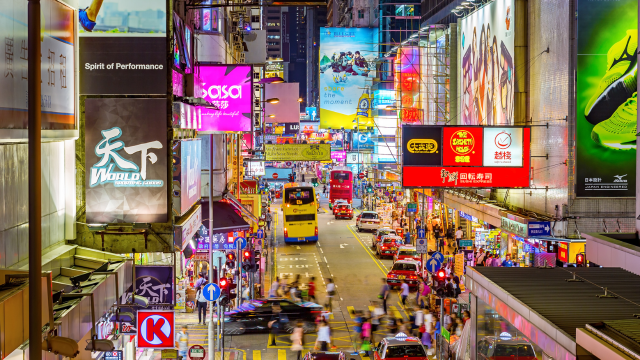
In recent years, cafés handling matcha drinks and matcha desserts have successively appeared in Hong Kong. Walking city streets, one cannot avoid seeing “green sweets” like matcha latte, matcha tiramisu, matcha parfait. Behind this lie three major elements: rising health consciousness, affinity toward Japanese culture, and information dissemination through social media.
Expansion of Health Consciousness and Stress Care Demand
In Hong Kong—economic and information hub city—stress from long working hours and high living costs intensifies seriously. Attracting attention in this context are effects of catechins, theanine, and vitamin groups contained in matcha:
These components gather support as “drink organizing without relying on caffeine,” with culture establishing “refresh drink during work breaks = matcha latte.” Particularly in office districts and shopping malls, healthy menus incorporating matcha increase. Even in Hong Kong where coffee culture runs strong, matcha is reliably building position as “body-gentle Japanese tea drink.”
Japanese-Style Brand Boom and Cultural Affinity
In Hong Kong, brand image of “Japan = quality” and “Japanese style = premium” has established over many years. Symbolizing this, “nana’s green tea” expanded to Hong Kong’s AIRSIDE mall in 2024. Using matcha from Kyoto Uji’s “Yamasho Koyamaen,” offering approximately 90 drink varieties. Instantly gathering local popularity, it became topic as Japanese-style café where “modern tea room” experience possible.
Furthermore, “Kyoto Matcha-an Marukyu Koyamaen” at K11 Shopping Centre also well-received. As space enjoying authentic matcha and sweets, supported not only by tourists but also local youth. For Hong Kong people, matcha represents “happiness time savored as extension of Japan travel,” with “experience” value evaluated beyond just “taste.”
Dissemination Power Centered on Social Media and Tourism
Another element supporting Hong Kong’s matcha popularity is information dissemination through social media. On Instagram and Xiaohongshu (RED), tags like “#matchahk” and “#抹茶控” show tens of thousands of posts, with particularly “photogenic matcha” like matcha waffles, parfaits, and latte art gaining popularity.
Additionally, in Hong Kong as tourist city visited by travelers worldwide, “drinking matcha at Japanese-style café” itself becomes part of tourism experience. Hotels and department stores also introduce matcha afternoon tea, with matcha establishing itself as urban culture symbol beyond “drink.”
Hong Kong’s Evolving Matcha Café Culture
Hong Kong’s matcha café culture is not mere Japanese imitation. It achieves unique evolution through “reinterpreting Japanese matcha culture in Hong Kong style.” Behind this lie youth health consciousness, high design sensibility, and value perception changes toward “experiential consumption.”
“Japanese-Style Matcha Cafés” Supported by Youth
In 2024, large-scale complex facility “AIRSIDE” opened in Kowloon’s Kai Tak district. “nana’s green tea Hong Kong” opening there precisely symbolizes Hong Kong’s matcha boom. Using matcha from Kyoto Uji’s established “Yamasho Koyamaen,” developing nearly 90 diverse menu varieties including drinks alone like “matcha latte,” “matcha shiratama latte,” and “matcha chocolate latte.”
Furthermore, “matcha fresh chocolate parfait” adorned with gold leaf and other “luxurious, photogenic” Japanese sweets gather popularity centered on Hong Kong’s Gen Z.
Interior also features “modern tea room” theme, fusing wood warmth with minimal design. Spacious interior displays decorations expressing four seasons, gaining reputation as “space where each visit feels special despite chain store status.”
Such Japanese-style matcha cafés evolve from “place to taste” to “place to experience,” creating new trends where “Japanese culture × Hong Kong lifestyle” intersects through matcha.
Rise of Local Brands and New-Generation Owners
Meanwhile, locally-originated matcha cafés by Hong Kong owners also successively emerge. Representative examples include “Matchali” and “Yú Teahouse”. Both proclaim concept of “expressing Japanese quality matcha through Hong Kong sensibility.”
- Matchali: Develops vegan-compatible matcha lattes and matcha smoothies in art gallery-like shop space, supported by local health-conscious segments and foreign expatriates
- Yú Teahouse: Using local farm honey and soy milk under theme “Japanese matcha made with Hong Kong ingredients,” also holding matcha experience workshops and art events, attracting attention as community-type café
These establishments embody not merely “imported culture” but “re-created matcha culture incorporating Hong Kong sensibility”. For youth with strong environmental awareness and local orientation, matcha is becoming symbol of sustainable, clean lifestyle.
“Matcha Dessert Economy” Generated by Social Media
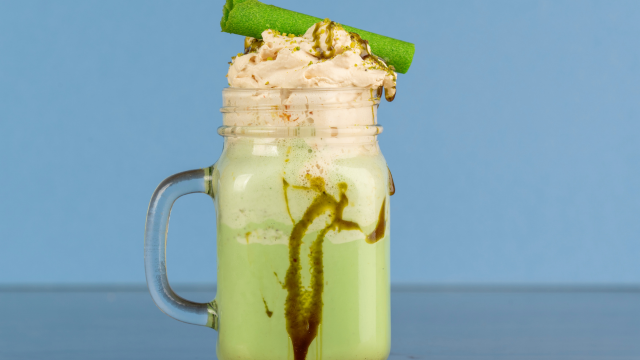
Driving Hong Kong’s matcha popularity is “visual economy” born centered on social media. Particularly on Instagram and Xiaohongshu (RED), hashtag posts like “#matchahk” and “#抹茶控” explosively increase, with “matcha enjoyed visually” establishing as part of youth culture. Matcha now evolves beyond drink into “experiential dessert photographed and shared.”
Matcha Desserts Disseminating on Instagram and Xiaohongshu
On Hong Kong’s social media, matcha dessert photos successively spread. Particularly popular are “photogenic” matcha menu items like:
At center of this exists Japanese direct-operated brand presence. At “Kyoto Matcha-an Marukyu Koyamaen” inside K11 Shopping Centre, seasonally-limited “Christmas matcha waffle sundae” generated major social media response. Word-of-mouth spreading “not just cute appearance but same taste as Japan!” established it as “sacred place” visited by matcha fans throughout Hong Kong.
Furthermore, at “nana’s green tea” Hong Kong shop, limited fresh chocolate parfait adorned with gold leaf also gathered popularity, selling out consecutively from opening week. With social media as trigger, creating economic effect directly connecting visit behavior and purchasing.
“Photograph Rather Than Drink” Culture Created by Gen Z
Hong Kong’s Gen Z tends to emphasize “what photos can be taken” over taste experience. Matcha latte layers, soft cream shapes, gold leaf and shiratama toppings—”matcha desserts created for photographing” form new markets.
This movement doesn’t stop at mere social media trends. Circular marketing establishes where increased posts elevate brand recognition, further increasing visits. Particularly on Xiaohongshu, searches like “Hong Kong matcha café recommendations” surge, with tourists visiting shops via social media also increasing.
In other words, centered on Gen Z in Hong Kong:
From “matcha for drinking” to “matcha for photographing”
—value conversion occurring, forming new consumption structure called “matcha dessert economy.” One photo, one post moving thousands’ purchasing motivation. At center lies matcha’s beauty, cultural value, experiential nature.
Business Opportunities for Japanese Brands
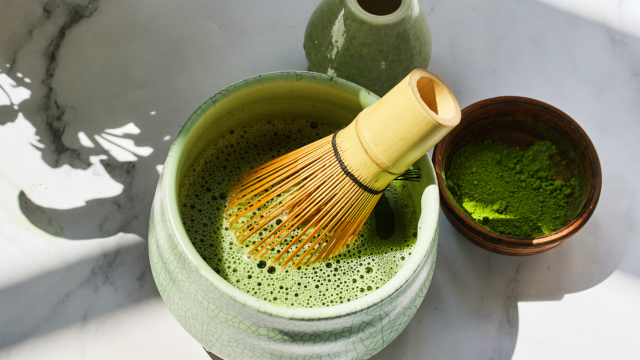
Hong Kong market represents one of most attractive overseas markets for Japanese matcha brands. In Hong Kong where mature consumer segments, high purchasing power, and “authenticity orientation” align, Japanese matcha combining quality and cultural value reliably expands support. Beyond mere trend, existence of segment seeking “authentic Japanese tea experience” brings new business opportunities to Japanese brands.
Trust in High Quality and Origin Branding
Hong Kong consumers prove highly sensitive to product “origin” and “credibility.” Origin brands like “Uji,” “Nishio,” “Kagoshima” receive high evaluation as “quality assurance proof.”
Particularly, matcha from established brands like Marukyu Koyamaen and Yamasho Koyamaen receives premium treatment at Hong Kong’s luxury department stores and hotels, ordered despite HK$60-80 per cup (approximately ¥1,200) trust level.
Behind this lie following elements:
- Stable quality control and traceability (origin certification, manufacturing transparency)
- Value appeal as “culture” (tea ceremony, hospitality, beauty of stillness)
- Brand storytelling (coexistence of tradition and innovation)
Hong Kong consumers tend to emphasize “experiential value” over price, finding value in “sensation of drinking authentic” rather than “cheap matcha.” This purchasing psychology creates highly favorable soil for Japanese brands maintaining premium positioning.
Potential for Cultural Experience Cafés and Collaboration Expansion
Going forward in Hong Kong market, attention focuses on expansion of “experiential matcha cafés”. Movement accelerates evolving matcha from “drinking” to “experiencing.”
For example, cafés combining matcha whisking experience using chasen and Japanese sweets-making workshops appear, becoming popular content on local media and travel social media. Spaces combining “experience × culture × café” gain support not only from tourists but also local affluent segments.
Furthermore, collaboration expansion where Japanese brands partner with travel companies and hotels also grows
- Introducing “Uji matcha dessert course” to hotel afternoon tea
- Holding “matcha experience fair” in Hong Kong linked with Japan tourism
- Cross-cultural projects by Japanese cafés with cosmetics and variety brands
Thus, matcha also evolves as central tool for cultural export. Experience design fusing “tasting,” “photographing,” and “learning” will become key to future Japanese brand success in Hong Kong.
Challenges and Future Outlook | Beyond Counterfeits and Price Competition
While Hong Kong’s matcha market continues expanding, it enters stage where “authentic Japanese matcha” value questioned. With market maturation, structural challenges like counterfeit products and price competition become apparent, with next focus whether Japanese brands can maintain “trust in culture and quality.”
Competition Issues with Chinese and Taiwan Matcha
Recently in Hong Kong, cases increase of matcha imported from China and Taiwan sold as “Japanese-style matcha” or “Uji matcha.” These products prove inexpensive and can circulate in large volumes, often indistinguishable from Japanese origin at first glance.
However, significant differences actually exist in flavor, aroma, and color, with “Uji matcha” misrepresentation issues also covered in local media. If this situation continues, misunderstanding spreads that “matcha = inexpensive mass-producible,” risking damage to Japanese matcha brand value.
Therefore, what Japanese brands require is brand defense strategy through three points: “origin certification,” “quality authentication,” and “storytelling”:
- Origin label and traceability disclosure
- Utilizing JAS certification and organic certification marks
- Brand stories conveying tea garden and artisan backgrounds
These initiatives become “trust proof” for Hong Kong consumers, connecting to brands selected by “true value” rather than price.
Differentiation Strategy for Premium Market Survival
For long-term success in Hong Kong market, “quality × experience × story” trinity strategy proves indispensable. Rather than competing on price, differentiation through “experiential value” and “cultural background” required.
For example, experience design enabling feeling Japanese tradition through matcha proves effective. Chasen experiences at cafés, afternoon tea collaborations, matcha ceremonies at hotels—”matcha consumption touching culture” resonates strongly with Hong Kong’s affluent segments and tourists.
Furthermore, for Gen Z and millennial segments emphasizing environmental and social consideration, sustainable tea leaf production and fair trade appeals also effective. Brands proclaiming “matcha delicious yet earth-friendly” will gather future support.
In conclusion, key to Japanese brand survival in Hong Kong market lies in “redefining cultural value and credibility beyond price competition.” Delivering matcha not as “beverage” but as “cultural experience”—precisely that represents most powerful differentiation strategy for long-term appreciation in this market.
Announcement from Matcha Times | Deeper Dive into Global Matcha Trends

Behind matcha boom spreading overseas, diverse values like health consciousness, cultural dissemination, sustainable consumption intersect. “Matcha Times” delivers highly reliable matcha news based on primary information including market trends from countries worldwide, brand strategies, and producer interviews.
- Matcha market reports by country (Asia, Europe, Americas, Middle East)
- Japanese matcha brand overseas expansion and business strategy case studies
- Original interviews with tea farmers and specialists
For those wanting to understand global matcha business present, and all seeking to deliver “authentic matcha” worldwide: Media thinking together about matcha’s future—that is “Matcha Times.”
Summary | Hong Kong as East Asian Matcha Culture Crossroads
Hong Kong represents Asia’s premier matcha-advanced city where three currents converge: health consciousness, Japanese culture, social media trends. Behind matcha being loved as beverage balancing “healing” and “experience” reflects Hong Kong people’s values seeking “time organizing mind” amid stress society.
And now, Hong Kong’s matcha culture evolves into culture movement encompassing tourism, food, lifestyle. Moments at matcha cafés become tourism purpose, social media posts generate consumption, “Japanese aesthetics” begin blending into local design and customs. This represents not mere imported trend but new matcha story Hong Kong generates as cultural crossroads.
For Japanese brands also, Hong Kong represents not merely sales market but showcase city disseminating worldwide through “quality × culture × empathy”. Trust in quality, production region stories, hospitality spirit. If these can be conveyed as experience, matcha becomes cultural bridge transcending borders.
Going forward, Hong Kong should continue as important base illuminating Japanese tea culture’s future—as hub connecting Asia’s matcha culture.
Recommended Article
→ Global Matcha Boom 2026: Health Trends, Social Media, and Market Reality
→ Japan’s Matcha Supply Crisis: What’s Really Happening Behind the Global Boom