Matcha in Malaysia: Health Trends & Multicultural Fusion Drive Growth
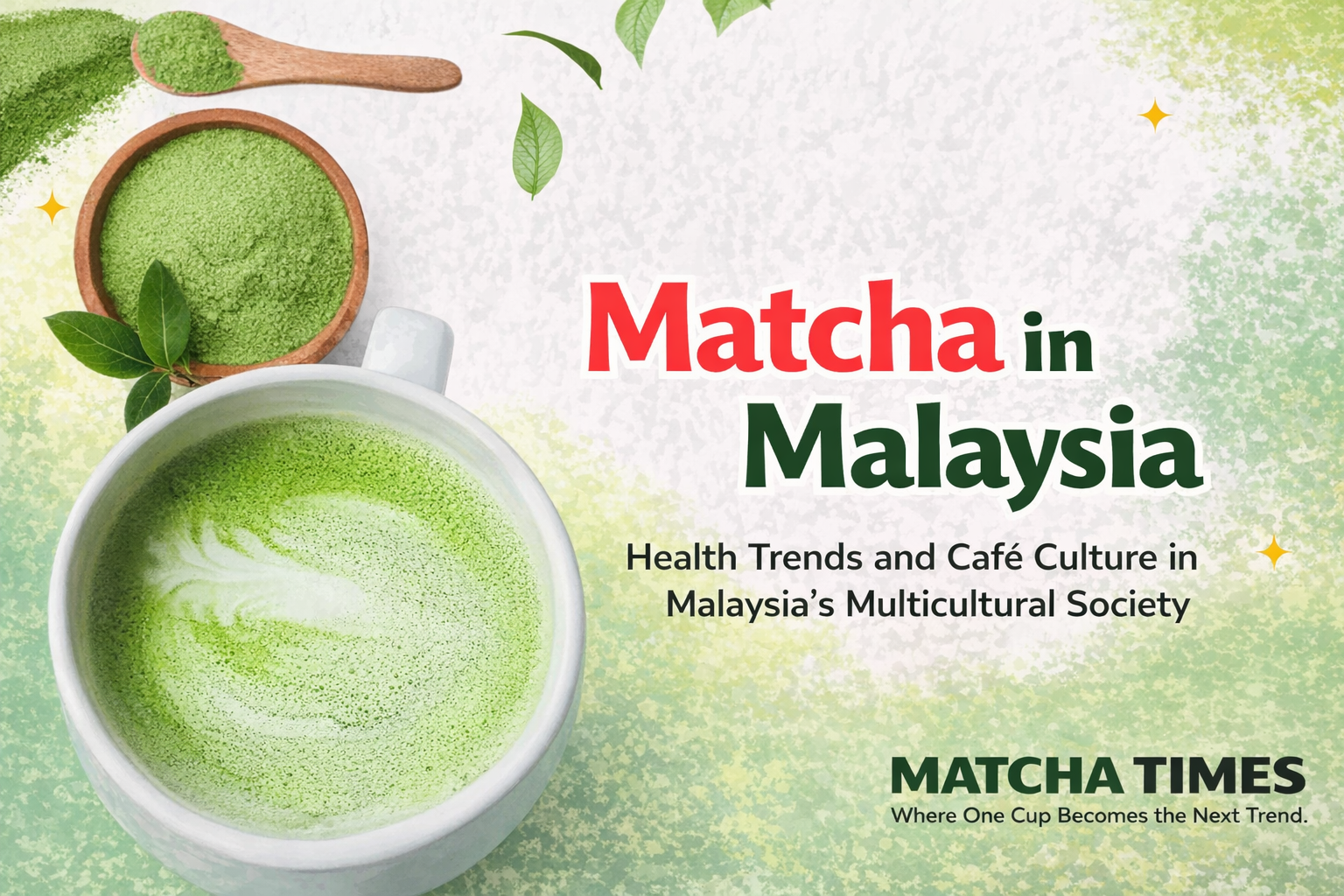
Located at the heart of Southeast Asia, Malaysia has witnessed rapid matcha popularity growth in recent years. Urban cafe culture has standardized matcha lattes, while supermarkets and convenience stores now readily stock matcha-flavored snacks and ice cream. Multiple converging factors drive this phenomenon: rising health consciousness, multicultural fusion, and the Japanese culture boom.
This article examines the background of matcha’s popularity in Malaysia, market scale and trends, local cafe and brand examples, and provides comprehensive analysis of business opportunities for Japanese matcha brands seeking to understand this strategically important Southeast Asian market.
Key Takeaways
- Malaysia’s matcha market has rapidly evolved from specialty item to everyday staple across urban centers, particularly Kuala Lumpur, Penang, and Johor Bahru
- Multiple drivers fuel growth: health and beauty consciousness positioning matcha as a superfood, seamless integration with Malay, Chinese, and Indian food cultures, and Japanese culture boom
- Market exhibits dual-tier structure: affluent consumers seeking premium Japanese matcha (Uji, Nishio brands) and youth prioritizing accessibility through chains like Tealive
- Local cafe chains (Tealive, Secret Recipe) drive mass adoption while Japanese specialty stores (Tsujiri, Nana’s Green Tea, Nanaya) serve authenticity-seeking premium segment
- Halal certification represents essential entry requirement and strategic gateway for broader Islamic market penetration across Southeast Asia and Middle East
- SNS and influencer marketing prove critical for reaching Malaysia’s digitally-engaged youth demographics, particularly Gen Z and millennials
\Also recommended/
→ Global Matcha Boom 2026: Health Trends, Social Media, and Market Reality
\For Companies Seeking Matcha Powder/
We source matcha from Japan’s premier production regions including Kyoto Uji, Kagoshima, Fukuoka, and Shizuoka, offering comprehensive grade ranges from organic JAS-certified ceremonial grade to processing-grade matcha.
Common Challenges:
- “We have projects but cannot secure stable matcha supply…”
- “We want to incorporate matcha into new café menu items!”
If you face these concerns, consult with Matcha Times. Feel free to contact us for initial inquiries.
Background of Matcha’s Growing Popularity in Malaysia
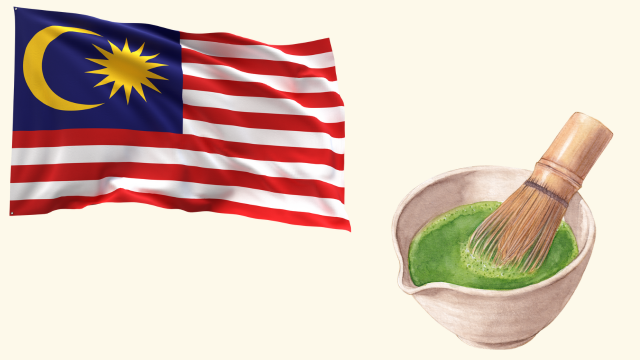
In Malaysia, matcha has rapidly gained mainstream acceptance over recent years. Beyond casual supermarket and convenience store availability, matcha lattes have become standard cafe menu offerings. Why has matcha achieved such acceptance in multicultural Malaysia? Let’s examine this background systematically.
Health and Beauty Consciousness Affinity with Matcha
Matcha garners global attention as a superfood rich in catechins, theanine, vitamins, and other beneficial components. In Malaysia too, particularly across urban areas, rising interest in “health,” “beauty,” and “concentration enhancement” means matcha’s benefits align with lifestyle aspirations and gain acceptance.
Especially younger demographics and women demonstrate strong tendencies toward beverages conscious of beauty and diet, with increasing numbers choosing matcha drinks as “guilt-free sweetness.” Furthermore, in Malaysia where SNS culture permeates deeply, products combining “Instagram-worthy elements” with “health image” like Starbucks’ Strawberry Matcha Latte generate explosive popularity, rapidly elevating matcha recognition.
Fusion with Multicultural Society (Malay, Chinese, Indian) Food Cultures合
Malaysia represents a multicultural society where Malay, Chinese, and Indian communities coexist. Consequently, food culture demonstrates exceptional diversity, with matcha smoothly integrating into this flexible culinary landscape.
Through such adaptations matching respective food customs, matcha establishes itself as “flavors enjoyable across ethnicities.” Precisely because of this multicultural society, matcha’s possibilities expand significantly.
Japanese Food, Anime Culture, and Tourism Influence
Behind matcha popularity lies penetration of Japanese culture itself. Following standardization of Japanese foods like sushi and ramen, matcha attracts attention as “the next Japanese experience.”
Furthermore, through anime and dramas, strong images of “matcha = distinctly Japanese beverage” take root, with local youth demonstrating tendencies to choose matcha from desires to “experience authentic Japanese culture.”
Additionally, increasing inbound tourism provides tailwinds. Experiencing matcha desserts and tea ceremony during Japan travel triggers post-return demand for those flavors. Within Malaysia itself, cafes offering authentic matcha lattes using chasen whisks have emerged, with “authentic Japanese cultural experiences” becoming locally accessible, further propelling matcha popularity.
Malaysia’s Matcha Market Scale and Trends

Malaysia’s matcha demand demonstrates annual expansion trends centered in beverage and dessert sectors. While comprehensive market statistics remain developing, research company data and cafe chain deployment clearly indicate upward trajectories for matcha-related product sales. Particularly in urban centers like Kuala Lumpur, Penang, and Johor Bahru where cafe culture has established itself, matcha penetrates widely as “symbols of stylish, healthy lifestyles.”
Matcha Drink Market Growth (Bubble Tea, Frappes)
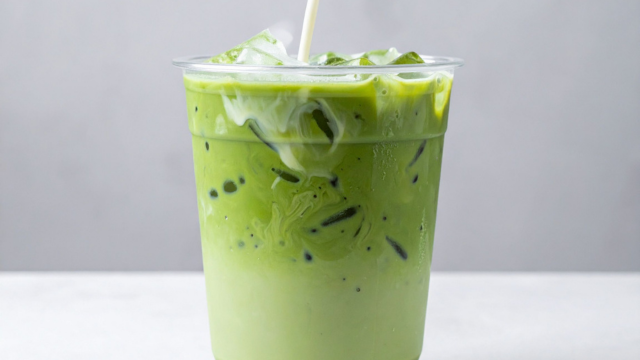
Particularly popular among Malaysian youth is the matcha drink market. Leading bubble tea brand Tealive features “Matcha Latte” and “Matcha Frappe” using Nishio-origin matcha as standard menu items, growing into signature store products.
These products transcend mere taste enjoyment, spreading via Instagram and TikTok as “Instagram-worthy drinks,” trending among youth demographics. Furthermore, Starbucks and local chains also introduce matcha-incorporating seasonal menus, accelerating market competition. Through these movements, matcha transforms from “special Japanese cultural experience” toward “everyday beverage choices.”
Matcha Menu Penetration in Bakeries and Desserts
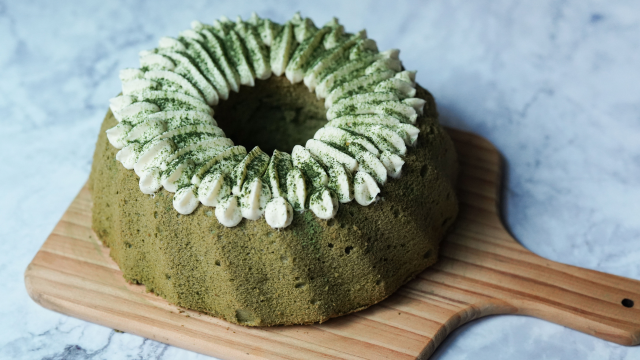
Matcha penetration extends beyond beverages alone. Even in cake shops and bakeries, matcha has become a popular flavor. As representative examples, Secret Recipe sells “Matcha Cheesecake” and “Matcha Cake” as core products, receiving support across broad age ranges.
Additionally, supermarkets and convenience stores stock matcha-flavored Kit Kats and matcha ice cream as standard products, establishing environments for casual home matcha enjoyment. FamilyMart Malaysia’s Uji Matcha Soft Serve Ice Cream generates SNS buzz, also serving as store traffic catalyst.
In essence, matcha penetrates from “special preference items” toward “everyday snacks and desserts,” significantly broadening market base.
Purchasing Demographics and Price Point Characteristics
Critical for understanding Malaysia’s matcha market is its dual-tier structure.
- Affluent and Urban Middle Class
- Strong tendencies seek high-quality authentic Japanese matcha, perceiving added value in regional brands like Uji and Nishio. Characteristically choosing “authentic” products despite somewhat higher pricing, frequently utilizing Japanese specialty matcha shops.

- Youth and Student Demographics
- Emphasizing price, preferring readily enjoyable matcha drinks and snacks. Tealive and convenience store products resonate with this segment, providing “casual trial matcha experiences.”

This coexistence of dual consumption behaviors enables matcha market growth through both “premium orientation” and “mass-market orientation” wheels. As branding strategy considerations, target demographic choices significantly alter marketing approaches and product design—noteworthy focal points.
Popular Malaysian Matcha Cafes and Brand Examples
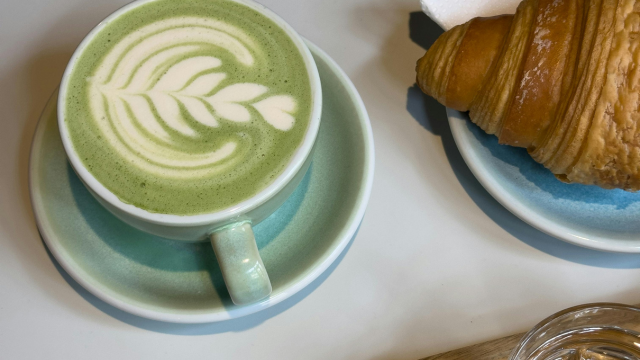
In Malaysia, local cafe chains, Japanese brands, and retail/e-commerce represent multi-layered players driving the matcha market. Each leverages distinctive strengths in deployments elevating matcha from “special preference items” toward “everyday staples.”
Local Cafe Chains (Tealive, Secret Recipe, etc.)
Locally originated cafe chains have built foundations for Malaysian matcha demand.
Tealive
Having dominated with bubble tea, Tealive deploys drinks prominently featuring Japanese Nishio matcha. High customizability and “Instagram-worthy appearance” generate massive popularity centered on youth demographics. Matcha lattes and matcha frappes become standard drinks targeting SNS posts, rapidly elevating matcha recognition.
Secret Recipe
Operating stores nationwide as major bakery cafes, providing Matcha Cake and Matcha Cheesecake as regular products. Receiving support from children to adults across broad age ranges, selected even for birthday and celebration occasions.
These local brands play major roles in embedding matcha into daily life through “affordable pricing” and “locally distinctive arrangement capabilities.”
Japanese Matcha Specialty Stores (Tsujiri, Nanaya, Nana’s Green Tea, etc.)
Meanwhile, Japanese brands enjoy popularity among authenticity-seeking demographics.
These stores leverage strengths in “enjoying authentic flavors experienced in Japan locally,” with brand experiences themselves achieving status symbols.
Supermarket, Convenience Store, and E-Commerce Matcha Product Expansion
Supporting everyday consumption are supermarkets, convenience stores, and e-commerce.
Thus, distribution networks spanning from “special cafe experiences” to “casual home consumption” expand, further broadening Malaysia’s matcha market base.
Business Opportunities for Japanese Matcha Brands

Malaysia’s market represents a critical hub driving Southeast Asian matcha demand expansion. Population growth, urbanization, and consumption behavior shifts centered on SNS create numerous opportunities for Japanese brands. Here we examine particularly noteworthy focal points.
Affluent and Urban Consumers Seeking High-Quality Matcha
In urban centers like Kuala Lumpur and Penang, affluent and globally-oriented consumers strengthen “authenticity orientation.” They remain unsatisfied with mere “matcha flavoring,” discovering value in regional brand stories like “Kyoto Uji” and “Aichi Nishio.”
This demographic demonstrates relative price tolerance, characteristically maintaining strong consciousness that “high quality = status.” For example, if purchasing matcha powder and premium sweets as gifts establishes itself, this becomes a market enabling Japanese brands to secure high profit margins.
Halal Certification Importance and Deployment Strategies
Malaysia represents a nation where approximately 70% are Muslim, making halal certification an essential entry condition. With certification, sales become possible across broad channels including supermarkets, convenience stores, foodservice chains, and e-commerce, facilitating consumer trust acquisition.
Additionally, Malaysia holds strength as a halal product export hub. Obtaining certification here provides major advantages when deploying to peripheral markets including Indonesia and Middle Eastern countries. In essence, Malaysia’s market extends beyond mere sales destination, assuming roles as a “halal gateway.”うのです。
SNS and Influencer-Leveraged Promotion
Malaysian consumers, especially Gen Z and millennials, experience strong SNS influence. If “Instagram-worthy matcha drinks” or “Japanese dessert videos” spread via Instagram and TikTok, this directly connects to purchasing behaviors.
Collaborations with local food influencers and lifestyle creators represent effective means for rapidly elevating recognition. Additionally, incorporating storytelling elements like “direct from Japan” or “limited flavors” strengthens topicality.
Consequently, SNS strategies transcend mere advertising, becoming weapons for establishing positioning as “matcha = trend centers.”
Check Global Matcha Trends at Matcha Times

Beyond Malaysia, matcha booms spread across Thailand, Singapore, Europe, North America, and beyond. Matcha Times provides accessible explanations of latest market trends, success cases, and brand strategy insights. We deeply explore “matcha’s present” useful for business and lifestyles.
Summary: Malaysia as Key to Southeast Asian Matcha Expansion
Malaysia’s matcha popularity forms through multiple overlapping elements: rising health consciousness, flexible multicultural fusion, and the Japanese culture boom. Matcha has already penetrated urban cafes and convenience stores, evolving from special preference items toward “everyday enjoyable flavors.”
Furthermore, mass adoption by local chains and authentic experiences from Japanese specialty stores simultaneously expand markets, with supermarkets and e-commerce propelling home demand. Such multi-layered growth models represent reasons why Malaysia leads Southeast Asian matcha demand expansion.
For Japanese brands, multiple business opportunities expand including:
- Premium strategies targeting affluent consumers seeking high-quality matcha
- Channel expansion and peripheral country deployment centered on halal certification
- Youth penetration through SNS marketing
In essence, securing Malaysia’s market extends beyond single-country deployment, becoming strategic positioning anticipating Southeast Asian-wide expansion.
Also recommeded
→ Matcha in Indonesia: Cafe Culture & Health Trends Driving Growth
→ South Africa’s Matcha Landscape: How Japanese Matcha Is Received and Market Opportunities Explained