El Salvador’s Matcha Scene: Coffee Nation’s Complementary Beverage Opportunity
Key Takeaways
- El Salvador’s matcha market remains nascent but emerging through urban youth and modern cafe culture centered in San Salvador
- Coffee culture dominance positions matcha as complementary rather than competitive beverage for afternoon/evening or stomach-gentle occasions
- Current consumption centers on urban cafe matcha lattes and desserts targeting coffee-sensitive, health-conscious, and Instagram-focused demographics
- Quality challenges prevail with distribution dominated by Chinese powdered green tea and flavored powders lacking authentic Japanese production standards
- Japanese matcha holds premium positioning potential in limited channels (luxury cafes, hotels, affluent retail) through “Japanese,” “Premium,” “Organic” quality indicators
- Medium-term growth potential exists through young population, expanding urban cafe culture, and North American trend influences despite current small scale
\Recommended Article/
→ Canada’s Matcha Market: Wellness Appeal, Multicultural Integration & Growth Potential
\For Companies Seeking Matcha Powder/
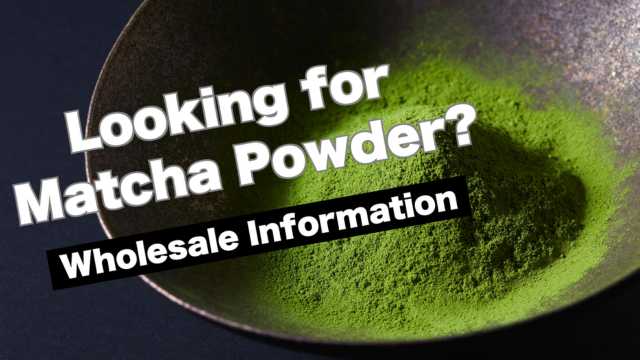
We source matcha from Japan’s premier production regions including Kyoto Uji, Kagoshima, Fukuoka, and Shizuoka, offering comprehensive grade ranges from organic JAS-certified ceremonial grade to processing-grade matcha.
Common Challenges:
- “We have projects but cannot secure stable matcha supply…”
- “We want to incorporate matcha into new café menu items!”
If you face these concerns, consult with Matcha Times. Feel free to contact us for initial inquiries.
Background of Emerging Matcha Attention in El Salvador
Amid globally spreading matcha booms, Central America’s El Salvador increasingly hears the word “Matcha.” Concluding directly, El Salvador’s matcha market remains quite small-scale, yet quietly begins budding centered on urban youth demographics and emerging cafe culture.
This article thoroughly explains coffee powerhouse-specific matcha situations from perspectives including El Salvador’s food culture and cafe conditions, matcha consumption scenes, distribution and quality realities, Japanese matcha potential, and future market prospects.
Background of Emerging Matcha Attention in El Salvador
El Salvador represents a globally recognized coffee producing nation. Within national life, coffee proves extremely familiar, consumed daily both at home and dining out.
However, recent years see specialty coffee and modern cafe culture rapidly spreading centered in capital San Salvador.
Behind this transformation lie:
- Increasing youth with overseas study or immigration experiences
- North American and European cafe trend inflows
- Food culture globalization through SNS
Within these changes, matcha attracts attention from certain sensitive demographics as “healthy new choices differing from coffee.”
Main Matcha Consumption Scenes in El Salvador
Locations where matcha is consumed in El Salvador remain extremely limited currently. Matcha has not yet penetrated general households, treated as urban area, cafe-centered preference items.
Urban Cafe Matcha Lattes
San Salvador and surrounding new cafes increasingly add matcha lattes and matcha frappes to menus.
These are primarily selected by:
- People not wanting excessive coffee consumption
- Demographics preferring moderate-sweetness drinks
- Youth emphasizing Instagram-worthiness
Here too, matcha positions not as “everyday beverages” but trend-associated special drinks.
Dessert and Confection Applications
Matcha extends beyond beverages, beginning usage in confection purposes including:
- Matcha cakes
- Matcha ice cream
- Matcha cookies
Amid coffee flavor mainstream, matcha’s green color and flavor receive evaluation as easily differentiated materials.
Distribution Reality and Challenges in El Salvador Market
Meanwhile, “matcha” circulating in El Salvador faces several challenges. Concluding, Japanese-standard matcha barely circulates.
Most locally used ingredients include:
- Chinese powdered green tea
- Matcha-flavored flavor powder
- Import ingredients with unclear production methods and grades
Japan’s unique matcha culture—stone-grinding shade-grown tencha—remains barely recognized in reality.
Additionally, import costs and purchasing power issues make high-quality Japanese matcha price-disadvantaged, becoming popularization barriers.
How Matcha Evaluates in Coffee Culture Nations
Interestingly, even in coffee-culture-rooted El Salvador, matcha receives viewing as “complementary beverages” not “competition.
” Matcha earns acceptance for reasons including:
- Stomach-gentle
- Drinkable during afternoons and evenings
- Healthy imagery
Thus perceived as beverages used selectively rather than replacing coffee.
This point represents characteristics unique to coffee-producing El Salvador.
Japanese Matcha Potential in El Salvador
Currently, Japanese matcha distribution volume remains minimal.
However, evaluations toward Japanese products prove not low.
In El Salvador, notations including:
- Japanese
- Premium
- Organic
Function as quality-indicating indicators.
While unsuitable for mass sales, limited channels including:
- Luxury cafes
- Hotels
- Affluent-demographic shops
Present room for selecting high-value-added Japanese matcha.
El Salvador Matcha Market Future Potential
El Salvador’s matcha market does not anticipate rapid growth.
However, medium-to-long-term potential proves sufficient based on:
- Large youth populations
- Urban cafe culture expansion
- North American trend inflows
Moving forward, carefully communicating “what is matcha” and “why Japanese origin” will gradually mature markets.
For Those Seeking Matcha Powder
Matcha business begins from “correct selection.” Japan Matcha Export Organization proposes optimal powdered matcha matching purposes and price ranges spanning cafes, desserts, e-commerce brands, retail, and personal uses.
According to applications, we address broad needs including:
- Commercial-grade for matcha lattes and desserts
- Small-volume packaging for gifts and retail brands
- Ingredient proposals for OEM and original brand development
“Want to know which matcha proves optimal” or “First want consultations”—please feel free to contact us with such inquiries.
Summary: El Salvador’s Matcha Situation as “Coffee Culture Niche Market”
Organizing El Salvador’s matcha situation yields these summaries:
- Matcha centers on urban cafes
- Matcha lattes and desserts prove mainstream
- Distribution product quality varies widely
- Japanese matcha targets high-value-added markets
El Salvador holds potential for matcha cultivation as “new niche markets” born within coffee culture.
Also recommended
→ UK Matcha Market: Health Consciousness, Cultural Appeal & Sustainable Growth
→ Singapore’s Matcha Market: Health Appeal, Cultural Connection & Premium Positioning