Oman Matcha Market 2026: Demand, Café Trends, Imports & B2B Opportunities

Oman’s matcha market is in an early-growth phase with accelerating demand, driven by a young, health-conscious café culture and a broader GCC wellness movement. For B2B buyers — importers, distributors, and café-chain operators — the country offers a first-mover window for Japanese ceremonial and culinary-grade matcha before the market becomes crowded. This article examines what is driving Oman’s matcha adoption, what the import and regulatory landscape looks like, and how to structure a sourcing strategy that works at commercial scale.
For Companies Seeking Matcha Powder
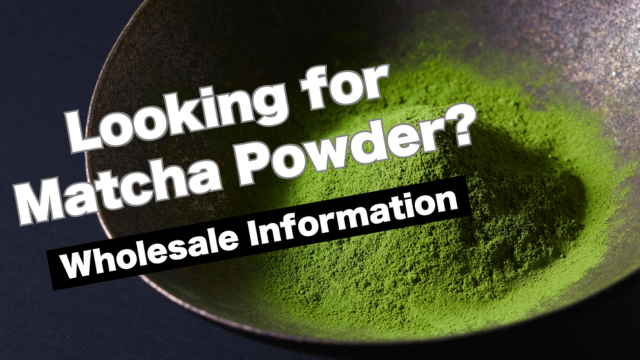
We source matcha from Japan’s premier production regions including Kyoto Uji, Kagoshima, Fukuoka, and Shizuoka, offering comprehensive grade ranges from organic JAS-certified ceremonial grade to processing-grade matcha.
Common Challenges:
- “We have projects but cannot secure stable matcha supply…”
- “We want to incorporate matcha into new café menu items!”
If you face these concerns, consult with Matcha Times. Feel free to contact us for initial inquiries.
\Read Also/

Key Takeaways for B2B Buyers
- Oman’s specialty café scene is growing, and matcha has arrived on menus in Muscat — primarily as a latte and wellness beverage among young professionals and students.
- The Middle East and Africa matcha market was valued at approximately USD 86.1 million in 2023 and is projected to reach USD 110.7 million by 2030, according to market intelligence data reported by Arab News (May 2025).
- Oman imported approximately USD 33.9 million in total tea (all HS 0902) in 2022, with the UAE as the leading source — confirming an active tea import infrastructure (OEC World, 2022).
- Matcha falls under HS 0902.20 (green tea, not fermented) for customs purposes; buyers should confirm the current GCC Common Customs Tariff rate and any applicable GSO (GCC Standardization Organization) food-safety requirements with a licensed Omani customs broker.
- Halal certification from a recognized body is a standard sourcing requirement across GCC food and beverage markets, including Oman.
- Japan’s matcha production has nearly tripled since 2010, but supply of ceremonial-grade leaf remains tight — building direct supplier relationships and locking in volumes early is the recommended approach (Global Japanese Tea Association, 2025).
\Read More/
Oman’s Matcha Market: Demand Drivers and Café Trends
Oman’s beverage landscape has shifted noticeably over the past few years. Traditional Arabic coffee (qahwa) remains dominant at home, but the country’s expanding specialty café sector — particularly in Muscat — is embracing global wellness drinks. Matcha has benefited directly from this shift. Reports from dedicated matcha spots in Muscat, such as Matcha House in Al Mawalih North, illustrate early consumer traction. An Oman Observer feature (September 2025) describes matcha’s appeal among young Omani professionals and students as rooted in its combination of steady energy and calm focus — the caffeine-plus-L-theanine profile that differentiates it from coffee.
This positions matcha squarely within Oman’s growing wellness-beverage trend. HORECA Oman’s hospitality panels have flagged matcha as one of the ingredients gaining traction across the GCC café scene. For B2B buyers, this is a signal worth reading carefully: café chains and standalone specialty shops are the primary early adopters, and culinary-grade powder is the highest-volume entry point for wholesale supply.
The Mechanism: How Matcha’s Functional Profile Drives GCC Adoption
Matcha’s market growth across the GCC — including Oman — is not purely aesthetic. Its bioactive profile is substantively different from coffee and conventional tea, and this matters for a buyer sourcing product that will be positioned on a health or wellness platform.
Matcha is shade-grown and stone-milled whole-leaf green tea, which concentrates chlorophyll, catechins (especially EGCG), and L-theanine at higher levels than brewed green tea. L-theanine modulates caffeine’s stimulant effect, producing focused alertness without the spike-and-crash pattern of espresso. This is the functional selling point that licensed dietitians and health communicators in the GCC have cited in recent press coverage as matcha’s core advantage over sugary drinks (Arab News, May 2025).
For café operators in Oman, the practical implication is that culinary-grade matcha performs reliably in milk-based drinks — it emulsifies well, holds its characteristic green colour in lattes, and tolerates the temperature and sweetening levels common in GCC café formats. Ceremonial grade, while premium, is best reserved for traditional whisked preparation and specialty matcha bars rather than high-volume latte programmes.
Market Evidence: Regional Data and Trade Context
Direct matcha-specific import statistics for Oman are not broken out in publicly available customs data — matcha is classified under the broader HS 0902.20 (green tea not fermented) category, which also includes other green teas. What the data does confirm is that Oman has an established tea import infrastructure at meaningful scale.
According to OEC World, Oman imported approximately USD 33.9 million in total tea (HS 0902) in 2022, ranking it 53rd among global tea importers. The UAE was the leading source (USD 21 million), followed by East African origins. This distribution reflects Oman’s re-export and regional distribution role, as well as its proximity to Dubai’s tea trading hub — a logistics fact that matters for matcha buyers planning an import route.
At the regional level, the Middle East and Africa matcha segment was valued at approximately USD 86.1 million in 2023 and is projected to reach USD 110.7 million by 2030 at a compound annual growth rate of 3.6%, according to market intelligence data cited by Arab News in May 2025. These are commercial provider estimates and figures can vary by report and definition, but the directional signal — steady growth with ceremonial grade as the fastest-growing segment — is consistent across sources.
Japan’s supply context reinforces the case for early action. Japan Matcha Export Organization (JMEX) and the Global Japanese Tea Association both note that production capacity has nearly tripled since 2010, but demand from global café chains has absorbed that expansion. As of 2025, ceremonial-grade supply remains limited, and major Kyoto producers have imposed purchase limits. Buyers who wait for the market to mature in Oman risk sourcing delays and premium pricing.
Sourcing for Oman: Halal, Regulatory, and Buyer Checklist
B2B buyers entering the Oman matcha market need to satisfy several sourcing requirements before the first shipment. The checklist below is designed to evaluate any potential matcha supplier — not any single one — based on what Oman’s B2B environment specifically demands.
| Criterion | What to verify with any supplier |
|---|---|
| Halal certification | Certificate issued by a recognized halal body; confirm acceptance in Oman (GCC buyers often require a GCC-recognized or internationally accredited halal certifier) |
| Grade specification | Culinary grade for latte programmes; ceremonial grade for premium/whisked preparation — clarify OCHA (colour, flavour, grind fineness) and confirm grade is documented on the COA |
| Pesticide residue (MRL) compliance | Test results showing compliance with the GCC Common Customs Tariff and GCC Standardization Organization (GSO) food-safety standards; ask for a recent (within 12 months) third-party lab report |
| Heavy-metal and microbiological specs | Certificate of Analysis (COA) covering lead, cadmium, total plate count, yeast/mould; required by most GCC food importers |
| Origin traceability | Prefecture, harvest season, and processing method on the COA; Japanese origin preferred for premium positioning in GCC café menus |
| Export documentation | Phytosanitary certificate, certificate of origin, and commercial invoice; confirm the exporter’s experience with Oman or UAE customs procedures |
| MOQ and logistics | Minimum order quantities compatible with your initial demand volume; cold-chain or controlled-environment shipping requirements for maintaining quality in transit to the Gulf |
| Supply consistency | Supplier’s track record with seasonal and year-round availability; matcha supply tightens after harvest; ask about allocation policy for contracted buyers |
Importers new to the Oman market should also confirm current food-import registration requirements with Oman’s Ministry of Agriculture, Fisheries and Water Resources (MAFW) and verify the applicable GCC Common Customs Tariff rate for HS 0902.20 with a licensed Omani customs broker, as rates and requirements are subject to periodic revision.
Why Buyers Choose JMEX (Japan Matcha Export Organization)

JMEX specializes in the export side of the matcha supply chain — sourcing from verified Japanese producers, managing grade selection, documentation, and logistics for buyers in markets exactly like Oman’s. With an export track record to 43 countries, JMEX brings direct experience of GCC import requirements, halal documentation pathways, and the grade and origin decisions that determine whether a product succeeds on an Omani café menu.
For the Oman market, JMEX can advise on the optimal origin and grade pairing — matching the right Japanese terroir and processing method to the specific application, whether that is a high-volume culinary-grade latte programme or a premium ceremonial-grade retail range. JMEX also supports COA preparation, MRL compliance testing, and the export documentation that Omani customs and food-safety inspectors require.
Frequently Asked Questions
Is matcha halal, and what certification does Oman require?
Pure, unadulterated matcha powder — just ground green tea leaf — is halal by composition. However, GCC importers including those in Oman typically require formal halal certification from a recognized certifying body, particularly when the product is sold as a branded food ingredient. Buyers should confirm which certifiers are accepted by their Omani distribution partners and request the certificate from the exporter before committing to a purchase order.
What HS code covers matcha imported into Oman?
Matcha (stone-milled green tea powder) is classified under HS 0902.20 — green tea, not fermented — in bulk or non-retail packaging sizes above 3 kg. For pre-packaged retail units of 3 kg or less, the relevant sub-heading is HS 0902.10. Buyers should verify the precise 8-digit Omani tariff code and the current GCC Common Customs Tariff rate with a licensed customs broker, as these details are subject to change.
Which matcha grade is best for Oman’s café market?
Culinary grade is the practical choice for most Omani café operators using matcha as a latte ingredient. It provides consistent colour and flavour in milk-based drinks at a cost per serving that works for commercial menus. Ceremonial grade is better suited to dedicated matcha bars or premium retail lines where the extra quality is part of the customer experience. For product development (protein powders, health supplements), food-grade matcha with a detailed COA — including particle size, moisture, and microbiological specs — is typically required.
How does the Oman matcha opportunity compare to the wider GCC market?
Saudi Arabia and the UAE are currently the largest GCC matcha markets by volume and are further along the adoption curve. Oman is at an earlier stage, which creates an opportunity for first-mover positioning — lower competition, more receptive distribution channels, and the ability to build brand loyalty before the market becomes commoditized. The GCC’s shared import infrastructure (many routes pass through the UAE hub) also means that an Oman distribution strategy can often be built as an extension of a UAE or KSA entry plan.
What documentation does a Japanese matcha exporter need to supply to an Omani importer?
Standard export documentation for a matcha shipment destined for Oman typically includes: a phytosanitary certificate (issued by Japan’s Ministry of Agriculture, Forestry and Fisheries / MAFF), a certificate of origin, a commercial invoice and packing list, a Certificate of Analysis (COA) covering pesticide residue, heavy metals, and microbiological parameters, and — if required by the buyer’s distribution partners — a halal certificate. Requirements can vary by buyer and are subject to change; consult your Omani customs broker for the current document set.
Learn More About Global Matcha Trends at Matcha Times

Matcha Times is a specialist media platform covering the global matcha market — sourcing and wholesale, supply and pricing, trade and regulations, production and origins, and the companies shaping the industry.
From market analysis and price trends to café case studies and interviews with tea farmers, we help buyers, importers, distributors, and manufacturers stay ahead of where matcha is heading. Explore more and put the global matcha market to work for your business.
Conclusion
Oman’s matcha market rewards buyers who move now — before the market matures, while café operators are still forming their supplier relationships and while first-mover advantage is real. The sourcing fundamentals are the same as across the GCC: verified Japanese origin, halal documentation, GCC-compliant food safety specs, and a supplier capable of consistent export logistics. Consult JMEX to structure a sourcing plan built for the Oman opportunity.
Looking for wholesale or OEM matcha samples? Contact us — we will recommend the optimal origin and grade based on your application and target markets.
Related Articles