Latest Trends in Tea Functional Labeling | Catechin and Theanine Evidence and Regulations

Tea receives renewed attention not as mere luxury items but as functional foods supporting health. Particularly, scientific evidence for tea components including catechins and theanine has accumulated, with effects including visceral fat reduction, relaxation, and sleep quality improvement reported. In April 2025, the functional labeling system was revised, with package labeling rules becoming clearer. Correctly understanding domestic and international regulations and labeling strategies becomes major differentiation points for manufacturers and brands.
This article thoroughly explains catechin and theanine’s latest research, domestic/international system comparisons, labeling strategies, and risk management.
\Recommended Article/
\For Companies Seeking Matcha Powder/
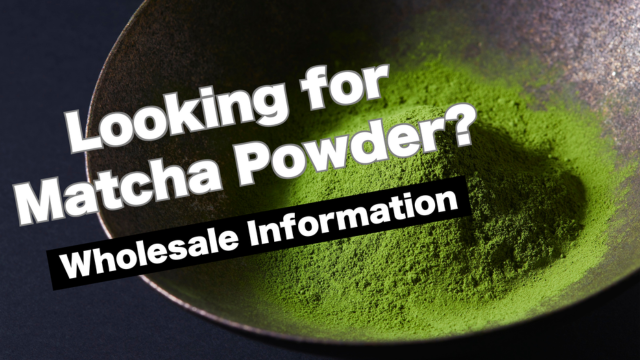
We source matcha from Japan’s premier production regions including Kyoto Uji, Kagoshima, Fukuoka, and Shizuoka, offering comprehensive grade ranges from organic JAS-certified ceremonial grade to processing-grade matcha.
Common Challenges:
- “We have projects but cannot secure stable matcha supply…”
- “We want to incorporate matcha into new café menu items!”
If you face these concerns, consult with Matcha Times. Feel free to contact us for initial inquiries.
Why Tea Functional Labeling Attracts Attention Now

These recent years in Japan, balancing health consciousness with cost-saving consciousness has become a major theme. Post-pandemic, with remote work and lifestyle diversification, people sensitively managing physical conditions increased, with “health foods easily incorporable into daily habits” becoming sought. According to MAFF’s “Tea Circumstances,” while overall green tea beverage markets trend flat, functional labeled tea beverages record double-digit annual growth. This indicates selection as “health challenge resolution means” rather than mere luxury items.
As specific cases, “Iyemon Mainichi Sukoyaka” series jointly developed by FamilyMart and Suntory in 2024 uses tea catechins as functional components, labeling “reduces visceral fat for those with high BMI.” Deployed nationwide at approximately 16,000 stores, it first seriously featured functional labeling as convenience store PB. This initiative attracts attention as model naturally promoting health behaviors through “incidental purchases” and daily habits fitting convenience store users’ patterns.
Furthermore, in RTD (Ready to Drink) beverage and supplement markets, providing health value based on scientific evidence becomes differentiation factors, facilitating premium pricing. Data also shows manufacturers utilizing functional labeling can obtain consumer conviction even with 10-20% higher pricing than regular green tea. Consequently, functional labeling represents important means elevating not merely regulatory compliance but brand strategies and profitability.
Catechin and Theanine Main Evidence

Catechin Functionality
Catechins represent polyphenols abundantly contained in tea, with recent research scientifically supporting wide-ranging health effects. Particularly attracting attention are fat absorption suppression and visceral fat reduction effects. Human intervention trials by National Institute of Health and Nutrition and companies report continuous tea catechin intake reduces visceral fat areas 5-10% average over 8-12 weeks. Meta-analyses integrating multiple research results also statistically significantly demonstrate body fat reduction effects for high-BMI individuals.
Additionally, catechins are known as powerful antioxidants, with active oxygen removal and LDL cholesterol oxidation suppression contributions confirmed. This potentially contributes to arteriosclerosis and lifestyle disease risk reduction. Furthermore, immune system influence research advances, with evidence also suggesting cold and influenza onset risk reduction. These data become grounds for currently many functional labeled foods displaying “suppressing fat absorption” and “helping reduce visceral fat.”
Theanine Functionality
Theanine represents tea-unique amino acids, featuring mind-body relaxation effects. Brainwave measurement research clarifies α-wave increases approximately 30 minutes post-intake, promoting calm awakening states. Joint Tsukuba University and Ito En research shows subject groups ingesting 200mg theanine before bedtime significantly improved sleep quality (deep sleep duration, sleep onset latency). Stress hormone cortisol concentration decreases were also observed, supporting stress mitigation effects.
Furthermore, recent cognitive function support effect attention also rises. Studies targeting seniors report theanine intake improved attention and working memory, utilized for product development aiming aging cognitive function decline prevention and working-age performance enhancement.
Domestic System | Functional Labeled Food Practicalities
Japan’s functional labeled food system was established April 2015. This system enables businesses to label health functions based on scientific evidence, aiming transparency ensuring consumer product selection ease. Unlike Foods for Specified Health Uses (FOSHU), no prior governmental review required, with businesses responsibly conducting notifications and labeling. This suppresses development costs and periods, enabling more products entering markets.
Notifications require meeting following requirements:
Scientific Evidence Submission
- Final product or functional component human clinical trial data
- Or systematic reviews (SR) integrating multiple research papers
Safety Data
Organizing existing information, intake limits, excessive intake risk confirmation
Component Specifications and Daily Intake Guidelines
Ensuring content amounts through analytical testing
Additionally, regarding packaging and advertising, expressions misrecognized as “disease treatment/prevention” are prohibited. For instance, rather than “lowering blood sugar,” expressions not causing consumer misunderstanding like “moderating post-meal blood sugar increases” are required.
Points Strengthened by 2025 Revisions
Revisions implemented from April 1, 2025 greatly changed labeling and information provision rules. Main revision points include:
Through these revisions, consumers can confirm at glance products are functional labeled foods, with eras requiring strengthened corporate compliance. Transitional measures last until August 31, 2026, with post-period manufacturing under new standards mandatory.
Overseas Regulation Comparisons

While Japan’s functional labeled food system penetrates domestically, overseas interest in tea health function labeling also rises. However, scientific evidence standards required differ by countries and regions, necessitating meticulous attention for exports and global expansion.
US (FDA) Structure/Function Claims
In America, under FDA-defined Structure/Function Claims, business-responsible labeling is possible. Display content uses notification rather than notification systems, with sales possible by notifying FDA 30 days before sales commence. However, “expressions suggesting disease treatment/prevention” are entirely prohibited, limited to gentle expressions like “supports” or “helps maintain.” Post-sales, FDA or FTC (Federal Trade Commission) monitoring occurs, with insufficient grounds judged resulting in Warning Letter issuance, risking brand damage.
EU (EFSA) Health Claim Systems
EU requires EFSA (European Food Safety Authority) health claim approvals, with scientific evidence strictness globally top-class. Applications require SR or multiple clinical trial data, with rejections when evidence reproducibility or dose-response relationships are unclear. Particularly polyphenol class labeling receives cautious examination, with limited approval numbers. Performing EU labeling for Japanese tea catechin-related displays often requires additional trials and European standard data compliance, sometimes taking years to market.
China and ASEAN Labeling/Permit Systems
China requires “health food” registration, submitting safety and efficacy data including clinical and animal trials, undergoing State Administration for Market Regulation (SAMR) examinations. Registration completion takes 1-2 years with costs often reaching millions of yen. ASEAN countries vary regulations by nation, with Malaysia and Singapore listing permissible health claims, while Indonesia and Thailand sometimes require prior approvals.
Export Label Practicalities and Risks
Common practical troubles include:
These cause customs troubles and import suspensions, necessitating collaboration with consultants versed in local regulations and export support companies.
Labeling Strategies and Marketing Utilization
Functional labeling represents not mere regulatory compliance notation but potentially becomes marketing assets elevating brand value. While consumers sensitively respond to health appeals, they easily distrust exaggerated expressions or uncertain claims, making word selection and presentation extremely important.
Expression Ingenuity Resonating with Consumers
Strong expressions like “fat burning” and “diet effects” risk excessively raising expectations. Functional labeled foods recommend mild expressions based on scientific evidence like “helping reduce body fat” and “adjusting abdominal conditions.” This balances reassurance with conviction, connecting to repeat purchases.
Package and EC Page Appeal Points
- Ensuring Main Surface Visibility: Revised systems mandate “functional labeled food” frame displays. Reversing this, integrate with brand colors and icons for eye-catching utilization
- Clearly Showing Intake Guidelines and Functional Components: On EC pages, beyond functional labeling text, visualizing data with graphs and pictograms improves comprehension and purchase rates
- Installing FAQs and Q&As: Answering beforehand about “safety” and “excessive intake” where consumers easily feel anxious also contributes to complaint reduction
Research Data and Media Exposure Utilization
Press releases and brand sites clearly stating evidence sources (paper names, research institutions) facilitate obtaining consumer trust. Ito En’s “Kenko Mineral Mugicha” and Suntory’s “Iyemon Mainichi Sukoyaka” series actively disclosed research data through announcement meetings and media coverage, positioning brands as “health appeal leaders.”
Success Case: Iyemon Series Ripple Effects
“Iyemon Mainichi Sukoyaka Koi Ryokucha” recorded high sales from launch week, becoming SNS topics as “functional labeled tea purchasable at convenience stores.” Continuable pricing and trustworthy labeling received consumer support. This success demonstrates functional labeling strengthens consumer purchase motivations, also contributing to brand attachment formation.
Risk Management and Compliance
While functional labeling elevates brand value, labeling errors or safety problems becoming serious risks exist. Consumer Affairs Agency indications or voluntary recalls connect not only to direct losses from sales suspensions and inventory disposal but also long-term damage of brand trust decline.
The 2024 red yeast rice supplement health damage problem saw criticism for delayed health damage information collection and administrative reporting, with regime-wide credibility restoration becoming urgent. Receiving this, April 2025 revisions imposed prompt health damage information provision obligations on notifiers, with business suspension orders possible during violations.
Risk Reduction Practical Points
・Consumer Response System Development: Utilizing call centers and chatbots, promptly escalating health damage reports. Pre-establishing administrative reporting flows.
・OEM Contractor Responsibility Division Contracts: Clarifying labeling responsibilities, content guarantees, lot management, and traceability, incorporating into contracts. Manufacturing GMP compliance also mandatory.
・Third-Party Analysis and Evidence Verification: Regularly examining component contents, residual pesticides, heavy metals through external institutions, confirming SR and clinical trial data meet latest standards.
・Labeling and Advertising Pre-Check Systems: Conducting double-checks by internal/external specialists (pharmaceutical affairs checkers, lawyers), eliminating expressions misunderstood as “disease treatment/prevention.”
Recommendations from Matcha Times

For those wanting deeper exploration of tea industry latest trends, functional labeled food system revision points, and success cases, please view Matcha Times articles.
- Latest System Revision Explanations: Labeling rules and notification practical points
- Overseas Regulation Comparison Guides: Export-attention labeling and translation rules
- Success Case Interviews: Iyemon and major manufacturer practical cases
Matcha Times represents media professionally disseminating matcha and green tea industry marketing, regulations, and business trends.
Summary | Tea Functional Labeling as Brand Strategy Core
Tea functional labeling represents scientifically evidence-supported differentiation strategy cores. Catechin and theanine research advances, clarifying specific health effects including fat reduction, stress mitigation, and cognitive function support. Furthermore, 2025 system revisions elevated labeling transparency, organizing environments enabling consumer confident selection.
Going forward, while understanding domestic/international regulatory differences, non-misleading expressions, appropriate package designs, and periodic evidence updates become keys for brand trust construction and long-term market entry.
Recommended Article
- UAE Matcha Market: Health, Luxury & Cultural Status Beverage Boom
 As global matcha booms spread, the United Arab Emirates (UAE) attracts particularly intense attention recently. Centered on Dubai, matcha lattes and matcha desserts establish in luxury hotels and cafes, with Japanese matcha import volumes reaching all-time highs. Centered on affluent demographics sensitive to health consciousness and wellness trends, plus younger generations disseminating information through SNS,… Read more: UAE Matcha Market: Health, Luxury & Cultural Status Beverage Boom
 - Taiwan Matcha Market: Early Asian Adopter with Japanese Brand Premium
 Among Japanese teas, matcha attracts particularly striking global popularity. Within this, Taiwan represents one of Asia’s earliest markets where matcha booms took root. Beyond tapioca milk tea and matcha lattes, Taiwan enjoys matcha surprisingly routinely spanning matcha desserts, matcha cafes, and even supermarket and e-commerce home-use matcha. Behind this lie rising health and beauty consciousness,… Read more: Taiwan Matcha Market: Early Asian Adopter with Japanese Brand Premium
 - New Zealand’s Matcha Boom: Quality × Experience Market with Health & Sustainability Synergy
 New Zealand (NZ) sees genuine “matcha boom” acceleration in recent years. Rising health consciousness, diverse milk culture, Asian food popularization, and maturing coffee culture overlap, with matcha lattes and matcha desserts increasingly establishing as everyday cafe menu staples. Particularly in Wellington and Auckland, authentic cafes using chasen and shops handling organic matcha increase. Healthy and… Read more: New Zealand’s Matcha Boom: Quality × Experience Market with Health & Sustainability Synergy
 - Nepal’s Matcha Scene: Early-Stage Growth Through Tourism & Wellness Culture
 Key Takeaways \Recommended Article/ \For Companies Seeking Matcha Powder/ Rising Matcha Interest and Background in Nepal Understanding Nepal’s matcha situation requires first grasping why matcha now attracts attention. Concluding directly, rising health consciousness and Japanese cultural admiration gradually drive matcha demand even in Nepal. Nepal traditionally consumed milk tea (chai) daily. However, recent years see… Read more: Nepal’s Matcha Scene: Early-Stage Growth Through Tourism & Wellness Culture
 - Kazakhstan’s Matcha Scene: Early-Stage Growth in Central Asian Hub Market
 Amid globally expanding matcha demand, many wonder “Is matcha consumed in Central Asia?” Concluding directly, Kazakhstan’s matcha market remains at very early stages, yet represents markets where buds certainly begin emerging centered on urban areas, youth demographics, and cafe culture. This article clearly explains Central Asia-specific matcha situations from perspectives including Kazakhstan’s food culture, matcha… Read more: Kazakhstan’s Matcha Scene: Early-Stage Growth in Central Asian Hub Market