South Africa’s Matcha Landscape: How Japanese Matcha Is Received and Market Opportunities Explained
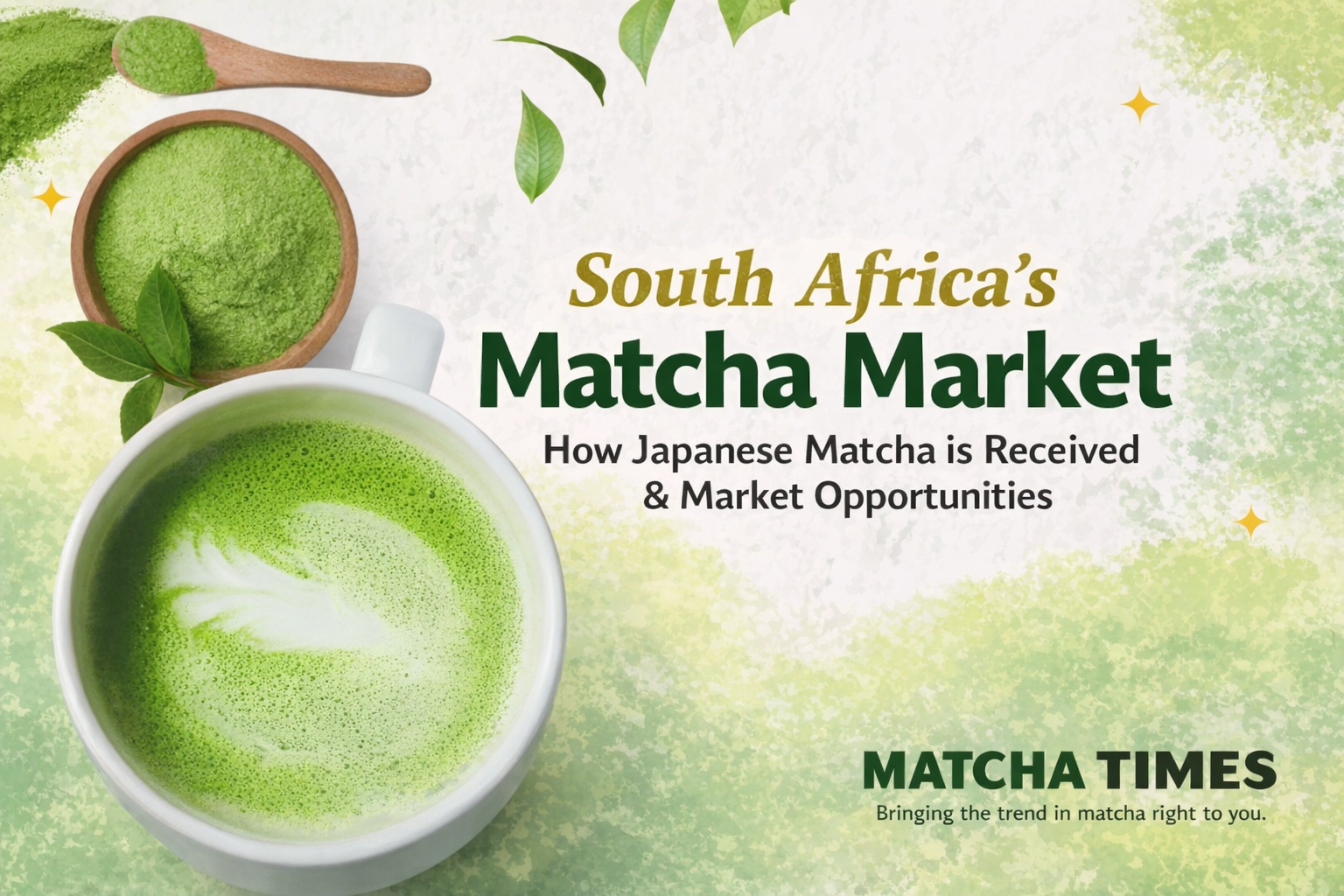
As matcha gains global popularity, many wonder: is matcha consumed in South Africa? While the market remains relatively small, it’s steadily growing among health-conscious consumers in urban centers like Cape Town and Johannesburg.
This article examines South Africa’s matcha landscape, from current consumption patterns to quality issues, and explores why authentic Japanese matcha holds significant brand value in this emerging market.
Key Takeaways
- South Africa’s matcha market is niche but expanding, driven by wellness and health-conscious urban consumers
- Consumption is concentrated in cafes and organic shops in major cities, positioning matcha as a premium lifestyle beverage
- Most products available are Chinese green tea powder or matcha-flavored items, not authentic shade-grown Japanese matcha
- Japanese matcha commands strong brand recognition and premium pricing due to quality perception and safety standards
- The market favors quality over volume, making it suitable for high-value Japanese matcha positioning
- South Africa’s role as a regional hub could facilitate matcha distribution across neighboring African countries
\Recomended Article/
\For Companies Seeking Matcha Powder/
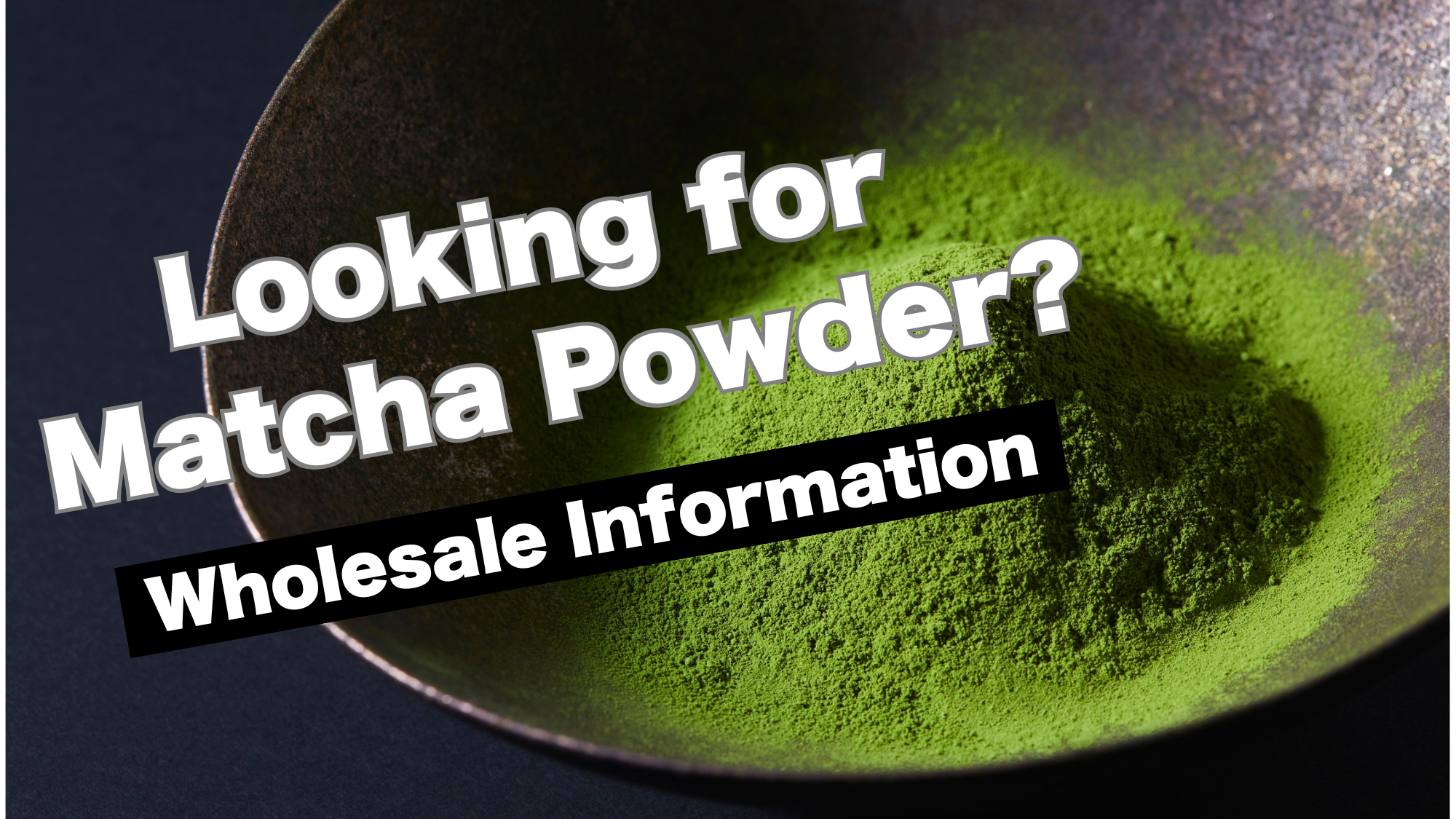
We source matcha from Japan’s premier production regions including Kyoto Uji, Kagoshima, Fukuoka, and Shizuoka, offering comprehensive grade ranges from organic JAS-certified ceremonial grade to processing-grade matcha.
Common Challenges:
- “We have projects but cannot secure stable matcha supply…”
- “We want to incorporate matcha into new café menu items!”
If you face these concerns, consult with Matcha Times. Feel free to contact us for initial inquiries.
Growing Interest in Matcha Across South Africa
In recent years, as matcha popularity has surged worldwide, many ask whether matcha is consumed in Africa. The answer is that while South Africa’s matcha market remains small, it is steadily expanding as a noteworthy market driven by health consciousness and wellness culture.
This article explores South Africa’s matcha landscape from multiple perspectives: current market conditions, consumption scenarios, quality and availability, evaluation of Japanese matcha, and future growth potential.
Rising Interest in Matcha and Its Background in South Africa
Two primary factors explain why matcha is gaining attention in South Africa: growing health consciousness and the influx of food trends from Western markets.
While coffee and black tea remain traditional staples in South Africa, recent years have seen increasing interest in organic foods and superfoods, particularly in urban areas. Cities like Cape Town and Johannesburg have witnessed growth in populations conscious about food choices, including vegan, vegetarian, and gluten-free lifestyles.
Within this context, matcha is being recognized as a health beverage with perceived benefits such as “high antioxidant content,” “enhanced concentration,” and “enjoyment without added sugar.”
In essence, matcha demand in South Africa is emerging not from fascination with Japanese culture, but as part of a wellness lifestyle movement.
Main Consumption Scenarios for Matcha in South Africa
Examining where matcha is consumed in South Africa clearly reveals the market’s maturity level. Currently, matcha is not an everyday beverage but rather a specialty item limited to specific demographics and locations.
Matcha in Urban Cafes and Organic Shops
Matcha is most commonly found in urban cafes and organic food stores. Cape Town particularly offers menu items including:
- Matcha lattes
- Matcha smoothies
- Matcha-infused protein drinks
These are often treated as coffee alternatives or options for those seeking to moderate caffeine intake, establishing matcha’s position as a “conscious beverage choice.”
Strong Affinity with Vegan and Wellness Communities
South Africa’s matcha market is supported by vegan, yoga, and fitness communities. Matcha is perceived as highly compatible with wellness culture because it:
- Pairs well with plant-based beverages
- Offers natural flavor without added sugar
- Connects easily with meditation and focus-oriented contexts
Reality of Matcha Availability and Quality Challenges in South Africa
However, South Africa’s matcha market faces clear challenges. To be direct, most matcha products available do not meet Japanese standards for authentic matcha.
Much of the “matcha” sold in South Africa consists of:
- Chinese powdered green tea
- Green tea powder
- Matcha-flavored products
The distinctly Japanese production method—shade-growing tencha and stone-grinding—remains inadequately understood. Consequently, many products exhibit yellowish color or excessive bitterness, differing significantly from authentic matcha flavor profiles.
Additionally, import cost issues mean genuine Japanese matcha tends to be expensive, making it less accessible to general consumers.
Brand Value of Japanese Matcha in South Africa
Despite these challenges, Japanese matcha enjoys exceptionally high brand recognition in South Africa.
Labels such as “Japanese,” “Organic,” and “Ceremonial Grade” carry strong appeal in South Africa. This reflects broader perceptions of Japanese products as:
- Safe and reliable
- Safe and reliable
- Having clear provenance and store
Indeed, premium organic shops and select cafes intentionally position Japanese matcha at higher price points, finding support among quality-focused customer segments.
In South Africa, matcha is more readily accepted as a product “chosen by those who understand” rather than a mass-market commodity.
Future Potential of South Africa’s Matcha Market
South Africa’s matcha market will not experience explosive growth. However, it holds significant potential as a high-value, brand-oriented market.
Particularly noteworthy factors include:
- Growth as a tourism destination
- Expansion of affluent and middle-class populations
- Position as a distribution hub for African countries
South Africa serves as a natural hub for imported food distribution across the African continent. If matcha recognition advances here, it could spread to neighboring countries.
Therefore, future market expansion hinges on education and storytelling: “What is matcha?” and “Why choose Japanese matcha?”
Considering Matcha for Your Business? Contact Us
Growing demand for matcha-based drinks, desserts, and food products creates opportunities for cafes, dessert shops, beverage manufacturers, and private label development. If you’re seeking optimal matcha for your specific application, please reach out.
Artem Inc. addresses needs including:
- Sourcing matcha from specified Japanese regions: Uji, Shizuoka, Kagoshima, Yame, and more
- Comprehensive range from latte-grade to ceremonial-grade for various applications
- Flexible order quantities from 1kg samples to monthly volumes of 20kg-several hundred kg
- Available documentation: Certificates of Analysis (COA), pesticide residue testing, and other required certificates
- Custom recommendations for specific uses: “mild bitterness for lattes,” “vibrant color for visual appeal,” etc.
We deliver authentic Japanese matcha to your brand or establishment. Whether you need consistent quality or cost-effective long-term solutions, we welcome your inquiry.
Summary: South Africa’s Matcha Market Grows Through Quality
South Africa’s matcha landscape represents a niche but promising market characterized by:
- Consumption concentrated in urban wellness communities
- Quality challenges with available products
- Strong brand value for authentic Japanese matcha
These characteristics make South Africa a quality-focused matcha market well-suited for Japanese producers who compete on authenticity rather than volume.
As proper knowledge and appreciation of authentic matcha spreads, Japanese matcha will undoubtedly establish deeper roots in South Africa.
Also Recommended