Israel’s Matcha Market: Health Trends, Vegan Culture & Kosher Certification Gateway
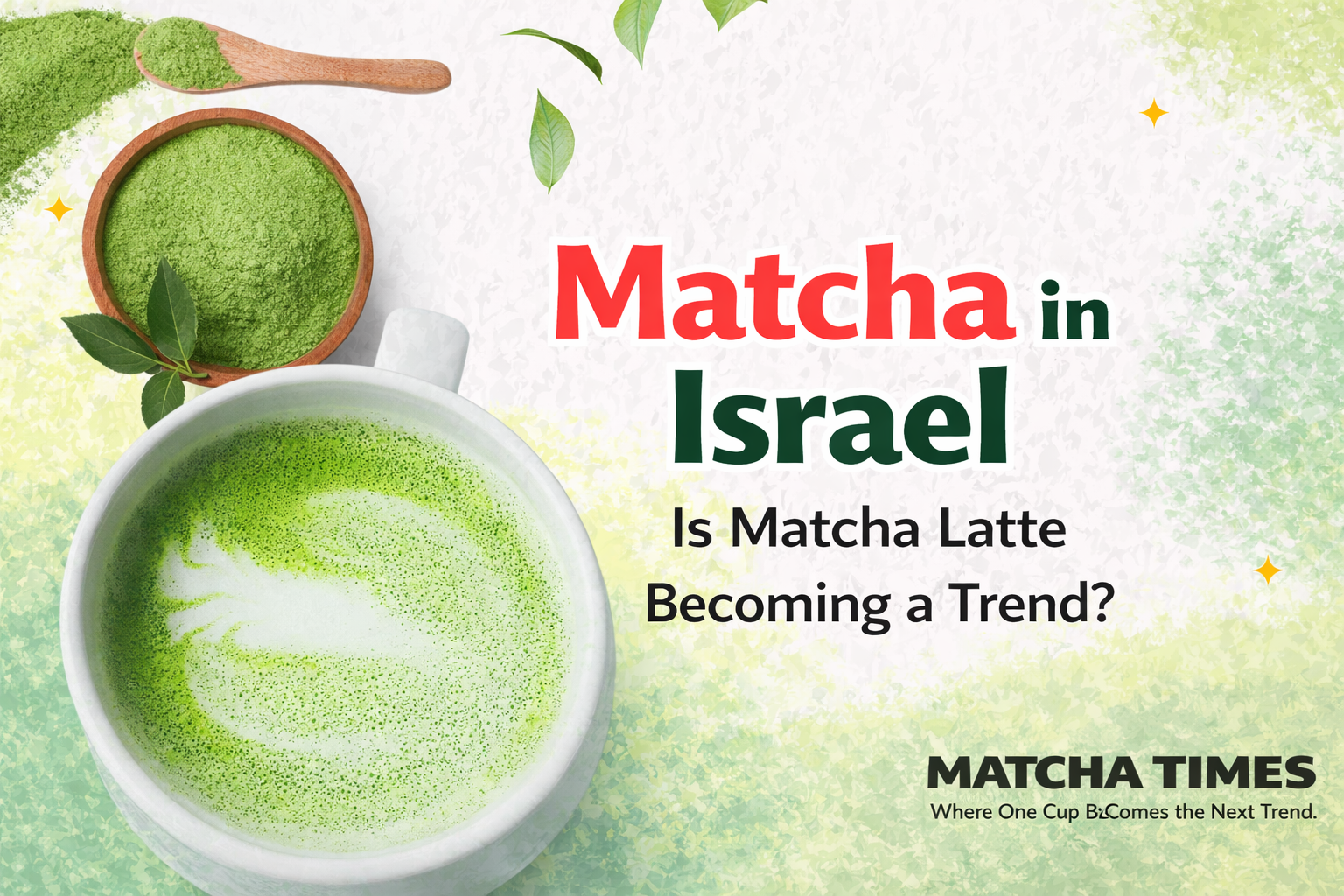
Amid globally spreading matcha popularity, Middle Eastern Israel increasingly sees “Matcha” terminology. Concluding directly, Israel recognizes matcha = matcha latte, with certain penetration beginning centered on health-conscious, trend-sensitive youth and cafe culture.
This article thoroughly explains Israel-specific matcha situations from perspectives including Israeli matcha boom backgrounds, popular cafe trends, distribution and quality, kosher certification as unique requirements, and Japanese matcha potential.
Key Takeaways
- Israel’s matcha market centers on matcha latte recognition, penetrating through health-conscious youth and Tel Aviv cafe culture
- Cafe scene exemplified by HOC–House of Coffee (Japanese-Nordic fusion) and Simple Happy Market (100% vegan) demonstrates premium positioning
- Health consciousness drivers include organic orientation, vegan/plant-based eating, and superfood interests particularly strong in urban Tel Aviv
- Distribution dominated by Chinese powdered green tea and flavored alternatives lacking authentic Japanese shade-grown tencha stone-grinding standards
- Kosher certification represents critical market requirement with rigorous inspections of pest control, facility management, and processing environments
- Japanese matcha holds premium positioning through “Japanese,” “Organic,” “Ceremonial Grade” indicators, particularly for health-conscious and religiously observant demographics
\Recommended Article/
\For Companies Seeking Matcha Powder/
We source matcha from Japan’s premier production regions including Kyoto Uji, Kagoshima, Fukuoka, and Shizuoka, offering comprehensive grade ranges from organic JAS-certified ceremonial grade to processing-grade matcha.
Common Challenges:
- “We have projects but cannot secure stable matcha supply…”
- “We want to incorporate matcha into new café menu items!”
If you face these concerns, consult with Matcha Times. Feel free to contact us for initial inquiries.
Background of Emerging Matcha Attention in Israel
Israel’s greatest matcha spreading reason involves health consciousness and cafe culture maturation.
Urban areas centered on Tel Aviv demonstrate extremely high:
- Organic orientation
- Vegan and plant-based eating
- Superfood interests
With abundant youth demographics sensitive to food and beverage trends.若者層が多く存在します。
Within these flows, matcha gained acceptance as beverages with imagery including:
- High antioxidant effects
- Gentle caffeine
- “Healthy and stylish”
Israel’s major characteristic involves matcha latte popularization preceding standalone “matcha” itself.
Israeli Cafe Culture Enjoying Matcha Lattes
Discussing Israel’s matcha boom requires addressing cafe scenes centered on Tel Aviv. Matcha spreads as “new choices” extending coffee culture.
Japanese Taste Shining [HOC – House of Coffee]
HOC – House of Coffee (House of Coffee) near Tel Aviv’s Carmel Market symbolizes matcha latte popularity.
This cafe opened in 2019 by owner couple with Japan residence experience features refined spaces fusing Japanese modern × Nordic design.
HOC provides Japan-influenced matcha lattes, with health-conscious Israeli characteristics enabling milk type selections including:
- Cow’s milk
- Soy milk
- Almond milk
Points supporting sensitive demographics include enjoying Swedish confection “FIKA” sweets alongside matcha lattes.
Vegan Culture and Matcha [Simple Happy Market]
Discussing Israeli matcha situations requires addressing vegan culture connections.
Simple Happy Market represents popular stores handling 100% vegan foods and drinks.
Matcha lattes provided here enable base selections from:
- Soy milk
- Almond milk
- Oat milk
- Rice milk
With options adding sweetness through organic maple.
Matcha lattes gain selection as “healthy guilt-free drinks” accompanying walks and break times.
Israeli Market Matcha Distribution Realities
Meanwhile, products circulating as “matcha” in Israel do not necessarily align with Japan-defined matcha.
Most locally used matcha ingredients include:
- Chinese powdered green tea
- Matcha-style green tea powder
- Ingredients with unclear grades and production methods
Colors leaning yellowish or strong bitterness demonstrate frequent cases differing from “Japanese-style matcha”—stone-grinding shade-grown tencha.。
Nevertheless, Israeli tendencies emphasize “health properties, vegan compatibility, storytelling” over taste differences, with matcha definitions themselves remaining developmental stages.
Israel-Specific Barrier: “Kosher Certification” and Matcha
Discussing Israeli matcha markets requires addressing extremely important kosher certification.
Within Judaism, certain numbers of people cannot consume foods and beverages without kosher certification.
Matcha appears problem-free being plant-derived, yet actually undergoes strict inspections including:
- Thorough pest and foreign matter exclusion
- Field-to-factory management systems
- Processing facility and surrounding environment audits
- Package material and process confirmations
Therefore, even generally circulating Japanese matcha frequently cannot be consumed without kosher certification.
Conversely, kosher-certified Japanese matcha becomes extremely high-trust, high-scarcity-value existence in Israeli markets.在になります。
How Japanese Matcha Evaluates in Israel
In Israel, notations including:
- Japanese
- Organic
- Ceremonial Grade
Hold strong brand power.
Particularly for health-conscious demographics and religiously requirement-emphasizing demographics, “Japanese origin × certification” combinations hold values exceeding pricing.
Currently not volume-selling markets, high-quality, high-value-added matcha definitely finds accepting foundations.
For Those Seeking Matcha Powder
Matcha business begins from “correct selection.
” Artem proposes optimal powdered matcha matching purposes and price ranges spanning cafes, desserts, e-commerce brands, retail, and personal uses.
According to applications, we address broad needs including:
- Commercial-grade for matcha lattes and desserts
- Small-volume packaging for gifts and retail brands
- Ingredient proposals for OEM and original brand development
“Want to know which matcha proves optimal” or “First want consultations”—please feel free to contact us with such inquiries.
Summary: Israel’s Matcha Situation as “Latte Culture × Certification Market”
Organizing Israeli matcha situations yields these summaries:
- Matcha primarily popularizes as “matcha lattes”
- Strongly connects with health consciousness and vegan culture
- Kosher certification represents greatest characteristic and entry barrier
- Japanese matcha receives high evaluation meeting conditions
Israel represents quality-over-quantity, trust-over-price emphasized matcha markets.
Clearing conditions makes Japan extremely compatible nations for matcha.
Also recommended