Taiwan Matcha Market: Early Asian Adopter with Japanese Brand Premium
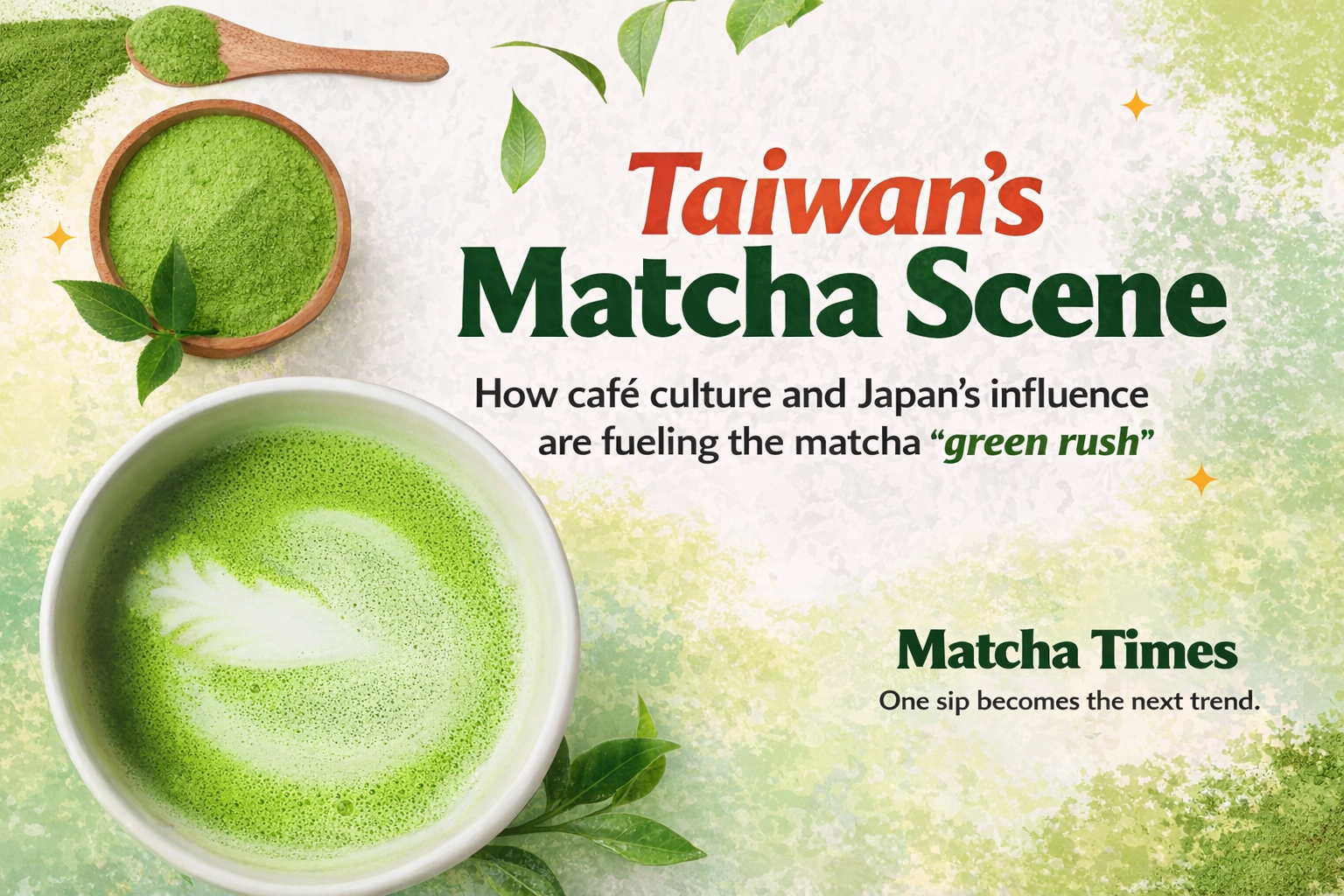
Among Japanese teas, matcha attracts particularly striking global popularity. Within this, Taiwan represents one of Asia’s earliest markets where matcha booms took root. Beyond tapioca milk tea and matcha lattes, Taiwan enjoys matcha surprisingly routinely spanning matcha desserts, matcha cafes, and even supermarket and e-commerce home-use matcha. Behind this lie rising health and beauty consciousness, Japanese cafe culture admiration, and strong trust toward high-quality Japanese matcha. Particularly centered on youth generations, matcha forms unique markets as “stylish healthy lifestyle symbols.
This article clearly explains how matcha established in Taiwan, including local cafe and popular brand examples, Japanese matcha brand business opportunities, alongside latest trends.
Key Takeaways
- Taiwan represents Asia’s earliest matcha boom adopter with market maturation spanning health/beauty consciousness, Japanese culture admiration, and strong Japanese matcha trust
- Consumption expanded beyond drinks to desserts, bakeries, and commercial ingredients, evolving into citizen-level everyday ingredients used at home
- Popular local chains (Chun Shui Tang, Wutonghao, Jenjudan) and Japanese brands (Tsujiri, Nanaya, Nakamura Tokichi) demonstrate complementary market positioning
- Price differentiation: Japanese (¥8,000-15,000/kg) for premium, Taiwan (¥3,000-6,000) for stable supply, Chinese (¥2,000-5,000) for volume
- Retail penetration through PX Mart, Carrefour, COSMED drugstores, and e-commerce (Shopee, MOMO) with home-use products normalizing
- Japanese brands hold “authentic, reliable” imagery with “Japanese origin” itself becoming added value and purchase motivations
- Business opportunities span OEM commercial supply, bakery partnerships, luxury gift markets, and SNS/KOL marketing leveraging visual appeal
\For Companies Seeking Matcha Powder/
We source matcha from Japan’s premier production regions including Kyoto Uji, Kagoshima, Fukuoka, and Shizuoka, offering comprehensive grade ranges from organic JAS-certified ceremonial grade to processing-grade matcha.
Common Challenges:
- “We have projects but cannot secure stable matcha supply…”
- “We want to incorporate matcha into new café menu items!”
If you face these concerns, consult with Matcha Times. Feel free to contact us for initial inquiries.
Background of Matcha Establishment in Taiwan
Taiwan’s matcha establishment reasons extend beyond mere Japan booms. Rising health consciousness, cafe culture expansion, Japanese anime and travel culture influences—multiple factors overlapped creating strong rooted imagery of “matcha = stylish healthy beverages.”
Taiwan originally saw tea culture including oolong tea and high-mountain tea deeply penetrating daily life. Therefore, matcha also gained natural acceptance, elevating presence as beverages and desserts intimately enjoyed from youth through senior demographics.
Health and Beauty Consciousness with Matcha Functionality
Matcha attracts Taiwan attention as “superfoods fulfilling beauty and health.” Particularly centered on female demographics and younger generations, following effects receive evaluation.
Main Reasons Supporting Matcha
- Abundant catechin with antioxidant effects
- Theanine with relaxing effects
- Dietary fiber regulating intestinal environments
- Also containing iron, vitamins, and other nutrients
Taiwan sees wellness culture including yoga and Pilates penetrating, with matcha lattes and matcha smoothies gaining popularity as “guilt-free drinks.”
Japanese Food, Cafe Culture, and Anime Influences
Taiwan maintains strong rooted imagery of “Japanese culture = refined, high quality.” Matcha also represents part of this, becoming youth admiration through Japanese travel souvenirs, Starbucks matcha lattes, and matcha desserts appearing in anime.
Particularly anime like “Demon Slayer” and “Your Name” featuring Japanese confections and matcha desserts generated topics, with Japanese matcha specialty stores also rapidly increasing in Taiwan.
“Matcha Latte” Standardization Progressing Centered on Youth
Taiwan cafes see matcha lattes now representing standard menus. Sometimes called next most popular drinks after tapioca milk tea.
Popular Matcha Drinks
- Matcha lattes (hot/cold)
- Matcha tapioca milk tea
- Matcha frappuccinos
- Matcha cheese foam tea
Matcha combines three elements—”cute, Instagram-worthy, healthy”—with Instagram and TikTok posts further driving popularity expansion.
\Recommended Article/
Taiwan Matcha Market Trends and Consumption Patterns
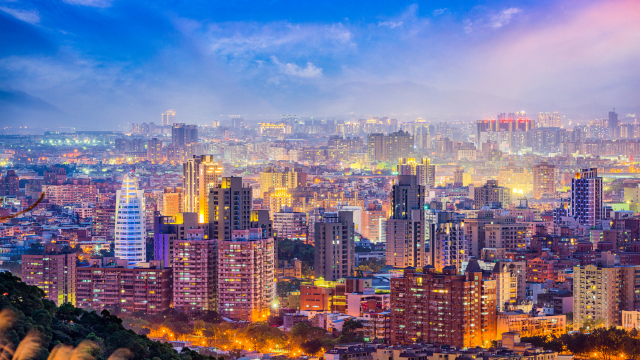
Taiwan’s matcha consumption extends beyond mere drink popularity. Markets expand toward desserts, bakeries, and commercial matcha ingredients, evolving into citizen-level everyday ingredients also used at home.
Tapioca Tea and Cafe Drink Expansion
Taiwan’s drink stand culture proves globally famous, with recent years seeing diverse combinations emerging including “matcha + tapioca,” “matcha + brown sugar,” and “matcha + soy milk.”
Cafe chains see matcha frappuccinos and matcha smoothies standardizing, penetrating broadly not only major chains but also individually operated cafes.
Matcha Dessert and Bakery Popularity (Chun Shui Tang, Wutonghao, etc.)
Matcha dessert popularity proves overwhelming, with numerous Taiwan local brands entering beyond famous Japanese brands.
Popular Taiwan Matcha Dessert Examples
- Matcha roll cakes
- Matcha cheesecakes
- Matcha cream puffs
- Matcha croissants
- Matcha shaved ice
Chun Shui Tang, Wutonghao, and Sunny Hills deploy as “premium matcha × Taiwan dessert” fusion menus.
Japanese Matcha and Taiwan Matcha Differentiation and Price Ranges
Taiwan sees matcha origin-based differentiation progressing.
| Type | Characteristics | Main Uses | Price Range (per kg) |
|---|---|---|---|
| Japanese (Uji, Nishio, etc.) | Superior aroma, color, umami quality | Premium desserts, cafes, gifts | ¥8,000-15,000 |
| Taiwan | Cost-effective, stable supply | High-volume drink consumption, commercial use | ¥3,000-6,000 |
| Chinese | Inexpensive, abundant production | OEM, mass retail, chain stores | ¥2,000-5,000 |
Particularly Japanese matcha holds high brand value, with “Japanese origin” itself unusually becoming purchase motivations in Taiwan.
\Recommended Article/
Popular Taiwan Matcha Cafes and Brand Examples

Taiwan sees matcha evolving from “beverages” into “experiential dessert culture,” emphasizing store presentation methods and brand worldviews.
Local Cafe Chains (Chun Shui Tang, Jenjudan, Wutonghao, etc.)
Taiwan local brands also actively deploy matcha products.
Popular Chains and Representative Matcha Menus
- Chun Shui Tang…Matcha tapioca latte
- Wutonghao…Matcha soy milk smoothie
- Jenjudan…Matcha brown sugar latte
Particularly Chun Shui Tang gains popularity through “Taiwan tea × matcha” fusion styles, expanding domestically and internationally.
Japanese Brands (Tsujiri, Nanaya, Matcha Republic, Nakamura Tokichi)
Taiwan sees extremely large Japanese brand presence, with high reliability and “authenticity” proving attractive.
Main Japanese Matcha Brand Deployment Examples
- Tsujiri (TSUJIRI)…Deploys in Taipei, Taichung, with matcha parfaits popular
- Nakamura Tokichi Honten…Luxury orientation, high cafe user spending
- Nanaya (Shizuoka)…”Matcha Gelato No.7″ generates SNS topics
- Matcha Republic…Instagram-worthy “ink bottle matcha” popular among youth
Japanese brand stores receive support not only from tourists but local youth, establishing matcha premium imagery.
Supermarket and E-Commerce Matcha Product Standardization (PX Mart, Shopee, etc.)
Taiwan sees matcha existing not only in cafes but as everyday ingredients readily purchasable at home.
Main Purchase Locations
- Supermarkets: PX Mart, Carrefour
- Drugstores: COSMED
- E-commerce sites: Shopee, MOMO
Matcha powder, latte mixes, matcha cookies, matcha puddings—applications normalize daily.
\Recommended Article/
Business Opportunities Expanding for Japanese Matcha Brands
Taiwan represents markets so attractive for Japanese tea brands as called “Japanese matcha gateway.” Matcha holds value not as mere drink or dessert ingredients but as “Japanese culture and quality symbols”—representing major characteristics. Particularly among youth and affluent consumer demographics, matcha begins recognition as “premium ingredients” combining health, luxury, and traditional culture elements. Here we explain Japanese matcha business opportunities expanding in Taiwan.
High-Quality Matcha Needs and Japanese Origin Trust
Taiwan maintains strong brand imagery of “Japanese origin = authentic and reliable,” particularly emphasizing quality, safety, and cultural backgrounds in food sectors. Matcha represents representative categories, receiving support for following reasons.
Reasons Japanese Matcha Gets Selected
- Superior color, aroma, umami balance (particularly Uji, Nishio)
- Food safety standard reliability (HACCP, organic JAS certification)
- Cultural backgrounds including tea ceremony, history, Kyoto
- Psychological value wanting Japanese origin through Japan travel experiences
Taiwan sees not only matcha taste itself but “being Japanese brands” itself becoming added value, representing elements elevating purchase desires. Therefore, local cafes also see “using Japanese Uji matcha” and “Kyoto direct import” notations becoming important marketing points.
OEM and Commercial Ingredient Market Expansion
Taiwan sees rapidly increasing cafes and dessert brands using matcha, with commercial matcha demand annually expanding. Particularly, following collaborations progress.
Noteworthy Business Deployment Models
- Cafe chain and hotel OEM supply (developing original brand matcha lattes, etc.)
- Bakery and confection manufacturer commercial ingredient partnerships
- Joint products with Taiwan brands (collaboration packaging)
- Luxury gift design tins and tea canister planning sales
Taiwan sees extremely large gift markets, with high-quality Uji matcha and organic matcha proving highly popular for department stores and airport duty-free shops, attracting attention as high-unit-price sellable markets.
SNS and KOL Marketing Success Examples
Taiwan’s greatest matcha penetration factor involves SNS and visual appeal strength. Matcha holds optimal attributes for SNS eras—”Instagram-worthy,” “cultural,” “healthy”—demonstrating excellent Instagram, TikTok, and YouTube compatibility.
Easily Diffused Matcha Marketing Examples
- Ink bottle matcha (Matcha Republic) → Explosive Taiwan SNS diffusion
- Matcha dessert eating tour videos (TikTok/YouTube)
- “Kyoto matcha experiences” introductions within Japan travel vlogs
- Product reviews and joint promotions by Taiwan KOLs (influencers)
Taiwan consumers demonstrate strong tendencies purchasing “experiences, atmospheres, stories” rather than “products themselves,” with Japanese matcha precisely holding such value as products.
For Those Seeking High-Quality Matcha Powder
Growing demand for matcha-using drinks, desserts, and food development annually rises. Cafes, dessert shops, beverage manufacturers, OEM and private brand products—those wanting optimal matcha selection matching applications, please consult us.
Artem Inc. addresses following requests:
- Origin-specified supply from Japanese regions including Uji, Shizuoka, Kagoshima, Yame
- Broad lineups from latte-oriented, commercial-use, dessert-use, through ceremonial grades
- Flexible responses from small 1kg lots through large monthly 20-several hundred kg lots
- Quality certificates (COA), pesticide residue testing, and necessary documentation available
- Application-specific optimal proposals including “mild bitterness for lattes” and “vibrant color emphasis”
We deliver authentic Japanese matcha to your brands and stores. Welcome those wanting “stable quality supply” or “long-term cost-effective usage.”
Summary: Taiwan Represents “Japanese Matcha Gateway”
Taiwan’s matcha market evolves beyond drink and dessert trends into mature markets combining “authenticity orientation, cultural orientation, health orientation.”
Taiwan Matcha Market Characteristic Summary
- Youth-centered matcha latte and tapioca popularity established
- Strong Japanese brand trust and premium lines
- Expanding business opportunities through cafes, OEM, e-commerce, and SNS
Taiwan represents not merely overseas sales destinations but markets potentially becoming Asian and global matcha export hubs.
Also recommeded