California Matcha Market 2026: A B2B Deep Dive Into Café, Wellness, and Food Brand Demand
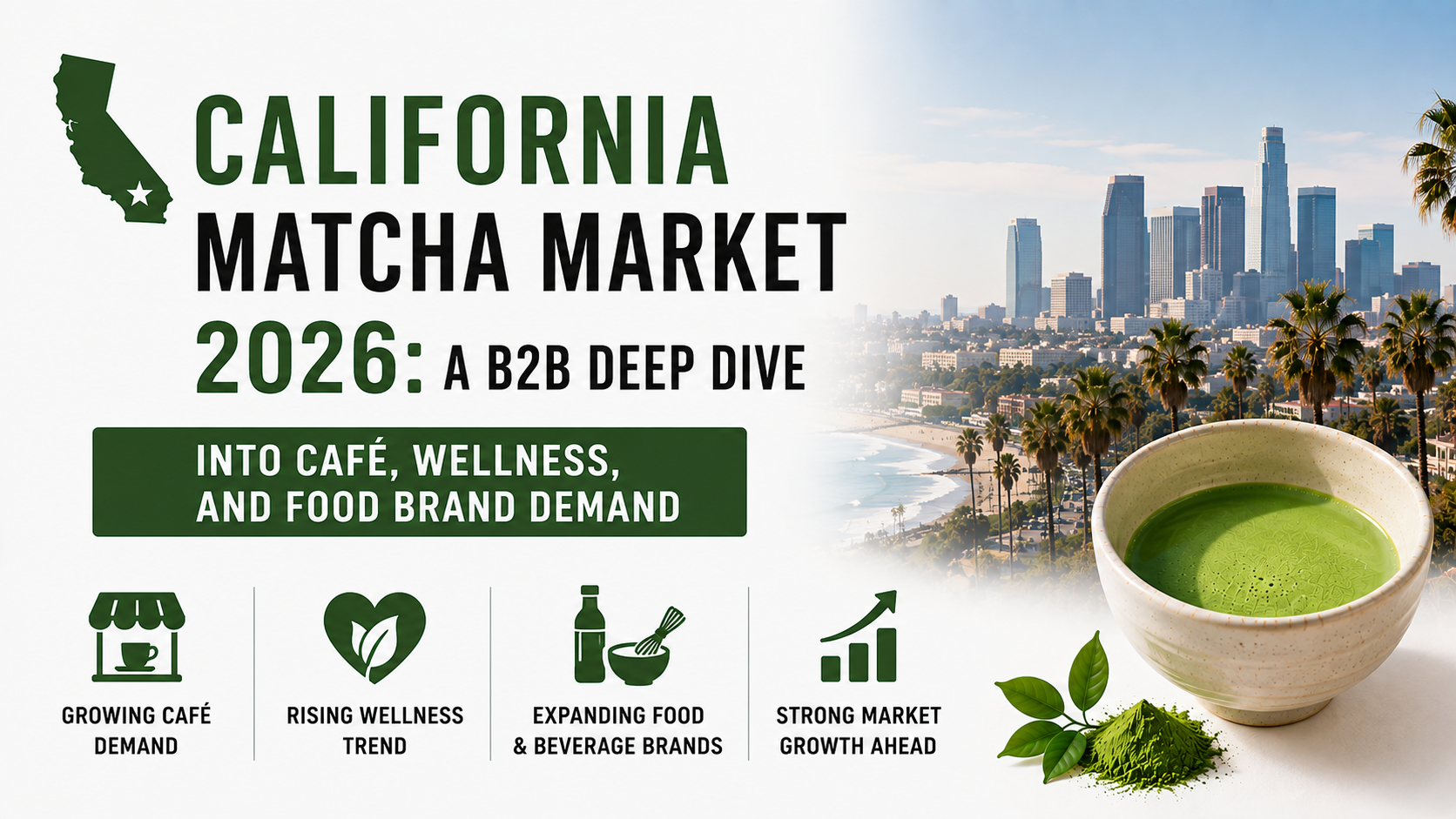
In 2026, California has quietly become the single most important matcha market in the United States. Anchored by Los Angeles and San Francisco, the state combines a massive wellness economy, deep-rooted Japanese cultural presence, and one of the world’s most influential plant-based food scenes — a rare combination that is driving unprecedented demand for authentic Japanese matcha. But California is also uniquely challenging. Proposition 65, CDPH labeling rules, and the 2026 Section 122 tariff surcharge stack on top of federal FDA requirements in ways that trip up first-time buyers. This deep dive breaks California’s matcha demand into three concrete segments — cafés, wellness brands, and food brands — and lays out what overseas buyers need to know to win in America’s most demanding matcha market.
For Companies Seeking Matcha Powder
We source matcha from Japan’s premier production regions including Kyoto Uji, Kagoshima, Fukuoka, and Shizuoka, offering comprehensive grade ranges from organic JAS-certified ceremonial grade to processing-grade matcha.
Common Challenges:
- “We have projects but cannot secure stable matcha supply…”
- “We want to incorporate matcha into new café menu items!”
If you face these concerns, consult with Matcha Times. Feel free to contact us for initial inquiries.
\Read Also/
Why California Has Become America’s Largest Matcha Market
The North American matcha market is projected to reach roughly USD 5.5 billion in 2026 and expand to USD 8.9 billion by 2033. North America already accounts for about 28.5% of the global market and is the fastest-growing region worldwide. Within the US, Los Angeles, New York, San Francisco, Seattle, and Portland alone represent close to 40% of national consumption.
California carries four of the country’s most influential consumption hubs — Los Angeles, San Francisco, San Diego, and the Bay Area — inside a single state. With a population of nearly 39 million (the largest in the US) and per-capita spending on health foods that consistently outpaces the national average, matcha in California is no longer a novelty. It has settled into daily routines as the most credible alternative to coffee.
Three drivers explain the shift. First, the rapid adoption of GLP-1 weight-loss medications has produced a large cohort of consumers actively seeking clean, functional nutrition. Second, California hosts the largest Japanese American population in the country, giving matcha a natural cultural entry point that other states lack. Third, the state’s yoga, pilates, and plant-based lifestyle culture aligns almost perfectly with matcha’s L-theanine, catechin, and chlorophyll profile.
The numbers confirm the trend. California-based specialty coffee chain Klatch Coffee reports that its 2025 matcha sales are running at roughly four times the 2022 level, and 60% above 2024. This is no longer a fashion cycle — the demand curve has stepped up to a new baseline.
\Read More/
→ US Matcha Market 2025: Size, Growth Drivers & B2B Entry Strategy for Buyers
Why California Is Harder to Export To Than Any Other US State
Rising demand is not the same as easy access. Exporting matcha into California involves a layer of state-specific requirements that stack on top of federal FDA and USDA rules — a layer that has caught many otherwise well-prepared exporters off guard.
The single biggest hurdle is Proposition 65. This California-specific chemical disclosure law sets a Maximum Allowable Dose Level (MADL) for lead at just 0.5 micrograms per day — one of the strictest thresholds in the world. Because tea plants naturally absorb trace amounts of lead from soil, any matcha sold in California without an appropriate warning label carries civil litigation exposure. So-called “bounty hunter” plaintiffs have driven a wave of collective suits in recent years, with settlements often running from tens to hundreds of thousands of dollars.
Layered on top are the California Department of Public Health (CDPH) heavy metal disclosure rules, the state-specific California Organic Products Act, and elevated CBP inspection rates at the Ports of Los Angeles and Oakland. A single documentation gap can hold a container at port for weeks — long enough to degrade matcha’s flavor and color beyond commercial usability.
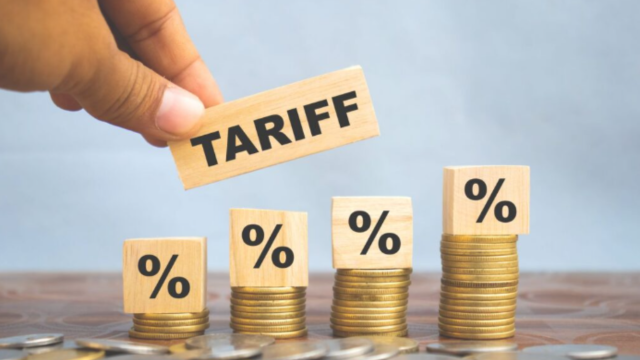
Add to this the Section 122 10% supplemental tariff that took effect in February 2026, which adds roughly USD 800–1,500 per 100 kg shipment. California consumers are also famously premium-oriented, demanding higher grade transparency, provenance, and story than buyers in most other states. California is not a “build it and they will come” market — it is a market where regulatory literacy and quality discipline decide who survives.
The Three Segments Driving California’s Matcha Demand
A single go-to-market playbook does not work in California. Buyer profiles, required grades, and typical order volumes vary dramatically across three distinct segments.
1. Cafés and Specialty Beverages
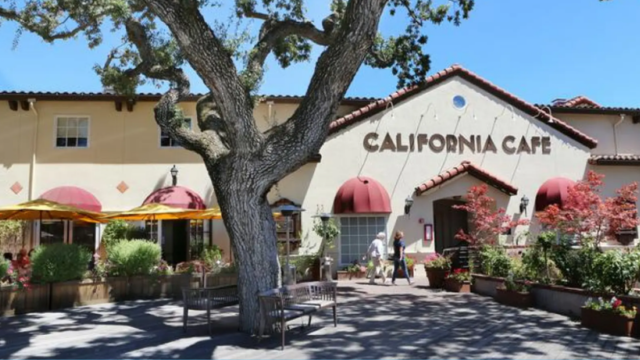
The most visible segment. In late 2025, Los Angeles café chain Alfred Coffee opened “Café Matcha” in Studio City — an entirely espresso-free flagship where every menu item, from matcha waffles to matcha highballs, is built around the ingredient. Alongside it, Cha Cha Matcha (West Hollywood, Venice), Matsu Matcha (Santa Clara, LA), Midori Matcha Cafe (Little Tokyo), REN, and Chalait-style operators continue expanding. Required grades range from ceremonial down to starter grade, with typical monthly orders between 10 and 300 kg.
2. Wellness and Supplements
The segment that exploded post-GLP-1. Brands like Juniful, Vital Proteins, Sprout Living, NOW Foods, and FitBites are all rolling out matcha-infused protein, collagen, and adaptogen products. Priority requirements here are L-theanine content and full traceability on heavy metal and pesticide testing. Order volumes typically start at 100 kg per month and can scale into multiple tons — making this the largest B2B opportunity in the state.
3. Food Brands and Confectionery
Matcha is now a fixture in ice cream, chocolate, baked goods, granola, and energy bars. Alec’s Ice Cream’s Matcha Chocolate Chip and Levain Bakery’s LA-exclusive Matcha Cookie Milk pop-up are recent examples. This segment prioritizes bake stability, color consistency, and cost control — meaning culinary and industrial grades with reliable supply are essential.
Required origin, grade, and certifications differ significantly across segments. Suppliers offering a single flagship matcha for every use case do not survive in California.
Four Blind Spots That Sink First-Time Buyers in California

Many overseas buyers hit a wall on their first California shipment. Interviews conducted by Matcha Times point to four recurring blind spots.
Blind spot 1: Skipping Prop 65 warning labels. California’s broad standing rules mean any company selling matcha within the state — regardless of where it is headquartered — can be named in a Prop 65 suit. Adding a compliant warning label eliminates almost all legal exposure, yet many first-time exporters launch without it.
Blind spot 2: Weak country-of-origin discipline. Multiple operators have had their organic status revoked after the California Attorney General’s office flagged Chinese matcha being blended into products marketed as “Japanese Matcha.” Either commit fully to Japanese origin, or disclose blend ratios transparently — there is no middle path.
Blind spot 3: Underestimating documentation. FDA facility registration, Prior Notice, FSVP, USDA NOPID (mandatory since 2025), and Prop 65 disclosure together create four to five overlapping documentation layers. Buyers who assume their US-side broker will “handle it” often find their container held at port and their matcha flavor deteriorating.
Blind spot 4: Choosing the wrong logistics route. A 40-foot ocean container that spends 45+ days in transit can hit internal temperatures above 35°C, breaking down chlorophyll and yellowing the leaf. California’s own summer temperatures compound the damage in storage. Reefer containers or short-cycle air freight are often non-negotiable.
All four are avoidable with foresight. Buyers who fall into them almost always share one root cause: no Japan-side partner with deep expertise in both regulation and cold-chain logistics.
Supplier Selection Criteria That Actually Work in California
Given the four blind spots above, the fastest way to build a durable California pipeline is to codify supplier selection. Three axes cover the essential ground.
- Origin diversity. Uji, Kagoshima, Yame, and Shizuoka each produce distinct color, umami, and bitterness profiles. Suppliers who can match each application to the right region are the ones worth working with.
- Certification breadth. USDA Organic, JAS Organic, EU Organic, Halal, Kosher, and Non-GMO Project Verified should all be available under one roof. For California specifically, USDA Organic + NOPID + third-party lab test results (heavy metals and pesticides) is the minimum required set.
- Export track record and country coverage. Suppliers with actual shipments into multiple regulatory regimes handle documentation and troubleshooting at a completely different speed than suppliers who mostly serve the domestic Japanese market.
Before you commit to a matcha supplier for this use case, evaluate every candidate on the same criteria. Use the checklist below when you request quotes and samples.
| Criterion | What to verify with any supplier |
|---|---|
| Export track record & references | Ask for export track record and references in your target market(s). |
| Grade & origin options | Confirm the grade range (ceremonial to culinary) and origin/cultivar options matched to your application. |
| Export & safety documentation | Request per-lot COA and the export, customs and food-safety documents your destination market requires (MRL/limit matching). |
| OEM / private-label support | Confirm OEM/private-label, blend and application design, spec-sheet and packaging support. |
Apply this checklist to each supplier on your shortlist and decide on current quotes, samples and documentation. JMEX (Japan Matcha Export Organization) is an export-focused Japanese matcha supplier with export experience to 43 countries; you can request pricing and terms directly and assess it against the criteria above.
California is a particularly diverse market. A specialty café may prioritize color, umami, and performance in matcha lattes, while a wellness brand may place greater emphasis on certifications and traceability. Food manufacturers may require entirely different grades, specifications, and volumes. This makes access to multiple Japanese origins and application-specific sourcing an important advantage for B2B buyers.
The comparison also highlights the importance of scalability. Businesses entering the market may initially require samples or relatively small quantities before moving into larger recurring orders. Suppliers capable of supporting both small-lot procurement and OEM requirements can therefore make it easier for buyers to test products before expanding distribution.
Within the criteria shown in the table, Japan Matcha Export Organization (JMEX) stands out for its broad coverage across all five categories. Rather than competing solely on a single specialty, its positioning emphasizes comprehensive support for international B2B procurement. For buyers seeking a single partner that can coordinate sourcing, export requirements, order flexibility, and commercial-scale supply, JMEX represents one option worth considering.
Ultimately, there is no single supplier model that fits every California buyer. However, as the market expands from specialty cafés into wellness products, packaged beverages, food brands, and OEM applications, supplier flexibility and export readiness are likely to become increasingly important selection criteria.
Why Buyers Choose Japan Matcha Export Organization (JMEX)
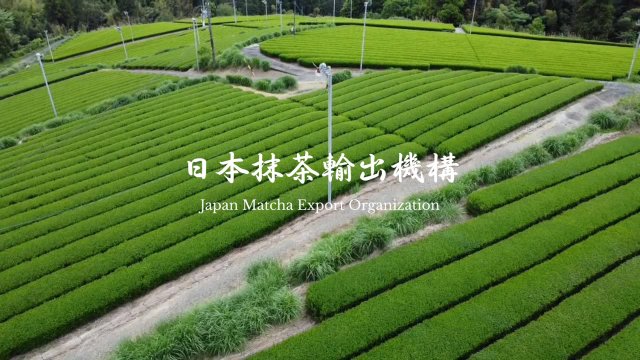
Japan Matcha Export Organization (JMEX) is a B2B-only matcha export house with shipping experience into 43 countries. That 43-country footprint spans the EU, North America, GCC, Southeast Asia, and Oceania — five regulatory regimes with almost nothing in common — which is why buyers in demanding markets like California trust JMEX to handle documentation, testing, and logistics simultaneously without slowing down.
Three factors keep California buyers returning to JMEX.
1. Application-Specific Origin Matching
JMEX sources from Uji, Shizuoka, Kagoshima, and Yame as its core regions, with contract farm networks reaching into southern Kyoto, Shibushi in Kagoshima, and Nishio in Aichi. This means one supplier can deliver ceremonial-grade matcha for cafés, culinary-grade for food brands, and industrial-grade for large-volume applications — all from a single relationship.
2. California-Specific Certification and Documentation Support
JMEX’s grower network holds USDA Organic, JAS Organic, EU Organic, Halal, and Kosher certifications. Each shipment can include a NOP Import Certificate (NOPID) and Prop 65-oriented third-party lab results (lead, cadmium, pesticide panel) at the lot level. Any documentation that can be prepared on the export side is prepared on the export side.
3. Flexibility Across 10 kg to 1 t Per Month
JMEX handles café openings at 10–30 kg per month and wellness brand OEM contracts at several hundred kilos to one ton per month with the same underlying supply chain — a range that few Japanese suppliers can match.
Current pricing (July 2026) runs approximately USD 50–120 per kg for ceremonial grade, USD 30–60 per kg for café grade, and USD 15–35 per kg for culinary grade, adjusted by origin and volume.
The Five-Step Procurement Workflow for California
The following is the standard workflow JMEX runs with California buyers.
Step 1: Application and market intake (~1 week)
Identify the segment (café, wellness, or food brand), monthly volume, target retail price band, and required certifications (USDA, Halal, Kosher, Non-GMO). Getting this clear upfront determines the quality of every subsequent recommendation.
Step 2: Sample dispatch (2–3 weeks)
Multiple origin and grade samples are packaged together and shipped by air freight, typically arriving at LAX, SFO, or OAK within one week.
Step 3: Supplier confirmation and contracting (1–2 weeks)
After sample evaluation, pricing, lot size, shipment cadence, and payment terms are locked in. JMEX provides PO, Proforma Invoice, Packing List, COA, and MRL test results from the very first order.
Step 4: Export and certification documentation (2–3 weeks)
JAS Organic lot selection, NOPID issuance, Prop 65-oriented third-party lab testing (lead, cadmium, pesticide panel), Prior Notice filing, and Certificate of Origin preparation are all handled on the export side.
Step 5: Customs clearance and inland logistics (30–45 days ocean / 5–10 days air)
Reefer ocean containers to the Ports of Los Angeles or Oakland are the default; time-sensitive orders can ship air freight into LAX or SFO. Refrigerated warehousing (14°C or lower) is coordinated with local 3PLs, and typical shelf-ready timelines from arrival are within 72 hours.
First-time exports typically take 2–3 months end-to-end. Once documentation is standardized, reorders cycle every 4–6 weeks.
Learn More About Global Matcha Trends at Matcha Times

UK-spreading matcha booms result from overlapping health consciousness, Japanese culture popularity, and lifestyle transformations. However, matcha’s appeal and potential still lie ahead. Knowing latest trends across countries and Japanese tea region initiatives reveals matcha’s deeper dimensions.
Matcha Times broadly publishes from matcha market analysis to cafe situations and farmer interviews. Won’t you also take this opportunity to deeply explore matcha’s world? The more you know matcha, the more surely its charm will draw you in.
Winning California Requires Mastery of Both Origin and Regulation
California has become the largest and most premium matcha market in the United States, driven by health-focused consumers, deep Japanese cultural presence, and disproportionate influence on national lifestyle trends. But underneath that opportunity sits a stack of regulations — Prop 65, CDPH, NOPID, the 2026 tariff surcharge — that no other US state imposes at the same intensity.
The demand curve is steep enough that buyers who arrive with a “build it and they will come” mindset get filtered out first. Sustainable success in this market comes down to three things:
- A supplier who can match origin and grade to your specific application segment
- An export-side partner who can handle Prop 65, NOPID, and FSVP end-to-end
- A team with real operating experience in California logistics (LA/OAK ports, reefer containers, local 3PLs)
Japan Matcha Export Organization (JMEX), backed by shipping experience into 43 countries, is one of the few Japan-side partners that provides all three under one roof. Whether you are scaling an existing California brand or evaluating first-time entry, the fastest way to see the quality and process fit is to start with samples.
Looking for wholesale or OEM matcha samples? Contact us — we will recommend the optimal origin and grade for your application and target market.
Related Articles
→ Is the Matcha Boom Sustainable? 2025 Market Analysis and Future Outlook
→ Latest Trends in Tea Functional Labeling | Catechin and Theanine Evidence and Regulations