What Is Matcha Wholesale? A Complete Guide to Suppliers, Pricing & Sourcing
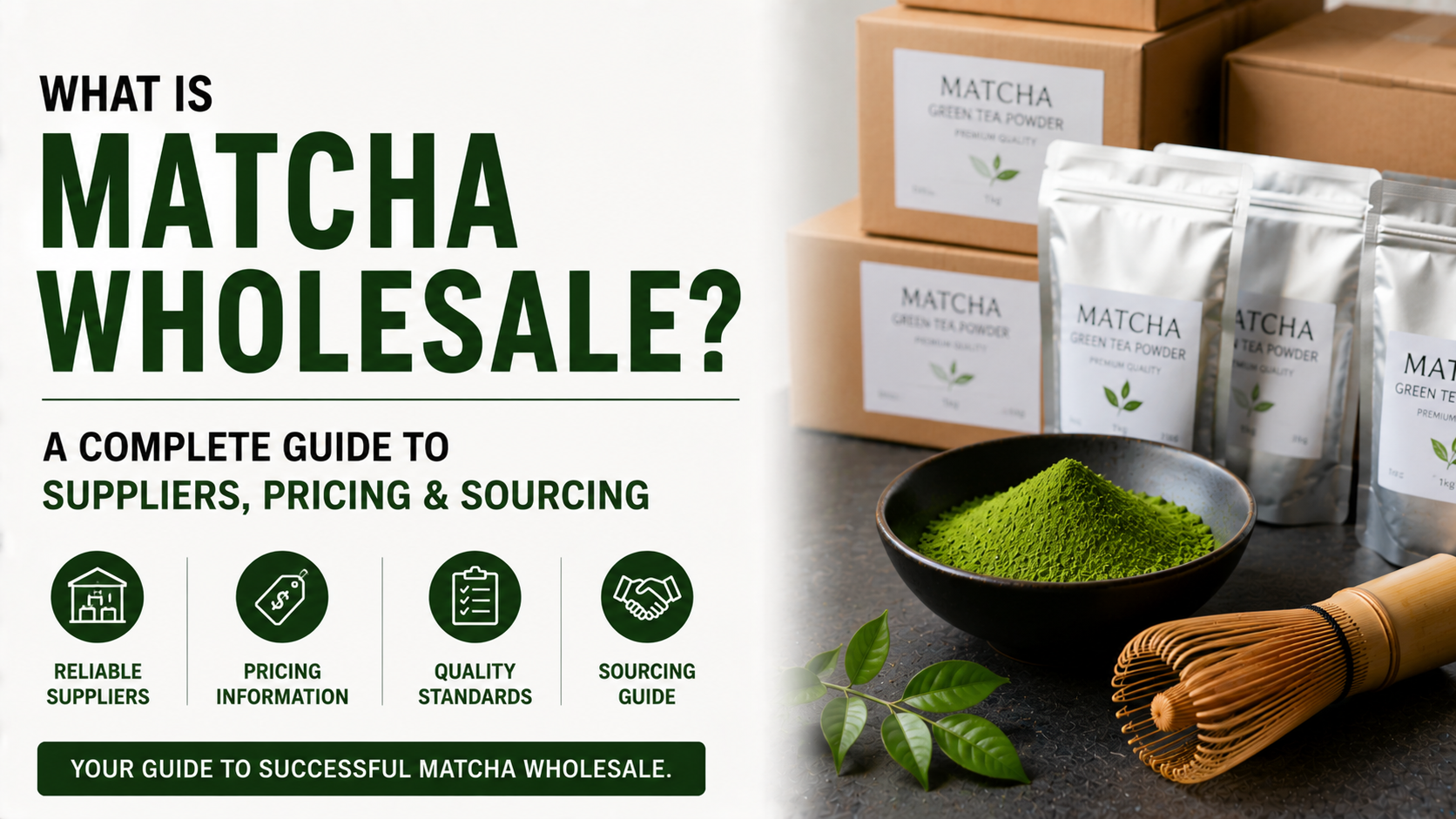
Driven by the global popularity of matcha lattes and matcha sweets, more and more businesses want to source bulk matcha reliably and at scale. The gateway to that is matcha wholesale. Yet suppliers differ enormously in quality, lot size, price, and export readiness, so first-time buyers often struggle to know where to begin.
This guide brings the essentials together in one place, so you can understand matcha wholesale from the ground up — supplier types, price ranges, and how to source — in a single read. Use it as a foundation for finding the supplier that fits your business.
For Companies Seeking Matcha Powder
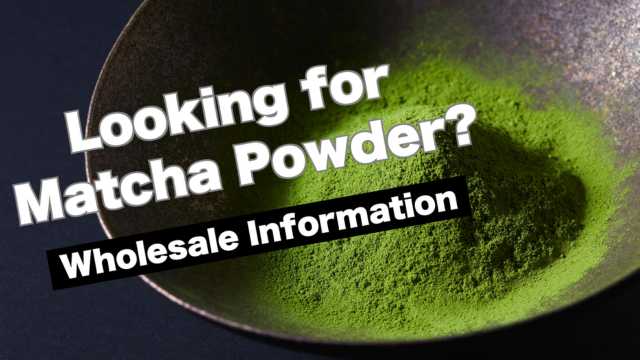
We source matcha from Japan’s premier production regions including Kyoto Uji, Kagoshima, Fukuoka, and Shizuoka, offering comprehensive grade ranges from organic JAS-certified ceremonial grade to processing-grade matcha.
Common Challenges:
- “We have projects but cannot secure stable matcha supply…”
- “We want to incorporate matcha into new café menu items!”
If you face these concerns, consult with Matcha Times. Feel free to contact us for initial inquiries.
\Read Also/
What Is Matcha Wholesale? Why the B2B Market Is Growing
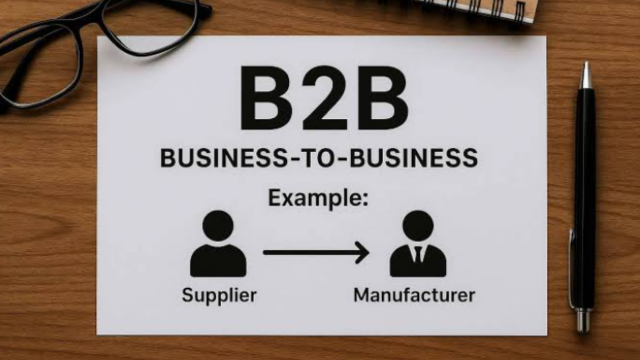
Defining matcha wholesale: bulk supply for businesses, not retail
Matcha wholesale refers to supplying matcha in bulk to businesses such as cafés, restaurant chains, confectioners, beverage brands, and importers. Unlike retail, where small pouches are sold to consumers, wholesale assumes continuous supply by the kilogram or by the case.
Because of that, wholesale buyers weigh more than taste and aroma alone. Lot size, supply stability, price, and export documentation all matter when you buy as a business. The decision criteria are simply different from a consumer purchase.
Three reasons demand is rising worldwide
Interest in matcha wholesale is climbing for three broad reasons.
- Café culture has taken root — matcha lattes are now standard menu items, used year-round not only by specialty shops but by mainstream cafés and chains
- Wellness demand is expanding — antioxidants and L-theanine draw attention, driving adoption as an ingredient in smoothies, protein products, and health foods
- Adoption as a manufacturing ingredient — chocolate, baked goods, ice cream, and RTD beverages increasingly rely on culinary-grade matcha
This demand is not a passing fad; matcha is settling in as an everyday ingredient across markets. As a result, securing a reliable wholesale route for high-quality Japanese matcha matters more than ever.
At the same time, Japan’s tencha (the leaf used to make matcha) output is limited, so supply can tighten against surging global demand. That makes the ability to secure the right grade, in the right volume, at the right time the lifeline of any matcha business. Locking in a good wholesale route early translates directly into stable operations.
\Read More/
→ The Matcha Supply Chain Anatomy: Understanding the 12-Layer Structure from Farm to Cup
Not All Matcha Is the Same: Why Choosing a Supplier Is Hard

As demand grows, most buyers hit the same wall when they start sourcing: matcha varies enormously in quality and price depending on brand, origin, and processing. Under the same name “matcha,” a ceremonial grade and a confectionery grade can differ tenfold in price.
On top of that, non-Japanese matcha and green-tea powders marketed as matcha are increasingly common. The name alone tells you little, so you need an eye for the following.
- Origin and processing — is it true shade-grown tencha stone-milled into matcha, or something closer to sencha powder?
- Batch consistency — is color, aroma, and particle size managed so they do not drift lot to lot?
- Export and regulatory readiness — can the supplier issue a COA and meet pesticide-residue limits for your destination?
In short, the difficulty of choosing a matcha supplier is that price alone cannot tell you what is good. A cheap option may lack the paperwork to clear customs, or vary batch to batch so your menu loses consistency.
Types of Matcha Wholesalers: Comparing Five Key Suppliers
Matcha wholesalers fall into a few broad types by history and specialty. Knowing the categories makes comparison easier.
- Heritage brands — long history and brand equity, strong in premium ceremonial grades
- Processors and manufacturers — strong in large-lot supply and confectionery or beverage processing
- Origin-linked suppliers — deep knowledge of a specific region and its leaf
- Export specialists — strong in export documentation, regulatory compliance, and multi-country track records
Before you commit to a matcha supplier for this use case, evaluate every candidate on the same criteria. Use the checklist below when you request quotes and samples.
| Criterion | What to verify with any supplier |
|---|---|
| Export & safety documentation | Request per-lot COA and the export, customs and food-safety documents your destination market requires (MRL/limit matching). |
| Lot flexibility & MOQ | Check the minimum order quantity, trial-lot/sample availability, and the ability to scale from a small start to larger volumes. |
| Grade & origin options | Confirm the grade range (ceremonial to culinary) and origin/cultivar options matched to your application. |
| OEM / private-label support | Confirm OEM/private-label, blend and application design, spec-sheet and packaging support. |
| Traceability | Ask for lot-level traceability from farm and processing through to shipment. |
Apply this checklist to each supplier on your shortlist and decide on current quotes, samples and documentation. JMEX (Japan Matcha Export Organization) is an export-focused Japanese matcha supplier with export experience to 43 countries; you can request pricing and terms directly and assess it against the criteria above.
On that front, JMEX (Japan Matcha Export Organization) covers regulatory compliance, lot flexibility, origin guidance, and OEM across the board, because it is built for export. In particular, its documentation capability, backed by a proven export track record across 43 countries, is reassuring for businesses importing Japanese matcha for the first time.
Wholesale Matcha Pricing: A Guide by Grade, Lot, and Origin
Price is usually the first question. Wholesale matcha pricing varies widely by grade. The table below gives rough guidance for Japanese matcha (figures shift with exchange rates and market conditions).
| Grade | Typical use | Wholesale guide (per kg) |
|---|---|---|
| Industrial / processing | Ingredient for confectionery, ice cream, RTD | approx. JPY 2,000–5,000 |
| Culinary | Matcha lattes, cooking, baking | approx. JPY 5,000–10,000 |
| Premium | High-quality lattes, specialty | approx. JPY 10,000–20,000 |
| Ceremonial | Whisked and served straight | approx. JPY 20,000–40,000+ |
The key point: even within “wholesale matcha,” price can swing five- to tenfold by grade. A grade that is too high or too low for the use will throw off your balance of cost and quality.
What moves the price
Within the same grade band, several factors push price up or down. Know them before you negotiate.
- Lot volume — larger orders tend to lower unit price; annual contracts can stabilize it
- Origin and brand — market rates differ by region, such as Uji, Nishio, Yame, and Kagoshima
- Organic and certifications — organic JAS or certified organic usually adds a premium
- Exchange rates and freight — for exports, currency, shipping, and duties heavily shape the landed cost
For example, a café built around matcha lattes that chooses a ceremonial grade may love the taste but blow the budget. Conversely, using an industrial grade in a signature drink will weaken color and aroma and hurt consistency. The trick is to decide the minimum quality the menu needs and the cost you can accept, then pick the grade.
So when you compare prices, do not just line up unit costs. Look at the landed cost for a grade that actually suits the use. For exports, comparing the all-in total including freight, duties, and currency keeps you from misjudging.
Common Patterns Behind Sourcing That Goes Wrong
When wholesale sourcing underdelivers, a few patterns recur. Knowing them in advance is usually enough to avoid them.
- Deciding on the lowest price alone — missing paperwork blocks export, or inconsistent quality adds cost later
- Skipping the sample step — color, aroma, and solubility can only be judged with the real product; trial before scale is essential
- Leaving compliance for later — ordering without checking residue limits or label rules, then getting stuck at customs
- Vague volume planning — ordering without set quantities and replenishment cycles invites both stockouts and overstock
Most of these can be prevented by writing down the purpose and conditions of your sourcing first. In export deals especially, confirming whether the supplier can meet your sales region’s standards before price is the shortest path, even if it looks like a detour.
Seven Criteria Smart Buyers Use to Choose a Wholesaler

So how do you judge a supplier? Here are seven criteria that reduce mistakes in practice.
- Quality consistency — is color, aroma, and particle size kept uniform batch to batch?
- Export documentation — can they issue the COA, residue analysis, and certificate of origin your market requires?
- Lot flexibility — can they scale from small trial lots to large-lot stable supply?
- Origin and grade guidance — will they recommend the right origin and grade for your use?
- OEM and brand development — can you consult on blend design and packaging?
- Continuity of supply — do they have the inventory and production to avoid stockouts in peak season?
- Communication — do overseas correspondence and lead-time coordination run smoothly?
Few suppliers meet all seven alone. That is exactly why deciding your single most important condition before you compare leads to a choice you will not regret.
Why Buyers Choose JMEX (Japan Matcha Export Organization)

One supplier that meets these criteria at a high level is the Japan Matcha Export Organization (JMEX), a wholesale and export partner dedicated to bringing Japanese matcha overseas.
What sets it apart from a typical domestic wholesaler is that it designs origin selection, quality assurance, export documentation, and logistics as one continuous flow, built for export from the start. In deals where sourcing and export are handled separately, the buyer ends up coordinating in the middle; JMEX is positioned to remove that burden.
Origin recommendations tailored to your use
JMEX is not tied to a single region. It proposes the optimal leaf from across Japan — Uji, Shizuoka, Kagoshima, Yame, and more — matched to your use. Whether you need the deep umami of a ceremonial grade, vivid color for lattes, or cost-efficient confectionery material, it can combine origin and grade to fit the goal.
Export compliance and documentation support
It supports compliance with major destinations such as the EU, FDA, Taiwan TFDA, and Singapore SFA, preparing COAs, residue analyses, and organic JAS documentation. By taking on the documentation and quality assurance that can be handled on the export side, JMEX helps first-time importers of Japanese matcha greatly reduce the risk of getting stuck at customs.
B2B-focused stable supply and overseas track record
JMEX scales from a 10 kg trial to one-ton stable supply, matched to your growth stage. Above all, a proven export track record across 43 countries backs its quality and responsiveness. Being able to hand off origin guidance, export paperwork, and OEM end to end is a major reason overseas buyers choose it.
How to Source Wholesale Matcha: From Inquiry to Sample to Order
Even for a first purchase, the flow is simple once you know it.
- 1. Define requirements — write down use, target grade, monthly volume, sales region, and price range
- 2. Inquire — share your conditions and receive a feasibility check and proposal
- 3. Request samples — verify color, aroma, solubility, and taste with the real product against your use
- 4. Quote and document check — confirm export paperwork, lead time, and minimum lot alongside unit price
- 5. Trial order — order a small lot and test whether real operations run smoothly
- 6. Full order and steady supply — set volume and replenishment, then move to stable supply
The most important part of this flow is to do the sample check and requirement-setting carefully at the very start. Do not skip them, and you will avoid the “tastes different than expected” or “stuck in export” surprises after scaling. Sharing early what JMEX can handle on the export side also shortens overall lead time.
Frequently Asked Questions About Matcha Wholesale
Q. Can a small shop buy wholesale matcha at wholesale prices?
Yes. More suppliers now accept small trial lots. Start small to confirm quality and operations, then scale volume with demand. Remember that unit price tends to fall as volume grows.
Q. What is the difference between Japanese and non-Japanese matcha?
Japanese matcha stands out for umami, vivid color, and fine particle size, thanks to shade-grown tencha stone-milled the traditional way. Non-Japanese or sencha powders may win on price, but they tend to differ in color, aroma, and solubility, so Japanese matcha is favored where menu consistency matters.
Q. What documents do I need to export?
It depends on your sales region, but a COA, residue analysis, certificate of origin, and organic certification are commonly required. Confirm which documents you need early, and align on what can be prepared on the export side to avoid customs delays.
Q. Are samples free?
Policies vary by supplier, but for genuine business inquiries, samples are often available. Share your use, expected volume, and sales region, and you are more likely to receive a fitting proposal along with samples.
Learn More About Global Matcha Trends at Matcha Times

UK-spreading matcha booms result from overlapping health consciousness, Japanese culture popularity, and lifestyle transformations. However, matcha’s appeal and potential still lie ahead. Knowing latest trends across countries and Japanese tea region initiatives reveals matcha’s deeper dimensions.
Matcha Times broadly publishes from matcha market analysis to cafe situations and farmer interviews. Won’t you also take this opportunity to deeply explore matcha’s world? The more you know matcha, the more surely its charm will draw you in.
Conclusion: Choose Matcha Wholesale on Fit, Not Just Price
Choosing matcha wholesale on unit price alone tends to inflate cost later. What matters is the fit: how well the supplier’s quality, lot flexibility, and export documentation match your use, volume, and sales region.
To recap the key points:
- Matcha wholesale is bulk supply for businesses, with different criteria from retail
- Price swings five- to tenfold by grade, so choosing the right grade for the use comes first
- Judge suppliers on seven criteria — consistency, export documentation, lot flexibility, and more
- For export, a partner who can handle origin guidance, paperwork, and OEM end to end has the edge
When origin, grade, and export conditions align, matcha becomes a stable revenue source. Start by defining your requirements and confirming with a sample.
Looking for wholesale or OEM matcha samples? Contact us — we will recommend the optimal origin and grade based on your application and target markets.
Related Articles
→ Japan’s Matcha Supply Crisis: What’s Really Happening Behind the Global Boom