US Matcha Market 2025: Size, Growth Drivers & B2B Entry Strategy for Buyers
The US matcha market is estimated at around $560 million in 2024 (commercial estimate; figures vary by provider and definition) and is growing at over 8% annually through 2029. That growth is not a passing trend. Instead, it reflects structural shifts in how American consumers think about health, sustainability, and culture. For B2B buyers — importers, food manufacturers, café operators, and retail chains — this represents a concrete commercial window.
However, not all matcha is equal. Supply shortages and counterfeit products are already creating risk for buyers who move without a clear sourcing strategy. This guide covers market drivers, entry tactics, supply risks, and a buyer checklist for authenticating Japanese matcha.
For Companies Seeking Matcha Powder
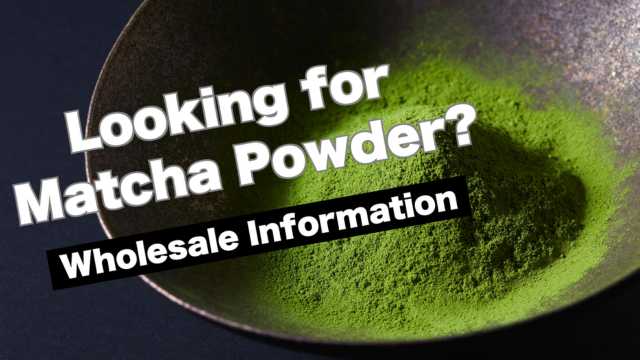
We source matcha from Japan’s premier production regions including Kyoto Uji, Kagoshima, Fukuoka, and Shizuoka, offering comprehensive grade ranges from organic JAS-certified ceremonial grade to processing-grade matcha.
Common Challenges:
- “We have projects but cannot secure stable matcha supply…”
- “We want to incorporate matcha into new café menu items!”
If you face these concerns, consult with Matcha Times. Feel free to contact us for initial inquiries.
Background of America’s Rising Matcha Boom
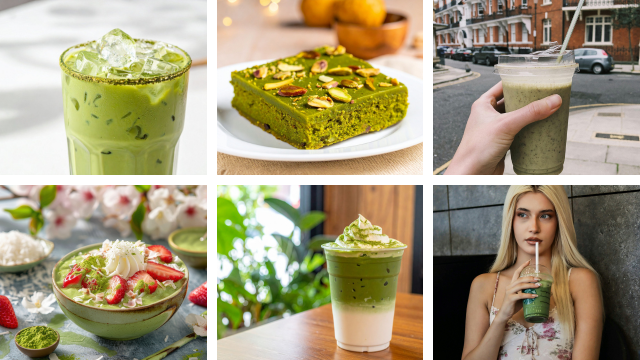
In recent years, “Matcha” has established itself in America as a healthy, stylish lifestyle beverage. In major cities including New York, Los Angeles, and San Francisco, matcha attracts attention as a new “green drink” alternative to coffee, with matcha specialty cafés and vegan-compatible dessert shops opening successively.
Indeed, North America’s matcha market reached $560 million USD (approximately ¥86 billion) in 2024, with annual growth exceeding 8% projected over the next five years. This represents convergence of three trends: health, environment, and culture.
Health Consciousness and Wellness Culture Establishment
In America, the concept of “health = style” has permeated daily life. Alongside yoga, organic food, and meditation, matcha has been accepted as one “wellness practice for balancing mind and body.”
Compared to coffee with strong caffeine, matcha offers relaxation effects from L-theanine and enjoys popularity as “beverage enabling calm focus.” Furthermore, rich in antioxidant components catechins and EGCG, matcha expands support in anti-aging and immune care aspects. According to US research firm Nielsen, 46% of American adults responded they want to “regularly consume antioxidant foods,” aligning perfectly with matcha’s positioning.
Social Media Buzz | #matcha Videos 23 Billion Views
Propelling the matcha boom were social platforms like TikTok and Instagram. The hashtag “#matcha” surpassed 23 billion views as of 2025. Posts like “Matcha Swirl” and “Matcha Latte Aesthetic” spread among Gen Z as symbols of “stylish and healthy” lifestyles.
Vibrant matcha green photographs easily, conveying visually “healthy and clean” impressions. These social media trends established matcha in the American market as “culture not just for drinking, but for displaying.”
Japanese Culture and ZEN Boom Resurgence
Another factor is the “ZEN” and “mindfulness” boom resurging in America. As people increasingly seek mental calm amid busy modern life, attention focuses on “matcha = symbol of stillness and concentration.”
Wellness celebrities like Gwyneth Paltrow incorporating matcha into daily routines generated buzz, with matcha accepted as “spiritual and beautiful cultural experience” alongside keywords like “tea ceremony” and “Japanese gardens.” This “ZEN culture” aspiration further elevates matcha’s premium quality and cultural value.
Major Café Chain Aggressive Expansion
What dramatically boosted America’s matcha latte popularity was entry by major café chains like Starbucks and Dunkin’ Donuts. At Starbucks, iced matcha latte became a hit primarily among young women. In 2025, launching new menu items like “Dubai Chocolate Matcha Latte” elevated matcha to global core category.
Additionally, Dunkin’, Blue Bottle Coffee, and Peet’s Coffee also added matcha drinks to lineups. Successive adoption by coffee chains penetrated matcha as “everyday beverage choice.”
Five Reasons Matcha Is “Wildly Popular” in America

Supporting American matcha popularity is convergence of multi-layered values: health, sustainability, visual appeal, cultural experience. Rather than merely “trending Japanese beverage,” matcha penetrates as presence satisfying wellness, sustainability, self-expression, cultural experience. Here we explain five reasons matcha is “wildly popular” in the American market.
1. Rising Health Consciousness and Functional Beverage Trend
First, the most significant factor is health consciousness and functional beverage boom. In America, voices increase saying “want to avoid excessive caffeine” and “want to stay refreshed and focused through afternoon,” with Matcha attracting attention as coffee alternative.
Because matcha involves consuming whole tea leaves, it’s rich in catechins and EGCG (antioxidant components). With relaxation effects from L-theanine, it enjoys popularity as “beverage enabling gentle alertness.”
Specifically, movements include

Whole Foods selected “tea-based flavors” in 2025 trend forecast

Starbucks announced new “Dubai Chocolate Matcha Latte” proposing health × luxury balance
Nielsen survey shows 46% of American adults consciously consume antioxidant foods
In other words, matcha established its position as “afternoon cup that’s delicious, healthy, and mood-lifting” using the “tasty and healthy” image as weapon.
2. Value as Sustainable and Ethical Beverage
Next, what American youth emphasize is sustainability and ethical consumption. Against coffee industry where forest clearing and water resource issues are criticized, matcha receives evaluation as “low environmental impact beverage” boasting high extraction efficiency with small quantities.
Because matcha involves grinding whole tea leaves into powder for consumption, it’s zero-waste design producing no refuse. Furthermore, Japanese-origin brands advance traceability (tracking capability) from production through distribution, earning trust as ethical products.
These characteristics resonate with youth as “green and clean choice,” establishing matcha’s position as “symbol of eco lifestyle.”
3. Charm of “Matcha Green” Spreading on Social Media
Indispensable to discussing America’s matcha boom is explosive viral power on social media. On TikTok, “#matcha” views exceeded 23 billion, gaining popularity among Gen Z as “beverage combining appearance and health.”
Especially matcha’s vibrant green color delivers visually strong impressions, recognized as “photogenic drink” in latte art and smoothie posts. Tags like “#matchaday” and “#matchamoment” are used routinely, with matcha becoming “part of self-expression.”
Case examples include:
- Recipe videos like “Matcha Swirl” and “Matcha Affogato” going viral daily
- Popular YouTuber Emma Chamberlain developing matcha powder under her own brand
- Positive impression of “visually cute and healthy” spreading
Thus matcha became “lifestyle icon that photographs beautifully just by drinking” for the social media generation.
4. Café Culture and Specialty Shop Co-Evolution
Another axis supporting matcha popularity is co-evolution of specialty shops and major chains. Matcha specialty shops born centered in NY and LA drive trends while simultaneously major chains like Starbucks and Dunkin’ expand the market base.
Representative movements include
Cha Cha Matcha (NY/LA) popular with Gen Z through catchphrase “WE LOVE YOU SO MATCHA”
Dunkin’ expanded “Matcha Latte” nationwide, penetrating suburban areas

Cuzen Matcha‘s home machines created “at-home matcha” culture
Through multi-layered shop development, matcha established itself as “healthy drink enjoyed daily.” Incorporated not just in cafés but also homes and workplaces, matcha secures its position as “coffee’s next protagonist.”
5. Experiential Value Connecting with “Authentic Japan”
Fundamentally supporting America’s matcha boom is the desire to “experience authentic Japanese culture.” Matcha is accepted not merely as beverage but as presence symbolizing Japanese spirituality, aesthetics, and cultural background.
- Matchaful proclaims “Farm to Whisk®” with direct contracts with Kyoto Uji producers
- Cha Cha Matcha publishes tea master photos and tea field information, differentiating through storytelling
- Whole Foods holds experiential events called “Matcha Moment”
This branding conveying “authentic Japan” resonates strongly with American consumers. Consequently, matcha grew into premium category discussed through trinity of “culture × health × aesthetics.”
Five-Step Strategy for Successful American Market Entry

Developing matcha business in the American market requires cultural understanding and local adaptation capability. In America where multi-layered values like “health,” “sustainability,” “visual,” and “cultural experience” intersect, merely “selling Japanese matcha” won’t suffice. Drawing strategies that naturally blend into local lifestyles becomes the key to success.
Here, incorporating brand case examples achieving actual results, we introduce five steps guiding successful American market entry.
① Market Analysis and Target Setting
The first step is market analysis clarifying “to whom,” “what,” and “how to deliver.” In America, Gen Z and millennial women particularly drive the matcha boom’s center. They tend to select products that are “healthy, Instagram-worthy, and earth-friendly”—precisely the demographic matcha resonates with.
Specific Approaches
- Analyze TikTok hashtags to research Gen Z interests and posting trends (e.g., #matchavibes)
- Extract raw voices regarding “taste, price, packaging” from Amazon reviews and Reddit posts
- Identify consumer “pain points (dissatisfactions and challenges)” and establish appeal axes resonating locally
Thus, data-driven market analysis visualizing local needs becomes the starting point for all initiatives.
② Brand Story and Package Design
In the American market, “brand narrative” constitutes a major purchasing motivation element. Recognition as presence embodying “culture, aesthetics, sustainability” rather than merely health beverage becomes important.
Three Key Points
- Feature “authentic Japanese origin”—specify production regions like Uji and Nishio to build trust
- Demonstrate “sustainability”—explicitly show environmental consideration like recycled paper packaging and carbon offset shipping
- Propose “ritual experience”—convey spiritual value of “organizing mind with one cup of matcha”
Additionally, naming that’s easy to pronounce in English and memorable matters. For example, positive associations like “Matchaful” and “Cuzen Matcha” combining “Matcha” + “Meaningful/Fusion” become keys to success.
③ Experience Design and Promotion
In America, the concept “Experience = brand value” has permeated. Therefore, providing mechanisms to “feel matcha, not just drink it” becomes important.
Effective Strategy Examples
- Implement 90-second “Matcha Ceremony (sampling experience)” at premium supermarkets like Whole Foods
- Provide whisking experiences using chasen and chawan at pop-up stores, encouraging social media posts
- Print QR codes inside packaging to distribute 20-second videos showing “delicious preparation methods” and “producer stories”
Thus, designing from purchase experience to learning, empathy, and sharing creates impression of “experiencing brand, not just tasting.”
④ Social Media and Influencer Marketing
America’s matcha boom was precisely ignited by social media. Therefore, entering brands should position digital communication as the most important channel.
Specific Measures
- Co-create matcha recipe videos through TikTok creator collaborations (example: “Matcha Oat Latte Challenge”)
- Utilize tags like #MatchaVibes #DrinkGreen #MindfulMorning on Instagram for dissemination
- Partner with wellness-focused Vlogs on YouTube like “1 Matcha Daily Routine”
In America, “real empathy” generates trust more than advertising, making long-term relationship building with micro-influencers effective. Rather than one-off campaigns, the attitude of communicating brands as “companions sharing matcha lifestyle” is required.
⑤ Distribution and Partnership Strategy
The final step is expanding sales channels and building partnerships. In America, “where purchasable” directly connects to credibility and brand power.
Effective Deployment Examples
- Introduction to natural-oriented supermarkets like Whole Foods / Sprouts / Erewhon
- Sampling partnerships at fitness studios (Barry’s, SoulCycle)
- Pop-up exhibitions at wellness events and festivals
- Introducing subscription models (recurring purchases) on D2C sites
Additionally, obtaining halal/organic certifications in import/distribution makes gaining retail buyer trust easier. Furthermore, an effective staged strategy starts from US West Coast, expanding to NY, Chicago, Texas.
Challenges Facing America’s Matcha Market and Future Outlook
While America’s matcha market continues rapid expansion, supply system limitations and quality control challenges are also becoming apparent. As the market moves toward maturation, strategies accurately grasping “risks lurking behind growth” and building sustainable brand value are required.
Supply Shortage and Quality Variation Risks
With explosive matcha demand growth in America, situations arise where Japanese raw material supply cannot keep pace. Even in Ministry of Agriculture, Forestry and Fisheries statistics, 2023 Japanese tea export value reached record highs, with approximately 70% matcha-related. However, production capacity is insufficient relative to demand, with cases rapidly increasing of overseas companies selling other-country low-quality matcha as “Japanese-style.”
Particularly problematic is circulation of Chinese products mislabeled as “Uji matcha.” In April 2025, cases were reported of established Japanese tea merchants protesting “Chinese-origin products claiming Uji matcha designation.” Such imitation products and improper labeling carry risks of damaging Japanese matcha brand trust and stealing market opportunities from businesses sincerely protecting quality.
Counterfeit Product Issues and “Origin Credibility” Importance
In the American market, “fake matcha” with appearance color and aroma close to authentic products circulates easily. Most involve mixing ground green tea or colored powder, with challenges that consumers unfamiliar with authentic taste struggle to notice differences.
The direction Japanese brands should take regarding this situation is clear. That is, “visualizing origin, producers, and manufacturing processes.” In other words, correctly conveying “where, who, how produced” becomes core of brand credibility.
Specifically, these initiatives prove effective:
- Introducing traceability (production history tracking) for raw material transparency
- Utilizing Geographical Indication (GI) protection systems for official branding of “Uji,” “Nishio,” etc.
- Strengthening storytelling-type marketing through producer interview videos and tea garden introductions
These “credibility visualization efforts” connect to differentiation from imitation products and long-term customer loyalty.
Balancing Premiumization and Sustainable Strategy
Behind challenges also exists growth opportunity for Japanese brands. American consumers increasingly emphasize “value” over price, deciding purchases by empathizing with “authenticity” and “environmental consideration.”
Therefore, future market keys include these directions
- Added value through organic certification and sustainable agriculture
- Zero-waste matcha business like tea leaf reuse and circular manufacturing
- “Ethical × culture” branding resonating with youth (example: MATCHA = Mindfulness)
Particularly, brands announcing transparency, environmental consideration, and producer support receive high support at premium retailers like Whole Foods. If Japanese-origin matcha aligns with this context, it can establish solid positioning as “choice selected despite high price.”
Future Outlook | “Authenticity Orientation” Reorganizes Market
America’s matcha market, experiencing turbulence from imitation products and supply challenges, is shifting toward “authenticity orientation era.” Consumers find value in “trust, culture, experiential value” rather than “cheapness,” representing perfect timing for Japanese brands to compete on quality and truthfulness.
What future markets demand
- Transparency assurance through traceability
- Sustainable production design reducing environmental burden
- Educational communication conveying cultural background
Combining these can establish positioning as “premium matcha = trusted brand from Japan.” And precisely that becomes the key to making matcha boom “embed as culture” rather than “ephemeral.“
Learn More About Global Matcha Trends at Matcha Times

UK-spreading matcha booms result from overlapping health consciousness, Japanese culture popularity, and lifestyle transformations. However, matcha’s appeal and potential still lie ahead. Knowing latest trends across countries and Japanese tea region initiatives reveals matcha’s deeper dimensions.
Matcha Times broadly publishes from matcha market analysis to cafe situations and farmer interviews. Won’t you also take this opportunity to deeply explore matcha’s world? The more you know matcha, the more surely its charm will draw you in.
Summary | American Market Timing for “Go Matcha”
America’s matcha market is precisely entering second growth phase. With convergence of health consciousness, social media culture, sustainability, and Japanese culture aspiration, matcha evolved from “trend” to “culture.” The outlook of market size $560 million USD (approximately ¥86 billion) as of 2024 with continued annual growth exceeding 8% substantiates this momentum.
Meanwhile, challenges like supply shortage and counterfeit product issues also manifest, with “authenticity orientation” and “transparency” becoming next phase competitive axes. Conversely, this represents opportunity for Japanese brands to compete on quality, culture, and credibility.
Keywords determining future success are:
- Authenticity
- Sustainability
- Experience
Brands conveying “matcha = Japanese aesthetics” through story and experience centered on these three pillars will reliably grow in the American market.
The matcha boom is decidedly not ephemeral. It is sustainable trend connecting the world as “bridge between health and culture.” Now represents “Go Matcha” timing to deliver Japanese tea culture to the next stage.
Recommended Article
→ California Matcha Market 2026: A B2B Deep Dive Into Café, Wellness, and Food Brand Demand