Spain’s Matcha Revolution: How Mediterranean Wellness Culture and Café Traditions Drive Emerging Market Growth
In Spain—a country where health consciousness and café culture coexist prominently within Europe—matcha is now triggering a new boom. Within Mediterranean dietary culture, “matcha”—this Japanese tradition—is blending in and attracting attention as symbol of wellness, aesthetics, and lifestyle.
In Barcelona and Madrid, matcha lattes and matcha desserts have become standard offerings, while social media shows rapid increases in hashtags like “#matchaspain” and “#matchabarcelona”. Furthermore, movements of easily enjoying matcha at home are spreading, with Spain forming its own distinctive “matcha culture.”
This article provides comprehensive explanation from reasons matcha attracts attention in Spain to current market status, popular café examples, and business opportunities for Japanese brands. Let’s unpack the “Mediterranean matcha revolution” from three perspectives: health, culture, and business.
\Recommended Article/
→ Japan’s Matcha Supply Crisis: What’s Really Happening Behind the Global Boom
\For Companies Seeking Matcha Powder/
We source matcha from Japan’s premier production regions including Kyoto Uji, Kagoshima, Fukuoka, and Shizuoka, offering comprehensive grade ranges from organic JAS-certified ceremonial grade to processing-grade matcha.
Common Challenges:
- “We have projects but cannot secure stable matcha supply…”
- “We want to incorporate matcha into new café menu items!”
If you face these concerns, consult with Matcha Times. Feel free to contact us for initial inquiries.
Why Matcha Attracts Attention in Spain
Even within Europe, in Spain—a country with particularly high health and beauty consciousness—matcha has recently attracted attention as “wellness drink”. Originally, Mediterranean dietary culture valued natural foods like “olive oil,” “vegetables,” and “fish,” with matcha accepted as natural, functional beverage along this continuum. Centered on organic-oriented and vegan-oriented youth, recognition is establishing that “matcha = green powder organizing mind and body.”
Influence of Health Consciousness and Natural Food Boom
In Spain, following the COVID-19 pandemic, interest in diet emphasizing “health and mental balance” rapidly increased. Terms like antioxidant, detox, and relaxation stand at the center of food trends, with catechins and theanine contained in matcha becoming symbolic presences.
Particularly attracting attention:
—these aspects of high “functionality.”
At juice bars and yoga studios, menu items like “Matcha Smoothie” and “Matcha Energy Bowl” appear, establishing matcha as healthy breakfast drink. “Matcha is not merely powdered green tea but symbol of time to reset body and mind,” gaining popularity even in wellness communities.
Additionally, in Barcelona and Málaga where vegan and gluten-free orientations run strong, matcha lattes made with plant-based milk are routinely enjoyed. Thus, matcha fits perfectly with values of “natural,” “clean,” and “mindful.”
Fusion with Café Culture and Barista Trends
Speaking of Spain, it’s a “café culture country” where people savor espresso at street corner bars and cafés. Even within this traditional coffee culture, recently “Matcha Latte” is expanding as new espresso alternative choice.
In Barcelona and Madrid, popular establishments like “Matcha & Co Café” and “Nomad Café” have introduced matcha latte as standard menu items. Particularly among tourists, matcha lattes featuring latte art of Totoro and Mount Fuji become social media topics, with Instagram showing increases in tags like “#matchabarcelona” and “#matchalatteart.”
Furthermore, among Spanish baristas, movements progress viewing matcha as “new espresso,” pursuing original extraction techniques leveraging its creamy foam and vibrant green color. Through fusion of coffee culture and Japanese tea culture, Spain’s café scene displays more diverse, international coloration.
Current Status and Expansion of Spain’s Matcha Market
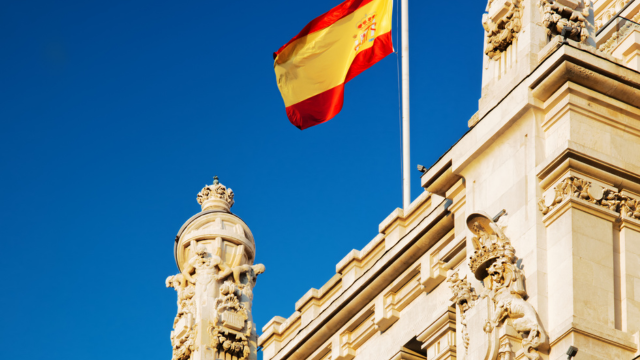
In Spain over recent years, matcha-related product distribution volume has rapidly expanded. Products increase at all stages—import, retail, online—evolving from “something drunk at cafés” to “something enjoyed at home”. Particularly as lifestyle product combining health consciousness with design sensibility, matcha’s presence intensifies.
Import and Sales Expansion Trends
Most matcha circulating in Spain consists of organic matcha imported via Japan or France. National broadcaster RTVE aired programs featuring “Kyoto Matcha,” introducing “matcha from Kyoto and Aichi’s Nishio represents quality certification” to the extent that Japanese brand credibility rises.
In Spain’s food industry, matcha attracts attention as “superfood,” with increased opportunities for scientific introduction of health components like catechins and theanine. Media introduces it as “green tea enhancing concentration” and “natural food with detox effects,” with beauty and health-purpose purchasing increasing particularly centered on women aged 20-40.
Additionally, among local companies, movements emerge developing energy bars and smoothie powders using matcha, with market expanding as “health ingredient easily incorporated into daily life”. In other words, matcha is no longer Asian food but beginning to establish itself as corner of European health food category.
Deployment in Supermarkets, Online, and Specialty Shops
At major department store “El Corte Inglés” and supermarket “Carrefour,” matcha powder, tea bags, and stick types occupy permanent corner space, becoming familiar presence even to general consumers. Furthermore, online, “Amazon España,” “Matcha & Co,” and “Té Matcha Bio” and other Spanish domestic brands achieve rapid growth through original marketing.
Particularly Barcelona-originated “Matcha & Co” features concept of “Made in Japan, Designed in Spain,” appealing to European youth through Nordic-simple design while featuring Japanese matcha quality prominently. Expanding support through campaigns like “#DrinkMatcha” and “#MatchaLoversSpain” on official e-commerce site and Instagram, achieving fusion of brand × wellness × design.
Additionally, matcha products are sold at tourist destination gift shops, with recognition advancing as “Japanese culture encountered during travel”. Thus in Spain’s market, matcha combining “functionality,” “aesthetics,” and “cultural value” penetrates as healthy yet sophisticated lifestyle icon.
Matcha Café Culture Centered in Barcelona and Madrid

In Barcelona and Madrid—major European tourist cities—cafés offering “matcha latte” and “matcha sweets” have proliferated rapidly in recent years. To Spain’s café culture previously dominated by coffee alone, new “green” wave arrives. Matcha’s vibrant color and healthy image combined with aspiration toward Japanese culture gather enthusiastic support from domestic and international tourists.
Popular Café Examples (Matcha Gracias / Nomad Café, etc.)
“Matcha Gracias” in Barcelona’s center represents one of Spain’s most attention-gathering matcha specialty cafés. Menu includes “Matcha Latte” and “matcha cheesecake” using organic matcha, plus “Matcha Tiramisu” fusing traditional sweets with matcha. Interior unified with wood and washi paper-based design creates calm atmosphere like Japanese tea room. Many tourists photograph and post to social media with tags like “#matchabarcelona” and “#matchagracias.”
Meanwhile, in capital Madrid, “Nomad Café” and “Roots Lamarca” standardize matcha drinks. Particularly attracting attention is “matcha latte + tapas”—Spain’s unique new pairing. Through olive oil-matcha blended dips and matcha-infused cheese toast, combination with local ingredients has created new genre of “matcha tapas.”
This transcends mere drink trends, symbolizing fusion of Japanese matcha culture and Spanish food culture. In Barcelona, some Michelin-starred restaurants also incorporate matcha, with increasing chefs using matcha as “aroma accent” and “bitterness”.
Trend Dissemination Through Social Media
Accelerating this matcha boom are social platforms like Instagram and TikTok. Hashtag posts like “#matchaspain,” “#matchabarcelona,” and “#matchalatteart” rapidly increase, with “photogenic matcha sweets and latte art” photographed by tourists successively spreading.
Particularly popular: latte art depicting Totoro and sakura, beautifully layered two-tier iced matcha lattes—visuals combining “Japanese authenticity × design × wellness”. In Spain, visual beauty also constitutes important consumption element, with matcha highly evaluated as “healthy and artistic beverage.”
Furthermore, through dissemination by influencers and travel bloggers, recognition spreads of “matcha cafés must-visit during Spain travel”. Such social media communication transcending word-of-mouth becomes tourism attraction factor, with Barcelona and Madrid matcha cafés now radiating presence as “global tourism content.”
Ways of Enjoying Matcha Spreading Even at Home

In Spain, matcha is becoming presence blending into daily home life beyond café frameworks. In Spain where culture of “tea = social time” is established, matcha shows good compatibility with teatime and confectionery-making, with popularity expanding as wellness drink enjoyed at home. Particularly against background of rising health consciousness, increasing people beginning “morning matcha habit” characterizes the market.
Home Matcha Latte and Dessert Making
Spanish supermarkets now feature stick-type matcha powder and matcha tea bags, enabling easy home matcha enjoyment without visiting specialty shops. On social media and cooking sites, recipes like “Matcha Muffin,” “Cheesecake de Matcha,” and “Galletas de Matcha (matcha cookies)” gain popularity, with “DIY Matcha Latte” made using hand mixers and milk formers also trending.
Additionally, home café arrangements using matcha attract attention:
- Vegan matcha latte using almond milk or oat milk
- Matcha + honey + soy milk smoothie
- “Iced matcha latte” with matcha ice cubes floating in milk
—these visually beautiful arrangements spread in Spanish homes. This high arrangement flexibility constitutes major factor supporting matcha popularity.
Part of Wellness Lifestyle
Furthermore, matcha is also establishing itself as “drink organizing mind”. “Resetting feelings with morning cup” and “drinking before meditation or yoga”—people incorporating it in mindfulness contexts increase.
Theanine’s relaxation effects and moderate caffeine’s alerting effects contained in matcha perfectly match modern people’s need to “focus calmly”. Among yoga and Pilates enthusiasts, new habit called “Green Mind Routine” incorporating matcha instead of caffeinated drinks spreads.
Additionally, some wellness brands use expression “Matcha Ritual,” proposing matcha time = time to organize oneself in daily life. Spain’s distinctive slow food culture fusing with mindfulness spirit, matcha is establishing value as “drinkable meditation.”
Thus in Spain, matcha evolves from café to kitchen, from preference to lifestyle habit, becoming symbol of lifestyle valuing health and mental balance.
Business Opportunities for Japanese Brands
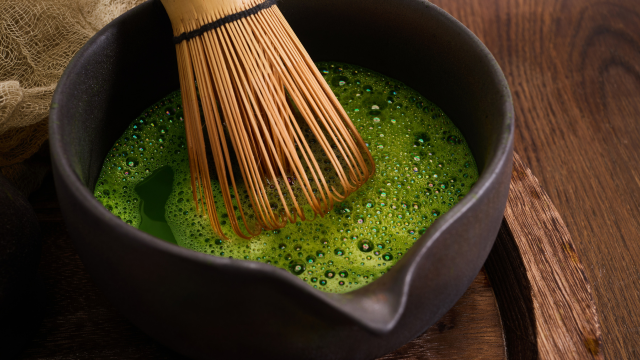
Spain—with mature health-conscious market—offers significant opportunities for Japanese brands. Strategies centering on quality, culture, sustainability prove effective.
Premium and Cultural Value Appeal
Differentiation through production region brands like “Uji” and “Nishio” proves powerful. In Spain, “Kyoto Matcha” is becoming synonymous with premium matcha, with quality and cultural background directly connecting to purchase motivation. Additionally, locally-held tea ceremonies, tasting events, Japanese cultural experience events and other experiential promotions prove effective. “Tasting” culture generates brand trust and fans.
Entry to Sustainable and Organic Markets
In EU, “organic certification (EU Organic)” becomes purchase decision standard, with environmental consideration and quality assurance emphasized. Japanese brands capable of appealing sustainable production systems can easily differentiate from other-country matcha. Particularly, brand strategies demonstrating social responsibility like reusable packaging and traceability introduction gather support.
Check Global Matcha Trends at Matcha Times!

For those wanting deeper knowledge of matcha boom spreading across Spain and Europe, Asia, North America: “Matcha Times” continuously publishes matcha market reports from countries worldwide, local café features, brand strategies, and more.
Summary | Spain’s Matcha Market Growing Through “Wellness × Café Culture”
Spain’s matcha popularity represents not merely ephemeral trend but new market born from fusion of health consciousness, café culture, and cultural exchange. In Spain originally possessing “natural, healthy food culture” centered on Mediterranean diet, matcha’s antioxidant capacity and relaxation effects resonate, establishing itself as wellness symbol.
At cafés, “Matcha Latte” becomes new standard drink, centered in tourist-visited Barcelona and Madrid, with “photogenic matcha sweets” disseminated on social media driving trends. At home, stick matcha and tea bags proliferate, with matcha appearing in daily teatime. In other words, matcha now builds solid position across three fields: café, home, tourism.
In Spain’s future market, “quality × culture × empathy” becomes success key. Not simply “selling matcha,” but conveying “which production region’s tea” and “what story it holds” becomes important. Through Japanese brands carefully communicating background and value, matcha will embed as enduring brand culture even in Mediterranean lands.
Recommended Article
→ Japan’s Matcha Supply Crisis: What’s Really Happening Behind the Global Boom
→ Global Matcha Market Analysis 2026: Market Size, Growth Trends, and Business Opportunities