Saudi Arabia’s Matcha Surge: Health Trends and Youth Culture Meet Japanese Tradition
In recent years, matcha is gaining attention in Saudi Arabia as a new force revitalizing coffee culture. Amid rising health consciousness, diet trends, and growing interest in Japanese culture, matcha is rapidly spreading, centered among young people and affluent consumers.
In upscale cafés in Riyadh and Jeddah, matcha lattes and matcha sweets have become standard offerings, trending on social media as vibrant green photogenic beverages. Furthermore, DIY lattes and sweets using matcha powder are being enjoyed in homes, with matcha becoming more than just a drink—it’s emerging as a lifestyle symbol.
This article thoroughly examines why matcha is gaining popularity in Saudi Arabia, current market conditions, café culture, home enjoyment methods, and expanding business opportunities for Japanese brands.
\Recommended Article/
→ Mexico’s Matcha Boom: Health Trends and Youth Culture Driving Demand
\For Companies Seeking Matcha Powder/
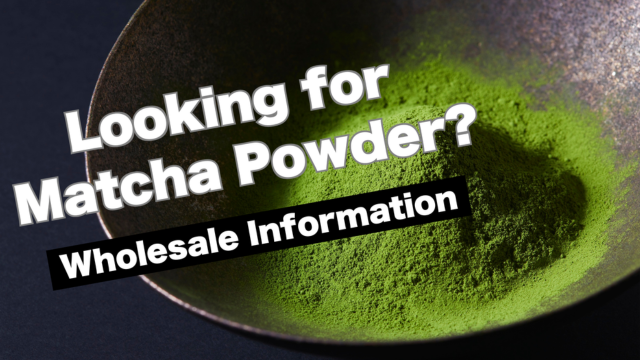
We source matcha from Japan’s premier production regions including Kyoto Uji, Kagoshima, Fukuoka, and Shizuoka, offering comprehensive grade ranges from organic JAS-certified ceremonial grade to processing-grade matcha.
Common Challenges:
- “We have projects but cannot secure stable matcha supply…”
- “We want to incorporate matcha into new café menu items!”
If you face these concerns, consult with Matcha Times. Feel free to contact us for initial inquiries.
Why Matcha Is Gaining Attention in Saudi Arabia
In recent years, matcha has been rapidly permeating Saudi Arabia as a symbol of health consciousness and new lifestyle. In this country where coffee culture runs deep and traditional “gahwa” (Arabic coffee) has been central to hospitality, why is Japanese-origin matcha being accepted? Behind this lie multiple social and cultural factors.
Affinity with Health Consciousness and Diet Trends
Saudi Arabia has a high obesity rate, with lifestyle disease prevention becoming a nationwide challenge. As the government promotes improved national health awareness through “Vision 2030,” healthy alternatives to sugar and high-calorie drinks are gaining attention. Matcha contains abundant antioxidants like catechins and EGCG, said to support blood sugar stability and fat burning. Local surveys show over half of participants responding that “matcha helps with weight management,” confirming expanding demand for diet purposes. Compared to coffee, caffeine’s sustained effect and “clean, lasting energy” are additional reasons for support.
Youth Lifestyle and Influencer Culture
Supporting Saudi Arabia’s matcha boom is the younger generation living in Riyadh and Jeddah. Students and young professionals in their 20s develop interest through matcha latte photos and videos seen on Instagram and TikTok, incorporating “beautiful green photogenic healthy drinks” into their lifestyles.
Additionally, with high affinity to the recently spreading “soft life” movement—values emphasizing stress reduction from work and study while prioritizing comfortable living—matcha has become a tool for stylish, healthy self-expression. Influencer-shared café tours and matcha recipe videos spread virally, strongly driving consumer behavior.
Influence of Japanese Culture and Asian Trends
Furthermore, in Saudi Arabia, Japanese restaurants and Japanese pop culture have widely permeated in recent years, with touching Japanese brands viewed as “sophisticated choices.” Particularly, the ritual of preparing matcha and the spirituality of tea ceremony resonate with coffee ceremonial culture rooted in the country, making it culturally acceptable.
Additionally, “Asian trends” spreading from Korea and Southeast Asia provide tailwinds, with matcha establishing itself not as mere imported beverages but as part of an international lifestyle.
Current State and Expansion of Saudi Arabia’s Matcha Market
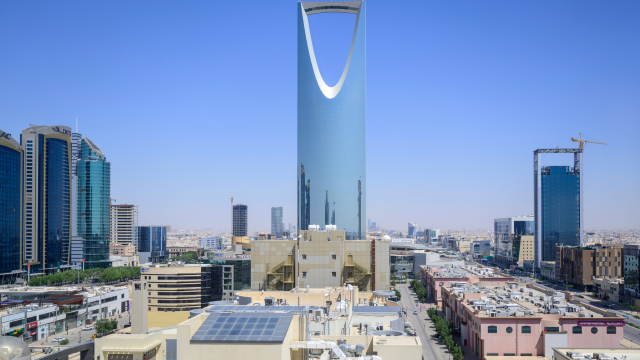
Saudi Arabia’s matcha market has experienced rapid growth in recent years. Once limited to a segment interested in Japanese culture, matcha is now broadly accepted from affluent to young demographics, with market scale expanding upward.
Changes in Matcha Imports and Market Scale
According to statistics, Japanese matcha imports that were merely 9,000kg in 2022 surged approximately 900% to 81,000kg in 2023. Import value also reached $2.4 million scale, maintaining high levels in 2024 with 46,000kg worth 7 million Saudi Riyals. This evidences not a temporary boom but established consumer recognition of “matcha = premium, healthy beverage.”
Furthermore, according to IMARC Group reports, Saudi Arabia’s overall green tea market is projected to grow to $229.24 million by 2033, with matcha positioned as the most noteworthy category within it.
Sales Expansion in Supermarkets and E-commerce Sites
Once provided only in select upscale cafés, matcha is now easily available on supermarket shelves and online e-commerce sites. Particularly popular are “matcha kits (SR 110-180)” developed by local brands operating through Instagram, capturing demand for home-made lattes and sweets.
Such penetration of “home-use products” drives matcha culture establishment in Saudi Arabia, solidifying its position as “everyday standard drink” following coffee. In this country with high online shopping usage rates, synergy between social media and e-commerce further expands demand.
Initiatives by Japanese Brands and Local Companies
Responding to this rapid growth, Japanese companies are actively entering the market. At the 2024 Saudi Food Show, multiple Japanese companies exhibited, exploring OEM partnerships and joint development with major local food companies. Particularly, matcha from Kyoto-Uji and Kagoshima receives high evaluation from local affluent consumers, hotels, and cafés as “authentic taste.”
Additionally, product development with halal certification is progressing, with assurance respecting religious values earning consumer support. Such initiatives will be key to strengthening Japanese brand presence in the Saudi market and sustaining demand expansion.
Matcha Café Culture Centered in Riyadh and Jeddah
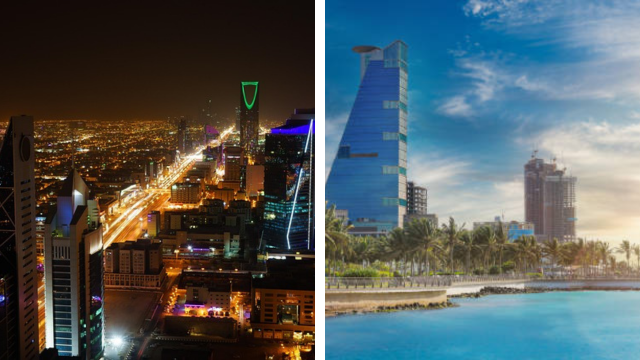
In Saudi Arabia’s urban areas, particularly Riyadh and Jeddah, café culture has experienced rapid growth in recent years. In this country where coffee is central to socializing, matcha is gaining support from young people and affluent consumers as a new “trend drink,” becoming an indispensable presence in the city’s café scene.
Matcha Latte Service at Premium Café Chains
Symbolizing matcha popularity are sales achievements at premium cafés. At Riyadh’s “Jon & Vinny’s,” weekends alone see 350 matcha lattes sold per location, accounting for 22% of beverage sales. Similarly at “Pro 92 Cafe,” matcha lattes alone comprise over 10% of total sales, reportedly consuming over 150kg of matcha monthly.
Some establishments use Japanese matcha priced at 1,200 SR per kilogram (approximately 40,000 yen), positioning matcha not as mere beverages but as luxury lifestyle products favored by affluent consumers. Such “authenticity-oriented” consumer behavior also provides tailwinds elevating the value of regional brands like Uji and Kagoshima.
Matcha Sweets and Combinations with Dates
Beyond beverages, matcha’s popularity is rising in the sweets sector. Particularly noteworthy is compatibility with dates, a traditional Saudi ingredient, with innovative new-sensation sweets emerging
These menus fusing local food culture with Japanese matcha embody “glocal (global × local)” trends, enhancing local café distinctiveness.
Amplification Power Through Social Media and Influencers
One major reason Saudi youth seek matcha is social media appeal. Vibrant green lattes and sweets, combined with glass cups and luxurious interiors, are frequently posted on Instagram and TikTok.
Particularly when high-follower influencers introduce them as “healthy, stylish drinks,” consumer visit motivation increases, resulting in cafés becoming new trend-launching venues. This synergy between word-of-mouth and social media marketing elevates matcha to the center of Saudi youth culture.
How Matcha Is Spreading in Home Settings
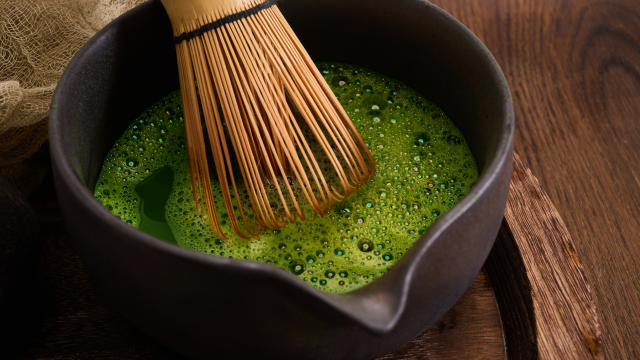
Matcha’s penetration in Saudi Arabia extends beyond café culture into homes. As matcha became purchasable in urban supermarkets and e-commerce sites, “home matcha habits” are becoming part of daily life.
DIY Lattes and Smoothies Using Matcha Powder
The most common method of incorporating matcha at home is DIY matcha lattes and smoothies. Numerous recipes are shared on social media, including frothing with oat milk or almond milk, or arranging with date syrup and vanilla flavor.
Additionally, matcha smoothies blended with bananas or berries are popular as breakfast or post-gym nutrition. Since caffeine effects are milder and more sustained than coffee, increasing numbers of students and remote workers stock it as a “concentration-boost drink.”
Matcha Use in Desserts and Bakery
Matcha is incorporated not only in beverages but also in home sweets-making. Matcha cookies and matcha cakes are embraced as “special hospitality sweets,” establishing themselves as homemade confections for Ramadan and family gatherings.
Local bakeries also feature matcha-infused breads and puddings, with increasing new attempts fusing matcha with traditional sweets. Particularly, combinations with dates receive high praise as “healthy, luxurious flavors.”
Importance of Halal-Certified Products
Essential for the home market is halal certification. In Saudi Arabia, where religious norms are respected, halal-certified food products are prerequisites for purchase. Japanese brands also emphasize this point, developing certified matcha and matcha products to gain consumer assurance and trust.
Particularly for matcha powder and matcha sweets distributed for home use, halal compliance becomes a purchasing decision factor, representing an indispensable element for future proliferation expansion.
Business Opportunities for Japanese Brands
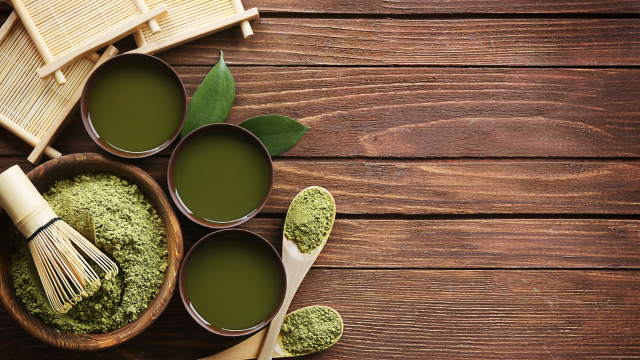
Rising matcha popularity in Saudi Arabia signifies major business opportunities for Japanese brands. With market expansion, strategies leveraging quality, culture, and brand power are required.
Demand for Premium-Grade Matcha
Saudi Arabia’s affluent consumers tend to prioritize quality and story over price. Particularly, premium matcha featuring regional brands like “Uji,” “Nishio,” and “Kagoshima” is accepted locally as “status products.”
Ceremonial and ceremonial-grade matcha, while higher-priced than general latte-use varieties, are purchased by “authenticity-seeking segments,” suitable for gift demand and hotel premium menus. Japanese brands can realize further high-added-value strategies by conveying “history and quality stories” as a package.
Added Value of Health, Sustainability, and Halal Certification
In recent years, the Saudi market increasingly values “healthy, ethical consumption.” Matcha with organic JAS certification and halal certification functions as differentiation points from other brands.
Promoting “sustainable farming methods,” “environmentally conscious production backgrounds,” and “producer stories” provides value beyond mere beverages, resonating with local consumers. Particularly halal certification is a prerequisite for home products and hotel/restaurant offerings, becoming key to export strategies.
Collaboration Cases with Luxury Hotels and Cafés
At five-star hotels in Riyadh and Jeddah, cases partnering with Japanese brands to offer matcha afternoon teas and matcha sweets are increasing. Such collaborations can provide “special experiences” to affluent consumers and tourists, enhancing brand value.
For example, developing limited menus combining dates and matcha alongside matcha lattes and matcha parfaits enables differentiation as unique products promoting fusion with local culture. Furthermore, implementing “matcha experience events” linked with hotel wellness programs and spas enables deployment as a tourism-healthcare-food culture integrated model.
Stay Updated on Global Matcha Market Trends with Matcha Times

Saudi Arabia’s matcha market is currently in the midst of explosive growth. However, to properly understand local consumer needs, import regulations, and successful business cases, staying current with the latest information is essential.
Matcha Times provides clear, accessible analysis of matcha market trends across countries worldwide, local café culture, and business opportunity case studies. It’s the ideal information source for those considering matcha business ventures or seeking deeper understanding of the global matcha boom.
Summary: Saudi Arabia’s Matcha Market Driven by Affluence and Youth Culture
Saudi Arabia’s matcha market is a growth market expanding through the intersection of health consciousness and lifestyle orientation. Import volume increased over 900% in just a few years, with enjoyment spreading across diverse settings—cafés, hotels, homes, and e-commerce.
Particularly, affluent consumers’ “authenticity orientation” driving premium-grade matcha demand and youth generation social media culture fueling matcha latte and sweets popularity are the two primary market drivers, showing signs of becoming rooted as culture rather than mere temporary trends.
Furthermore, combining Japanese brands’ strengths—halal certification, sustainable farming methods—enables gaining local consumer trust and differentiation from competitors. Going forward, including partnerships with luxury hotels and tourism industries, matcha will grow into an entity symbolizing “health, culture, and luxury” in Saudi Arabia.
Recommended Article
→ Japan’s Matcha Supply Crisis: What’s Really Happening Behind the Global Boom
→ Global Matcha Market Analysis 2026: Market Size, Growth Trends, and Business Opportunities
→ Global Matcha Boom 2026: Health Trends, Social Media, and Market Reality