How Big Is the U.S. Matcha Market? Cafe, Foodservice, Retail & Wellness Demand Analyzed
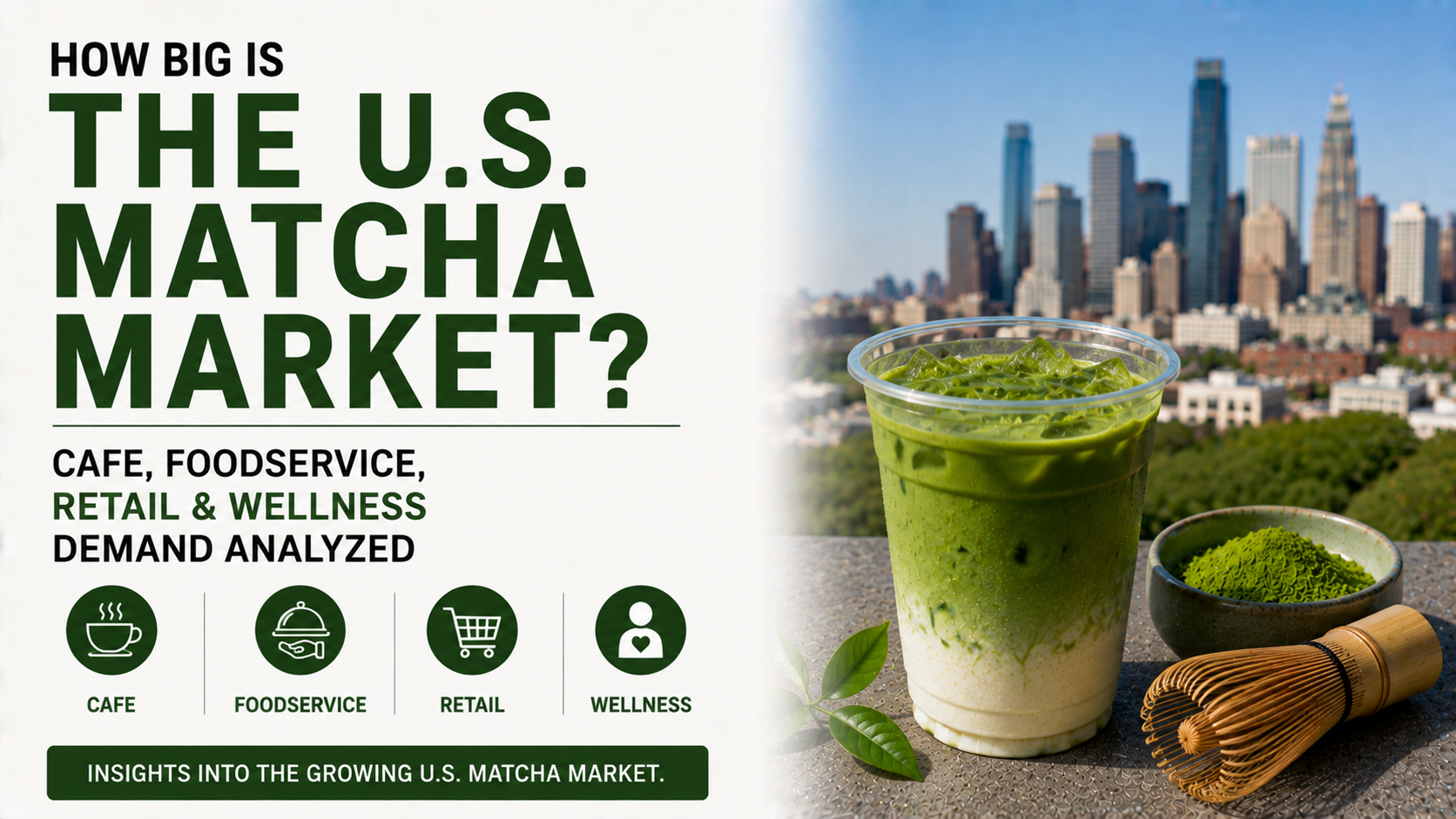
How big has the U.S. matcha market actually become? The short answer: the United States is already one of the world’s largest matcha-consuming nations, and its momentum shows no sign of slowing in 2026. Matcha lattes are now café staples, national restaurant chains have rolled matcha out coast to coast, retail ready-to-drink (RTD) beverages keep expanding, and wellness consumers have embraced it wholeheartedly. Four channels are growing at once.
This article breaks down the size and growth drivers of the U.S. matcha market using the latest data, then examines a supply risk that is easy to overlook. Finally, we lay out the sourcing strategy that overseas buyers should adopt from 2026 onward, from a B2B perspective.
For Companies Seeking Matcha Powder
We source matcha from Japan’s premier production regions including Kyoto Uji, Kagoshima, Fukuoka, and Shizuoka, offering comprehensive grade ranges from organic JAS-certified ceremonial grade to processing-grade matcha.
Common Challenges:
- “We have projects but cannot secure stable matcha supply…”
- “We want to incorporate matcha into new café menu items!”
If you face these concerns, consult with Matcha Times. Feel free to contact us for initial inquiries.
\Read Also/
Just How Far Has the U.S. Matcha Market Grown?
The U.S. matcha (tea) market is projected to reach roughly US$340 million by 2033, at a compound annual growth rate (CAGR) of 8.5% from 2025 to 2033. Growth is no longer limited to traditional tea drinking — it now extends into lattes, smoothies, bakery, confectionery, and nutraceuticals.
Its global presence is striking, too. In 2024 the U.S. accounted for about 18.2% of the global matcha market — the largest single-country share. The global market itself is expected to climb from roughly US$5.1 billion in 2025 to about US$5.5 billion in 2026, and on to US$8.9 billion by 2033.
Within that picture, North America is leading the way with the fastest-class growth rate of nearly 7.6% CAGR. Backed by the rise of plant-based diets and a mature café culture, matcha has shifted from a passing trend to an established consumption category.
How the market spreads has changed as well. Once concentrated in Japanese grocers and specialty shops, matcha now reaches consumers everywhere — from mainstream fast food to luxury hotels and gym protein bars. This diversification of entry points keeps drawing in new consumers and broadens the market’s base. For suppliers, it also means the quality, price, and lot sizes demanded now vary by application — a single grade rarely covers every need.
\Read More/
Four Channels Driving Demand: Café, Foodservice, Retail & Wellness
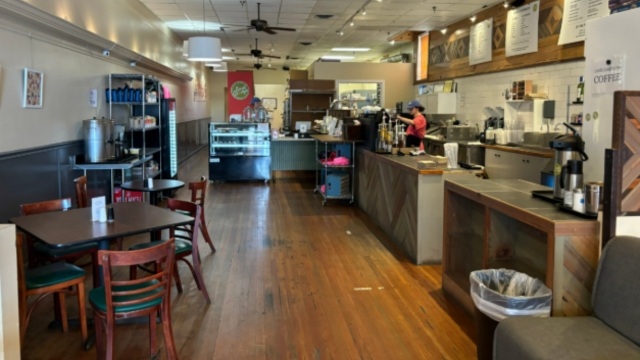
What makes U.S. matcha demand so resilient is that it is not driven by any single factor. Café, foodservice, retail, and wellness reinforce one another, keeping the market broad-based. Here is the big picture at a glance.
| Channel | Key movement | Implication for buyers |
|---|---|---|
| Café | Matcha latte now a staple at chains and independents | Latte-grade with vivid color and easy mixing |
| Foodservice | Fast food adds matcha to national menus | Balance of volume, stability and price |
| Retail | RTD drinks and home powder expanding | Shelf life, packaging, OEM capability |
| Wellness | Blended into protein and supplements | COA and organic certification readiness |
Café: The Matcha Latte Becomes a Default Menu Item
Adoption by major coffee chains is accelerating. Starbucks tripled its year-round matcha drink lineup between 2023 and 2026, and tea revenue at company-operated U.S. stores rose more than 70%. The momentum is just as clear among independents: at Blank Street, matcha drinks made up roughly half of all orders, outselling espresso drinks on some summer days.
Foodservice: Matcha Goes National at Fast-Food Chains
Matcha has broken out of specialty shops and cafés into foodservice at large. In February 2026, a major fast-food chain launched matcha beverages nationwide, bringing premium café-style matcha to an accessible price point. With coffee-and-snack chains growing nearly 6% overall, matcha is positioned as a key product for the afternoon daypart.
Retail: RTD and At-Home Demand Expand
Consumers are drinking matcha at home, not just in stores. RTD matcha beverages are forecast to grow at a 9.7% CAGR from 2026 to 2033, with canned and bottled drinks through supermarkets and e-commerce, plus home-use matcha powder, all lifting demand. Social media serves as the “try it” entry point, feeding a virtuous cycle of repeat purchases.
Wellness: Health, Beauty & Protein Demand
No account of matcha’s rise is complete without health-consciousness. Prized for antioxidants, L-theanine, and a gentle caffeine release, matcha is increasingly blended into protein powders, smoothies, and supplements. Fitness and wellness brands are adopting it actively, expanding its use well beyond beverages.
Demand Is Rising, but Supply Can’t Keep Up — Shortages, Tariffs & Price Spikes

Against that surging demand, the supply side faces a serious squeeze. Japan’s tea exports rose 42% year on year to about 13,125 tons, while export value doubled to roughly ¥84.7 billion. Value climbing faster than volume is a clear sign that supply is not keeping pace with demand.
The impact on prices is stark. Tencha auction prices in Uji reached 1.7 times the prior year, and in some cases over 5.5 times, driving costs up from the raw-material stage. Structural factors — an aging farming population, the multi-year lag before new tea fields yield, and climate volatility — are prolonging the crunch.
- Fewer growers: an aging base of tencha (matcha’s raw leaf) farmers with limited succession.
- Slow ramp-up: new shade-grown fields take years to reach stable yields.
- Climate volatility: frost and heat cause year-to-year swings in yield and quality.
- Undiminished demand: the global boom shows no sign of cooling, so the gap persists.
Trade policy matters too. Tariffs on Japanese imports moved from an initial 24% proposal down to 15%, then to an effective rate of roughly 16.4% under replacement measures. With tariffs, shortages, and rising prices converging, balancing “secure supply” with “cost control” has become the top challenge for U.S. buyers.
In concrete terms, the landed supplier price of 30g of ceremonial-grade tencha rose from about US$11 in 2023 to US$19–22 in early 2026 — before tariffs, freight, or retail margin. Pressure on final retail prices is intensifying further.
Four Common Pitfalls in U.S. Matcha Sourcing

Strong demand alone doesn’t make a business stable — a flawed sourcing design will undo it. These are the traps U.S. matcha buyers fall into most often.
- Relying on spot buying: hunting for a supplier every time prices move leaves you short in peak season.
- Grade–application mismatch: using pricey ceremonial for lattes, or low grade for tastings — misaligning cost and quality.
- Gaps in compliance and paperwork: falling behind on FDA requirements, pesticide (MRL) limits, or COAs stalls customs and buyer audits.
- Lot-to-lot inconsistency: shifts in color, aroma, and particle size make your menu or product impossible to reproduce.
Put the other way around: a sourcing setup that avoids these traps is exactly what separates you from the pack when supply is tight. The key is to evaluate quality, compliance, supply, and contracts systematically — not just price and speed.
How Smart Buyers Choose Their Supplier
Buyers who stay competitive in a tight market judge suppliers on three axes: origin optimization by application, export-standard readiness, and stable supply regardless of lot size. Lining up the major sources on these axes reveals each one’s strengths.
| Criterion | What to verify with any supplier |
|---|---|
| Grade & origin options | Confirm the grade range (ceremonial to culinary) and origin/cultivar options matched to your application. |
| Export & safety documentation | Request per-lot COA and the export, customs and food-safety documents your destination market requires (MRL/limit matching). |
| Lot flexibility & MOQ | Check the minimum order quantity, trial-lot/sample availability, and the ability to scale from a small start to larger volumes. |
| Export track record & references | Ask for export track record and references in your target market(s). |
| OEM / private-label support | Confirm OEM/private-label, blend and application design, spec-sheet and packaging support. |
Apply this checklist to each supplier on your shortlist and decide on current quotes, samples and documentation. JMEX (Japan Matcha Export Organization) is an export-focused Japanese matcha supplier with export experience to 43 countries; you can request pricing and terms directly and assess it against the criteria above.
The right choice depends on which strengths matter most for your channels and applications. National café rollouts prioritize supply stability; premium lines prioritize origin optimization.
Why U.S. Buyers Choose JMEX (Japan Matcha Export Organization)
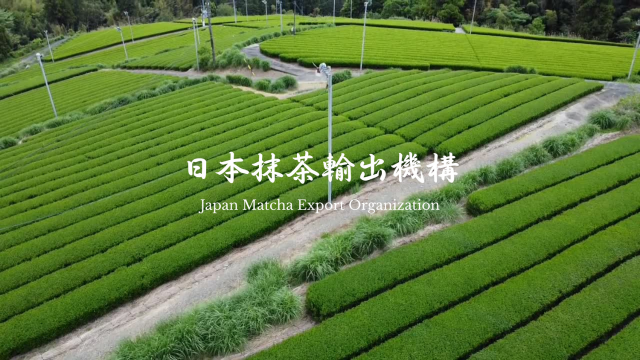
Japan Matcha Export Organization (JMEX) answers the sourcing challenges of U.S. and other overseas buyers from the export practitioner’s side. Its strengths fall into three areas.
First, the ability to recommend the optimal origin by application — Uji, Shizuoka, Kagoshima, Yame, and more. From color and sweetness for lattes to cost efficiency for confectionery and aroma for ceremonial use, origin and grade can be designed around your goal. Second, readiness on the standards and documents exports require — COA, pesticide (MRL) limits, and JAS / USDA Organic / EU Organic certification, prepared from the export stage with U.S. customs and buyer audits in mind.
Third, supply stability. JMEX has a track record of exporting to 43 countries, and can build a supply plan matched to your business phase — from small trial imports to regular high-volume delivery. Precisely because it runs a lean, agile operation, it can engage with large, ongoing accounts one at a time — a real advantage in a tight market.
Shortages tempt some buyers toward cheaper foreign-grown matcha, but what wins in the U.S. premium market is quality. Japanese matcha stands clearly apart through shade-grown vivid green and umami, fine particle size, and rigorous pesticide control. The color in a café’s menu photos, the smoothness of a latte, the flavor in baked goods — the finished product is decided by the raw material.
Steps to Win in the U.S. Market
Even for a first-time buyer of Japanese matcha, the path is simple. Following the sequence of consultation → sample evaluation → document review (COA, MRL) → small trial import → regular supply lets you build a stable sourcing setup while keeping risk low.
- Share application and volume: convey your channel (café / foodservice / retail / wellness) and expected monthly volume.
- Evaluate samples: test color, aroma, mixability, and particle size in your actual recipes or products.
- Check documents and compliance: verify COA, pesticide (MRL) limits, and organic certification as needed.
- Run a trial import: validate customs, quality, and operations at small volume.
- Design regular supply: agree volume plans and pricing to stabilize the flow.
One more thing to keep in mind is regional demand. Café density, income levels, wellness orientation, and tourism vary widely by state, and so does the ideal product design. Matcha Times also publishes state-level market analyses — for Texas, Florida, Illinois (Chicago), Hawaii and more. Starting from the region closest to your channels is the practical way forward.
Managing Cost and Menu Design in a High-Price Era
When raw-material prices climb, how you sell matters as much as how you buy. Combining grade separation, diversified sourcing, and value-based pricing is the core strategy for riding out a high-price era.
- Two-tier grade use: ceremonial for drinking and tastings; culinary grade — flavorful yet cost-effective — for lattes and baking.
- Diversified sourcing: avoid single-sourcing; secure routes across origins and grades to cut stockout risk.
- Value-based pricing: rather than a bare price hike, convey origin, quality, and story to justify the price.
- Volume contracts: share annual estimates and lock in price and supply early to smooth out volatility.
Above all, whether you can guarantee consistency directly determines how persuasive your pricing is. If color and flavor drift lot to lot, a price increase won’t be accepted; deliver consistent quality and customers will gladly pay a premium. Cost control and quality are not opposites — they must be achieved together.
FAQ: Sourcing Matcha for the U.S. Market
Q. How high are tariffs on matcha bound for the U.S.?
Rates on Japanese imports moved from an initial 24% proposal to 15%, then to an effective rate of around 16.4% under replacement measures. Because trade conditions shift frequently, always confirm the latest rate and applicable terms before contracting. JMEX can advise based on current conditions from an export-practice standpoint.
Q. How do I choose between ceremonial and culinary grade?
Ceremonial grade suits drinking straight or products that showcase matcha’s true aroma. For uses that combine matcha with milk or sugar — lattes, smoothies, and baking — culinary grade offers the best balance of robust flavor and cost. Matching grade to application lets you achieve quality and cost efficiency at once.
Q. Can I start with small volumes?
Yes. The usual flow is to start with sample evaluation and a small trial import, confirm quality and operations, then move to regular supply. Because you can scale volume to your business phase, even a first overseas sourcing effort can start comfortably.
Q. How does it differ from Chinese-grown matcha?
Japanese matcha stands out for shade-grown vivid green and umami, fine and uniform particle size, and rigorous pesticide control. In the premium market, where finished color, flavor, and safety matter, Japanese quality is clearly recognized. Buyers looking to build brand value over the long term tend to insist on origin.
Learn More About Global Matcha Trends at Matcha Times

UK-spreading matcha booms result from overlapping health consciousness, Japanese culture popularity, and lifestyle transformations. However, matcha’s appeal and potential still lie ahead. Knowing latest trends across countries and Japanese tea region initiatives reveals matcha’s deeper dimensions.
Matcha Times broadly publishes from matcha market analysis to cafe situations and farmer interviews. Won’t you also take this opportunity to deeply explore matcha’s world? The more you know matcha, the more surely its charm will draw you in.
Conclusion: In a Growing U.S. Market, Whoever Controls Supply Wins
The U.S. matcha market is in an early-to-mid growth stage, with café, foodservice, retail, and wellness all expanding at once. Yet the headwinds — shortages, tariffs, and price spikes — are strong, and what decides the outcome is how stable a sourcing setup you can build.
Avoid the traps of spot dependence and paperwork delays, and choose your supplier on origin optimization, export-standard readiness, and stable supply. A setup that keeps trusted, high-quality Japanese matcha flowing without interruption is your greatest weapon in a growing market. In an era when supply is hard to predict, partnering with an export specialist you can rely on is the foundation for both stability and growth.
Looking for wholesale or OEM matcha samples? Contact us — we will recommend the optimal origin and grade based on your application and target markets.
Related Articles