“Matcha” Expanding into Emergency and Military Rations | Balancing Preservation and Functionality
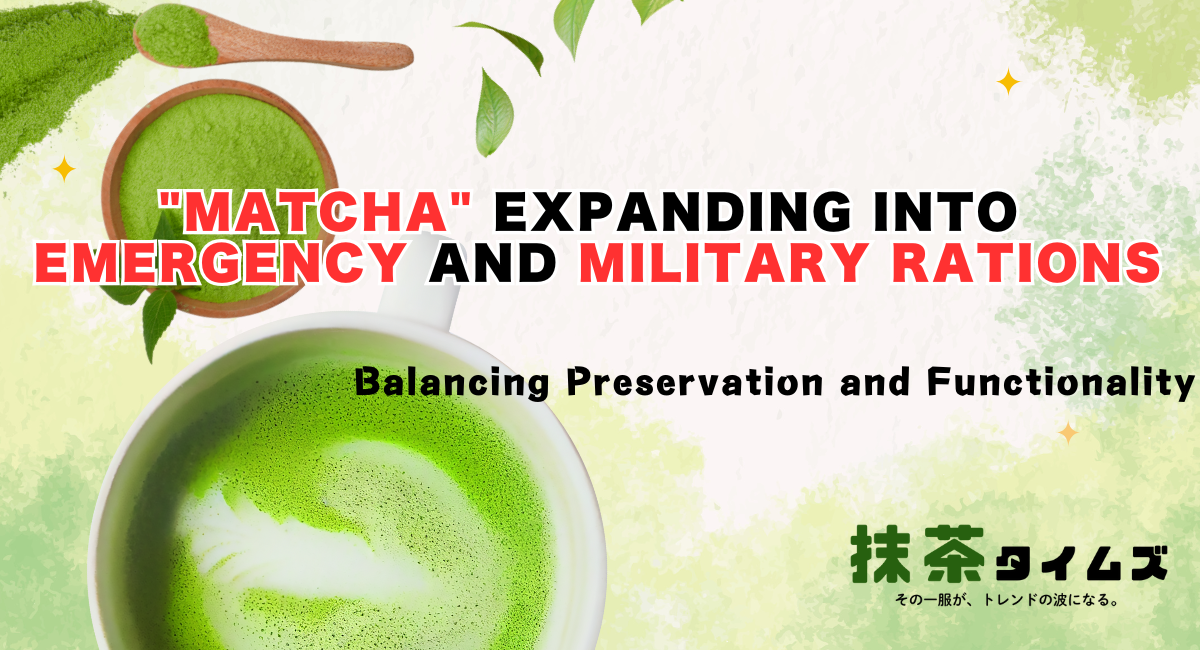
“Emergency food” and “military rations” attract attention from perspectives including earthquake and typhoon disaster risks, plus international security concerns. Common to these is long-term storage capability and high nutritional functionality. Recently, spotlighted as food satisfying these conditions is Japan’s proud superfood “matcha.” Beyond preservation through powder form, health effects provided by components including catechins, theanine, and caffeine are beginning to demonstrate new value in disaster preparedness and military settings.
This article explains in detail matcha’s utilization potential in emergency and military foods, plus market development as business opportunity.
\For Companies Seeking Matcha Powder/
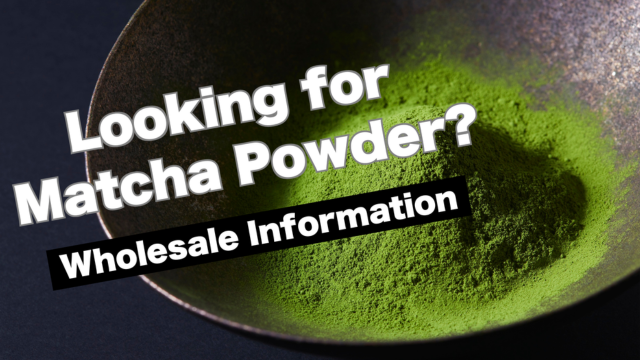
We source matcha from Japan’s premier production regions including Kyoto Uji, Kagoshima, Fukuoka, and Shizuoka, offering comprehensive grade ranges from organic JAS-certified ceremonial grade to processing-grade matcha.
Common Challenges:
- “We have projects but cannot secure stable matcha supply…”
- “We want to incorporate matcha into new café menu items!”
If you face these concerns, consult with Matcha Times. Feel free to contact us for initial inquiries.
Why Matcha Suits Emergency and Military Rations
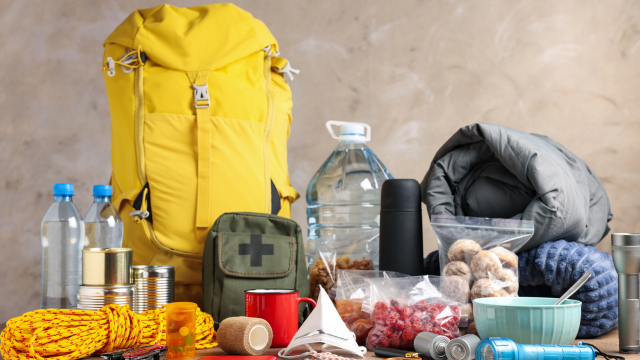
High Preservation Through Powder Form
Because matcha is tea leaves ground directly with stone mills into powder form, its major strength is being lightweight and compact for storage and transport. Even just a few grams contain abundant nutrients while occupying minimal space—ideal for disaster preparedness and military settings requiring stockpiling and portability.
Furthermore, combining aluminum packaging and nitrogen filling enables unopened preservation exceeding one year. Compared to typical liquid beverages or prepared foods, oxidation and deterioration risks are more easily suppressed as characteristics. Instantly consumable by dissolving in hot or cold water, the point of functioning even in environments with limited fuel or cooking equipment proves highly compatible as emergency/military rations.
Abundant Functional Components
Matcha is not merely a luxury item but functional food enabling complete intake of nutritional and functional components. Representative components include:
In disaster shelter living or military environments with continuous long-duration missions, foods simultaneously addressing fatigue, drowsiness, and stress are rare. Matcha can comprehensively cover these challenges, thus demand is considered increasingly rising.
Emergency Food Application Examples

Stockpile Matcha Drink Powder
Recently, some domestic manufacturers have developed matcha powder beverages dissolving quickly in water or hot water for disaster stockpiles. Small stick packaging or individual wrapping facilitates distribution during disasters, with anyone able to consume immediately as characteristics.
Traditional emergency foods centered on staple foods like alpha rice and crackers, with beverages typically being water and sports drinks. However, prolonged shelter living raises challenges of “taste monotony” and “nutritional imbalance.” Therefore, matcha powder beverages attract attention as new stockpile food balancing palatability with nutritional supplementation. Additionally, powder form’s lightweight and space-saving nature enables efficient storage in corporate and municipal stockpile warehouses.
Advantages for Children and Elderly
During disasters, providing meals to demographics requiring nutritional consideration like children and elderly becomes a major challenge. Lightly sweetened matcha lattes using matcha, or nutritionally fortified matcha jelly with added protein and vitamins, are forms these demographics can consume comfortably.
Additionally, matcha’s characteristic gentle bitterness and aroma can provide psychological effect of “easing emergency tension.” In shelter living, merely providing warm beverages provides significant reassurance, fulfilling roles as “psychological emergency food.” Particularly for Japanese, familiar matcha is easily accepted across generations, possessing advantages in drinkability.
Military Ration Applications
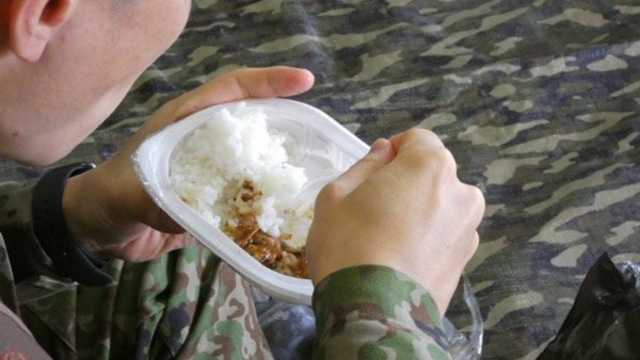
Concentration Maintenance and Fatigue Recovery Support
In military operations and long-duration missions, maintaining constant high concentration while avoiding crushing by extreme tension and fatigue is crucial. Traditionally coffee and energy drinks were frequently used, but caffeine alone risks excessively stimulating nerves, potentially causing anxiety and sleep disorders.
Beyond caffeine, matcha contains theanine—an amino acid that naturally balances “alertness” and “relaxation.” Recent research demonstrates theanine’s effectiveness for sustained concentration and stress reduction, with components easily compatible with “combat rations (MRE: Meals Ready to Eat)” improvements researched by US military and Self-Defense Forces. Consequently, matcha can provide ideal function of “suppressing drowsiness while preventing excessive tension,” considered useful for prolonged surveillance missions and nighttime operations.
Portability and Versatility
Military operations require lightweight, space-saving portable rations. Powdered matcha in stick-type or individual packaging enables soldiers to easily carry in pockets or equipment, proving extremely practical.
Furthermore, beyond dissolving in water or hot water as drinks, expandable to forms beyond “drinking” by sprinkling on bread or cereal, or using as flavoring for nutrition bars or soups. This adds variation to military rations that tend toward monotony, contributing to appetite maintenance and palatability improvement.
Actually, US military has introduced “alertness foods” as caffeinated gum and jelly, while British military provides tea bags. If matcha incorporates into military rations as stick powder or bar forms henceforth, possibilities exist for international adoption as naturally-derived option with low health risks.
Entry Opportunities and Market Scale

Emergency Food Market Expansion
Japan’s domestic emergency food market, according to Cabinet Office and private sector estimates, reaches annual scale around ¥100 billion, continuing expansion trends. Particularly since Great East Japan Earthquake, “stockpiling from 3 days to 7+ days” has become recommended for municipalities and companies, further increasing demand.
While traditional hardtack and alpha rice fulfill staple food roles, challenges exist regarding palatability and nutritional balance. Therefore, beverages and sweet-type emergency foods incorporating matcha satisfy three elements:
—enabling differentiation from conventional products. Additionally, powder form’s high storage efficiency provides advantages of reduced logistics costs and effective stockpile space utilization, easily appreciated by municipalities and companies.
Demand Trends in Military and Defense Sectors
Meanwhile, looking at military and defense sectors, combat ration (MRE) and functional beverage research and development advances centered on US military and Self-Defense Forces. Caffeine tablets and energy drinks widely used previously possess awakening effects but have raised concerns about side effect risks and dependency.
While naturally-derived, matcha is beginning evaluation for achieving “concentration maintenance with relaxation balance” through synergistic caffeine + theanine effects. Furthermore, powder form enables processing into diverse forms including drinks, bars, and jelly, with utilization expected in diverse situations including battlefields and exercises.
Particularly for overseas defense-related suppliers, Japanese-produced matcha represents raw material possessing the trifecta of “high quality,” “safety,” and “cultural brand value.” If movements utilizing matcha expand on both disaster and military market fronts henceforth, significant entry opportunities arise for food manufacturers and raw material supply companies.
Overseas Market Expansion Possibilities
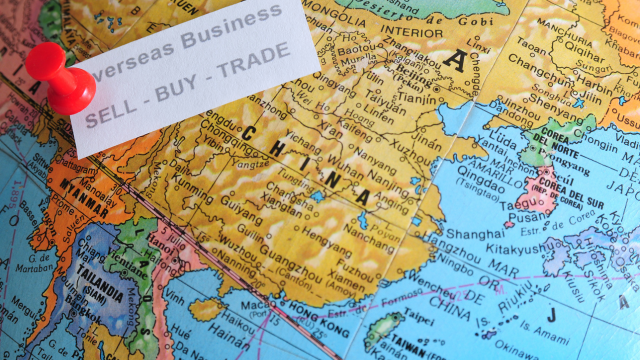
Beyond disaster preparedness and defense frameworks, matcha possibilities expand in outdoor/survival markets centered on Europe and America and health-conscious functional food markets.
For example in America, outdoor demand including camping and mountaineering is expanding, with emergency food and energy bar market scale reportedly exceeding $4 billion annually. Here, conditions of “lightweight,” “long-term storage,” and “high nutritional value” are emphasized, with matcha meeting all as suitable raw material. Actually, matcha-containing protein bars and energy drinks have begun selling in North America targeting mountaineers and trail runners.
Additionally, in functional food markets continuing growth centered on Europe (2025 forecast: $300 billion scale), “relaxed yet focused” effects through caffeine and theanine combinations become differentiation factors versus conventional coffee or synthetic supplements. Particularly promising are product developments targeting students, office workers, and night shift workers.
Furthermore, amid increasing natural disasters and social unrest, security-related demand (personal survival kits and household stockpiles) also expands. Matcha-using powder beverages and jelly are easily accepted on both fronts of “health-protecting reassurance” and “Japan-originated high-quality brand,” becoming differentiation points in overseas markets.
Business Opportunities for Manufacturers and Suppliers
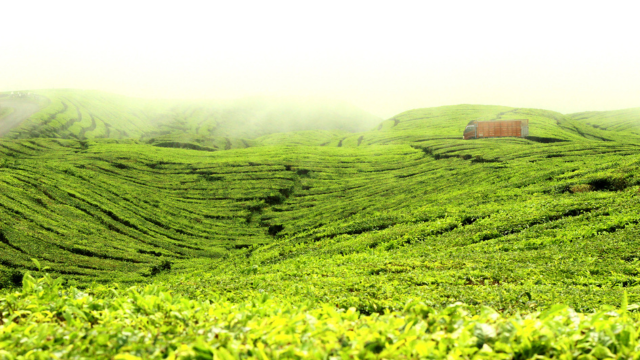
Emergency and military food market expansion means new product development fields for food manufacturers. Particularly OEM-format proposals prove effective, providing beverages, jelly, and nutrition bars using matcha powder as base material to municipalities and defense-related procurement companies. Combining with packaging technologies including small stick portions and retort pouches strengthens preservation and portability, enabling differentiation from existing stockpile foods.
Additionally, matcha’s “Japanese culture” and “clean, safe image” become major weapons for trading companies and distributors. In proposals to overseas buyers, matcha symbolizes “high-quality Japanese raw materials,” particularly demonstrating differentiation value in North American and European disaster preparedness, outdoor, and functional food markets.
Furthermore, suppliers have broad development scope including:
Such initiatives extend beyond mere “product supply,” also connecting to B2B marketing strategies elevating brand value.
For Those Wanting to Know More About Matcha

Matcha Times publishes not only B2B angles like emergency and military foods, but broadly disseminates matcha market trends, latest research, and cultural backgrounds. For those wanting deep knowledge of matcha’s future, please visit.
Summary
Matcha is rare food combining high preservation through powder form with synergistic functional component effects including catechins, theanine, and caffeine. These characteristics splendidly match “long-term storage,” “lightweight portability,” and “nutritional balance” demanded by emergency and military rations.
Domestically, municipal and corporate stockpile demand expands, while overseas, matcha utilization possibilities spread in outdoor and survival markets, plus defense-related supply chains. Henceforth, applications extending beyond disaster preparedness and military domains are expected in fields including health-conscious functional foods and international aid supplies.
“Preservation” and “functionality” achieving both—Japan-originated superfood: matcha. As presence supporting people’s health and reassurance even in emergencies, it conceals potential for pioneering new markets.
Recommended Article