
How University Students Can Start a Matcha Business: Step-by-Step Guide to Building Your Brand from Small Beginnings

University students worldwide are discovering entrepreneurial opportunities in the growing matcha market. With relatively low startup costs, flexible operations compatible with academic schedules, and booming global demand for matcha products, launching a matcha business represents an accessible entry point into entrepreneurship while still in school.
This comprehensive guide walks university students through the complete process of starting and growing a matcha business—from initial concept and product development through legal requirements, branding, marketing, and scaling. Whether you’re interested in creating matcha beverages, baked goods, cosmetics, or retail products, this step-by-step approach helps you launch sustainably while managing academic commitments.
Key Takeaways
- Start small with minimal investment: Begin with low-risk models like pop-up sales, online retail, or campus events
- Focus on a specific niche: Differentiate through unique products, sustainability stories, or target demographics
- Leverage student advantages: Access campus resources, student networks, and university support programs
- Understand legal requirements: Navigate food safety regulations, business registration, and liability considerations
- Build authentic brand identity: Create compelling stories that resonate with conscious consumers
- Use digital marketing effectively: Social media, influencer partnerships, and content marketing drive student businesses
- Plan for sustainable growth: Balance business development with academic responsibilities and future goals
- Learn by doing: Treat your business as practical entrepreneurship education with real-world application
\Recomended Article/
\For Companies Seeking Matcha Powder/

We source matcha from Japan’s premier production regions including Kyoto Uji, Kagoshima, Fukuoka, and Shizuoka, offering comprehensive grade ranges from organic JAS-certified ceremonial grade to processing-grade matcha.
Common Challenges:
- “We have projects but cannot secure stable matcha supply…”
- “We want to incorporate matcha into new café menu items!”
If you face these concerns, consult with Matcha Times. Feel free to contact us for initial inquiries.
Why Matcha Offers Opportunities for University Students

Starting a business with matcha might seem challenging, but today’s landscape provides significant opportunities specifically for university students. Driven by global health consciousness and the Japanese cultural boom, matcha has gained attention across beverages, sweets, supplements, and more product categories.っても参入の余地が大きい成長市場といえるのです。
Furthermore, systems that enable starting with limited capital have become increasingly accessible—including small-batch production through contract manufacturing, crowdfunding, and direct-to-consumer models via social media. In fact, numerous examples exist of students who launched matcha brands and grew them into popular cafes and direct-to-consumer businesses.
This article explains “how university students can start a matcha business” through concrete steps and case studies. After reading this, you should be able to envision a future where you grow your own matcha brand from small beginnings.
Why University Students Have an Advantage in Matcha Business
Matcha is experiencing a global boom. With its nutritional value as a superfood and abundance of focus-enhancing L-theanine and antioxidants, demand in health-conscious and wellness markets is rapidly expanding. Additionally, as an environmentally sustainable crop embodying the “wa” (harmony) elements symbolizing Japanese culture, it receives high praise centered in Western countries and Asia. Against this backdrop, matcha is even called “the next coffee,” representing a growth market with substantial room for entry, even for university students.
The particular strength of Gen Z lies in empathy-driven communication through social media. By sharing “the creation process” and “personal thoughts” on TikTok and Instagram, you can resonate with peers, turning followers directly into customers. Indeed, approaches like “matcha brands launched by university students” or “matcha stories connecting with fan culture” possess uniqueness that traditional large corporations cannot create, characterized by high viral potential.
Moreover, matcha business offers flexibility to start with small capital. Unlike traditional restaurant openings requiring substantial initial investment, using contract manufacturers makes it possible to produce from batches of dozens to hundreds of units. Combining with direct-to-consumer models, you can sell products through online shops or social media without owning physical stores, minimizing inventory risk.
In other words, while university students face the handicap of being “disadvantaged financially,” by leveraging era-appropriate methods like social media reach, small-batch production, and crowdfunding, they can actually gain significant advantages.
Business Models Accessible to University Students

Creating Products Through Small-Batch Contract Manufacturing
If you’re thinking “I want to try making a product first,” utilizing contract manufacturers is effective. In recent years, factories with minimum order quantities of dozens to hundreds of units have increased, making it possible to create products like matcha latte bases, matcha sweets, and matcha supplements with relatively limited capital.
Three key points for selecting manufacturers:
By addressing these points, even first-time student entrepreneurs can proceed confidently with minimized risk.
Crowdfunding for Simultaneous Funding and Customer Acquisition
Crowdfunding platforms like CAMPFIRE and Makuake are highly effective as means to raise funds while simultaneously acquiring customers. For food-related projects, stories like “sweets using regional matcha” or “sustainable brands challenged by students” tend to resonate and gather substantial support.
What matters is communicating not just product introduction but “why I’m doing this” as a narrative. Supporters invest not only in the product but in the challenge story itself.
Raising Capital from Venture Capital and Angel Investors
Even for student-founded businesses, cases of receiving investment from venture capital firms and angel investors have increased in recent years. Particularly, the “matcha” theme overlaps with investor interest areas like health, sustainability, and Japanese cultural export, making it an attention-grabbing field.
Student-specific strengths include:
Of course, when receiving investment, careful attention to equity ratios and management rights is necessary, but compared to crowdfunding, there’s the advantage of raising substantial capital in a short period. Early examples like Waseda-originated “TeaRoom” and overseas “Matchaful” rapidly grew through investment.
Direct-to-Consumer Brand Development Starting from Social Media
University students’ greatest weapon is social media. Using TikTok and Instagram to “storify” and share the manufacturing process and daily challenges can generate widespread empathy.
Particularly effective approaches:
- Videos showing behind-the-scenes manufacturing and preparation
- Sharing tasting events and genuine friend reactions
- Collaborations with micro-influencers
In an era where “relatability” matters more than large-scale advertising, students’ authentic, relatable communication becomes the optimal weapon for growing direct-to-consumer brands.
Real Examples of Successful Matcha Startups
Multiple success stories already exist for student entrepreneurship themed around matcha. Common across all cases is starting from “small challenges” and achieving significant growth by effectively utilizing social media, crowdfunding, and investment.
Cha Cha Matcha (NY): From Pop Culture × Matcha to Major Chain
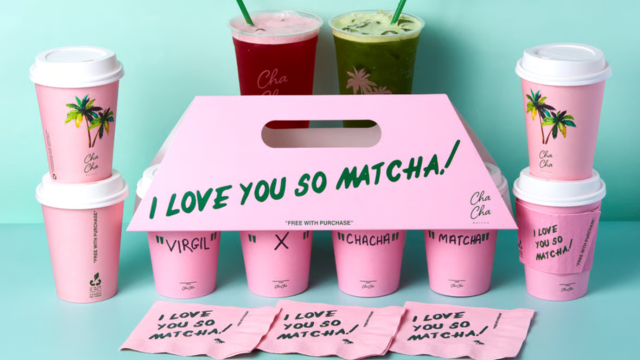
Cha Cha Matcha, launched by university students in New York, rapidly grew through pop design and “Instagram-worthy” strategies. By reinterpreting matcha as a “cool lifestyle drink” and successfully developing a cafe chain, celebrity and influencer patronage accelerated viral growth, making it now a representative American matcha brand.
Visit Cha Cha Matcha’s website: https://chachamatcha.com/
Senkyu (Japan): Expanding Empathy Through Fan Culture × Crowdfunding
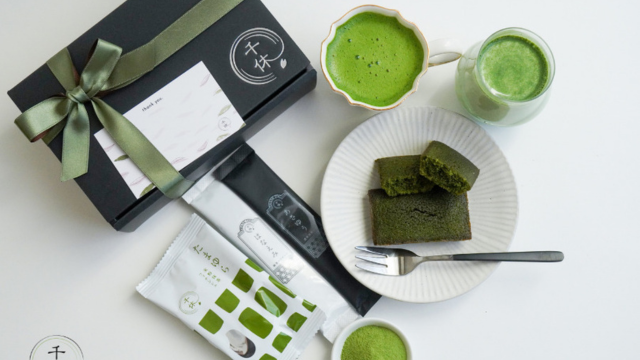
Senkyu, launched by Japanese university students, built a matcha brand inspired by an encounter with a favorite idol. Weaponizing “empathy storytelling” through continuous social media presence, they simultaneously achieved fundraising and fan building through crowdfunding. Subsequently expanding recognition through pop-up appearances and television features, they continue growing as a direct-to-consumer brand.
Visit Senkyu’s website: https://thankyou-cha.com/
Matchaful (US): Gaining Investor Support Through Sustainability Appeal
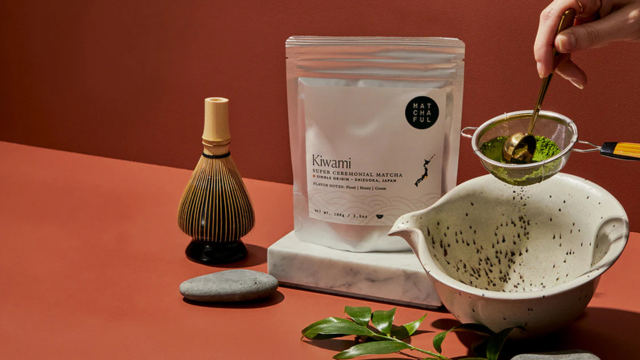
US-based Matchaful prominently featured “sustainable matcha,” targeting environmentally conscious demographics. By emphasizing direct contracts with producing farms and ethical sourcing, fusing health consciousness with eco-friendliness to secure investment, they established matcha as a “healthy and sustainable choice.”
Visit Matchaful’s website: https://www.matchaful.com/
Organic Matcha Cafe Nagomi (Shizuoka): Students Realizing Physical Stores from Zero
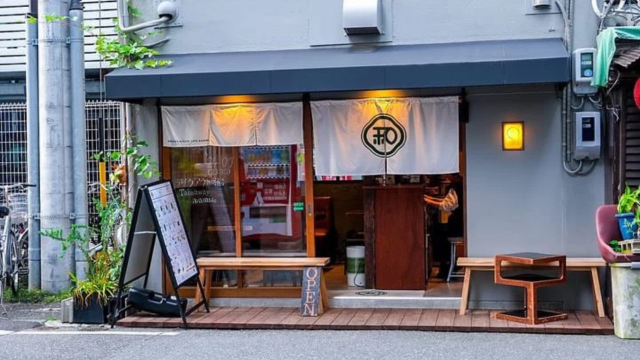
Organic Matcha Cafe Nagomi, launched by Shizuoka University students, gained attention as a physical store challenge. Starting from a kitchen trailer by leveraging crowdfunding and regional networks, surviving the COVID-19 pandemic to grow into a cafe, they proved the excellent example that “university students can operate real stores too.”
Visit Organic Matcha Cafe Nagomi’s website: https://nagomi-matchacafe.com/
Critical Points to Avoid Failure
While matcha entrepreneurship offers significant opportunities, proceeding without planning carries failure risks. Particularly in student entrepreneurship, many points easily overlooked due to knowledge or experience gaps exist, making it important to understand pitfalls requiring advance attention.
Inadequate Regulatory Understanding Is Fatal
In food business, you cannot avoid regulations like Food Labeling Act, Premiums and Representations Act, and Pharmaceutical and Medical Device Act. For example, casually stating “fatigue recovery” or “diet effects” can be deemed false advertising subject to penalties.
Student entrepreneurs tend to underestimate that “social media expressions” also fall under regulation. Always confirm administrative guidelines and request expert supervision for safety.
Clarifying Rights in Contract Manufacturing Agreements
When creating products using contract manufacturers, you must confirm at the contract stage how to handle trademark, design, and recipe rights. Without advance trademark registration for logos and package designs, risks of imitation by other companies exist.
Indeed, troubles like “names or logos registered first by others, making them unusable” are not uncommon. Protecting intellectual property at early stages is indispensable for brand growth.
\ This topic is explained in detail in the article below /
Don’t Underestimate Inventory Risk
Jumping into mass production from the beginning often leads to cash flow struggles from unsold inventory. In student entrepreneurship with limited capital reserves, starting from small-scale methods like test sales, pop-up appearances, and made-to-order production is essential.
Utilizing crowdfunding enables “understanding demand before production,” minimizing inventory risk.
Investment and Fundraising Pitfalls
When obtaining capital from venture capital or angel investors, caution is also necessary. Casually transferring equity ratios carries risks of losing your management rights. In student entrepreneurship, “wanting funds” often takes precedence, but carefully confirming contract terms is crucial. Rather than short-term capital, protecting your decision-making authority ultimately becomes the power to grow your brand.
For You Aspiring to Challenge Matcha Business

If you’ve thought “I want to try entrepreneurship with matcha,” today is that first step.
- Read related articles: Learn more about matcha direct-to-consumer success stories and market trends
- Seek consultation: Consultations about contract manufacturers and crowdfunding design are possible
- Check Matcha Times: Publishing latest matcha business information
We share information supporting your challenge at “Matcha Times.” Please use it as reference.
Summary | Matcha Entrepreneurship Starting from Small Steps
University students starting matcha businesses is absolutely not a pipe dream. In fact, numerous success stories have emerged from the simple three-step approach of creating products through contract manufacturing, acquiring customers and funding through crowdfunding, and spreading empathy via social media.
The keys to success lie in “storytelling” and “differentiation.” Which region’s matcha to use, how to appeal sustainability, or how to narrate “your own thoughts”—these unique perspectives become brand strengths, creating unparalleled value.
The matcha market continues expanding domestically and internationally, propelled by health consciousness and Japanese cultural tailwinds. With university students’ flexible thinking and social media communication power as weapons, small steps today hold the potential to eventually grow into major brands. Your current challenge is the first step toward tomorrow’s matcha business.
Recommended options
- UAE Matcha Market: Health, Luxury & Cultural Status Beverage Boom
 As global matcha booms spread, the United Arab Emirates (UAE) attracts particularly intense attention recently. Centered on Dubai, matcha lattes and matcha desserts establish in luxury hotels and cafes, with Japanese matcha import volumes reaching all-time highs. Centered on affluent demographics sensitive to health consciousness and wellness trends, plus younger generations disseminating information through SNS,… Read more: UAE Matcha Market: Health, Luxury & Cultural Status Beverage Boom
 - Taiwan Matcha Market: Early Asian Adopter with Japanese Brand Premium
 Among Japanese teas, matcha attracts particularly striking global popularity. Within this, Taiwan represents one of Asia’s earliest markets where matcha booms took root. Beyond tapioca milk tea and matcha lattes, Taiwan enjoys matcha surprisingly routinely spanning matcha desserts, matcha cafes, and even supermarket and e-commerce home-use matcha. Behind this lie rising health and beauty consciousness,… Read more: Taiwan Matcha Market: Early Asian Adopter with Japanese Brand Premium
 - New Zealand’s Matcha Boom: Quality × Experience Market with Health & Sustainability Synergy
 New Zealand (NZ) sees genuine “matcha boom” acceleration in recent years. Rising health consciousness, diverse milk culture, Asian food popularization, and maturing coffee culture overlap, with matcha lattes and matcha desserts increasingly establishing as everyday cafe menu staples. Particularly in Wellington and Auckland, authentic cafes using chasen and shops handling organic matcha increase. Healthy and… Read more: New Zealand’s Matcha Boom: Quality × Experience Market with Health & Sustainability Synergy
 - Nepal’s Matcha Scene: Early-Stage Growth Through Tourism & Wellness Culture
 Key Takeaways \Recommended Article/ \For Companies Seeking Matcha Powder/ Rising Matcha Interest and Background in Nepal Understanding Nepal’s matcha situation requires first grasping why matcha now attracts attention. Concluding directly, rising health consciousness and Japanese cultural admiration gradually drive matcha demand even in Nepal. Nepal traditionally consumed milk tea (chai) daily. However, recent years see… Read more: Nepal’s Matcha Scene: Early-Stage Growth Through Tourism & Wellness Culture
 - Kazakhstan’s Matcha Scene: Early-Stage Growth in Central Asian Hub Market
 Amid globally expanding matcha demand, many wonder “Is matcha consumed in Central Asia?” Concluding directly, Kazakhstan’s matcha market remains at very early stages, yet represents markets where buds certainly begin emerging centered on urban areas, youth demographics, and cafe culture. This article clearly explains Central Asia-specific matcha situations from perspectives including Kazakhstan’s food culture, matcha… Read more: Kazakhstan’s Matcha Scene: Early-Stage Growth in Central Asian Hub Market