Mexico’s Matcha Boom: Health Trends and Youth Culture Driving Demand
In recent years, matcha has been rapidly gaining popularity in Mexico, driven by health consciousness and youth culture. What was once found only in select upscale supermarkets and Japanese restaurants is now permeating cafés, dessert shops, and even home kitchens across the country.
This article explores the reasons behind Mexico’s matcha boom, current market expansion, café culture, home consumption trends, and business opportunities for Japanese brands. Understanding Mexico’s matcha landscape reveals new possibilities for matcha in global markets.
\Recommended Article/
\For Companies Seeking Matcha Powder/
We source matcha from Japan’s premier production regions including Kyoto Uji, Kagoshima, Fukuoka, and Shizuoka, offering comprehensive grade ranges from organic JAS-certified ceremonial grade to processing-grade matcha.
Common Challenges:
- “We have projects but cannot secure stable matcha supply…”
- “We want to incorporate matcha into new café menu items!”
If you face these concerns, consult with Matcha Times. Feel free to contact us for initial inquiries.
Why Matcha Is Gaining Attention in Mexico
In recent years, matcha has been experiencing rapid growth in popularity across Mexico. This surge results from a complex interplay of health consciousness, social media-driven trends, and influences from the American market. Here, we outline the main reasons behind this phenomenon.
Rising Health and Diet Consciousness
Mexico has high sugar consumption rates, with obesity and diabetes becoming significant social issues. As a result, “low-sugar” and “healthy” food alternatives are gaining attention, and matcha—with its antioxidant properties and metabolism-boosting caffeine—is embraced by young people as a “healthy and stylish choice.” Its applications in smoothies and lattes are particularly valued for being easy to incorporate into daily life without difficulty.
Influence from the American Market and Asian Trends
In neighboring United States, the matcha boom has continued since the 2010s, strongly influencing Mexico. Additionally, the influx of café culture from South Korea and Japan has positioned matcha as “Asia’s healthy beverage” in Mexican consumers’ minds. The expansion of American chain stores and Korean-style cafés into Mexico has further accelerated matcha’s popularity.
Current State and Expansion of Mexico’s Matcha Market
Mexico’s matcha market is expanding year by year through increased imports and diversification of sales channels. Once limited to Japanese restaurants and select upscale supermarkets, matcha is now rapidly spreading through urban café culture and online marketplaces. Here, we examine these market dynamics.
Current State and Expansion of Mexico’s Matcha Market
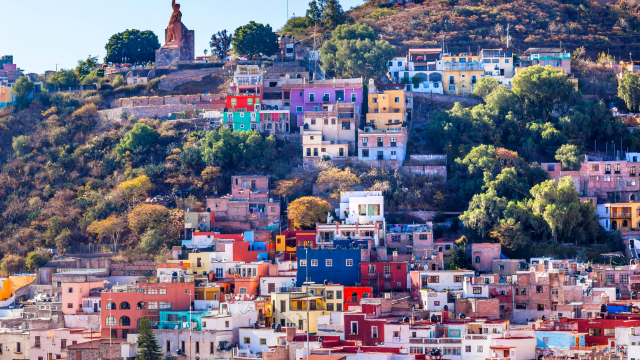
Mexico’s matcha market is expanding year by year through increased imports and diversification of sales channels. Once limited to Japanese restaurants and select upscale supermarkets, matcha is now rapidly spreading through urban café culture and online marketplaces. Here, we examine these market dynamics.
Matcha Import Volume and Market Trajectory
According to Ministry of Finance statistics, Japanese tea exports have grown significantly over the past decade, with this wave reaching Central and South America. Mexico stands out as one of the countries in the region showing particularly notable import growth.
MATCHA KAORI JAPANをはじめとする日本ブランドがメキシコに進出し、静岡や宇治といった産地ブランドを全面に打ち出したプレミアム抹茶を輸入。2020年以降、コロナ禍による健康志向の高まりを背景に「免疫」「美容」に良いとされる抹茶への需要が増加し、輸入量は右肩上がりに拡大しています。特に2022年以降は、オーガニック認証抹茶や機能性を訴求した商品が現地で注目を浴びています。
Japanese brands including MATCHA KAORI JAPAN have entered the Mexican market, importing premium matcha that prominently features regional brands from Shizuoka and Uji. Since 2020, demand for matcha—promoted for “immunity” and “beauty” benefits—has increased against the backdrop of heightened health consciousness during the COVID-19 pandemic, with import volumes trending steadily upward. Particularly since 2022, organic-certified matcha and products emphasizing functional benefits have attracted local attention.
Sales Through Supermarkets, Online Platforms, and Chain Cafés
In upscale supermarkets and department stores in Mexico City and Monterrey, Japanese matcha powder and tea bags are displayed on shelves, creating an environment where general consumers can purchase these products. Additionally, the matcha category on online shops and Amazon México has expanded, establishing a culture of easy home incorporation.
Furthermore, centered around Starbucks and Korean-style café chains, matcha lattes have become established as one of Mexico’s standard beverages. Popular especially among young people with high order rates, matcha has spread as a “standard category” on café menus. Increasingly, matcha is being adopted in derivative products like “Frappuccinos” and “smoothies.”
Presence of Japanese Brands and Local Brands
With market expansion, competition between Japanese brands and local brands has intensified.
Japanese Brands
MATCHA KAORI JAPAN and Shizuoka-origin brands leverage “high quality, safety, and authentic taste” as their strengths. They differentiate themselves by obtaining organic certifications such as USDA and JAS.
Local Brands
Mexico-origin brands like “Verde Matcha” and café-led original brands are emerging. They offer more accessible and affordable products, reaching young people and middle-income segments.
Challenges
Meanwhile, low-priced products and imitations from China and Korea also circulate, including products labeled “MATCHA” that don’t actually contain matcha. Paradoxically, this situation heightens demand for “authentic” products, which can work in Japanese brands’ favor.
Matcha Café Culture Centered in Mexico City and Guadalajara
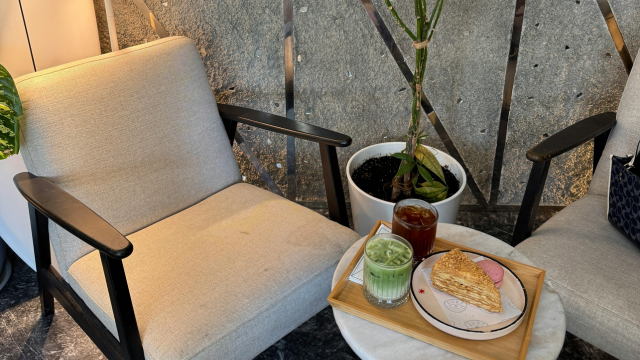
Urban café culture is driving matcha’s popularity in Mexico. The capital Mexico City and the second-largest city Guadalajara represent the forefront of the matcha boom. In these cities, cafés function not merely as dining establishments but as lifestyle and trend-launching venues for young people, with matcha serving as an iconic element.
Popular Café Examples (Matcha Lattes and Smoothies)
“Verde Matcha” in Mexico City and “Matcha Garden” in Monterrey are representative establishments authentically serving matcha. These venues use high-quality matcha imported directly from Japan, offering traditional lattes alongside smoothies and non-alcoholic cocktails.
Particularly popular are “matcha × fruit” arrangements. Mango matcha smoothies and berry matcha lattes—fusing matcha with Mexico’s fruit culture—offer uniquely local appeal. Beyond taste, their vibrant visual presentation is favored and shared on social media, further expanding demand.
Establishment of Matcha Sweets and Fusion Menus
In Mexico, Japanese matcha and local sweets are merging to create new food culture. A prime example is “matcha churros.” Freshly fried churros dusted with matcha sugar became a hit among young people after spreading on social media under “#matchachurros.”
Other innovations include matcha-infused traditional “tarts” and “conchas” (sweet bread), and even “matcha mole”—incorporating matcha into mole sauce, a Mexican culinary staple. These surprising fusion menus demonstrate how matcha is becoming embedded in food culture beyond beverages.
Trend Amplification Through Social Media and Youth Generation
Instagram posts tagged “#matchamexico” exceed hundreds of thousands, establishing matcha as a symbol of “stylish, healthy lifestyle.” Young people in Mexico City and Guadalajara enjoy drinking matcha lattes at cafés and posting photos on social media as a form of self-expression as “trend sharers.”
On TikTok, matcha dessert recipes and café tour videos have become popular content, spreading matcha as “culture worth trying” among youth. This viral power drives market growth, creating a flow where matcha demand extends from cafés into homes.
How Matcha Is Spreading in Home Settings
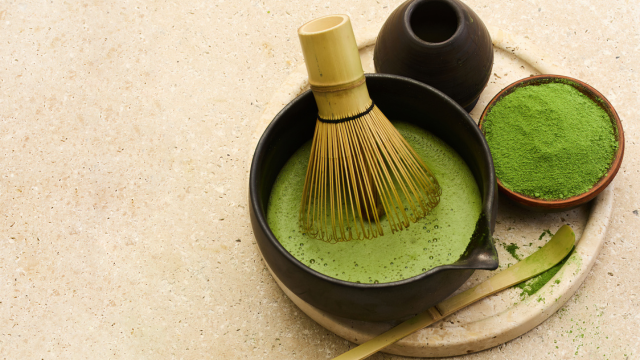
Matcha’s popularity in Mexico extends beyond cafés into home kitchens. Against a backdrop of DIY culture and rising health consciousness, a lifestyle of “making it yourself” and “incorporating it into daily life” is taking root. Here, we introduce how matcha is enjoyed at home.
Popularity of DIY Matcha Lattes and Smoothies
Homemade matcha lattes and smoothies are becoming household staples for health and beauty-conscious families. Using stick-type matcha powder or tea bags sold in supermarkets and online shops, these beverages can be easily prepared with just a shaker or blender, fitting seamlessly into busy daily routines.
Particularly popular are fruit combinations. Smoothies blending matcha with Mexican specialties like mango and pineapple are nutritionally balanced and vitamin-rich, establishing themselves as breakfast or light meal options. Social media posts tagged “#DIYmatcha” are increasing, spreading a lifestyle of enjoying café-like experiences at home.
Application to Sweets and Bakery (Bread, Tarts, etc.)
Matcha is also being incorporated into home baking. Adding matcha to muffins, tarts, and brownies creates a vibrant green color and subtle bitterness that adds special appeal to desserts.
Especially popular are adaptations of “conchas,” traditional Mexican sweet bread. “Matcha conchas”—kneading matcha into bread dough or topping with matcha cream—generate social media buzz for their unique appearance and flavor. Matcha is naturally integrating into home food culture, spreading as “everyday luxury.”
Proliferation of Convenient Stick and Tea Bag Products
In recent years, stick matcha powder and tea bag products have rapidly proliferated. Their convenience of “just dissolve in hot water or milk” to enjoy matcha has been well-received. They’re particularly popular among office workers and students as “portable matcha.”
Additionally, organic-certified products from Japanese and local brands are increasing, gaining support as items combining health imagery with convenience. This encourages repeat home purchases, driving matcha’s shift from “special luxury item” to “everyday beverage.”
Business Opportunities for Japanese Matcha Brands

The Mexican market holds significant potential for Japanese brands. Approaching through three key angles—”quality, culture, and health”—is crucial. Understanding local preferences and consumer culture while leveraging strengths determines success.
Demand for Premium and Authentic Matcha
Mexico’s affluent and health-conscious segments seek “genuine matcha, not cheap imitations.” Japanese regional brands like “Kyoto-origin” and “Shizuoka-origin” serve as powerful differentiators symbolizing quality assurance.
In upscale supermarkets and restaurants in Mexico City, products marked “using Japanese matcha” attract popularity. This represents more than just an ingredient—it’s received as an experience of “tasting Japanese traditional culture and quality.” Japanese brands have room to emphasize this “authenticity orientation” through ceremonial-grade and premium dessert-use offerings.
Health, Sustainability, and Organic Appeals
In Mexico, consumers who prioritize environmental consideration and organic certification are increasing. Matcha already carries strong “natural” and “healthy” imagery, and highlighting organic certification and sustainable production can enhance credibility in the local market.
A representative example is “MATCHA KAORI JAPAN.” This company has expanded Shizuoka organic tea into the Mexican market, establishing sales channels in local upscale supermarkets and department stores. Through seminars and demonstrations, they communicate matcha preparation methods and cultural background, permeating value beyond mere health food.
Collaboration with Cafés, Restaurants, and Dessert Brands
Mexico has a vibrant dining-out culture, with cafés and dessert shops serving as important lifestyle hubs for young people. Therefore, collaborative development with local brands represents the fastest route to spreading Japanese matcha.
Already gaining popularity are fusions with Mexican traditional foods like matcha churros and matcha tamales. Such integration with local food culture simultaneously offers “novelty” and “familiarity,” spreading explosively through social media. Partnerships with cafés, restaurants, and dessert brands can rapidly elevate matcha’s presence in the Mexican market.
Ready to Source Premium Japanese Matcha?

Expanding into Mexico’s growing matcha market requires reliable access to authentic, high-quality Japanese matcha. Whether you’re a café chain, restaurant group, food manufacturer, or retailer, we can help.
Contact us for:
- Sample requests for product evaluation
- Custom quotations based on your volume needs
- Information on organic certifications and documentation
- Guidance on grade selection (ceremonial to culinary applications)
Summary: Health and Youth Culture Power Mexico’s Matcha Market
Mexico’s matcha popularity results from the convergence of three forces: health consciousness, youth culture, and international trends. From urban café culture to home kitchens, matcha is already establishing itself as “part of a new lifestyle.”
Looking ahead, Japanese brands providing authentic premium matcha, products centered on organic and sustainable attributes, and collaborations with local desserts and restaurants will drive market expansion. The emergence of new food culture like matcha churros and matcha smoothies demonstrates matcha’s evolution beyond beverages into a carrier of global food culture.
Mexico’s matcha market remains a high-growth area worthy of attention.
Recommended Article