Singapore’s Matcha Market: Health Appeal, Cultural Connection & Premium Positioning
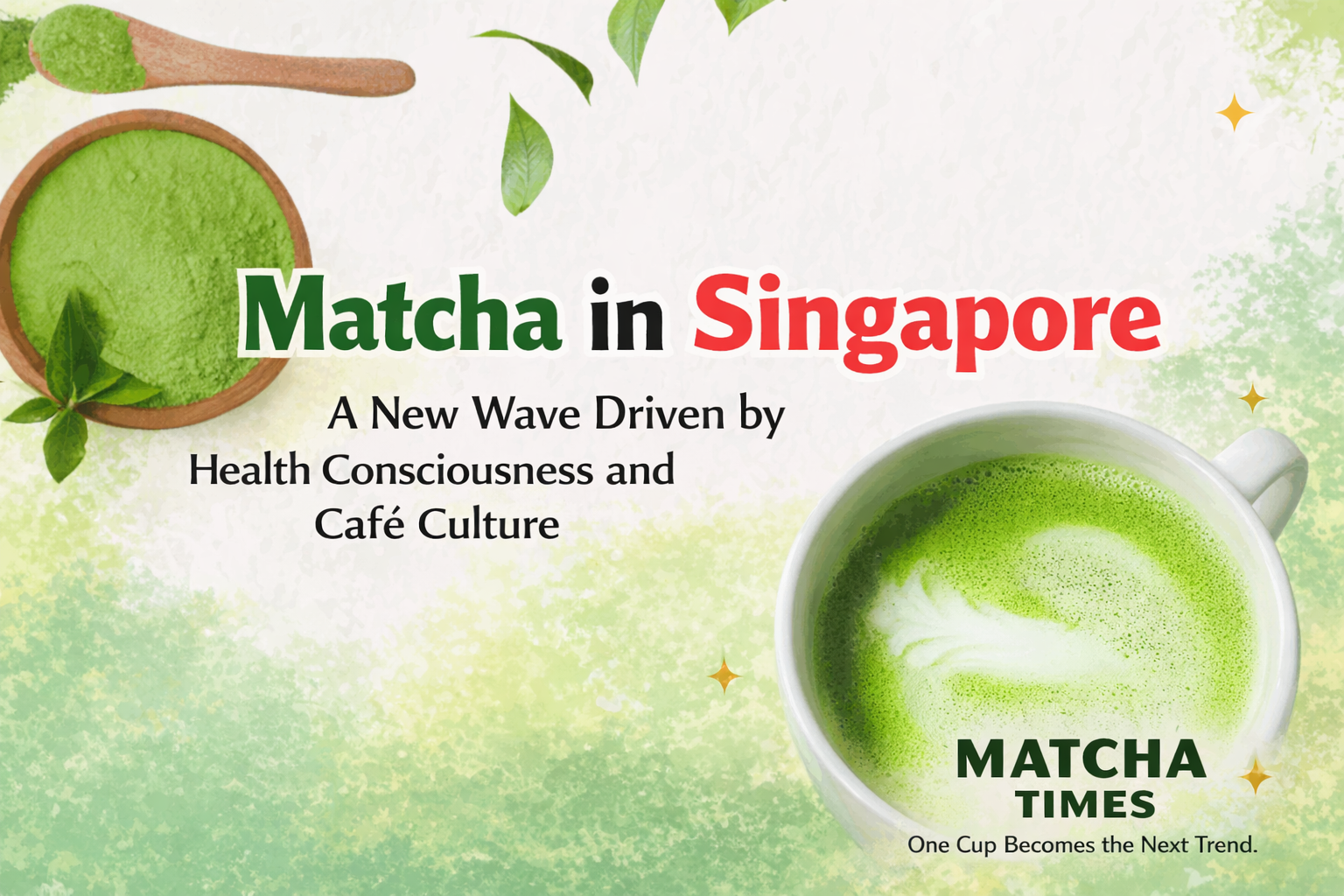
In recent years, Singapore has witnessed matcha gaining significant attention. Background factors include rising health consciousness, cafe culture penetration centered on SNS, and deep interest in Japanese culture. For local consumers, matcha transforms beyond mere trendy beverage toward existence enriching lifestyles.
This article thoroughly explains why matcha popularity spreads in Singapore, from market scale and growth potential to popular local cafes and business opportunities for Japanese brands—content useful for those seeking latest matcha trends and interested in overseas markets.
Key Takeaways
- Singapore’s matcha market expands rapidly driven by converging health consciousness, Instagram-worthy cafe culture, and deep Japanese cultural affinity
- Market demonstrates premium positioning potential with consumers valuing quality over price, willing to pay 7-8 SGD (700-800 yen) per matcha latte
- Nearly 100% import dependency creates clear segmentation: Japanese matcha commands premium high-quality positioning while Chinese matcha serves cost-conscious mass market
- Local innovators like KYŌ Kohee (using Wazuka Okumidori single-origin) and The Matcha Project (sugar-free Uji matcha) lead authenticity movement
- Japanese legacy brands (Ito En, Tsujiri) establish strong presence in malls and hotels, positioning matcha as cultural experience beyond beverage
- Strategic opportunities exist through premium quality positioning, tea ceremony cultural experiences, and cross-border e-commerce leveraging Singapore’s digital sophistication
\Recommended Article/
\For Companies Seeking Matcha Powder/
We source matcha from Japan’s premier production regions including Kyoto Uji, Kagoshima, Fukuoka, and Shizuoka, offering comprehensive grade ranges from organic JAS-certified ceremonial grade to processing-grade matcha.
Common Challenges:
- “We have projects but cannot secure stable matcha supply…”
- “We want to incorporate matcha into new café menu items!”
If you face these concerns, consult with Matcha Times. Feel free to contact us for initial inquiries.
Background of Spreading Matcha Popularity in Singapore
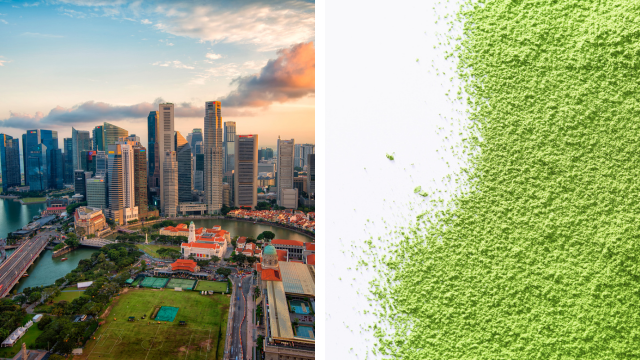
In Singapore, matcha popularity has rapidly risen over recent years. Reasons lie in converging rising health consciousness, cafe culture penetration centered on SNS, and deep interest in Japanese culture. For local consumers, matcha increasingly transforms beyond mere trendy beverage toward existence coloring lifestyles.
Rising Health Consciousness and Matcha
Known as a medically advanced nation, Singapore maintains exceptionally high citizen health consciousness with strong commitment to food selection. Within this context, matcha—noted for catechin antioxidant effects and theanine relaxation benefits—expands support precisely as a “healthy superfood.”
Particularly, sugar-reduced additive-free matcha lattes and matcha smoothies combined with protein or fruits enjoy favor from fitness-oriented youth and busy business professionals. Phrases like “unsweetened matcha” or “no added sugar” resonate with health-conscious consumers, actually increasing in popular cafe menus.
Cafe Culture and Instagram-Worthy Demand
Singapore represents a cafe paradise with stylish, accessible cafes dotting streets throughout the city. “Matcha” has joined cafe markets over recent years where coffee and bubble tea previously dominated.
One reason is Instagram-worthiness. Matcha’s vibrant green color enjoys particularly high popularity as shade appealing in SNS posts, with two-layer matcha lattes and matcha drinks featuring latte art capturing hearts of youth seeking photogenic content. Furthermore, matcha drinks served in transparent glasses simultaneously appeal to visual beauty and healthy impressions, spreading word-of-mouth effects centered on SNS.
Japanese Culture and Washoku Popularity Influence
Singapore is known as a pro-Japan nation, with numerous Japanese restaurants and Japanese brands establishing presence. Following food cultures like sushi and ramen, “matcha” has also taken root in Singapore’s dining tables and cafe culture.
Recent years see people who experienced Japan travel seeking “deliciousness of matcha tasted authentically,” increasingly visiting cafes providing authentic matcha locally. Indeed, cafes featuring authentic matcha lattes without sugar or flavoring disguises readily acquire repeat customers, concentrating popularity.
Thus, through overlapping three elements—health, trends, and culture—Singapore’s matcha popularity connects not to temporary boom but sustained market expansion.
Singapore’s Matcha Market Scale and Growth Potential

Matcha in Singapore evolves from mere preference items toward “health and lifestyle merchandise.” While market scale itself remains smaller compared to Japan or North America, consumer interest rises rapidly, with high growth rates drawing attention as “markets poised to grow.” Particularly, as a city-state, Singapore demonstrates rapid trend diffusion, also assuming roles as test markets for Asian markets.
Matcha Demand in Beverages and Desserts
Matcha menus at cafes and restaurants are already becoming standard products. Starbucks and local cafe chains establish matcha lattes and matcha frappuccinos as permanent menu items. Furthermore, popularity expands to desserts including matcha cake, matcha ice cream, and matcha tarts.
Particularly among women aged 20-30, acceptance as “healthy desserts with less guilt” represents a major characteristic. Compared to butter or chocolate, matcha receives recognition as “healthy” and “elegant,” with added value of “enjoying desserts while conscious of beauty and health” supporting markets.
Import Volume and Price Point Characteristics
Singapore conducts no tea production, making matcha nearly 100% import-dependent. Supply sources are primarily Japan and China, with clear segmentation progressing.
Actually, matcha lattes from Japanese brands cost 7-8 Singapore dollars (approximately 700-800 yen) per cup at premium levels, yet significant consumers accept this as “luxurious rewards.” Meanwhile, affordable daily matcha products predominantly utilize Chinese origin, showing polarization tendencies.
Future Growth Projections and Challenges
While Singapore’s matcha market anticipates continued expansion, several challenges exist.
- ① Recognition Gaps
- Consumers understanding differences between “authentic matcha” and “matcha-flavored powder beverages” remain limited to portions. Consequently, frequent cases exist where matcha becomes confused with “flavored beverages” colored with sugar and flavorings.
- ② Price Barriers
- High-quality Japanese matcha tends toward premium pricing influenced by import costs. Consequently, tendencies exist positioning matcha as special occasion choices rather than everyday enjoyment.
- ③ Education and Branding
- Necessity Future growth requires consumer education and branding as essentials. Communicating matcha’s nutritional value and cultural background enables differentiation from “cheap imitations,” with understanding value becoming keys to sustained growth.
Popular Matcha Cafes and Brand Examples
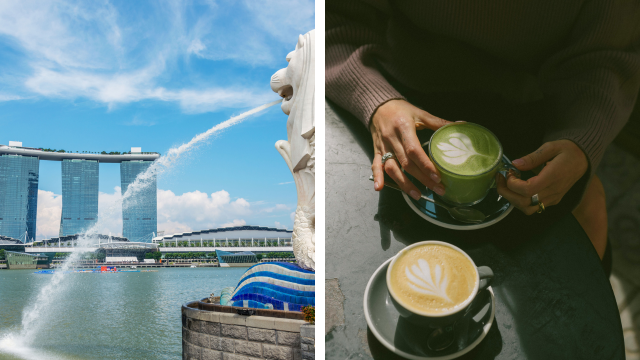
In Singapore, diverse players from locally originated matcha cafes to Japanese established brands energize markets. Each leverages distinctive strengths for differentiation, further enriching local matcha culture. Here we introduce noteworthy high-profile examples.
Local Cafes (Examples: Matcha Lattes, Matcha Desserts)
A notable locally originated matcha cafe is “KYŌ Kohee.” Using single-origin matcha “Okumidori” from Kyoto’s Wazuka-cho, it provides rich, authentic matcha lattes. Particularly, techniques using 5g+ matcha per cup and kneading like thick tea (koicha) demonstrate commitment rare even in Japan. Vibrant green matcha and rich flavors generate popularity, earning designation as “Singapore’s No.1 matcha latte” from local office workers and Japanese expatriates.
Another noteworthy example is “The Matcha Project.” Using Uji matcha while providing sugar-free matcha lattes gathers support from health-conscious demographics. In Singapore where cafe culture has taken root, “Instagram-worthiness” and “health” balance is demanded, with this store accurately addressing these needs, characteristically attracting many repeat customers.
Japanese Brand and Specialty Store Entry Examples
Japanese brand presence also proves strong, with established names including Ito En and Tsujiri establishing presence. Operating stores in shopping malls and luxury hotels, they provide local consumers with “peace of mind from Japanese quality.” Particularly Tsujiri deploys centered on matcha soft serve ice cream and matcha lattes, with strengths in recreating flavors experienced during Japan travel in Singapore.
Additionally, recent years see matcha specialty popup events and fairs held, with initiatives communicating Japanese tea culture through “experiential” approaches. This positions matcha beyond mere beverages as cultural experiences and luxury preference items.
Supermarket and E-Commerce Matcha Sales
Beyond cafes alone, environments enabling casual matcha purchase at supermarkets and e-commerce sites have developed. Major supermarkets like NTUC FairPrice and Cold Storage sell Japanese matcha powder and instant matcha lattes, enabling casual home enjoyment.
Furthermore, e-commerce malls including Shopee and Lazada feature matcha powder and matcha confections as popular categories, receiving particular support from demographics with Japan residence experience and health-conscious younger generations. With abundant word-of-mouth through SNS, online sales anticipate further expansion.
Business Opportunities for Japanese Matcha Brands

While Singapore’s market remains limited in scale, it represents an attractive market where high-value-added strategies sufficiently work. Consumer purchasing power is high, with penetrating values of “investing in quality goods,” establishing environments maximizing quality strengths that Japanese matcha brands possess.
Premium Demand for Hih-Quality Matcha
In Singapore, demographics definitely exist seeking “authentic matcha not disguised with sweetness.” Particularly, matcha clearly featuring origins and varieties readily gains acceptance as preference items with storytelling like wine or coffee.
For example, Kyoto Uji and Wazuka-cho single-origin matcha remain rare locally, with scarcity directly connecting to brand value. Ability to differentiate without falling into price competition represents major advantages for Japanese brands.
Tea Ceremony Experience and Tourism Content Integration
As a tourism nation attracting travelers worldwide, Singapore demonstrates extremely high interest in Japanese cultural experiences. Beyond merely selling matcha, combining tea ceremony experience workshops and Japanese confection pairing events enables consumers to enjoy matcha value through “experiencing” beyond “drinking.”
Additionally, high affinity exists with promoting Japan travel, potentially connecting to inbound demand through “tea ceremony experience in Singapore → next authentic Kyoto visit.” Positioning matcha as culture and tourism hub broadens brand experience scope.
Cross-Border EC and SNS Marketing Utilization
Recent years enable market entry without physical stores through leveraging cross-border EC and SNS marketing. Establishing presence on Southeast Asian e-commerce malls like Shopee and Lazada directly reaches local consumers. Additionally, communicating “matcha × lifestyle” through Instagram and TikTok readily gains younger demographic support as characteristics.
Particularly, Singapore as a digitally advanced nation demonstrates immense SNS information diffusion power. Collaborations with influencers and video content utilization sufficiently enable rapidly elevating brand recognition within short periods.
Learn More About Global Matcha Trends at Matcha Times

Singapore’s matcha situation holds significant potential for Japanese brands. However, did you know matcha booms rapidly spread not only across Singapore but throughout Europe, North America, and Asian countries?
“Matcha Times” publishes latest information on globally progressing matcha booms. Covering market data, brand examples, and farmer interviews, we provide comprehensive primary information on matcha. For those considering overseas expansion or new ventures, useful insights certainly await.
Summary: Singapore as Strategic Hub for Matcha Expansion
Singapore’s matcha popularity, through overlapping health consciousness, cafe culture, and interest in Japanese culture, rapidly grows over recent years. While market scale remains small, the greatest appeal lies in abundant high-purchasing-power consumers with “definite demographics who buy quality.”
Additionally, through local cafe and Japanese brand entry, matcha establishes itself shifting from “temporary trends” toward “lifestyle components.” Particularly, authentic-oriented proposals like single-origin matcha and sugar-free lattes represent powerful differentiation elements generating core fans.
Furthermore, Singapore assumes major roles as “strategic hubs” anticipating ASEAN country business deployment. Success cases here connect to peripheral country diffusion and cross-border EC expansion, becoming footholds for Japanese matcha brands to soar toward global markets.
For those wanting to experience authentic matcha and know latest matcha market information, please visit “Matcha Times.” We broadly publish from local reports to market analysis and brand examples.
Also recommeded