Will Cold Matcha Take Off in Arizona? Inside the Phoenix & Scottsdale Café Market
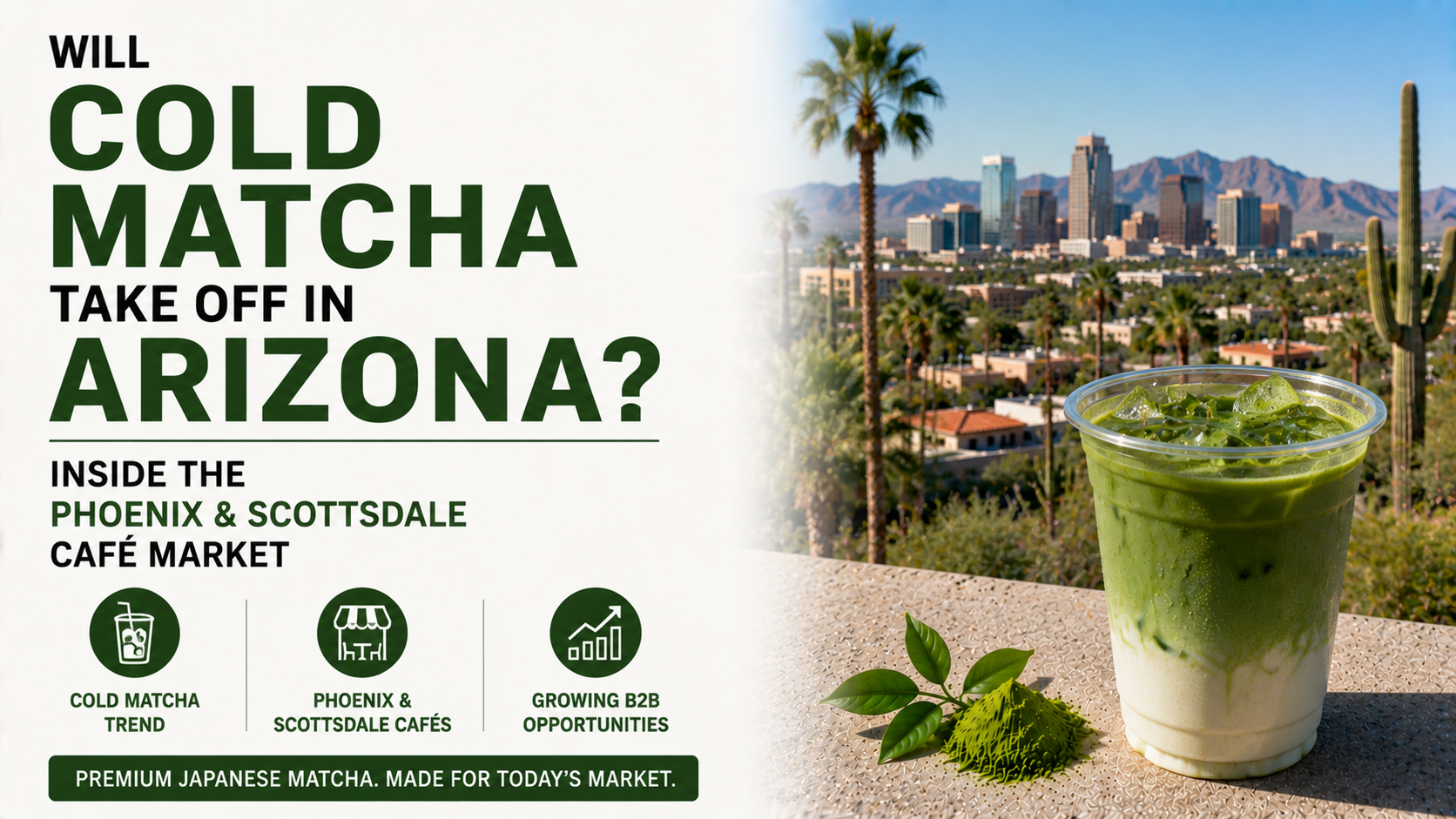
Scorching-hot Phoenix and affluent, resort-driven Scottsdale sit in one of the hottest corners of the United States. And right there, in the Arizona desert, demand for cold matcha drinks is quietly taking off. This article reads the Phoenix and Scottsdale café market through three lenses — climate, population, and consumer trends — and lays out a practical, export-side view of how to enter it with Japanese matcha.
For Companies Seeking Matcha Powder
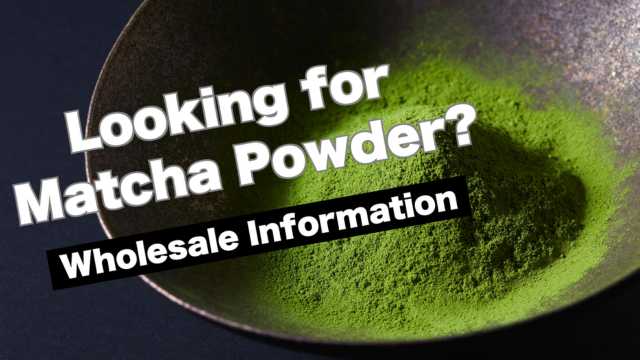
We source matcha from Japan’s premier production regions including Kyoto Uji, Kagoshima, Fukuoka, and Shizuoka, offering comprehensive grade ranges from organic JAS-certified ceremonial grade to processing-grade matcha.
Common Challenges:
- “We have projects but cannot secure stable matcha supply…”
- “We want to incorporate matcha into new café menu items!”
If you face these concerns, consult with Matcha Times. Feel free to contact us for initial inquiries.
\Read Also/
Why Cold Matcha Is Gaining Ground in Arizona

Metro Phoenix is an extreme-heat outlier even by U.S. standards. In 2024 the city logged 70 days at or above 110°F (43°C) and a record 113 consecutive days at or above 100°F. The summer of 2025 ranked as the fourth-hottest on record, confirming that this heat is a structural feature of the climate, not a passing spell.
That climate pushes beverage consumption firmly toward cold. Surveys show about 68% of Gen Z prefer cold drinks year-round, and 56% of their beverage orders are cold. In a place where iced drinks lead all year, Arizona is an unusually strong fit for iced matcha lattes and cold-brew matcha.
Population momentum adds to the tailwind. Metro Phoenix reached roughly 5.22 million people in 2025, growing 1.14% year over year — well above the 0.52% national rate — a pace among major metros trailing only Dallas and Houston. With the market itself expanding, now is an ideal moment to introduce a new product.
The data backs the trend. The U.S. matcha market is projected to grow from about USD 164 million in 2024 to roughly USD 340 million by 2033, a CAGR of 8.5%. Younger consumers increasingly choose tea-based drinks over coffee, and matcha is shifting from a novelty to a core café staple. Arizona — where population, climate, and generational taste all align — is an ideal landing spot.
Underneath it all is a rising focus on wellness. Because matcha pairs caffeine with L-theanine, it delivers a calmer lift than coffee, and younger drinkers embrace it as the “no-crash cup.” Its antioxidants and natural sweetness suit low-sugar lifestyles, and answer the desire to take in hydration and nutrition at once in a dry climate. This is habit-rooted demand, not a fad.
But Delivering Japanese Matcha to the Desert Isn’t Simple
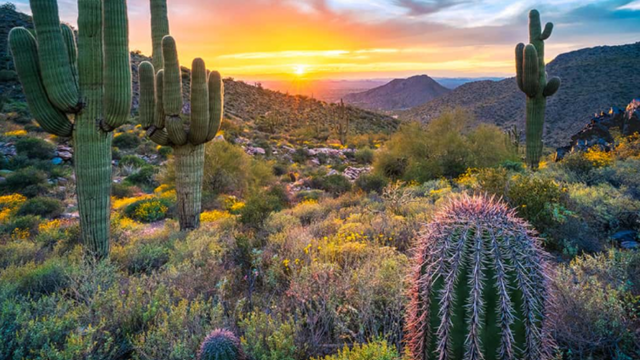
Strong demand doesn’t make entry easy. Matcha is inherently sensitive to heat, light, oxygen, and humidity, and preserving its vivid green and umami takes rigorous temperature control. In Arizona’s brutal summer logistics, color fading and flavor loss during transport and storage become real risks.
Supply is tight, too. Environmental factors cut Japanese matcha yields in 2025 by an estimated 20–30%, intensifying competition for quality leaf. Chase the lowest price and you may fail to secure your desired lots in peak season.
Desert logistics deserve special attention. Truck cabins and containers heat up fast in summer, and without temperature control both aroma and color are compromised on arrival. Beyond cool storage, whether you can design packaging and shipping routes that “beat the heat” is what separates quality outcomes in this market.
For the U.S., compliance with pesticide residue limits (MRLs) and FDA food-safety rules is mandatory. Leaf that can’t clear them never reaches the shelf, no matter how good it tastes. Brands built on organic or clean-label claims especially cannot skip full disclosure and certification. Quality, supply, and regulation must be cleared at once.
\Read More/
→ Matcha Export Isn’t Easy: How FDA and EU Regulations Impact Matcha Brand
Analyzing the Phoenix and Scottsdale Café Market
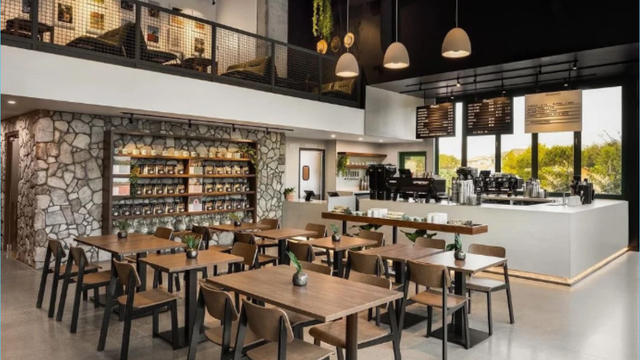
Phoenix and Scottsdale have very different personalities, and understanding that gap is the first step in product design.
Phoenix is the fifth-largest city in the U.S., with young households still pouring in via Sun Belt migration. Affordable, photogenic iced matcha lattes and fruit-matcha drinks align with Gen Z and Millennial café demand. Scottsdale, by contrast, is a high-income resort-and-spa town where wellness-minded premium and ceremonial-grade matcha finds fertile ground.
| Axis | Phoenix | Scottsdale |
|---|---|---|
| City profile | Fast-growing major city | High-income resort town |
| Core customers | Gen Z & Millennials | Affluent, wellness-minded |
| Best-fit products | Iced matcha latte, fruit matcha | Premium / ceremonial matcha |
| Price band | Value to mid | Mid to high |
Across the U.S. matcha market, about 58% of sales flow through cafés and e-commerce, making the in-store cup the starting point of the brand experience. In Arizona, too, a strategy centered on wholesale matcha for cafés is effective.
Major chains — Starbucks, Dunkin’, Blank Street, Peet’s — have already made matcha a standard line. One emerging coffee chain reported iced-beverage sales up 227% year over year after adding matcha lattes and lemonades. Cold matcha is maturing into a product that drives both traffic and upsell.
The Seasonality You Can’t Ignore: Summer Heat and Winter Snowbirds
Arizona has a distinctive seasonality. Summer heat drives iced demand to its peak, while from October through April, long-stay visitors from the north — the “snowbirds” — flood in seeking mild weather.
These winter visitors skew older and affluent, so premium matcha demand climbs at resorts, spas, and golf-adjacent cafés in Scottsdale during that window. In effect, Arizona is a two-tier market: cold, high-volume demand in summer and premium, tourism-driven demand in winter.
Align inventory to that rhythm — more cost-efficient culinary grade in summer, more ceremonial-leaning stock in winter — and you cut lost opportunity across the year. That is exactly why an uninterrupted supply partner becomes so valuable.
Overlooked Points When Sourcing Matcha for Arizona
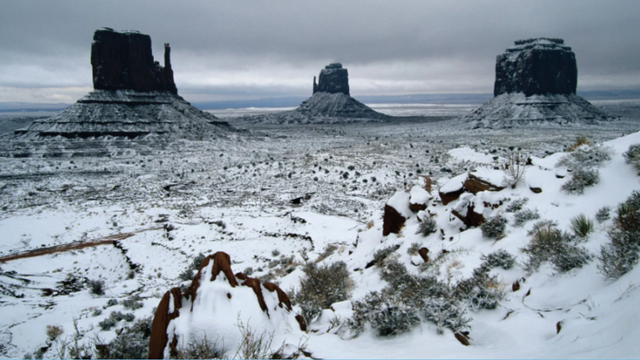
Here are the points most easily missed when shipping matcha into extreme heat — three conditions to lock in before you enter.
- Quality preservation built around temperature control: fresh leaf selection and heat-resistant packaging and shipping are essential.
- Color in iced and milk-based drinks: choose leaf that stays vividly green — not dull — when dissolved in cold water or milk.
- Blend design matched to use: lattes want umami and body; lemonades and sodas want a clean finish. The ideal blend changes by menu.
These are hard for a local buyer to solve alone, and a partner who designs origin, grade, and packaging with you from the export stage makes the difference.
In practice, exchanging a reference sample before the first import — then confirming that production lots hit that benchmark color and taste — is effective. That small step heads off the claims and returns that so easily rack up costs in extreme-heat regions.
How Savvy Buyers Choose Leaf for Cold Matcha

Experienced buyers judge leaf on more than a price list: vividness of color, ease of dissolving in cold water and milk (resistance to clumping), the balance of astringency and umami, and consistency lot to lot.
For cold drinks especially, looks drive sales, so whether you can reliably reproduce a share-worthy vivid green is decisive. For a generation that photographs the cup before drinking, a dull green is a reason not to buy.
A supplier that discloses COA and residue data and supports organic certification sharply lowers post-entry risk. Whether export standards are met from day one is a real test of a partner you can work with for years.
Price judgment matters, too. Phoenix’s volume venues lean on cost-controlled culinary grade, while Scottsdale’s premium venues reward the depth and aroma of ceremonial grade. The same “matcha” calls for very different grades and price bands by venue — so choose on value-for-use, not lowest unit cost.
Cold Matcha Menu Formats That Win in Arizona
To make entry concrete, here are cold-matcha menu formats suited to Arizona’s climate and clientele. Your lead menu shapes the character of leaf you should buy.
- Iced matcha latte: paired with dairy or plant milk, the vivid green layers look great — a volume-café staple.
- Strawberry matcha latte: the red-and-green contrast spreads well on social media and pulls in younger crowds.
- Matcha lemonade: a refreshing option built for the heat; leaf with a clean finish works best.
- Matcha cold brew: cold steeping softens caffeine, letting clean, high-quality leaf shine.
- Matcha protein shake: a growing category in wellness-driven Scottsdale and gym-adjacent cafés.
Every one of these depends on leaf that keeps its color and umami even cold. Once the menu format is set, the required grade and blend narrow themselves down — and getting the leaf wrong means no recipe can save the cup.
Why Buyers Choose the Japan Matcha Export Organization (JMEX)
As a supply partner that meets these conditions, we introduce the Japan Matcha Export Organization (JMEX). Three reasons stand out.
- Origin recommendations matched to use: drawing on the traits of Uji, Shizuoka, Kagoshima, Yame and more, JMEX builds the right grade for iced-latte or premium applications.
- Command of export standards in each market: aligning COA, residue data, and organic certification to EU, FDA, Taiwan TFDA, and Singapore SFA rules so documents carry the product all the way to the shelf.
- A track record of stable supply: JMEX holds export experience across 43 countries, delivering uninterrupted volume from 10 kg to 1 ton per month, even in peak season.
For buyers building around cold matcha, JMEX is reassuring because it selects leaf for color and solubility in iced and milk-based drinks, working back from the menu concept to match origin and grade. Because quality holds from sample through post-contract, it avoids the classic “the prototype looked great but the color changed at scale” failure.
JMEX can also track the flow from origin through processing to export, keeping lot-to-lot variation in check. It supports starting small and scaling as response builds, so even first-time buyers of Japanese matcha can validate with limited risk.
Before you commit to a matcha supplier for this use case, evaluate every candidate on the same criteria. Use the checklist below when you request quotes and samples.
| Criterion | What to verify with any supplier |
|---|---|
| Grade & origin options | Confirm the grade range (ceremonial to culinary) and origin/cultivar options matched to your application. |
| Export & safety documentation | Request per-lot COA and the export, customs and food-safety documents your destination market requires (MRL/limit matching). |
| Lot flexibility & MOQ | Check the minimum order quantity, trial-lot/sample availability, and the ability to scale from a small start to larger volumes. |
| Application performance | Test performance in your own product — colour, flavour, milk compatibility, solubility/dispersion, and heat/colour stability. |
| Export track record & references | Ask for export track record and references in your target market(s). |
Apply this checklist to each supplier on your shortlist and decide on current quotes, samples and documentation. JMEX (Japan Matcha Export Organization) is an export-focused Japanese matcha supplier with export experience to 43 countries; you can request pricing and terms directly and assess it against the criteria above.
A Sourcing Roadmap to Get Cold Matcha Off the Ground
Finally, here is a sourcing roadmap for succeeding with cold matcha in Arizona.
- Define the target: aiming at Phoenix’s volume cafés or Scottsdale’s premium venues changes the grade you choose.
- Evaluate samples for use: test in iced and milk-based forms and check color, solubility, and taste.
- Verify export documents: confirm COA, residue data, and certifications are in place in advance.
- Move from test to full order: start with a small lot, watch the response, then scale to demand.
Designing this flow with a partner from the export stage makes it far easier to get a cold-matcha menu off the ground while holding quality in extreme heat. Starting small and scaling on real response lets even a lean team build a large account steadily.
Learn More About Global Matcha Trends at Matcha Times

UK-spreading matcha booms result from overlapping health consciousness, Japanese culture popularity, and lifestyle transformations. However, matcha’s appeal and potential still lie ahead. Knowing latest trends across countries and Japanese tea region initiatives reveals matcha’s deeper dimensions.
Matcha Times broadly publishes from matcha market analysis to cafe situations and farmer interviews. Won’t you also take this opportunity to deeply explore matcha’s world? The more you know matcha, the more surely its charm will draw you in.
Conclusion: In a City This Hot, Cold Matcha Becomes a Weapon
Arizona is one of the hottest regions in the country, and that is exactly why cold matcha has the potential to become an everyday choice. Phoenix’s growing volume demand and Scottsdale’s wellness-rooted premium demand — Japanese matcha answers both tiers as a vivid, healthy cup. Its caffeine-and-L-theanine calm and antioxidants also resonate with health-conscious Arizona consumers.
Crucially, Arizona’s cold-matcha market is still early. Just as big chains standardize matcha, there is ample room to differentiate with Japanese matcha that carries its own quality and story. The players who move early claim the stronger position in a growing market.
The keys are quality preservation that beats the logistics of extreme heat, color that pops in cold drinks, and stable, standards-compliant supply. Choosing a partner who designs all of this with you from the export stage is the shortest path into the Arizona market. In a scorching city, a vivid, cold cup is a genuine edge — start with a small sample and feel the response for yourself.
Looking for wholesale or OEM matcha samples? Contact us — we will recommend the optimal origin and grade based on your application and target markets.
Related Articles