Matcha for Cafés in the USA: Grade, Dosing, Cost per Cup & Sourcing (2026)
The right matcha for cafes USA operators serve is café or latte grade, not ceremonial: a bold, vivid green matcha whose flavour and colour carry through milk and ice, at a price that makes a latte profitable. Ceremonial grade is built to be whisked with water, and its delicate umami is largely masked by milk — so for volume drinks it is over-spec and over-cost. This guide helps US cafés, multi-location groups, and café-supply distributors choose, dose, and cost matcha for the menu.
Key Takeaways
- Use café / latte grade for milk and iced drinks; save ceremonial for straight-whisked service.
- A café latte typically uses about 2 g of matcha, with bolder builds at 3–4 g — a range, so use a scale for consistency.
- Cost per drink follows a simple formula: dose (g) × landed cost per gram — no guesswork needed.
- Demand is strong but supply is tight — 2025 saw a record tencha price spike — so lock volume with a reliable supplier.
- Request a spec sheet (grade, origin, particle size, COA, shelf life, packaging) before you commit.
For Companies Seeking Matcha Powder
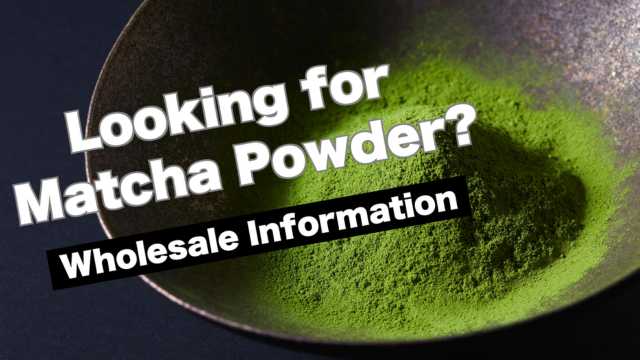
We source matcha from Japan’s premier production regions including Kyoto Uji, Kagoshima, Fukuoka, and Shizuoka, offering comprehensive grade ranges from organic JAS-certified ceremonial grade to processing-grade matcha.
Common Challenges:
- “We have projects but cannot secure stable matcha supply…”
- “We want to incorporate matcha into new café menu items!”
If you face these concerns, consult with Matcha Times. Feel free to contact us for initial inquiries.
\Read Also/
→ What Is Matcha Wholesale? A Complete Guide to Suppliers, Pricing & Sourcing
Which grade should a café use?
Match the grade to the drink. For a milk-based or iced menu, café/latte grade wins on flavour delivery and cost; ceremonial is for the rare straight-whisked signature drink.
| Grade | Best café use | Why |
|---|---|---|
| Ceremonial | Straight-whisked signature only | Delicate umami masked by milk; costly |
| Café / latte | Everyday lattes, iced, blended | Bold colour & flavour through milk |
| Culinary | Baking, sauces, sweets | Robust, cost-efficient for cooking |
Choosing café grade for the milk menu is usually the biggest quality-per-dollar decision a café makes.
\Read More/
→ The Matcha Supply Chain Anatomy: Understanding the 12-Layer Structure from Farm to Cup
How much matcha per drink, and what it costs
Dosing drives both taste consistency and cost. A common café baseline is about 2 g per latte, with bolder houses using 3–4 g; iced drinks often sit around 2–2.5 g. Because a level teaspoon (~2 g) and a heaped one (~3 g) differ by roughly 40%, weigh the dose rather than scoop it.
Cost per cup is a formula, not a mystery — plug in your own quoted numbers:
| Step | Formula | Uses your inputs |
|---|---|---|
| Landed cost per gram | (wholesale $/kg + freight + duty) ÷ 1000 | Your quote |
| Cost per drink | dose (g) × landed cost per gram | 2–4 g dose |
| Matcha kg per month | (drinks/month × dose g) ÷ 1000 | Your volume |
We deliberately publish the method, not invented dollar figures — plug in a real quote to get a trustworthy number. For volume tiers, see the MOQ guide.
Demand and supply: why sourcing reliability matters now
US café interest in matcha is strong and broad, but the supply side is tight. Kyoto tencha auction prices hit a record in 2025, up roughly 170% year-on-year (Reuters), and the wider US matcha market was about US$164.2 million in 2024, growing 8.5% a year (Grand View Research). For a multi-store café or a distributor, that combination makes a supplier who can hold volume and quality more valuable than the lowest headline price.
Iced, oat milk, and menu positioning
Most US matcha volume is not a hot ceremonial bowl — it is iced lattes and plant-milk builds, and the matcha for cafes USA menus lean on has to perform there.
- Colour that survives ice and dilution — a vivid green café grade still reads as “matcha green” once poured over ice.
- Solubility for speed — a finely milled café grade disperses fast in cold milk during a rush.
- Oat and other plant milks are sweeter and can mute matcha, so a bolder café grade holds its flavour.
- Menu positioning — a signature matcha line (iced, flavoured, or seasonal) lifts average ticket and repeat visits.
Because these builds dominate volume, dialing in one reliable café grade across the menu keeps quality consistent and simplifies ordering.
Storage and handling for consistent cups
Matcha is delicate. Protect colour and flavour across a busy service:
- Store airtight, cool, and away from light and oxygen to slow oxidation and colour fade.
- Set par levels so open packs are used quickly; rotate stock.
- A chasen whisk or an electric frother both work — a frother speeds volume service.
- Softer water generally gives a cleaner colour and flavour than hard water.
The café buyer’s spec checklist
Ask every prospective supplier for these before you commit a menu to their matcha:
- Grade (café/latte) stated clearly
- Origin / prefecture named
- Harvest date
- Particle size (micron or mesh)
- A measured colour value if available
- Lot-matched COA (pesticides, heavy metals, microbiology)
- Shelf life
- Packaging sizes (e.g. 500 g / 1 kg)
- Minimum order quantity
- Landed price per kg including freight and duty
- Reorder lead time
- Batch-consistency guarantee
Why Buyers Choose JMEX (Japan Matcha Export Organization)

US cafés and distributors work with JMEX (the Japan Matcha Export Organization) for latte-grade matcha that stays consistent from the first cup to the thousandth.
JMEX supplies café/latte-grade matcha milled for colour and flavour through milk, with lot-matched COAs and packaging built for foodservice, backed by a verified export track record to 43 countries. For a multi-store group or a café-supply distributor, that means dependable volume and a cup that tastes the same across every location.
FAQ: Matcha for Cafés in the USA
The questions US café buyers ask most when adding or switching a matcha.
Ceremonial or café grade for lattes?
Café / latte grade. Its bolder flavour and colour read through milk, while ceremonial’s delicate umami is masked and its cost is unjustified for volume drinks.
How much matcha goes in a latte?
About 2 g as a baseline, 3–4 g for a bolder cup; iced around 2–2.5 g. It is a range, so weigh the dose for consistency.
Why is matcha harder to get in 2025–2026?
A tight harvest pushed Kyoto tencha auction prices up about 170% year-on-year in 2025 (Reuters), so reliable volume supply now matters more than a low quote.
What MOQ should a café expect?
Many suppliers start around 500 g–1 kg for independents; multi-store groups and distributors buy in larger tiers — see the MOQ guide.
What should I request from a supplier?
Grade, origin, harvest date, a lot-matched COA, particle size, shelf life, and a landed price per kg including freight and duty.
Learn More About Global Matcha Trends at Matcha Times

Matcha Times is a specialist media platform covering the global matcha market — sourcing and wholesale, supply and pricing, trade and regulations, production and origins, and the companies shaping the industry.
From market analysis and price trends to café case studies and interviews with tea farmers, we help buyers, importers, distributors, and manufacturers stay ahead of where matcha is heading. Explore more and put the global matcha market to work for your business.
Conclusion
For US cafés, the winning matcha is café grade, dosed on a scale, costed with a simple formula, and bought from a supplier who can hold quality and volume through a tight market. Request a spec sheet and a sample, then build your menu on numbers you can trust.
Looking for wholesale or OEM matcha samples? Contact us — we will recommend the optimal origin and grade based on your application and target markets.
Related Articles
→ Navigating the Global Matcha Boom: Understanding Market Challenges and Smart Sourcing Strategies