Matcha Supplier Scottsdale: Wholesale Japanese Matcha for Cafés, Hotels & Brands
For a cafe, resort or beverage brand hunting the right matcha supplier Scottsdale buyers can build a program around, the decision really narrows to four wholesale routes: order from a US-based importer or distributor that keeps stock on US soil, buy direct from a Japanese tea garden, source through a Japanese stone-mill processor, or work with a Japanese export organization that owns origin, grading and the export paperwork end to end. None of these is universally “best” — the fit depends on your monthly kilos, the grade your menu demands, and how much import and compliance work you want to shoulder. What never changes is the evidence trail: whichever route you pick, you confirm the leaf with a per-lot certificate of analysis (COA), documented Japanese origin, and results that repeat lot after lot.
This guide is written for the Scottsdale buyer specifically, and it leans into the thing generic “wholesale matcha” pages miss: Scottsdale is a premium, hospitality-driven market, where luxury resorts, destination spas, wellness concepts and upscale cafes set the tone. That demand profile shapes which grade you standardise on and how you present matcha on a menu. We cover who to buy from and how the trade-offs shift with order size, how to choose a grade for a resort or spa beverage program, how to vet any supplier before you commit to volume, what Scottsdale’s premium hospitality market means for your sourcing, the City of Scottsdale and Arizona licensing you will touch, the federal US import path, and where JMEX fits on the export side.
For Companies Seeking Matcha Powder

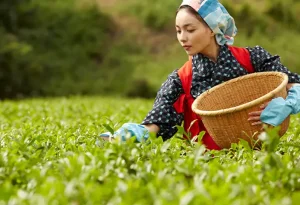
We source matcha from Japan’s premier production regions including Kyoto Uji, Kagoshima, Fukuoka, and Shizuoka, offering comprehensive grade ranges from organic JAS-certified ceremonial grade to processing-grade matcha.
Common Challenges:
- “We have projects but cannot secure stable matcha supply…”
- “We want to incorporate matcha into new café menu items!”
If you face these concerns, consult with Matcha Times. Feel free to contact us for initial inquiries.
\Read Also/
Key Takeaways
- Fit the route to your scale: a US importer-distributor is easy for modest volumes, while a Japanese processor or export organization pays off in origin control, grade design and unit economics once you reach serious volume.
- Scottsdale’s resort, spa and upscale-cafe demand usually rewards a culinary / cafe grade workhorse grade for lattes and food use, with a premium ceremonial lot reserved for signature or spa service — choose by the application, not the adjective on the pouch.
- Screen every candidate identically: a per-lot COA from an accredited lab, the organic (USDA / JAS) and food-safety certifications you genuinely need, and steady colour, particle size and flavour over repeat orders.
- Pure, unflavored matcha clears US customs duty-free under HTS heading 0902; the real import work is FDA facility registration, Prior Notice and Foreign Supplier Verification (FSVP).
- Before the first lot lands, line up your Scottsdale and Arizona licensing — a City of Scottsdale privilege-tax (TPT) licence plus the Arizona and Maricopa County food layers — so a shipment is never stranded in storage.
Researched and reviewed by the Matcha Times Editorial Team, operated by the Japan Matcha Export Organization (JMEX). Last reviewed: 2026-10-05. See our Editorial Policy and Sources & Methodology. Found an error? Tell us.
\Read More/
Who should a Scottsdale business buy wholesale matcha from?
Begin by naming your supply route, because each one moves price, lead time and the compliance load in a different direction. A Scottsdale buyer typically weighs four: a US importer-distributor, a Japanese farm selling direct, a Japanese processor (the stone-mill maker), and a Japanese export organization. The table sets them side by side on the factors that actually decide a wholesale program.
| Supplier type | Best for | Trade-off to weigh |
|---|---|---|
| US importer / distributor | Scottsdale cafes and small groups wanting domestic stock, fast reorders and no import paperwork | Convenience costs margin; looser grip on origin, grade and lot-to-lot consistency |
| Japanese farm (direct) | Buyers who want a single-garden story and traceability to one origin | Narrow grade range and volume; import, testing and logistics all land on you |
| Japanese processor (stone-mill maker) | Mid-to-large buyers needing defined grades and dependable monthly volume | You still own US import compliance unless they or a partner run the export documents |
| Japanese export organization | Importers, OEM and brands wanting origin, grade design and export paperwork in one relationship | Strongest at recurring volume; put scope, certifications and MOQ in writing |
A single Scottsdale cafe piloting a matcha latte is well served by a US distributor to start. As the program grows toward hundreds of kilograms a month — a multi-property resort group, a spa and wellness chain, a smoothie or protein brand, or an OEM run — buying nearer to origin through a Japanese processor or export organization usually tightens both consistency and landed cost, since fewer middlemen sit between the garden and your Scottsdale stockroom.
Choosing a matcha grade for a Scottsdale resort, spa cafe or brand
Grade describes fitness for a use, not a league table. “Ceremonial” and “culinary” are marketing terms rather than regulated classes, so two suppliers can label an almost identical powder in opposite ways. In a premium Scottsdale setting the stakes are higher, because a flat or muddy matcha undercuts a menu that is selling an experience. Decide by how the drink is prepared and tasted, not by the word on the tin.
- Ceremonial / premium grade — smooth, naturally sweet and vivid green; made for straight usucha, premium tea service and a signature or spa drink where matcha is the hero of the cup.
- Culinary / cafe grade — bolder, more astringent and more economical; built to carry colour and flavour through milk, ice, sweetener and oven heat. This is the everyday workhorse for Scottsdale lattes, iced matcha, wellness smoothies and bakery.
- If you are a brand or manufacturer, read the functional spec instead of the label: particle size, dispersion, colour stability and how the powder behaves in your actual recipe at production scale.
A practical setup for a resort or multi-outlet operator is to anchor one reliable culinary grade for volume drinks and hold a small ceremonial lot for premium moments — a spa tasting, a chef’s pairing, a seasonal feature. Always confirm on a paid sample in your own recipe and water first, and taste it the way the guest will, because iced and blended drinks dominate a warm-climate menu and behave differently from a hot bowl.
Verifying a matcha supplier before a bulk order
Whatever route you choose, verification is one discipline: insist on evidence tied to the exact lot you will receive, not a brochure. Three things carry the most weight — the COA, the certifications you truly need, and proof that the grade repeats.
Per-lot certificate of analysis (COA)
A per-lot COA should report sensory results, microbiological safety, pesticide residues and heavy metals (lead, cadmium and arsenic among them) from an accredited (ISO/IEC 17025) laboratory. Check that the pesticide results satisfy US EPA tolerances, which can differ from the limits in the origin market. A supplier who hands over a current, lot-specific COA on request is operating at the standard a US importer should demand.
Organic and food-safety certifications
If you will market the product as organic in the United States, the supply chain has to meet the USDA National Organic Program (Japanese JAS organic certification is commonly recognised through equivalence); ask for the actual certificate and confirm it names the specific product, not just the company. For food-safety management, a recognised GFSI scheme (such as FSSC 22000) alongside documented HACCP signals a mature processor. Insist on seeing the certificates rather than trusting a logo on a website.
Lot consistency and origin evidence
Matcha is farm produce, so colour and flavour move between harvests and gardens. Ask how the supplier keeps a grade steady from trial lot to recurring monthly volume — blending discipline, cultivar and region, harvest timing, and whether they will commit to a reference sample you re-order against. Origin evidence (prefecture, garden or cooperative) backs the Japanese-origin claim your own Scottsdale menu or label will make.
What Scottsdale’s premium hospitality and wellness demand means for sourcing
This is where a Scottsdale page should diverge from a generic supplier pitch. Scottsdale’s economy leans heavily on luxury hospitality and wellness tourism: destination resorts and spas, golf and wellness tourism, and a dense cluster of upscale cafes and restaurants. Matcha here is rarely a commodity line item — it is part of a guest experience, which changes how you should source it.
- Presentation matters: a resort or spa program sells colour, froth and a clean, vegetal taste, so a grade that goes dull in milk or over ice will show. Hold your chosen grade to a visible standard and confirm it on your own equipment.
- Seasonality is real: Scottsdale’s visitor volume swings with a cooler high season and a hot, quieter summer, so build demand-aware order sizing rather than over-ordering a heat-sensitive powder you cannot turn over before quality slips.
- Wellness positioning rewards provenance: spa and health-forward menus trade on authenticity, so documented Japanese origin, organic certification where you claim it, and a clean COA are not just compliance — they are marketing assets you can put in front of a discerning guest.
The practical upshot: many Scottsdale operators standardise on one dependable culinary grade for volume service and reserve a premium ceremonial lot for signature or spa moments, then pin both to a written spec so quality does not drift as seasons and staff change. Consistency, not novelty is what protects a premium menu, and it starts with the grade decision above.
Licensing to sell matcha in Scottsdale: city, county and state layers
A step national pages skip is the licensing that applies once you sell, store or repack food in Scottsdale. It is layered across the city, the county and the state, and scoping it early keeps a landed shipment moving.
- At the city level, a business selling prepared food and drink in Scottsdale is generally engaged in a taxable activity and needs a Transaction Privilege (Sales) Tax (TPT) licence; the City of Scottsdale publishes its tax and licensing requirements, and the Arizona Department of Revenue Scottsdale city profile sets out the applicable city privilege-tax rates. Confirm the current rate and registration with those sources, not a rule of thumb.
- At the state and county level, food-safety oversight is shared: the Arizona Department of Agriculture generally covers food up to the wholesale (“food jobber”) stage, the Arizona Department of Health Services sets food-establishment standards through the Arizona Food Code, and a retail outlet such as a cafe is permitted and inspected through Maricopa County Environmental Services.
- A wholesale food establishment — a matcha warehouse or distributor that holds and resells product not made on site — is scoped differently from a retail cafe, so decide early which you are and license accordingly.
The federal food-import work runs alongside the local layers: the overseas facility must be registered with the FDA, every shipment needs Prior Notice, and the US importer must run a Foreign Supplier Verification Program (FSVP). Keep those import records and the per-lot COA aligned with your Scottsdale permit so a single lot can be traced from the Japanese garden to the Scottsdale counter.
Getting matcha to Scottsdale: an inland metro without a seaport
Scottsdale sits in the Phoenix metro, which has no seaport, so this leg needs a little planning. Ocean-freighted matcha usually lands at a West Coast gateway such as Los Angeles or Long Beach and then travels inland by truck or rail along the I-10 corridor; time-sensitive or smaller consignments often arrive by air through the metro’s Phoenix Sky Harbor cargo gateway. Build that inland leg into your lead time rather than treating it as an afterthought.
The second local factor is heat. Matcha degrades with heat, light and oxygen, and a Sonoran-desert summer is unforgiving, so plan climate-controlled storage and insulated handling from the port of entry to your door, and keep working stock sealed, cool and out of light once it arrives. A supplier or 3PL that understands cold-chain handling for a fine green powder is worth more here than in a temperate market.
A checklist to evaluate any Scottsdale matcha supplier
Rather than ranking brands, hold every candidate — a US distributor, a Japanese processor or an export organization — to the same verifiable criteria. Apply it evenly to each option, including JMEX, and lean on documents and samples you can confirm instead of marketing claims.
| Criterion | What to verify with any supplier |
|---|---|
| Origin & traceability | Confirmed Japanese origin with prefecture / garden or cooperative evidence for the actual lot |
| Grade fit | That the grade suits your application (latte, iced, spa service, baking, RTD) on a paid sample in your own recipe |
| Per-lot COA | Sensory, microbiology, pesticide (EPA tolerances) and heavy-metal results from an accredited (ISO 17025) lab |
| Certifications | Organic (USDA / JAS) where you market organic, plus a recognised food-safety scheme (GFSI / HACCP), with current certificates |
| Lot consistency | How colour, particle size and flavour are held stable from trial lot to recurring monthly volume |
| US import support | FDA facility registration, Prior Notice and FSVP support — or whether that compliance falls to you |
| Storage to Scottsdale | Climate-controlled storage and insulated handling for the inland leg and desert heat, to your door |
| Commercial terms | MOQ, lead time, incoterms (FOB / CIF) and price quoted together in writing for your exact spec |
The most useful questions to ask a supplier are concrete: What prefecture and harvest is this lot from? May I see the per-lot COA and your organic certificate? How do you keep this grade steady month to month? How will it be stored and shipped to Scottsdale in summer? What are the MOQ, lead time and incoterms in writing? Suppliers who answer precisely and put the answers in writing are the ones worth scaling with.
Sourcing steps: from shortlist to steady Scottsdale supply
A disciplined sequence turns a promising sample into a dependable program and heads off the usual mistakes — over-ordering before you know your turnover, accepting a company-level certificate that does not cover the actual product, or leaving import and storage planning until a shipment is already afloat.
- Write a one-page specification: grade, application, monthly volume, packaging, organic or other requirements, and your delivery point in Scottsdale.
- Shortlist across routes (US distributor, Japanese processor, export organization) and request a paid sample matched to your spec, together with a per-lot COA.
- Validate the sample in your own operation — your recipe, your water, your equipment — and review the COA and any organic certificate.
- Confirm the US import path: foreign-facility FDA registration, Prior Notice and FSVP, and whether the supplier supports it or you will; engage a customs broker on classification and any current tariff measures.
- Scope your Scottsdale and Arizona licensing — a City of Scottsdale TPT licence plus the Arizona and Maricopa County food layers — and plan climate-controlled storage before the first bulk lot lands.
- Agree MOQ, lead time, incoterms and pricing in a written quotation, then place a small trial order before you commit to recurring supply.
Sources & Methodology
This guide synthesises official US import authorities (USITC tariff schedule, FDA food-import rules), USDA organic standards, City of Scottsdale and Arizona Department of Revenue tax/licensing pages, Arizona Department of Agriculture and Arizona Department of Health Services food-safety oversight, Maricopa County food permits, and Japanese customs and trade statistics. Each source below states what it supports, its date and its scope. Tax rates, recognition lists and food rules change, so confirm the current position with the named authority or a licensed customs broker before importing. No unverified number is presented as fact; figures are labelled by basis, scope and year.
- USITC — Harmonized Tariff Schedule (heading 0902, tea) — Green tea classification under HTS heading 0902; unflavored tea general rate is Free (duty-free) — accessed 2026 US tariff classification / duty
- FDA — FSMA Foreign Supplier Verification Programs (FSVP) — US importer obligation to verify foreign suppliers meet US food-safety standards — accessed 2026 US food import compliance
- FDA — Prior Notice of Imported Foods — Requirement to file Prior Notice before a food shipment arrives in the US — accessed 2026 US food import compliance
- FDA — Registration of Food Facilities — Requirement for the overseas manufacturing/processing facility to register with the FDA — accessed 2026 US food facility registration
- USDA AMS — National Organic Program (organic standards) — US organic standard governing how a product may be marketed as organic — accessed 2026 US organic certification
- City of Scottsdale — Tax Resources (business licensing) — City of Scottsdale tax and licensing requirements for food/beverage businesses — accessed 2026 City of Scottsdale privilege-tax licensing
- Arizona Department of Revenue — Scottsdale city profile (TPT) — Applicable Scottsdale Transaction Privilege (sales) and use tax rates — accessed 2026 Arizona / Scottsdale transaction privilege tax
- Arizona Department of Agriculture — State food-safety oversight up to the wholesale (food jobber) stage — accessed 2026 Arizona wholesale food oversight
- Arizona Department of Health Services — Food Safety & Environmental Services — Arizona Food Code food-establishment standards; wholesale vs retail framework — accessed 2026 Arizona food establishment standards
- Maricopa County Environmental Services — Licenses & Permits — County-issued food establishment permits for retail food operations in the Phoenix metro — accessed 2026 Maricopa County food permits
- Japan Customs (English) — Tea (matcha) tariff classification under HS heading 0902 at origin — accessed 2026 HS classification / customs
- Japan Customs / Ministry of Finance — Trade Statistics — Market context: Japan green-tea export value/volume (¥36.4B / 8,798 t, 2024) — green-tea TOTAL, not matcha-only — 2024 Japan green tea exports (value and volume)
Why Buyers Choose JMEX (Japan Matcha Export Organization)

One supplier that meets these criteria at a high level is JMEX (Japan Matcha Export Organization), a wholesale and export partner dedicated to bringing Japanese matcha overseas. It designs origin selection, quality assurance, export documentation, and logistics as one continuous flow, built for export from the start.
Backed by an export track record to 43 countries, JMEX connects Japanese origin with the US buyer on the export side: confirmed Japanese origin and grade design for your application, per-lot COA with MRL and heavy-metal testing, organic (JAS) and food-safety documentation, customs and export paperwork, and stable recurring supply from 10 kg to 1 t per month for Scottsdale importers, wholesalers, OEM runs and health and wellness brands. Instead of asking you to coordinate a chain of intermediaries, JMEX folds origin selection, certification support and destination-market documentation into one relationship, so a premium Scottsdale program stays consistent from the first trial lot through to regular volume.
Frequently Asked Questions (FAQ)
Common questions from Scottsdale cafes, resorts and brands sourcing wholesale Japanese matcha, from where to buy to the licensing a local food business needs.
Where can Scottsdale cafes, resorts and brands buy wholesale Japanese matcha?
Through four routes: a US importer-distributor that holds stock domestically, a Japanese farm selling direct, a Japanese stone-mill processor, or a Japanese export organization that handles origin, grading and export paperwork. A single Scottsdale cafe trialing a latte usually starts with a US distributor; a multi-property resort group, spa chain or brand ordering hundreds of kilograms a month typically gains consistency and a better unit cost by buying closer to origin.
Which matcha grade does a Scottsdale resort or cafe need, ceremonial or culinary?
Most Scottsdale cafes, resorts and brands run a culinary or cafe grade for lattes, iced matcha, wellness smoothies and baking, because it holds colour and flavour through milk, ice, sweetener and heat, and keep a small ceremonial lot for premium or spa service. The labels are marketing descriptors, not regulated terms, so validate any grade on a paid sample in your own recipe first.
Is there an import duty on matcha entering the United States?
Pure, unflavored matcha is classified as green tea under HTS heading 0902 and carries a Free (duty-free) general rate of duty; flavored green tea is treated differently. Separate country-level “reciprocal” or additional tariff measures can apply and are time-varying, so confirm the current position with a licensed customs broker rather than treating any such measure as the product’s base rate.
What licenses does a Scottsdale food or beverage business need to sell matcha?
A business selling prepared food and drink in Scottsdale generally needs a Transaction Privilege (Sales) Tax (TPT) licence; the City of Scottsdale and the Arizona Department of Revenue publish the requirements and city tax rates. Food-safety oversight is layered across the Arizona Department of Agriculture (wholesale), the Arizona Department of Health Services (Food Code) and Maricopa County (retail permits), so confirm which applies to your operation before you store or sell.
What documents are required to import matcha into the USA?
The overseas facility must be registered with the FDA, each shipment needs Prior Notice, and the US importer must operate a Foreign Supplier Verification Program (FSVP). Commercially you should also hold a per-lot certificate of analysis and an organic certificate if you market organic, plus standard shipping documents. If you store, repack or sell in Scottsdale, scope the city, county and state food requirements too.
Can a Scottsdale business buy matcha direct from Japan?
Yes. A Scottsdale importer, brand or OEM can buy direct from a Japanese processor or export organization, which tightens origin control and unit economics at recurring volume. In exchange you take on the US import compliance (FDA registration, Prior Notice, FSVP) and the inland logistics, unless the supplier or an export organization supports that side for you.
Learn More About Global Matcha Trends at Matcha Times

Matcha Times is a specialist media platform covering the global matcha market — sourcing and wholesale, supply and pricing, trade and regulations, production and origins, and the companies shaping the industry.
From market analysis and price trends to café case studies and interviews with tea farmers, we help buyers, importers, distributors, and manufacturers stay ahead of where matcha is heading. Explore more and put the global matcha market to work for your business.
Conclusion
Sourcing wholesale Japanese matcha for a Scottsdale cafe, resort or brand comes down to matching the supplier route to your volume, choosing a grade by application, and vetting every candidate the same way — per-lot COA, the certifications you genuinely need, and proven lot consistency. Layer on what a premium, hospitality-driven market expects, the City of Scottsdale and Arizona licensing, the federal US import path, and climate-controlled storage for the desert heat, and you have a program that stays steady as you grow. JMEX supports buyers across exactly these steps, from Japanese origin and grade design to per-lot COA, MRL and heavy-metal testing, organic documentation and export paperwork, with stable recurring supply for importers, wholesalers, OEM and health and wellness brands.
Looking for wholesale or OEM matcha samples? Contact us — we will recommend the optimal origin and grade based on your application and target markets.
Related Articles