Dubai’s Matcha Revolution: Luxury, Wellness, and Japanese Culture
In Dubai, one of the world’s premier international cities, while traditional Arabic coffee culture remains deeply rooted, matcha’s popularity has been rapidly rising in recent years. From afternoon teas at luxury hotels to the opening of Japanese-style cafés, and the spread of “authenticity-seeking” among affluent consumers and tourists, matcha is no longer just a passing trend—it’s becoming an integral part of lifestyle and culture.
This article thoroughly examines the background behind Dubai’s matcha attention, current market conditions, luxury hotel and café developments, home enjoyment methods, and business opportunities for Japanese matcha brands, revealing the future of the matcha market.
\Recommended Article/
\For Companies Seeking Matcha Powder/
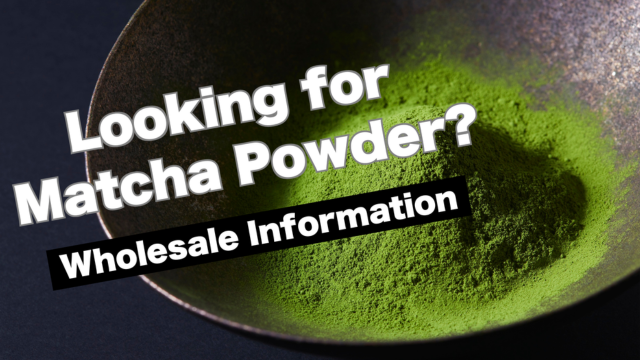
We source matcha from Japan’s premier production regions including Kyoto Uji, Kagoshima, Fukuoka, and Shizuoka, offering comprehensive grade ranges from organic JAS-certified ceremonial grade to processing-grade matcha.
Common Challenges:
- “We have projects but cannot secure stable matcha supply…”
- “We want to incorporate matcha into new café menu items!”
If you face these concerns, consult with Matcha Times. Feel free to contact us for initial inquiries.
Why Matcha Is Gaining Attention in Dubai
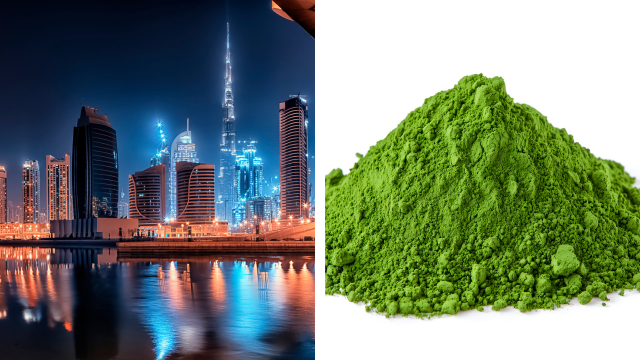
In the international city of Dubai, while traditional Arabic coffee culture remains deeply ingrained, matcha popularity has been spreading rapidly in recent years. Behind this trend lie multiple intertwined factors: health consciousness, affluent consumer preferences, and the Japanese culture boom—making this not merely a fad but a movement taking root in culture and lifestyle.
Affinity with Health Consciousness and Wellness Culture
First worth noting is the strong health consciousness among Dubai’s population. In this city where beauty and fitness industries thrive, many people focus on anti-aging and detoxification, highly valuing the catechins, theanine, and vitamins contained in matcha.
Particularly the antioxidant effects for “maintaining youthfulness,” concentration-enhancing benefits, and low-calorie satisfaction align perfectly with Dubai’s wellness orientation. Combined with habits like yoga and mindfulness, matcha is embraced as “a lifestyle partner”—this is its defining characteristic.
Premium Experiences Sought by Affluent Consumers and Tourists
Next, matcha is associated with luxury experiences. Tourists visiting Dubai and resident affluent consumers seek not mere dining but “special experiences.” Matcha sweets and limited-edition matcha drinks served at five-star hotel afternoon teas exemplify this perfectly.
On social media, photos of matcha tiramisu and matcha lattes gain popularity as “photogenic content,” further expanding demand. In other words, matcha is highly valued not only for taste but as experiential content.
Influence of Japanese Culture and Asian Trends
Furthermore, behind matcha’s popularity lies admiration for Japanese culture. Beyond the spread of anime and Japanese restaurants, easier access for Emiratis to visit Japan since 2022 has been a major factor. Travel search sites show Osaka and Tokyo ranking high as destinations, with people who experienced matcha culture in Japan increasingly wanting to recreate it in Dubai.
Consequently, “Japanese-style cafés” have opened one after another, with authentic services emerging where ceremonial-grade matcha is prepared using traditional whisks. In other words, matcha is accepted as a symbol of Asian trends and the Japanese culture boom.
Current State and Expansion of Dubai’s Matcha Market

While matcha remains a niche presence in Dubai’s overall beverage market, its growth speed is remarkably fast, with scale steadily expanding in recent years. Demand is spreading particularly through luxury hotels, cafés, and online sales, with increases in import volumes and consumption validating market expansion.
Matcha Import Volume and Sales Scale Trajectory
最も顕著なのが輸入動向です。三重県の伊勢茶をはじめとする日本産抹茶は、わずか2年で輸出量が10倍以上に拡大しました。従来は「現地調達のグリーンティー」が主流でしたが、富裕層や観光客を中心に「本物志向」が強まり、“Made in Japan”の価値がブランド力として浸透しています。
特に「THE MATCHA TOKYO」がドバイに出店した事例は、オーガニックかつセレモニアルグレードの抹茶が現地で高く評価される象徴的な出来事であり、輸入拡大の追い風となっています。
Most notable are import trends. Japanese matcha including Ise tea from Mie Prefecture saw export volumes expand more than tenfold within just two years. While “locally sourced green tea” was previously mainstream, as “authenticity-seeking” strengthened among affluent consumers and tourists, “Made in Japan” value has permeated as brand power.
Particularly, the case of THE MATCHA TOKYO opening in Dubai—where organic, ceremonial-grade matcha is highly valued locally—symbolizes this trend and provides tailwinds for import expansion.
Expansion in Supermarkets and Online Shops
Matcha is spreading not only as luxury experiences but also as everyday consumer products. In large supermarkets like Carrefour and online shops, matcha tea bags and stick matcha are sold, gaining adoption in health-conscious households.
Furthermore, as “#dubaimatcha” spreads on Instagram and TikTok, online purchases increase, forming a market structure where influencer communications directly stimulate purchasing behavior. Particularly among female consumers and younger generations, demand is expanding for DIY matcha lattes and smoothie applications.
Competition Between Japanese Brands and Middle Eastern Brands
With market expansion, competition between Japanese brands and local brands has become apparent. Japanese matcha leverages “quality, tradition, and cultural value” as weapons, while Middle Eastern brands compete through “affordability and diverse arrangement menus.”
For example, local cafés have developed “Arabian fusion” matcha like mango matcha lattes and date-infused matcha smoothies, gaining consumer acceptance. Going forward, differentiation in added value—brand power, cultural background, and sustainability initiatives—rather than mere taste competition will determine winners and losers.
Matcha Culture Centered on Luxury Hotels and Cafés
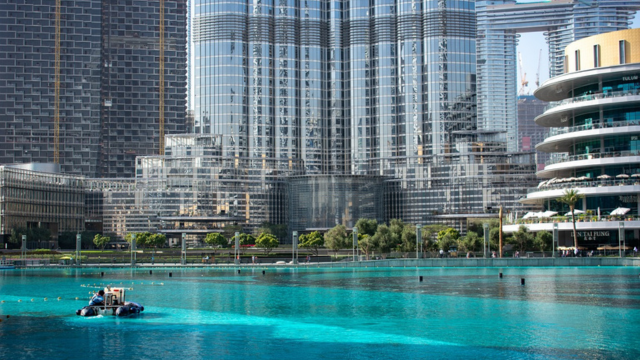
Most symbolically demonstrating Dubai’s matcha boom is the matcha experience at luxury hotels and Japanese-style cafés. As a tourist city with strong demand for “luxury,” matcha has evolved not as a mere beverage but as experiential content. Let’s examine representative developments here.
Matcha Afternoon Tea at Five-Star Hotels
In Dubai’s five-star hotels, matcha-themed afternoon teas are gaining popularity. By adding Japanese matcha sweets and wagashi to traditional British-style tea time, they create special moments unavailable elsewhere.
Tourists, especially travelers from Western countries, highly value this as “cross-cultural fusion experience,” while residents have established it as a venue for enjoying extraordinary moments. Furthermore, matcha cakes and macarons feature photogenic visuals, spreading on Instagram and TikTok and contributing to hotel customer acquisition.
Popular Menu Items: Matcha Lattes and Matcha Sweets
Within café culture, matcha plays an important role. Beyond standard matcha lattes and matcha tiramisu, Dubai-unique arrangements like mango matcha lattes and date-infused matcha smoothies have emerged, advancing fusion with local culture.
Particularly at Japanese-style cafés like “Kissaten Coffeehouse” and “THE MATCHA TOKYO,” ceremonial-grade matcha prepared one cup at a time using traditional whisks receives strong support from those seeking “authentic Japanese experiences.” Such establishments function not merely as dining venues but as hubs for Japanese cultural dissemination.
Amplification Power Through Influencers and Social Media
Explosively spreading matcha’s popularity is undoubtedly the presence of influencers. On Instagram and TikTok, hashtags like “#dubaimatcha” and “#matchalatte” generate numerous posts, with “drinking matcha in Dubai” becoming essential content coloring travel memories, especially for young people and tourists.
Photos taken holding matcha drinks on beachsides and posts of luxurious hotel tea sets have high viral potential, generating new consumption patterns where people think “I saw it on social media, so I want to go.”
How Matcha Is Spreading in Homes and Daily Life
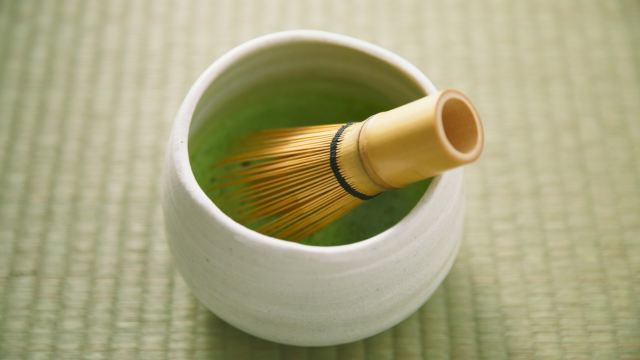
Matcha is beginning to permeate not only luxury hotel and café experiences but also homes and daily life. Particularly among health-conscious segments and affluent households, incorporating matcha into daily lifestyle is noticeable. This represents a shift from “matcha = something special” to “matcha = daily health habit.”
Popularity of DIY Matcha Lattes and Smoothies
In Dubai, DIY matcha lattes and smoothies easily enjoyed at home are gaining attention. Using high-quality matcha powder imported from Japan, increasing numbers drink it as morning energy drinks or pre-workout refreshments.
Particularly popular are arrangements combining local ingredients like matcha × almond milk or matcha × dates. Recipe videos introduced by influencers spread on social media, expanding the culture of “preparing matcha at home” centered on younger generations and female consumers.
Matcha in Sweets and Bakery Culture
Matcha is becoming standard in sweets and bakeries. Matcha croissants, matcha cheesecakes, and matcha cookies have become popular products in local bakeries and cafés, embraced by diverse demographics including Westerners, Asians, and Emiratis.
Additionally, adapting to Dubai-specific preferences, fusion menus like matcha × pistachio and matcha × saffron have emerged, with Japanese and Middle Eastern flavor fusion creating new value. This “localization of matcha sweets” is expected to expand further.
Proliferation and Convenience of Tea Bags and Stick Products
Dubai consumers strongly value convenience, with demand for stick matcha and tea bags experiencing rapid growth. Their support comes from easy drinkability at offices and on-the-go, particularly spreading among business professionals and homemakers.
Additionally, products with halal certification or organic certification have high credibility, increasing sales at local supermarkets and online shops. Going forward, “convenient yet authentic” matcha products will become central to the everyday market.
Business Opportunities for Japanese Matcha Brands
The Dubai market represents an extremely attractive growth base for Japanese matcha brands. With many consumers valuing quality and brand value, even premium matcha—which easily gets caught in price competition in other countries—can succeed here by leveraging “authenticity orientation” and “special experiential value.” Here we organize specific business opportunities.
Strong Demand for Premium and Authentic Matcha
Dubai consumers tend to find value in “authenticity” over price. Japanese regional brands—Ise tea, Kyoto-Uji, Nishio—possess tremendous differentiation power, with stable demand even at high price points.
Particularly “ceremonial-grade” matcha is actively adopted by five-star hotels and Japanese-style cafés, served to affluent consumers and tourists. In other words, the structure of “premium matcha = synonymous with Japanese brands” will strengthen further going forward.
Importance of Health, Sustainability, and Halal Certification
In Islamic markets, halal certification is indispensable. Obtaining certification rapidly expands sales channels, accelerating development in local supermarkets and online shops.
Furthermore, added values like “organic,” “sustainable,” and “environmental consideration” easily gain strong support from Dubai’s health-conscious segments and next-generation affluent consumers. If Japanese matcha brands can promote “safety, environmental responsibility, and tradition” as a package, differentiation from other countries’ brands becomes even clearer.
Collaboration Cases with Luxury Hotels and Local Cafés
Particularly effective in local development is B2B collaboration strategy. For example, THE MATCHA TOKYO opened a directly operated store in Dubai, leveraging organic matcha to enhance brand presence. Additionally, “Kissaten Coffeehouse” prepares Japanese ceremonial-grade matcha using traditional whisks, gaining popularity by recreating “the authentic Japanese experience itself.”
Such cases establish positioning as “Japanese matcha = luxury experience” using hotels and cafés as hubs, offering strategies that other brands can reference.
Discover Global Matcha Trends with Matcha Times

We cover the expanding matcha boom across countries worldwide—including Dubai, Singapore, Thailand, Vietnam, and the UK—with the latest data and local case studies.
👉 If you want to learn more about global matcha market trends, be sure to check out Matcha Times. You’ll find insights to help your matcha business or enhance your lifestyle.
Summary: Dubai’s Matcha Market Driven by Affluence and Tourism
Dubai’s matcha boom is not a mere trend but a sustained movement combining three elements: health consciousness, affluent consumers’ special experiences, and admiration for Japanese culture.
From matcha afternoon teas at luxury hotels to matcha lattes in cafés and DIY matcha lattes in homes, matcha is permeating every aspect of life.
Furthermore, cases like Ise tea exports, THE MATCHA TOKYO’s Dubai expansion, and Kissaten Coffeehouse’s authentic whisk-style service show Japanese brands strengthening their presence locally. Going forward, market expansion will advance centered on hotel and café partnerships while combining halal certification and sustainability strategies.
In other words, Dubai is “a growth base for matcha driven by affluent consumers and tourism”—one of the most noteworthy emerging markets for Japanese matcha brands.
Recommended Article