Matcha in Vietnam: Youth Culture & Health Trends Fueling Market Boom
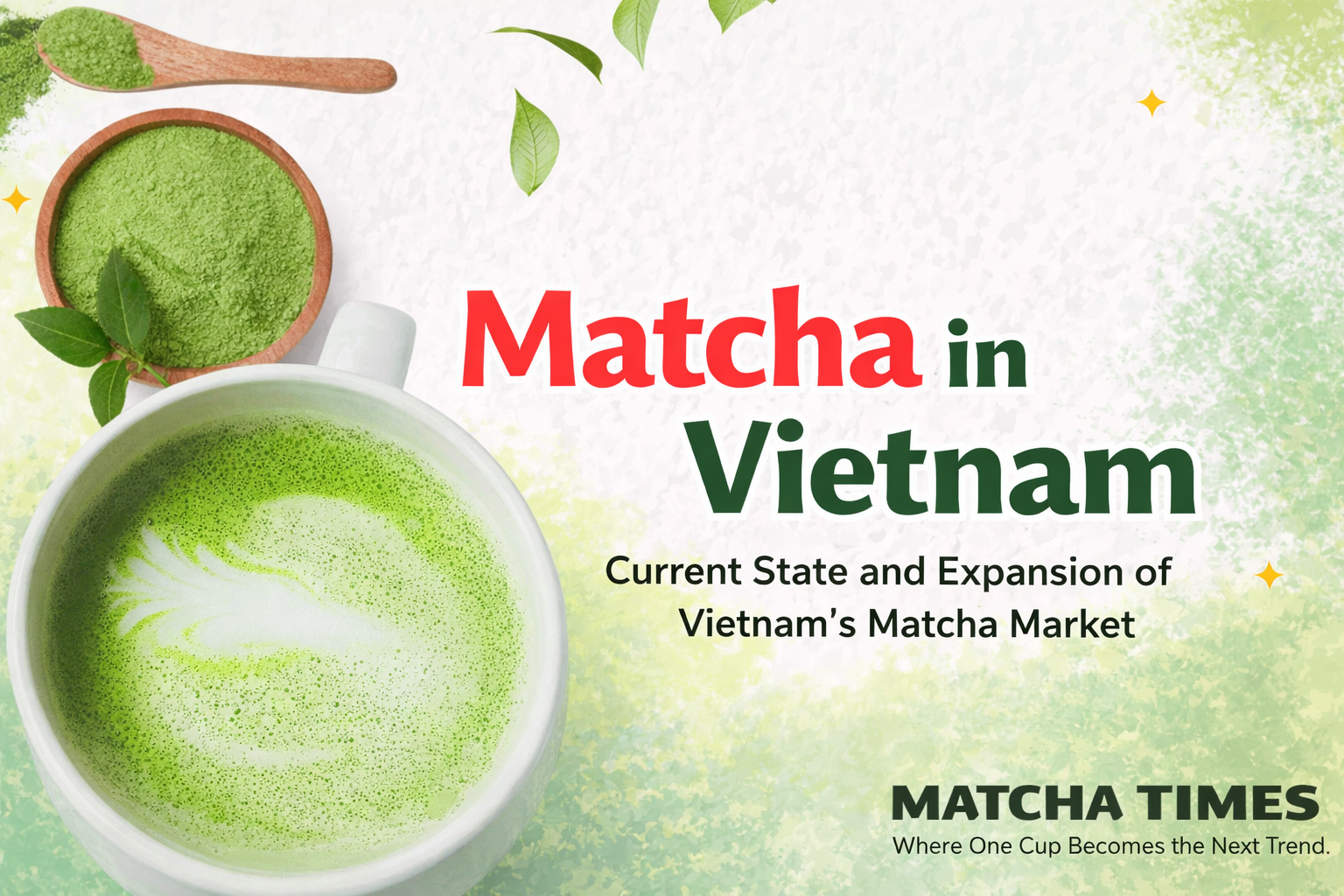
Vietnam is experiencing a massive matcha boom, particularly among youth demographics. In Ho Chi Minh City and Hanoi, matcha lattes and desserts have become standard cafe offerings, while supermarkets and e-commerce platforms continuously launch new matcha products. Driven by health consciousness and Instagram-worthy appeal, consumption is rapidly expanding across urban centers.
This article examines why matcha is gaining such traction in Vietnam, presents the latest market data, explores popular cafe culture and home consumption trends, and identifies concrete business opportunities for Japanese matcha brands seeking to understand this dynamic Southeast Asian market.
Key Takeaways
- Vietnam’s matcha market is experiencing rapid growth, surpassing temporary trend status to become embedded in youth lifestyle and culture
- Multiple factors drive popularity: vibrant cafe culture, rising health and beauty consciousness, and influence from Japanese culture and Asian trends
- Market data shows significant expansion: global matcha market reached $4.25 billion in 2024 with Vietnam as a standout growth market
- Cafe culture in Hanoi and Ho Chi Minh City leads consumption through creative menus combining traditional matcha with local ingredients
- Home consumption is expanding via DIY lattes, baking applications, and convenient stick/tea bag products
- Japanese matcha commands premium positioning at approximately 880 billion VND in e-commerce sales, competing with local and Taiwanese products
- Key opportunities for Japanese brands include quality differentiation, sustainability messaging, and local partnerships
\Recommended Article/
\For Companies Seeking Matcha Powder/
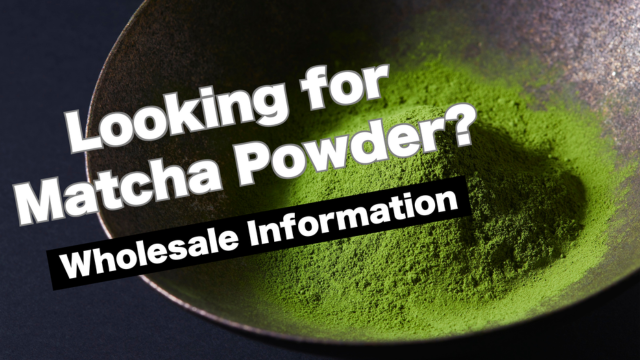
We source matcha from Japan’s premier production regions including Kyoto Uji, Kagoshima, Fukuoka, and Shizuoka, offering comprehensive grade ranges from organic JAS-certified ceremonial grade to processing-grade matcha.
Common Challenges:
- “We have projects but cannot secure stable matcha supply…”
- “We want to incorporate matcha into new café menu items!”
If you face these concerns, consult with Matcha Times. Feel free to contact us for initial inquiries.
Why Matcha Attracts Attention in Vietnam
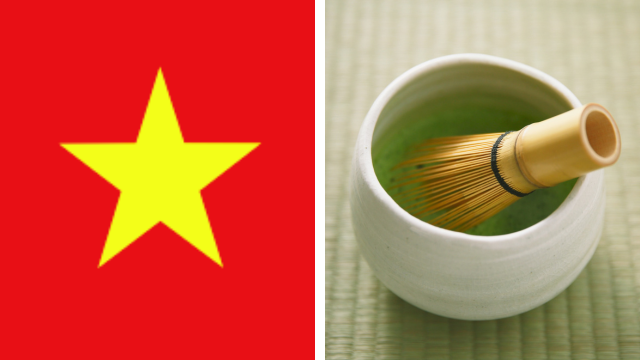
In Vietnam, matcha has recently transcended simple trends to develop into a full-scale boom. Behind this lie multiple intertwined factors: the rise of youth culture, increasing health and beauty consciousness, and the diffusion of Japanese culture and Asian trends. Here we examine specific reasons and unpack why Vietnamese consumers are so enthusiastic about matcha.
Youth Culture and Cafe Boom Influence
In urban centers like Ho Chi Minh City and Hanoi, cafe culture has become deeply embedded in youth lifestyles. Particularly for Gen Z and millennials, cafes serve not merely as dining venues but as spaces for capturing “Instagram-worthy” photos. Within this context, vibrant green matcha lattes and matcha desserts project presence unlike other beverages.
Major chains including The Coffee House and Highlands Coffee continuously launch new matcha-based products, with matcha becoming mainstreamed across urban cafes. Furthermore, specialty shops in back alleys offer authentic matcha experiences using chasen whisks, establishing a new image among youth of “matcha = stylish, sophisticated lifestyle.”
Rising Health and Beauty Consciousness
Recent years have seen rapid increases in health and beauty interest across Vietnam’s urban areas. Matcha perfectly matches these needs. Rich in antioxidant catechins and relaxation-promoting theanine, matcha gains attention as a “superfood supporting health and beauty simply through drinking.”
Additionally, matcha’s ability to provide gentler alertness compared to coffee receives positive evaluation. For those sensitive to caffeine or seeking efficient long-term study and work sessions, matcha represents an ideal alternative beverage. Particularly among young women sensitive to beauty and diet concerns, “delicious and body-friendly” matcha drinks are becoming everyday choices.
Japanese Culture and Asian Trend Diffusion
Discussing matcha popularity requires acknowledging Japanese cultural influence. Through Japanese anime and tourism content, strong recognition of “matcha = symbol of Japanese authenticity” has spread, with increasing cases of Japan travelers choosing matcha locally upon return.
Furthermore, matcha booms progressing in neighboring Asian countries like Taiwan and Korea are diffusing into Vietnam. Strengthening images of “entities leading Asian lifestyle = matcha” transform consumption from temporary trends into culturally embedded behaviors.
Current State and Expansion of Vietnam’s Matcha Market
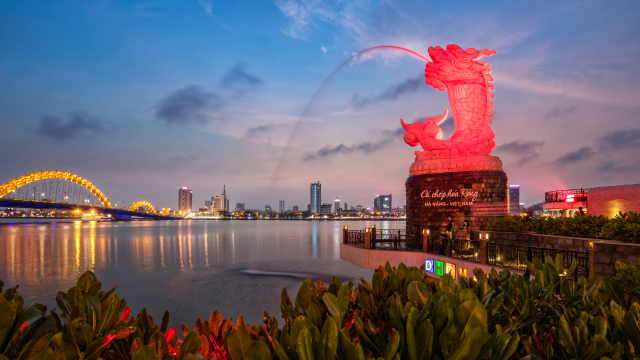
Vietnam’s matcha market has achieved rapid growth over recent years. Once visible only in select upscale cafes and imported food stores, matcha now spreads as an everyday beverage and ingredient. Statistical data and consumption trends clarify this growth’s speed and scale.
輸入量・市場規模の推移
世界全体の抹茶市場は2024年に42億5,000万ドル(約6,300億円)に達し、年平均成長率も約9.5%と高水準を維持しています。その中でもベトナムは特に急成長しており、飲食業界の調査では「2024年に最も注目するメニュー」として抹茶が全体の29.6%を占め、トップに選ばれました。
これは、従来の「甘いお茶」や「砂糖入りコーヒー」から、より健康的で洗練された選択肢へのシフトを示しています。ベトナムの消費者は「手頃な価格で日常的に楽しむ抹茶」と「特別なシーンで選ぶ高品質な抹茶」の両方を求める傾向にあり、市場全体の二極化が進んでいるのも特徴です。
Import Volume and Market Scale Trends
The global matcha market reached $4.25 billion (approximately 630 billion yen) in 2024, maintaining high annual average growth rates around 9.5%. Within this context, Vietnam is experiencing particularly rapid growth, with foodservice industry surveys selecting matcha as the “most noteworthy menu item in 2024” at 29.6%, ranking first.
This indicates shifts from traditional “sweet tea” and “sugared coffee” toward healthier, more sophisticated choices. Vietnamese consumers demonstrate tendencies seeking both “affordable matcha for daily enjoyment” and “high-quality matcha for special occasions,” with market-wide polarization progressing as a distinctive characteristic.
Supermarket, Convenience Store, and Online Sales Proliferation
Supporting matcha consumption expansion is diversification of distribution channels centered in urban areas. E-commerce platforms including Shopee and TikTok Shop recorded over 226.4 billion VND (approximately 1.4 billion USD) in matcha-related product purchases during January 2024-June 2025. Particularly strong purchasing tendencies among consumers in their 20s and 30s indicate integration into everyday consumption styles.
Furthermore, supermarkets and convenience stores like VinMart and Circle K now stock matcha lattes and matcha stick beverages as standard shelf items, creating environments for casual enjoyment at home and work. The positioning shift from “special matcha consumed at cafes” to “accessible matcha available anytime” represents a major element propelling future market growth.
Matcha Cafe Culture Centered in Hanoi and Ho Chi Minh City
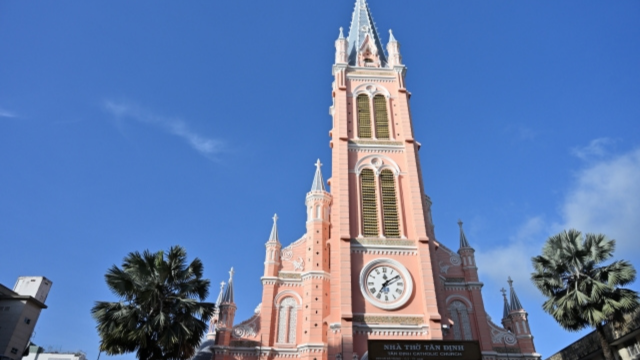
Driving Vietnam’s matcha boom is cafe culture spreading across urban areas. Particularly in Ho Chi Minh City and Hanoi, diverse matcha-incorporating menus continuously emerge, becoming established as part of youth lifestyles. Characteristics include broad enjoyment styles from traditional matcha whisking methods to locally distinctive arranged drinks.
Popular Matcha Cafe Examples
Ho Chi Minh City’s “Một Bát Trà – Matcha Houjicha Premium” has enjoyed high popularity among youth since its 2024 opening. Drinks combining coconut or mango with matcha generate discussion as unique menu items available only here.
Additionally, “Daudo Cafe” in Tan Phu District provides authentic service whisking matcha with chasen. Incorporating Japanese design elements in interiors with decorations modeled on Japanese gardens, it attracts attention as an “experiential matcha cafe.” Such establishments transcend mere dining venues, beloved as special spaces for enjoying matcha—veritable “sacred sites.”
Diverse Matcha Sweets and Matcha Latte Menus
Vietnamese cafes demonstrate rich creativity, developing diverse matcha-based menus. Beyond standard sweets like cakes and tiramisu, innovative matcha desserts combining banana pudding or corn milk enjoy popularity.
Particularly noteworthy are combinations with locally distinctive ingredients like “matcha × coconut” and “matcha × egg cream.” Bold arrangements rarely seen in Japan provide consumers with “new discoveries,” increasing repeat customers. Through this, matcha gains acceptance across broad demographics as a “beverage where tradition and innovation coexist.”
Viral Power Through SNS and Influencers
Another major element supporting the matcha boom is SNS communication power. Instagram and TikTok see surging posts with hashtags like “#MatchaVietnam” and “#抹茶ラテ.” Beautiful latte art and vibrant green drinks easily spread as “Instagram-worthy photos,” with influencer cafe tour videos further accelerating popularity.
AnThis SNS sharing creates “cafes to visit lists” for youth, directly connecting to actual store visits. In essence, Vietnam’s matcha boom demonstrates real-world stores and digital culture generating synergistic growth effects.
Expanding Home Matcha Enjoyment
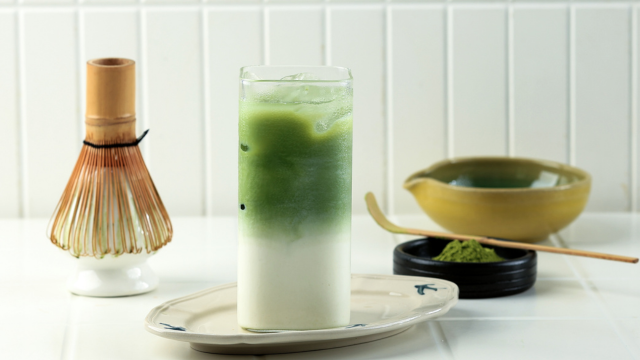
Vietnam’s matcha popularity extends beyond cafe scenes. Culture for casual home enjoyment is taking root, centered in urban areas. Background factors include establishment of DIY culture, e-commerce expansion, and high-convenience product development. Evolution proceeds from “special cafe cups” toward “familiar matcha” accompanying daily life.
Trending DIY Matcha Lattes and Smoothies
“DIY matcha lattes” and “matcha smoothies” enabling easy cafe atmospheres at home represent major trends. Simply mixing matcha powder with milk or soy milk creates authentic matcha lattes, with added fruits like banana or mango transforming beverages into smoothies.
SNS features numerous “home matcha recipe” posts, gathering support centered on young women and students. Particularly, small-portion packs and trial-size matcha powder available through Shopee and TikTok Shop remain accessible even for beginners, propelling DIY popularity.
Matcha Utilization in Baking and Sweets
Driving home matcha consumption is matcha powder used in sweets making. In 2024, confectionery-use matcha alone recorded 170 billion VND (approximately 1.06 billion yen) in sales, demonstrating definite expansion in home utilization.
In Vietnam, increasing numbers pursue bread and cake making as hobbies, with matcha popular as “ingredients adding special touches.” Beyond matcha cookies and matcha muffins, original recipes like matcha × coconut cake and matcha × mango pudding combining local ingredients are successively born. Such home-originated arrangements attract such attention they’re reverse-imported into cafe menus.
Tea Bag and Stick Product Proliferation
Meanwhile, tea bags and stick-type matcha enjoy popularity among demographics seeking even easier matcha enjoyment. Simple dissolution in hot water or milk makes these convenient for offices and outings.
Supermarket ambient shelves and convenience stores increasingly stock these products, with online bulk purchasing becoming mainstream. Such high-convenience products meet busy urban residents’ needs, significantly broadening matcha’s base. Particularly for younger generations, images of “matcha = labor-intensive beverage” are fading, evolving toward “matcha = beverages for everyday enjoyment” as a major characteristic.
Business Opportunities for Japanese Matcha Brands
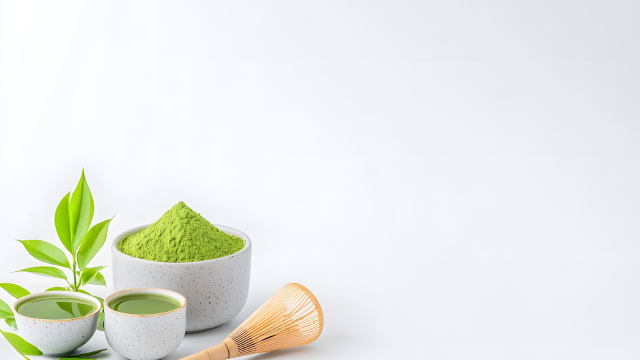
Vietnam’s market has achieved rapid growth over recent years, with continued expansion anticipated. This environment presents major opportunities for Japanese matcha brands. Particularly, strategies leveraging strengths in “high quality, brand power, and cultural value” directly connect to local differentiation.
Demand for High-Quality Premium Matcha
Vietnamese consumers maintain strong recognition that “Japanese-made = high quality.” Needs exist across broad segments from ceremonial-grade for rituals to premium-grade for households, with affluent and health-conscious demographics who discover value in “special cups” prioritizing quality over price.
Indeed, Japanese matcha e-commerce sales reached 88 billion VND (approximately 550 million yen), succeeding in differentiation from local and Taiwanese matcha. In essence, Japanese brands wielding “premium feel” and “cultural stories” as weapons can establish unwavering positions even amid competition.
Health and Sustainability Messaging Effectiveness
Matcha demonstrates extremely high affinity with wellness and sustainability contexts. Beyond health benefits including antioxidant effects and relaxation properties, emphasizing organic cultivation, pesticide-free production, and environmentally conscious production methods facilitates support from local younger generations and ethically conscious consumers.
Furthermore, sustainability messaging reinforces existing images of “Japanese tea brands = safety and trust,” connecting to long-term brand value enhancement. Simultaneously appealing to health and environment enables establishment of unique positioning without entanglement in price competition.
Local Enterprise Collaboration Examples
Movements are increasing for Japanese brands to partner with local cafes and food companies. For example, if Japanese cafe chains develop limited menus like “matcha × coconut” or “matcha × mango” for Vietnamese markets, this creates mechanisms matching local tastes while experiencing “Japanese quality.”
Additionally, joint campaigns with supermarket chains or major e-commerce platforms, plus promotions utilizing influencers, prove effective across both topicality and viral capacity dimensions. Combining Vietnam-specific creativity with Japanese quality enables pioneering new demand and realizing “special experiences deliverable only by Japanese brands.”
Check Global Matcha Trends at Matcha Times

For those wanting deeper knowledge of matcha market movements expanding across Vietnam, Asia, Europe, North America, and beyond, please visit matcha specialty media “Matcha Times.”
We publish information useful to matcha business participants including latest market data, cafe culture reports, and brand strategy cases.
Summary: Vietnam’s Matcha Market at Growth Frontier
Vietnam’s matcha boom represents not mere trends but reflections of social value shifts and lifestyle evolution. Youth culture and cafe booms, health and beauty consciousness, and Japanese culture plus Asian trend diffusion intersect, with matcha deeply penetrating daily life centered in urban areas.
Market scale expands annually, with consumption venues spreading from cafes to homes and further online. Japanese matcha has established firm positioning as “synonymous with high quality,” though competition with Vietnamese and Taiwanese products intensifies, with future expectations for further polarization between “authenticity orientation” and “accessibility.”
For Japanese brands, opportunities exist not only leading premium markets but also penetrating broader demographics through strengthening local collaborations and sustainable initiatives.
In essence, Vietnam represents the frontline of Southeast Asian matcha expansion, with how to navigate this market holding significant implications for Japanese brands’ global strategies.
Also recommeded